Best Focal Length for Vlogging
As an Amazon Associate we earn from qualifying purchases. Some links in this guide are affiliate links — see our affiliate disclosure for details.
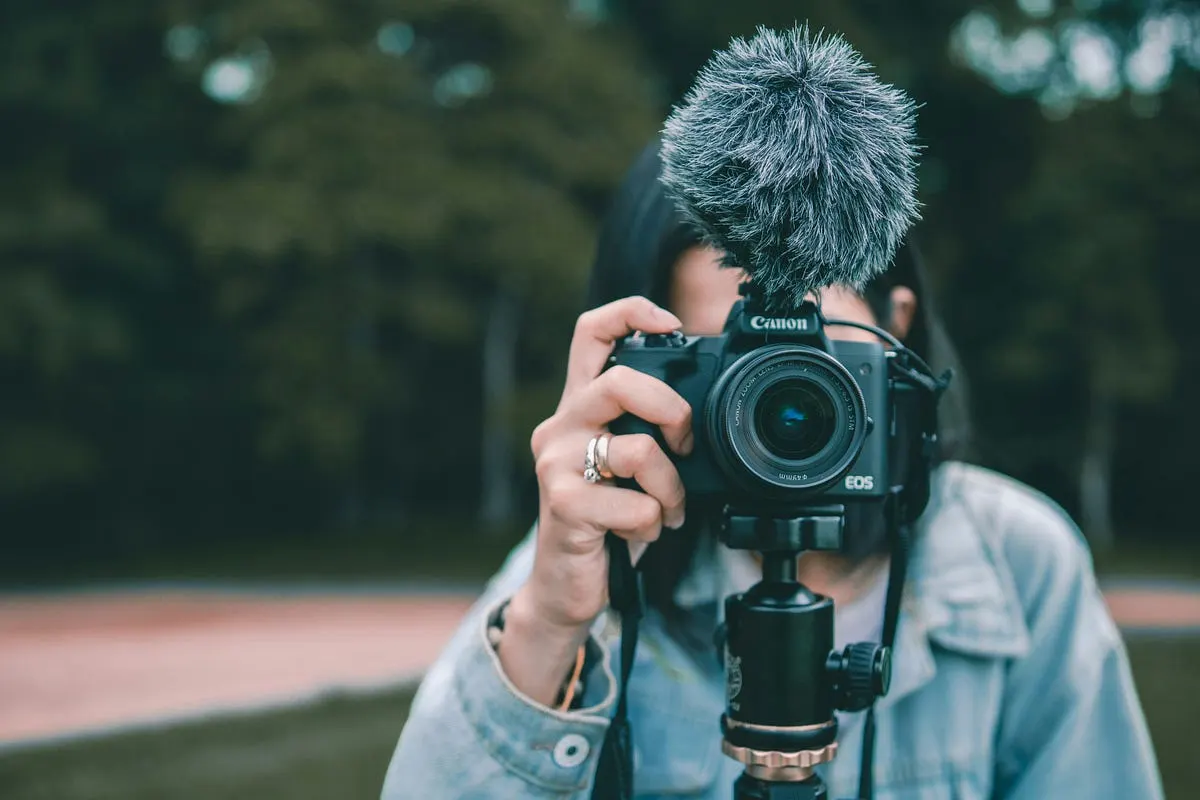
Vlogging is an art form that blends storytelling, personality, and technical know-how. One of the most critical technical aspects is choosing the right focal length for your camera lens.
The focal length can make or break the visual appeal of your vlogs, affecting everything from framing to background aesthetics.
In this story, I will share my personal journey of discovering the best focal length for vlogging, along with practical insights to help you find the perfect lens for your content.
My Vlogging Journey: A Rocky Start
When I started vlogging three years ago, I was clueless about camera gear. Armed with just my smartphone and a dream to share my travel adventures, I recorded my first video in a bustling market in Marrakech.
The footage was shaky, the framing was awkward, and my face looked oddly distorted. I chalked it up to beginner’s luck (or lack thereof) and kept going. But as I upgraded to a mirrorless camera, I realized that my lens choice was the real culprit.
That’s when I dove into the world of focal lengths, determined to find the sweet spot for vlogging.
What Is Focal Length, Anyway?
Before we get into the nitty-gritty, let’s break it down. Focal length, measured in millimeters (mm), determines how much of a scene your camera captures and how objects appear in the frame. A shorter focal length (e.g., 16mm) gives a wider field of view, while a longer focal length (e.g., 50mm) zooms in, narrowing the perspective. For vlogging, the focal length impacts how you look, how much background you show, and the overall vibe of your video.
The Best Focal Lengths for Vlogging
Through trial and error, I’ve learned that the best focal length for vlogging depends on your style, environment, and gear. Here’s a breakdown of the most popular options, along with my experiences using them:
1. Wide-Angle Lenses (10mm–24mm)
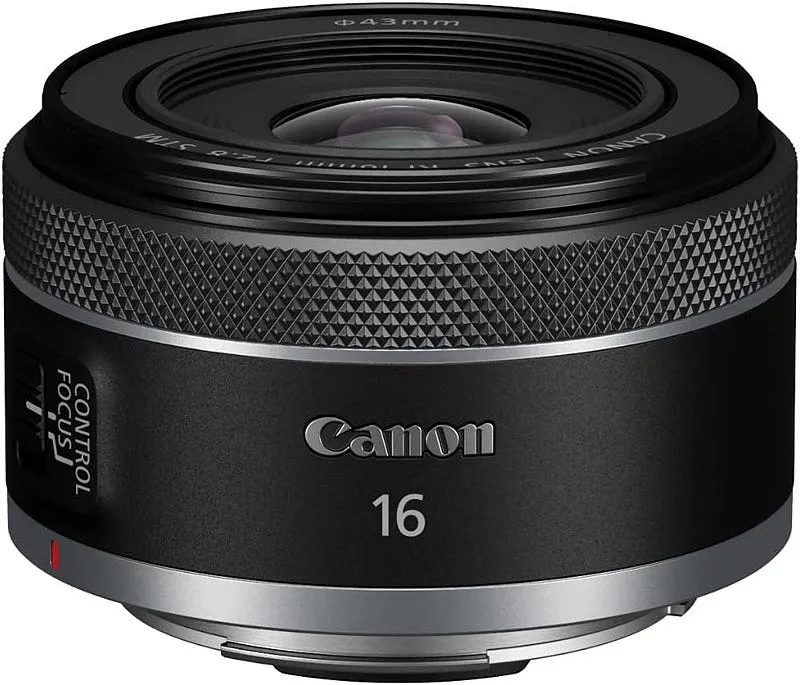
Wide-angle lenses are a vlogger’s go-to, especially for handheld or selfie-style vlogs. They capture more of the scene, making them ideal for travel, lifestyle, or dynamic content where the background is a key part of the story.
- Why It Works: A focal length between 10mm and 24mm gives a natural, immersive perspective. It’s forgiving for handheld shooting, as the wider field of view minimizes shake. Plus, it keeps both you and the environment in focus.
- My Experience: My first “proper” vlogging lens was a 16mm f/2.8 on my APS-C camera (equivalent to about 24mm on full-frame). Filming in New York City, I loved how it captured the towering skyscrapers and bustling streets while keeping my face in the frame. However, at 16mm, I noticed slight distortion around the edges — my nose looked a tad bigger than life! I learned to position myself slightly off-center to minimize this.
- Best For: Travel vlogs, outdoor adventures, or when you want to show off your surroundings.

2. Standard Lenses (24mm–35mm)
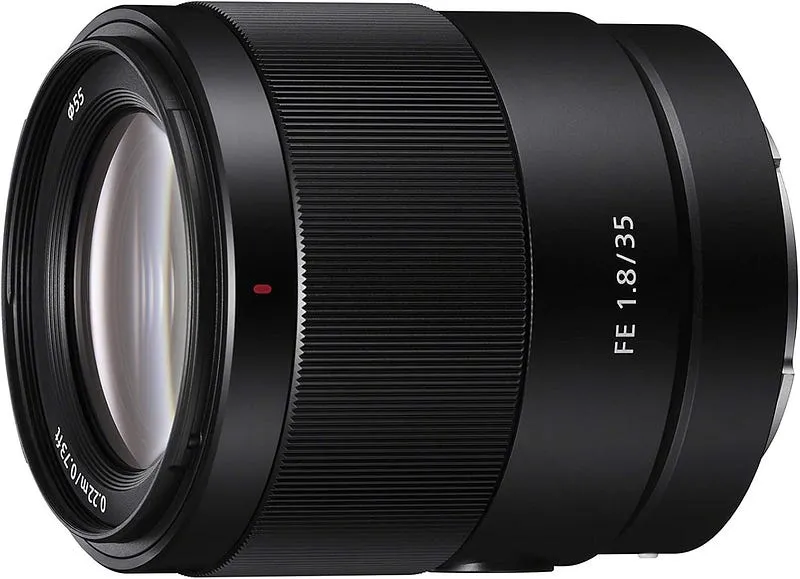
Standard lenses strike a balance between wide-angle and telephoto, offering a natural look that closely mimics human vision. They’re versatile for both solo vlogging and sit-down, conversational videos.
- Why It Works: Focal lengths like 24mm or 35mm provide a flattering perspective with minimal distortion. They’re great for indoor setups or when you want a clean, professional look without losing too much background context.
- My Experience: After my wide-angle experiments, I switched to a 35mm f/1.8 lens for a series of coffee shop vlogs. The footage felt intimate, and my face looked natural — no weird stretching. However, in tight spaces, I struggled to fit both myself and the cozy café vibe in the frame. I had to step back or use a tripod, which wasn’t always practical on the go.
- Best For: Sit-down vlogs, product reviews, or storytelling in controlled environments.
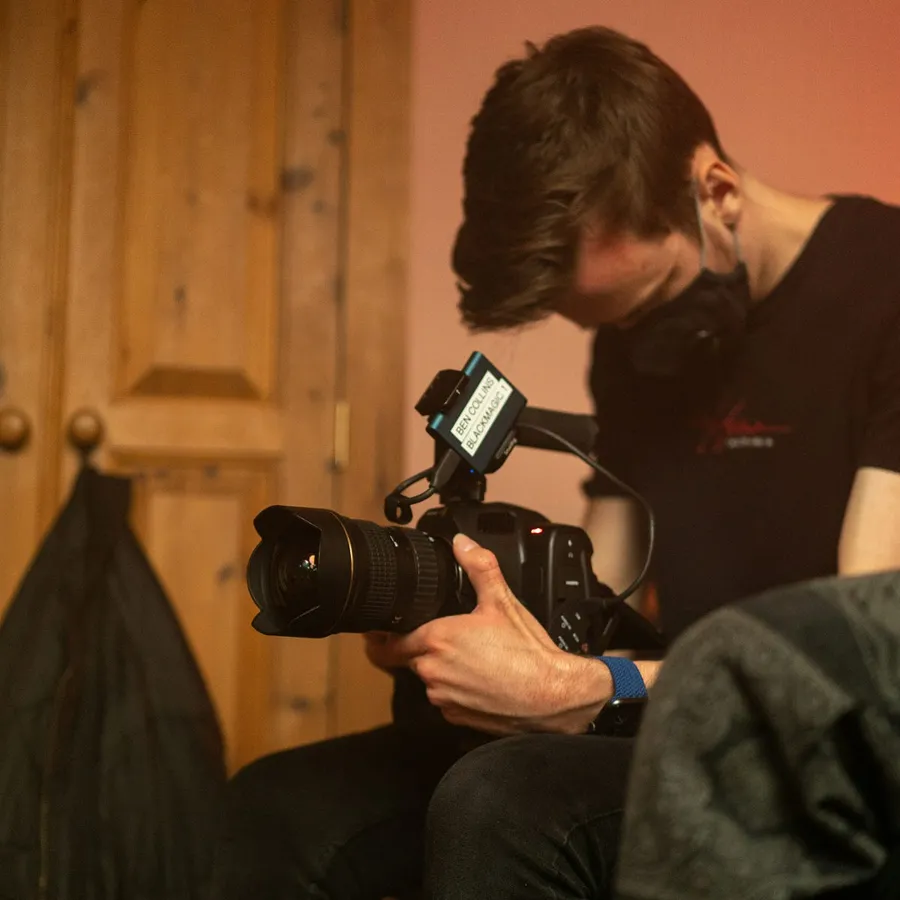
Photo by Dan Senior on Unsplash
3. Short Telephoto Lenses (50mm–85mm)
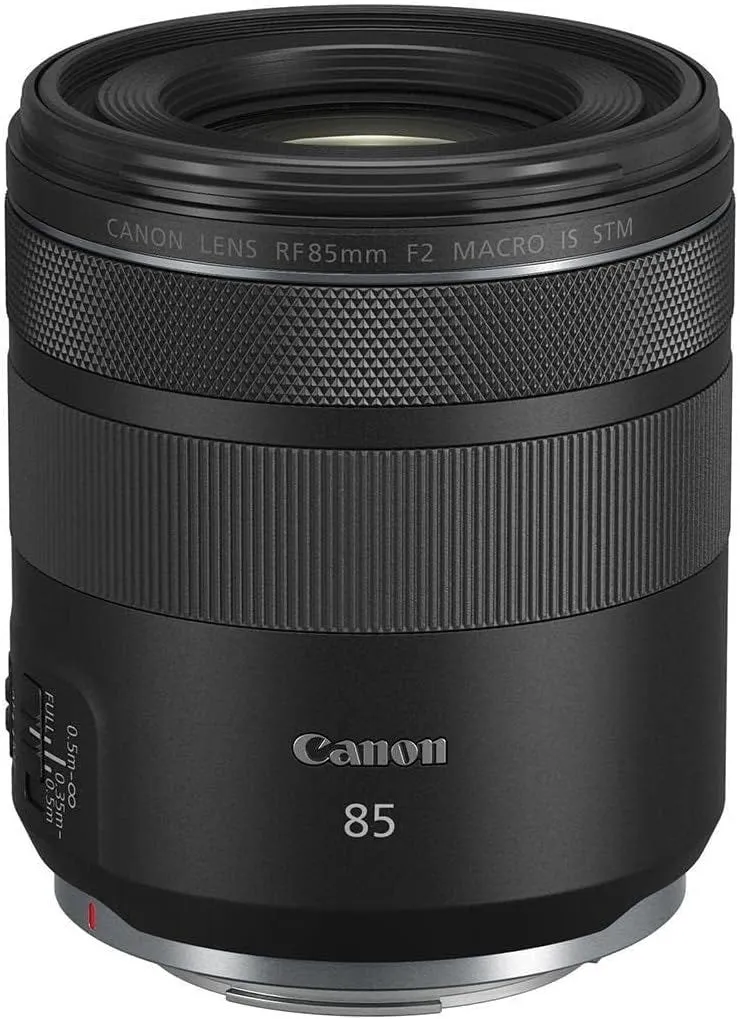
Longer focal lengths like 50mm or 85mm are less common for vlogging but can work for specific styles. They create a cinematic, shallow depth-of-field effect, blurring the background to make you stand out.
- Why It Works: These lenses are flattering for close-ups, as they compress facial features naturally. They’re perfect for polished, studio-style vlogs or when you want a dreamy, cinematic aesthetic.
- My Experience: I experimented with a 50mm f/1.4 lens for a series of “day in the life” vlogs at home. The creamy bokeh was gorgeous, but I needed someone else to hold the camera or a tripod with a long arm to keep myself in frame. It was impractical for solo vlogging on the move, and the narrow field of view cut out most of my surroundings. I quickly shelved this lens for vlogging but kept it for portrait shots.
- Best For: Studio vlogs, beauty content, or when you have a dedicated camera operator.
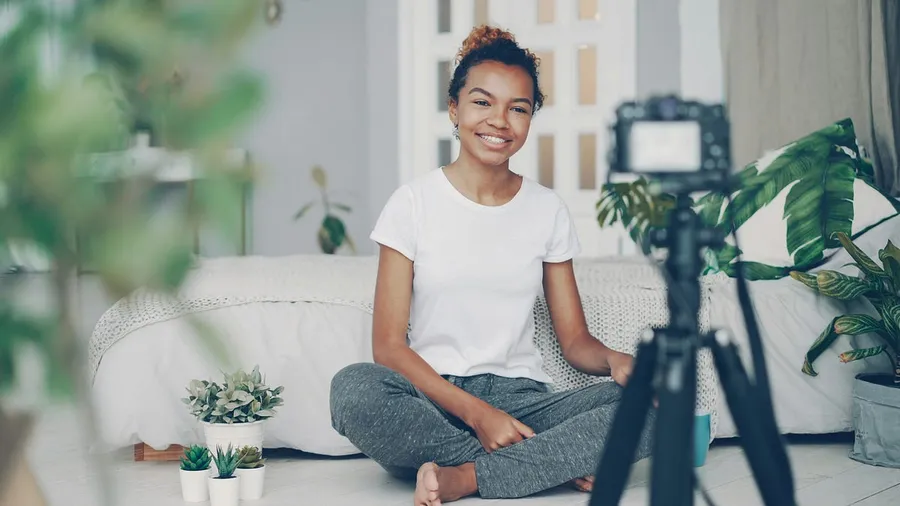
Photo by Vitaly Gariev on Unsplash
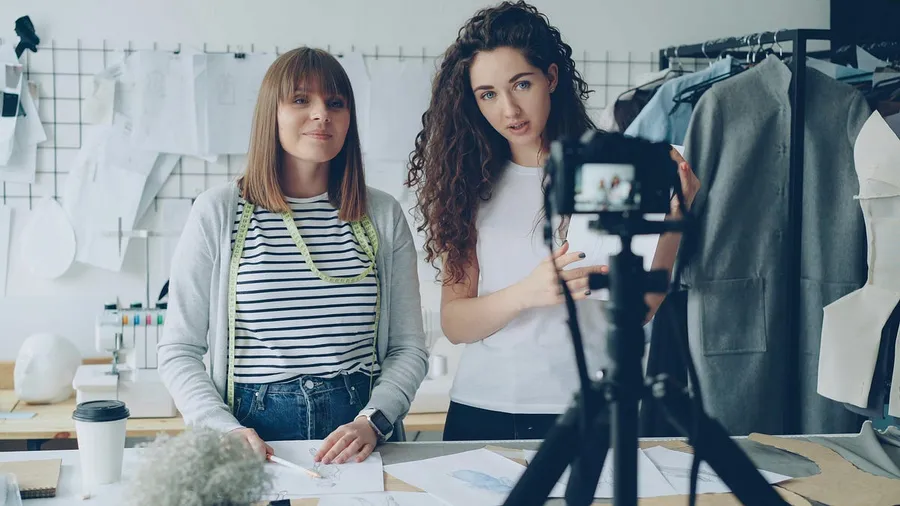
Photo by Vitaly Gariev on Unsplash
My Go-To Focal Length: 24mm
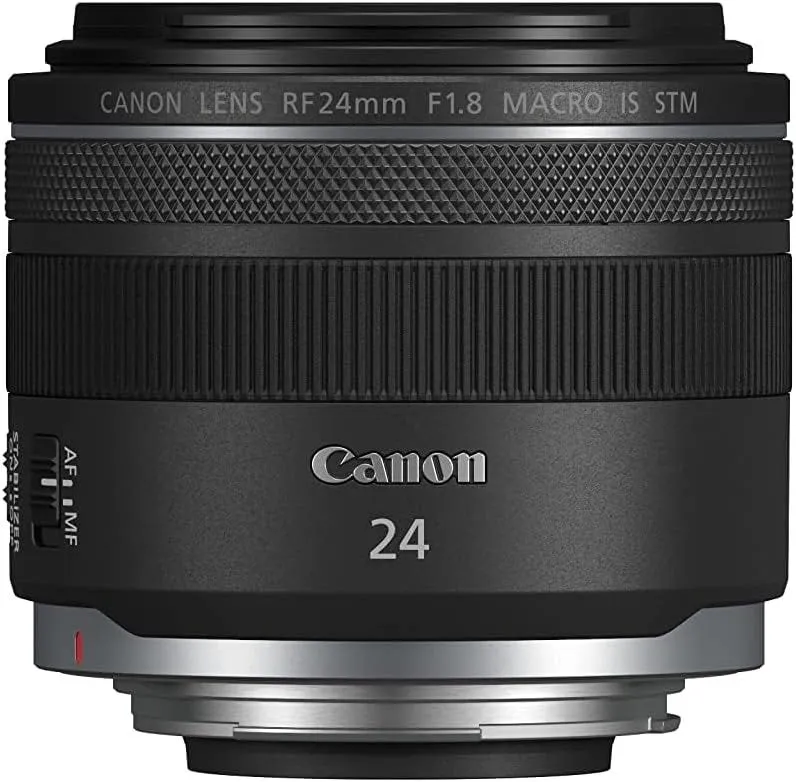
After testing various lenses, I settled on a 24mm focal length (on a full-frame camera, or about 16mm on APS-C) as my vlogging sweet spot. Here’s why:
- Versatility: It’s wide enough to capture context but not so wide that it distorts my face.
- Portability: I can shoot handheld without needing a bulky setup.
- Aesthetic: It strikes a balance between showing the environment and keeping the focus on me.
One memorable moment was vlogging at a sunset beach in Bali with my 24mm lens. The wide field of view captured the golden waves and palm trees, while I stayed sharp in the foreground. That video got more engagement than any other, proving that the right focal length can elevate your storytelling.
Tips for Choosing Your Vlogging Focal Length
Based on my journey, here are some practical tips to help you pick the best focal length:
- Consider Your Vlogging Style: Are you a travel vlogger who needs to show sweeping landscapes? Go for 16mm–24mm. For sit-down chats, 24mm–35mm works better.
- Check Your Camera’s Sensor: Focal lengths behave differently on full-frame vs. crop-sensor cameras. For example, a 24mm lens on an APS-C camera is equivalent to about 36mm on full-frame, so adjust accordingly.
- Test for Distortion: Wide-angle lenses (below 20mm) can distort faces, especially at the edges. Always test your lens to see how it renders your features.
- Think About Stabilization: Wider lenses are more forgiving for handheld shooting. If you’re using a longer focal length, consider a gimbal or tripod.
- Budget Matters: Prime lenses (fixed focal length) like 24mm or 35mm are often cheaper and sharper than zooms. My 24mm f/1.8 was a game-changer without breaking the bank.
Final Thoughts
Finding the best focal length for vlogging is a personal journey, shaped by your style, gear, and the stories you want to tell. For me, the 24mm lens became my trusty companion, blending practicality with visual appeal. Whether you’re filming in a crowded market or a cozy studio, the right focal length can transform your vlogs from amateur to professional.
So, grab your camera, experiment with different lenses, and don’t be afraid to make mistakes — that’s how you’ll find your perfect shot. What’s your go-to focal length for vlogging? Share your thoughts in the comments, and let’s keep the conversation going!
Written by
Marien CartelProfessional and Certified Digital Photographer born in the USA, with 22 years of experience in the field of photography.
Related Guides
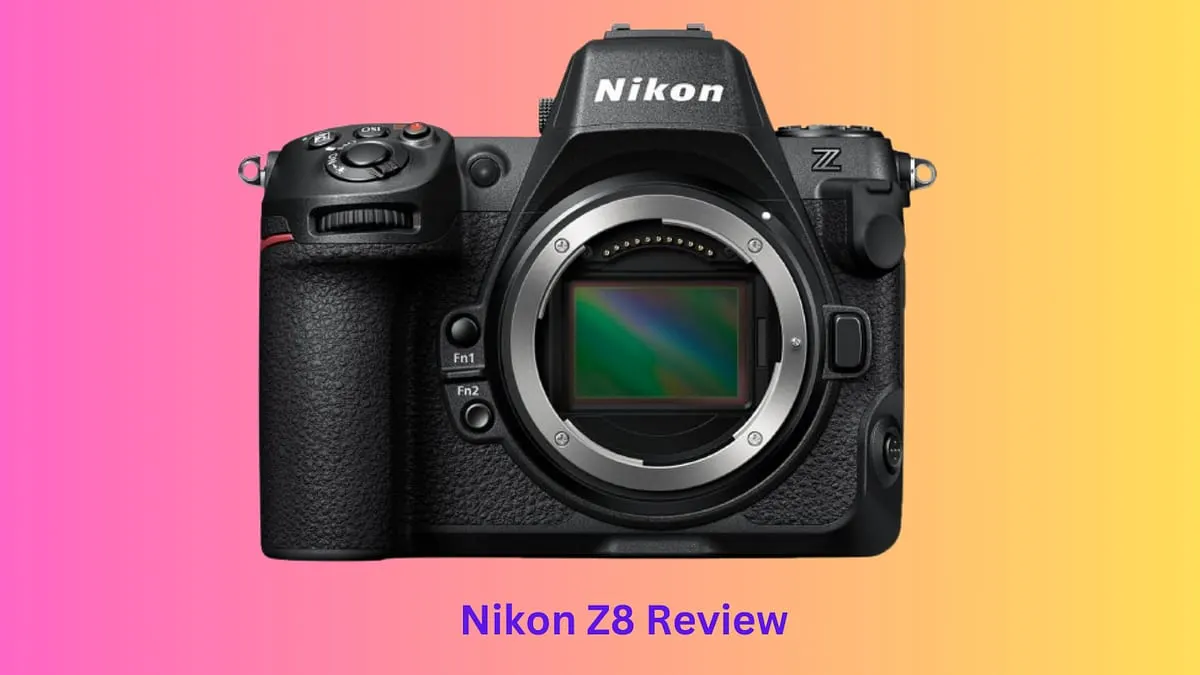
Nikon Z8 Review
A Professional Photographer’s Comprehensive Review — my picks are the Nikon Z8, Canon EOS R5 and Sony a1, with the honest trade-offs of each.
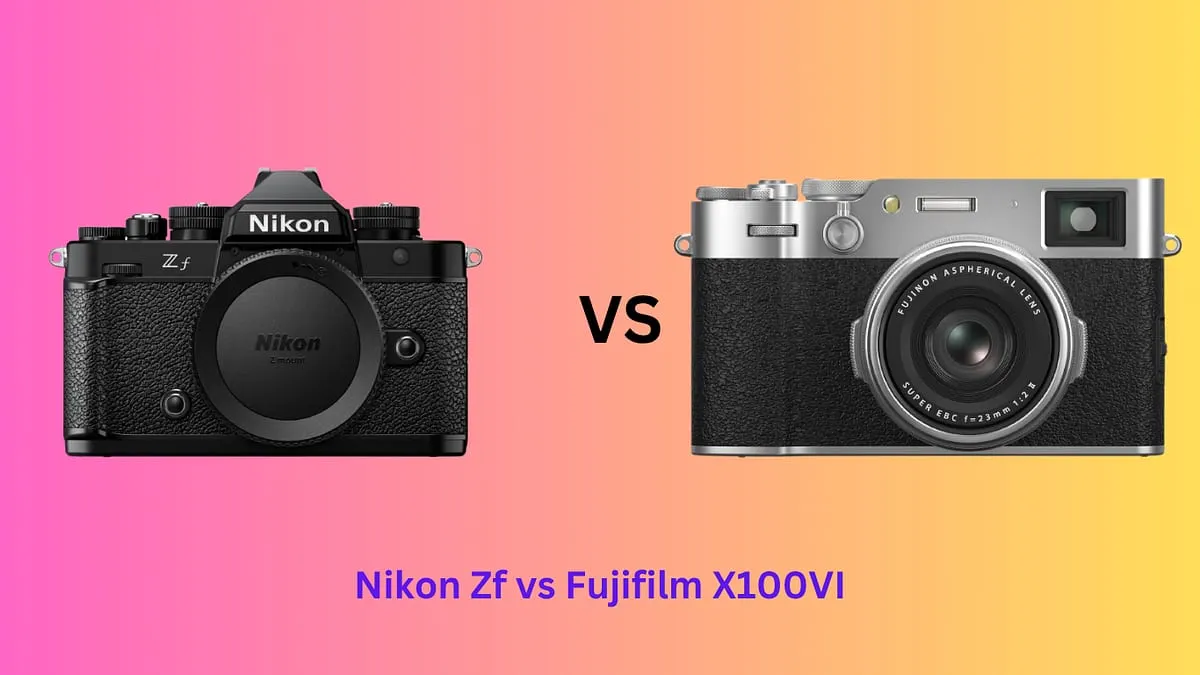
Nikon Zf vs Fujifilm X100VI
The Tactile Dilemma: Why the Fujifilm X100VI and Nikon Zf Forced Me to Rethink Everything
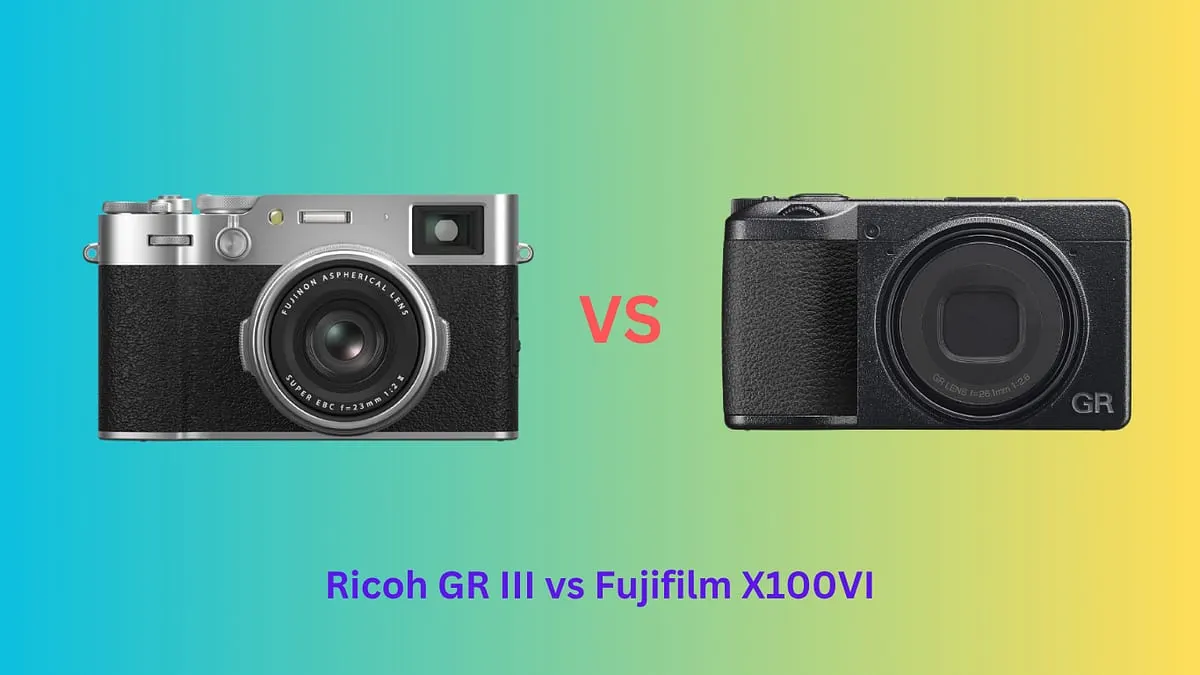
Ricoh GR III vs Fujifilm X100VI
The Camera I Almost Didn’t Buy, and the One I Almost Returned: the Fujifilm X100VI and Ricoh GR III side by side, and the one I would pick myself.