Best Light Meter for Photography
As an Amazon Associate we earn from qualifying purchases. Some links in this guide are affiliate links — see our affiliate disclosure for details.
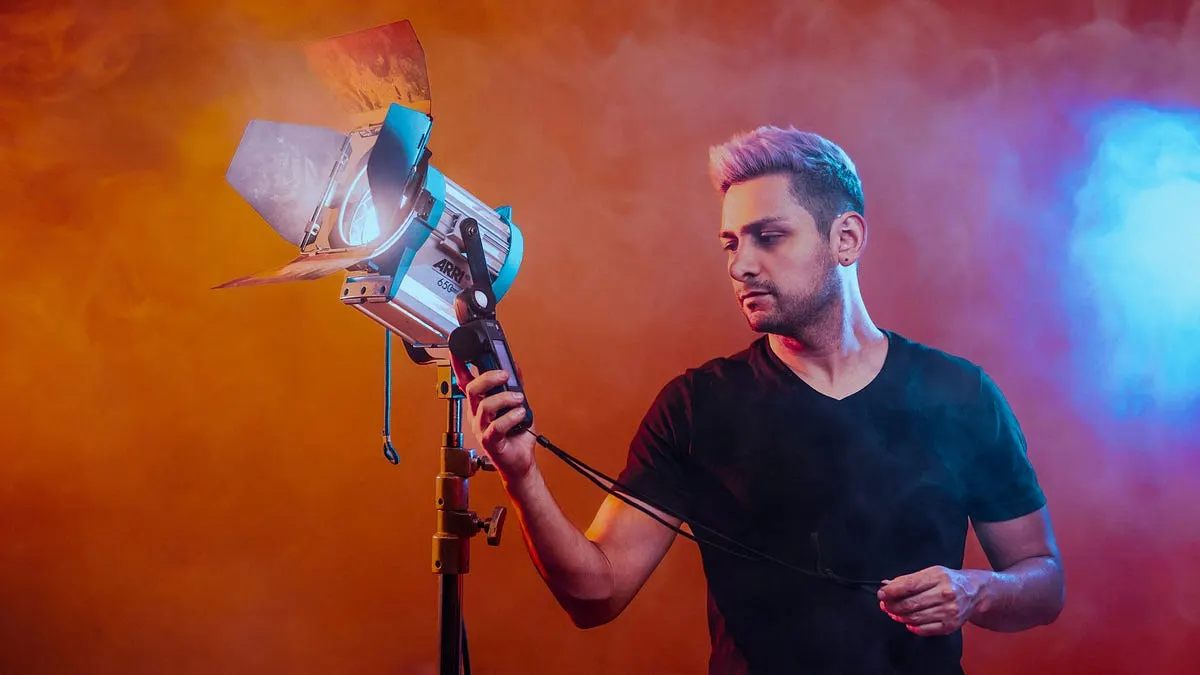
Photo by Ritchie Rodas on Unsplash
As photographers, we’re all chasing that perfect exposure. We want our images to be neither too dark nor too bright, but just right. While modern cameras have sophisticated built-in meters, many photographers, especially those working with film or in challenging lighting situations, rely on a trusty light meter.
My Quick list
- Sekonic L-308X Flashmate: A great all-around meter for both ambient and flash photography.
- Sekonic L-398A Studio Deluxe III: A classic analog meter that doesn’t require batteries.
- Sekonic Speedmaster L-858D-U: An advanced meter with a touchscreen display and a wide range of features.
- TTArtisan Light Meter II: A compact and affordable option for film photographers.
- Gossen Digisix 2: Best light meter for beginners.
What is a Light Meter?
A light meter is a device that measures the amount of light in a scene. It provides precise readings that allow photographers to set the correct aperture, shutter speed, and ISO for optimal exposure.
Why Use a Light Meter?
- Accuracy: Light meters provide more accurate readings than in-camera meters, especially in tricky lighting situations like high-contrast scenes, backlighting, or when working with flash.
- Consistency: Using a light meter ensures consistent exposure across a series of shots, which is crucial for film photography and time-lapse sequences.
- Control: Light meters give photographers more control over their images, allowing them to make informed decisions about exposure and create specific moods or effects.
Types of Light Meters
There are two main types of light meters:
- Incident Light Meters: These meters measure the amount of light falling on the subject. They have a white dome or disc that is pointed towards the camera. Incident light meters are useful for determining the overall exposure of a scene and ensuring that the subject is properly exposed.
- Reflected Light Meters: These meters measure the amount of light reflected by the subject. They are pointed towards the subject and read the light that bounces off its surface. Reflected light meters are commonly found in cameras.
I’ll never forget the first time I truly understood the power of a light meter. I was shooting a portrait of a friend against a sunset backdrop. The in-camera meter was fooled by the bright sky, and my friend’s face was consistently underexposed. Frustrated, I pulled out an old Sekonic L-398A Studio Deluxe III that I had picked up at a flea market.
Using the incident light method, I took a reading by placing the meter in front of my friend’s face, pointing it back towards the camera. The reading indicated that I needed to open up my aperture by two stops to properly expose her. I made the adjustment, and voilà! The resulting image was perfectly exposed, with a warm, glowing sunset in the background and my friend’s face beautifully illuminated.
That day, I learned a valuable lesson: while in-camera meters are convenient, they can be easily tricked. A dedicated light meter, on the other hand, provides accurate and reliable readings, giving you the confidence to capture the perfect exposure every time.
Modern Light Meter Features
Today’s light meters come with a range of advanced features, including:
- Digital displays: For easy-to-read measurements.
- Flash metering: To measure the output of electronic flashes.
- Spot metering: To measure the light in a very specific area of the scene.
- Color temperature measurement: To ensure accurate color reproduction.
- Wireless connectivity: To remotely trigger flashes and control camera settings.
Choosing the Right Light Meter
The best light meter for you will depend on your specific needs and shooting style. Consider the following factors when making your selection:
- Type: Do you prefer incident or reflected metering?
- Features: What features are important to you, such as flash metering, spot metering, or color temperature measurement?
- Budget: Light meters range in price from affordable to professional-grade.
- Size and weight: Do you need a compact and lightweight meter that you can easily carry around?
Light Meter Apps
In addition to dedicated light meters, there are also many excellent light meter apps available for smartphones. While not as accurate as professional-grade meters, these apps can be a useful tool for casual photographers or those on a budget.
Conclusion
A light meter is an invaluable tool for any photographer who wants to achieve accurate and consistent exposures. Whether you’re a seasoned professional or a beginner, a light meter can help you take your photography to the next level. By understanding how light meters work and how to use them effectively, you can master the art of exposure and capture stunning images in any lighting situation.
Written by
Marien CartelProfessional and Certified Digital Photographer born in the USA, with 22 years of experience in the field of photography.
Related Guides
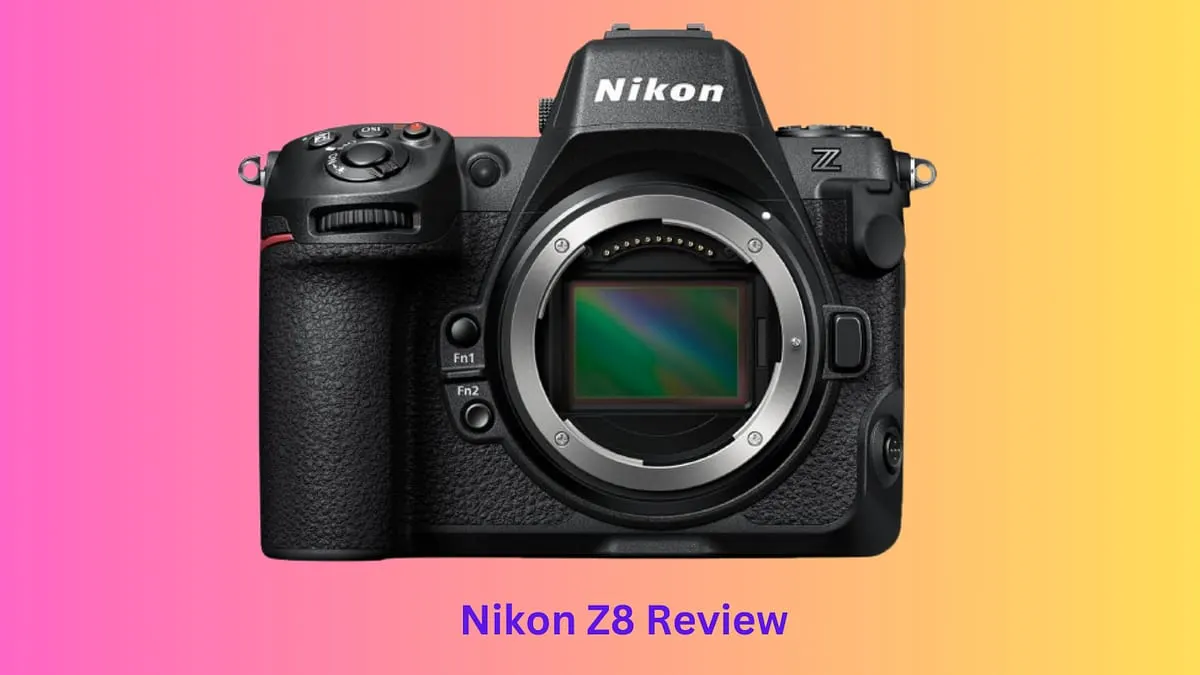
Nikon Z8 Review
A Professional Photographer’s Comprehensive Review — my picks are the Nikon Z8, Canon EOS R5 and Sony a1, with the honest trade-offs of each.
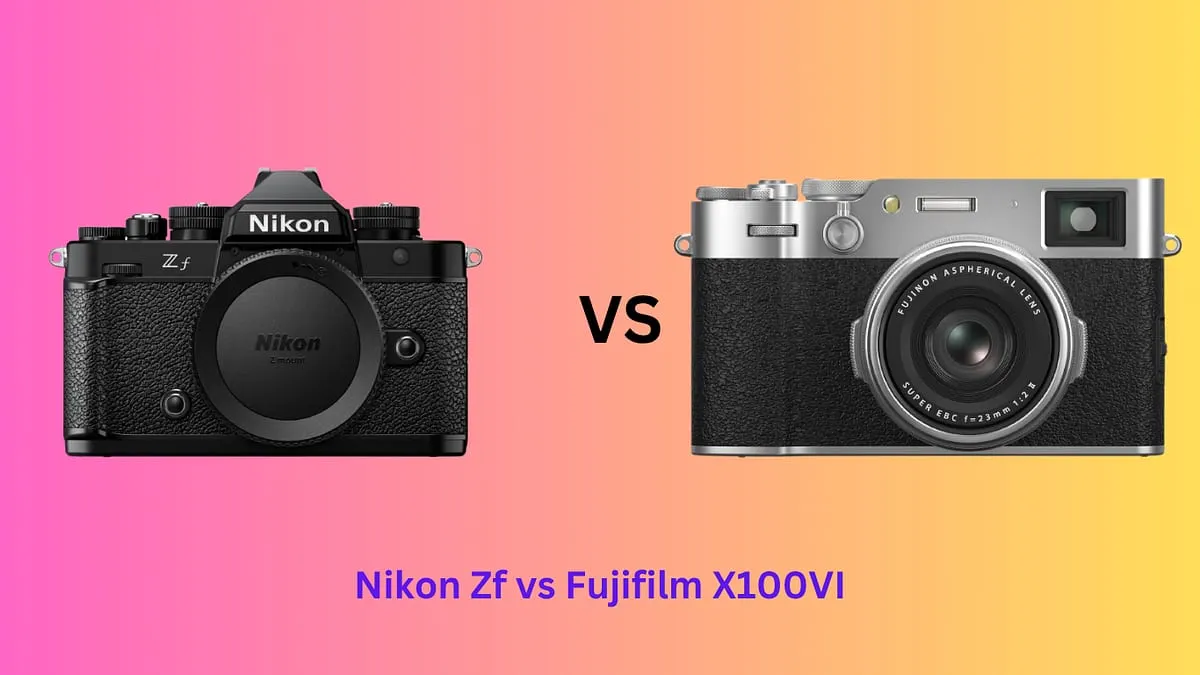
Nikon Zf vs Fujifilm X100VI
The Tactile Dilemma: Why the Fujifilm X100VI and Nikon Zf Forced Me to Rethink Everything
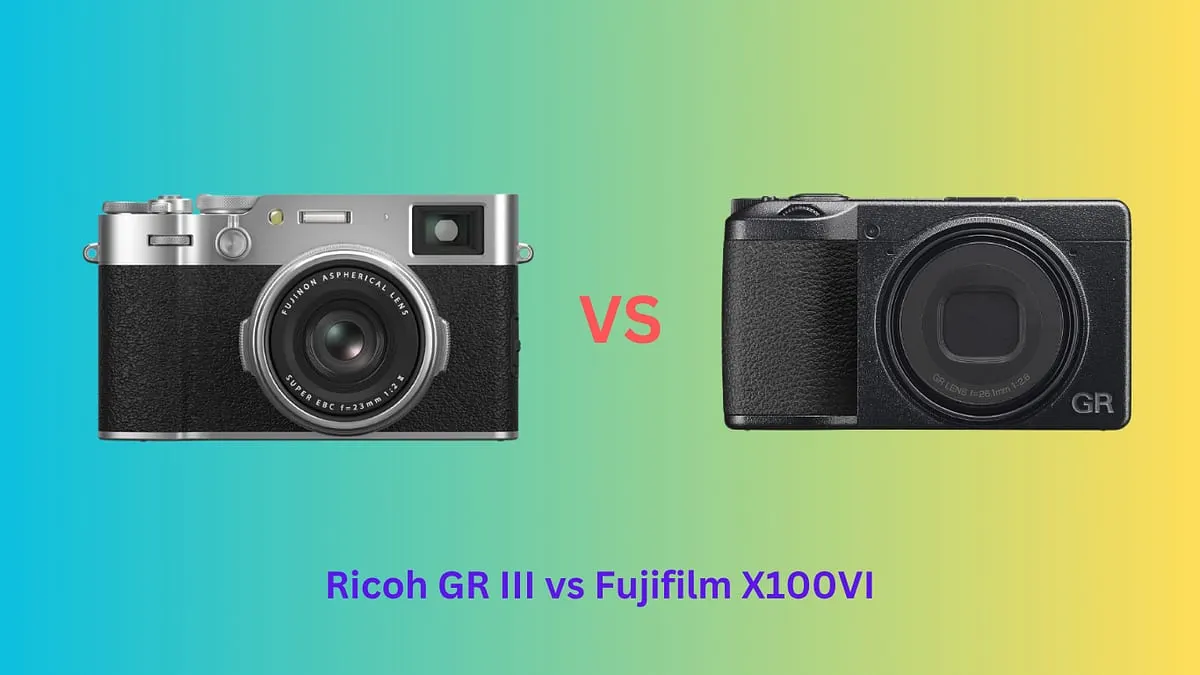
Ricoh GR III vs Fujifilm X100VI
The Camera I Almost Didn’t Buy, and the One I Almost Returned: the Fujifilm X100VI and Ricoh GR III side by side, and the one I would pick myself.