Canon R5 Vs R6
As an Amazon Associate we earn from qualifying purchases. Some links in this guide are affiliate links — see our affiliate disclosure for details.
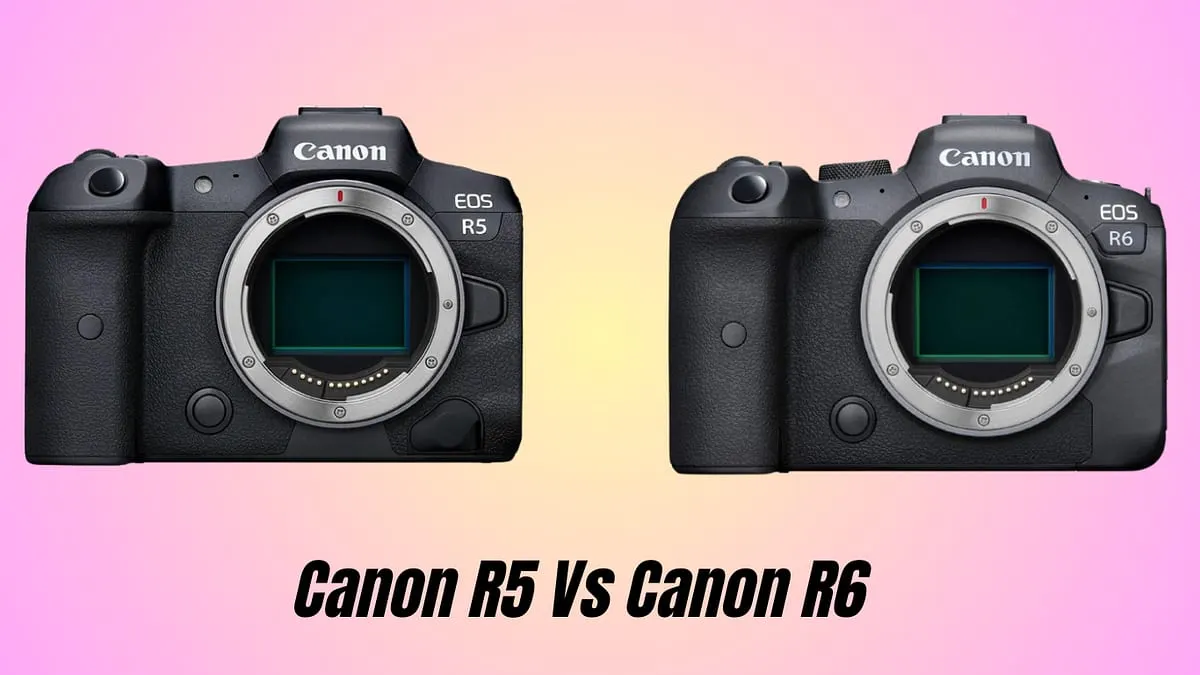
The main difference between the Canon EOS R5 and R6 is the resolution of their sensors, with the R5 boasting a significantly higher 45MP compared to the R6’s 20MP, making the R5 ideal for photographers needing extreme detail and large prints, while the R6 is better suited for low-light situations due to its larger individual pixel size and is considered a good choice for enthusiast photographers who prioritize versatility and ease of use; both cameras share similar autofocus capabilities and advanced video features, but the R5 offers higher resolution video options like 8K recording.
When it comes to choosing between the Canon R5 and R6, the decision can feel overwhelming. Both cameras are exceptional, but they cater to slightly different needs and budgets. As someone who has spent countless hours shooting with both, I want to share my personal experience to help you decide which one might be the right fit for you.
- Canon R5 — View on Amazon
- Canon R6 — View On Amazon
The Backstory: Why I Needed an Upgrade
A few years ago, I was shooting with a Canon 5D Mark IV. It was a reliable workhorse, but as my photography and videography projects grew more demanding, I started feeling its limitations. I needed better autofocus, higher resolution, and the ability to shoot 4K video without cropping. That’s when I started researching the Canon R5 and R6.
At first, I was torn. The R5 seemed like the ultimate dream camera, but the R6 was more affordable and still packed a punch. After weeks of deliberation, I decided to rent both cameras for a week to test them in real-world scenarios. Here’s what I discovered.
Canon R5: The King of Resolution and Versatility
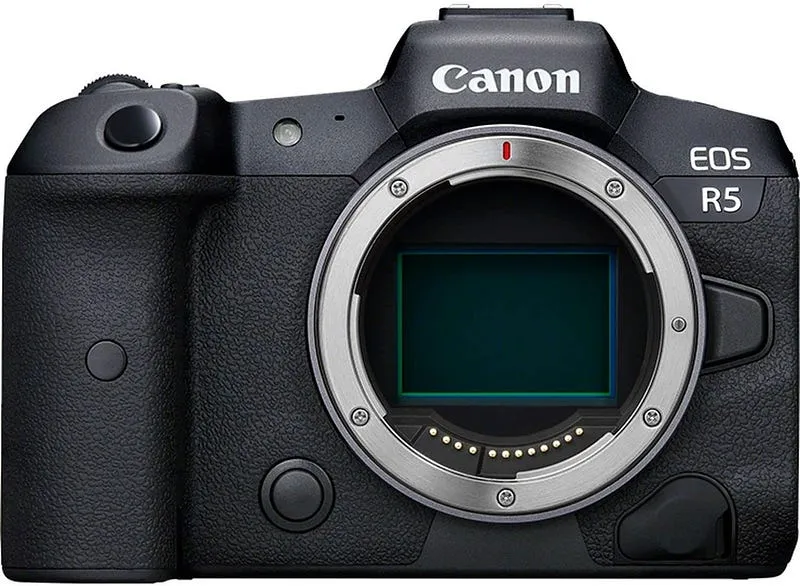
The Canon R5 is a beast. With its 45-megapixel sensor, it delivers stunningly detailed images that are perfect for large prints or heavy cropping. I remember the first time I took it out for a landscape shoot. The level of detail in the rocks, trees, and water was breathtaking. It felt like I was seeing the scene in a whole new light.
The R5 also excels in video. The ability to shoot 8K RAW was mind-blowing, even though I rarely needed it. What I loved most was the 4K 120fps slow-motion capability. I used it to film a friend’s skateboarding session, and the results were cinematic and smooth. The autofocus tracked his movements flawlessly, even in challenging lighting conditions.
However, the R5 isn’t without its quirks. The camera can overheat during extended video sessions, especially in 8K or 4K 120fps. I learned to manage this by shooting in shorter bursts or using an external recorder, but it’s something to keep in mind if you’re a heavy video user.
Canon R6: The Affordable All-Rounder
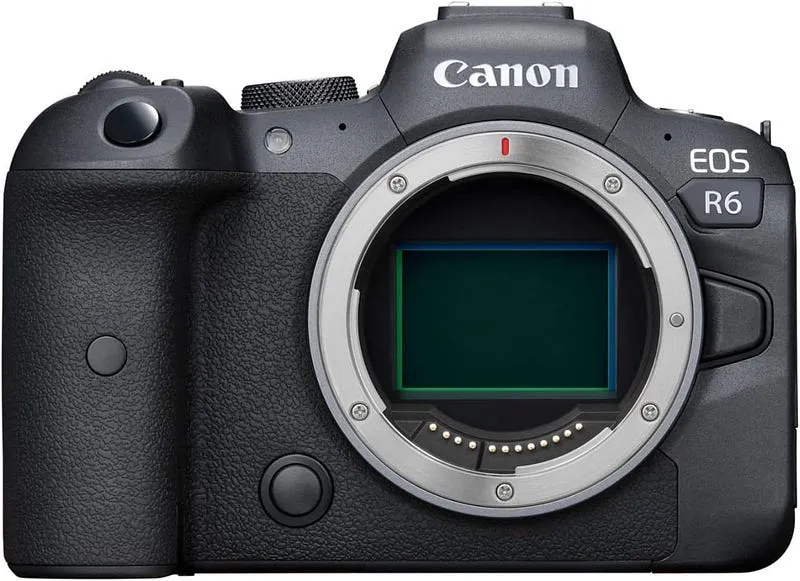
The Canon R6, on the other hand, is a more practical choice for many photographers. Its 20-megapixel sensor might seem modest compared to the R5, but it’s more than enough for most applications. I took the R6 on a portrait shoot, and the images were sharp, with beautiful skin tones and excellent dynamic range.
Where the R6 really shines is its low-light performance. I shot a wedding reception in a dimly lit barn, and the R6 handled it like a champ. The dual pixel autofocus locked onto the subjects’ eyes, even in near darkness, and the images were clean with minimal noise at ISO 6400.
For video, the R6 is no slouch either. It shoots 4K up to 60fps without overheating issues, making it a more reliable choice for long recording sessions. I used it to film a short documentary, and the footage was crisp and professional-looking.
The Decision: Which One Did I Choose?
After testing both cameras, I ultimately went with the Canon R5. The higher resolution and advanced video features were too good to pass up, especially since I often shoot landscapes and need the flexibility to crop heavily. That said, I completely understand why someone would choose the R6. It’s an incredible camera at a more accessible price point, and it performs exceptionally well in most situations.
Key Differences at a Glance
Sensor Resolution:
- The Canon R5 boasts a 45-megapixel sensor, making it ideal for high-resolution needs like landscape photography or heavy cropping.
- The Canon R6 features a 20-megapixel sensor, which is more than enough for most everyday shooting scenarios and offers excellent low-light performance.
Video Capabilities:
- The R5 is a video powerhouse, offering 8K RAW and 4K 120fps slow-motion recording, perfect for filmmakers who need top-tier video quality.
- The R6 shoots 4K up to 60fps, making it a more practical choice for videographers who don’t require 8K but still want professional-grade footage.
Low-Light Performance:
- Both cameras perform well in low light, but the R6 has a slight edge due to its lower megapixel count, which allows for cleaner images at higher ISOs.
- The R5 still delivers excellent low-light results, but the higher resolution can introduce slightly more noise in extreme conditions.
Price:
- The R5 is significantly more expensive, reflecting its advanced features and higher resolution.
- The R6 is more affordable, offering incredible value for photographers and videographers who don’t need the R5’s cutting-edge specs.
Overheating Concerns:
- The R5 can overheat during extended 8K or 4K 120fps recording sessions, which may require careful management or external cooling solutions.
- The R6 is more reliable for longer video shoots, with fewer overheating issues, making it a better choice for extended use.
Final Thoughts
Both the Canon R5 and R6 are fantastic cameras, and you can’t go wrong with either. If you need the highest resolution and cutting-edge video features, the R5 is worth the investment. But if you’re looking for a more budget-friendly option that still delivers excellent performance, the R6 is a solid choice.
For me, the R5 has been a game-changer. It’s pushed my creativity to new heights and allowed me to capture moments with incredible detail and clarity. But I’ll always have a soft spot for the R6 — it’s a camera that proves you don’t need to break the bank to get professional-quality results.
Whichever you choose, happy shooting! Let me know in the comments which one you’re leaning toward and why. I’d love to hear your thoughts!

Photo by Janan Lagerwall on Unsplash

Photo by Steffi Pereira on Unsplash
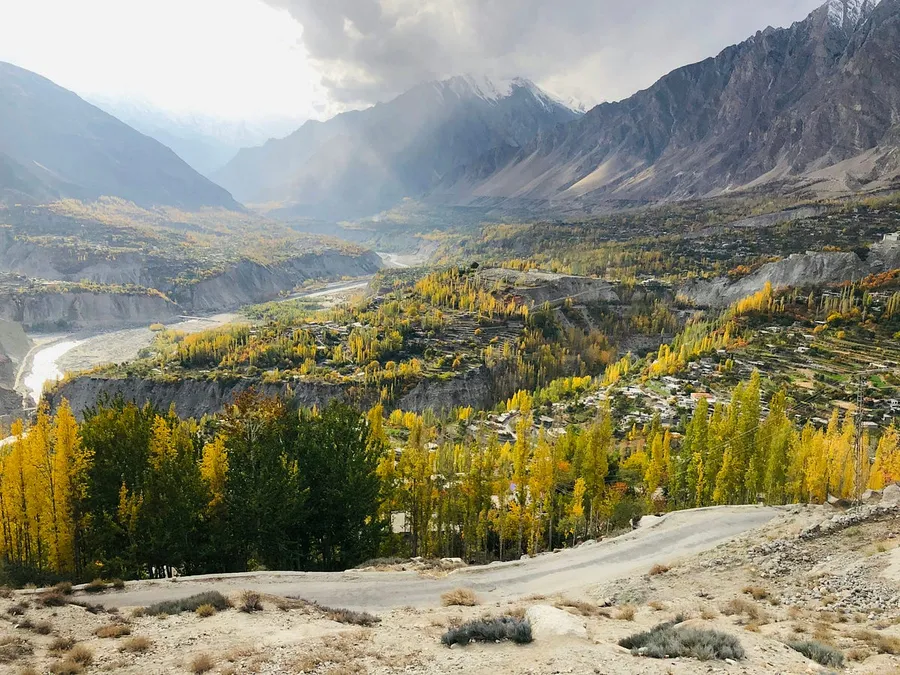
Photo by Anas Najam on Unsplash

Written by
Marien CartelProfessional and Certified Digital Photographer born in the USA, with 22 years of experience in the field of photography.
Related Guides
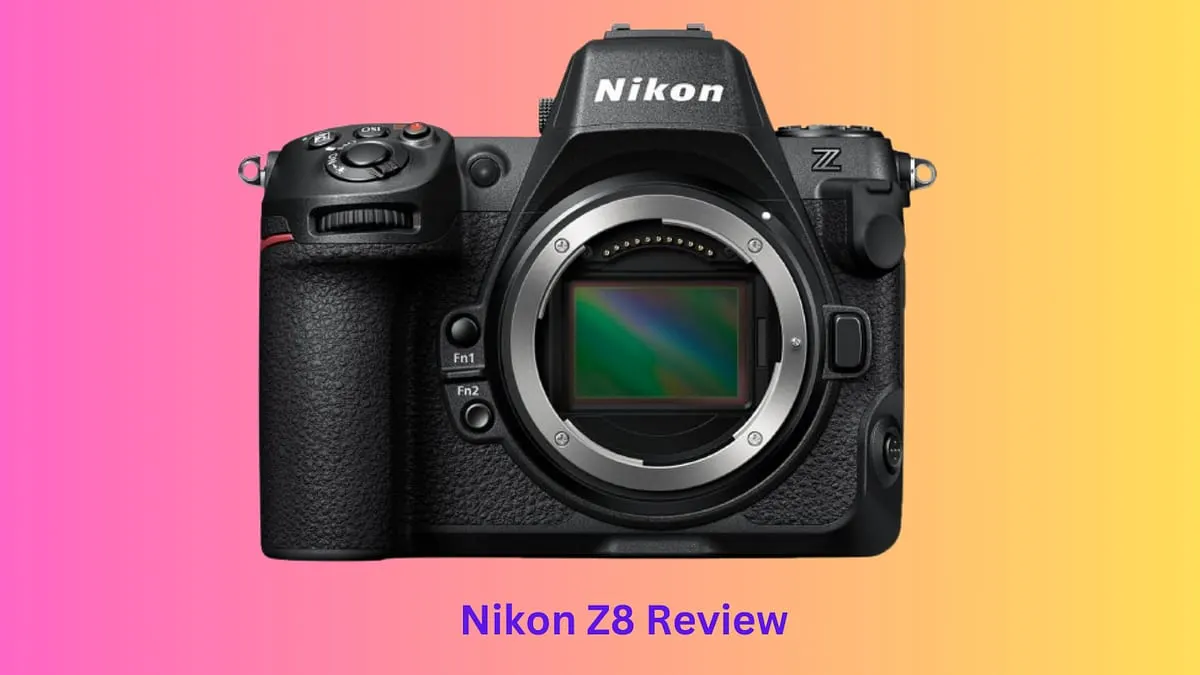
Nikon Z8 Review
A Professional Photographer’s Comprehensive Review — my picks are the Nikon Z8, Canon EOS R5 and Sony a1, with the honest trade-offs of each.
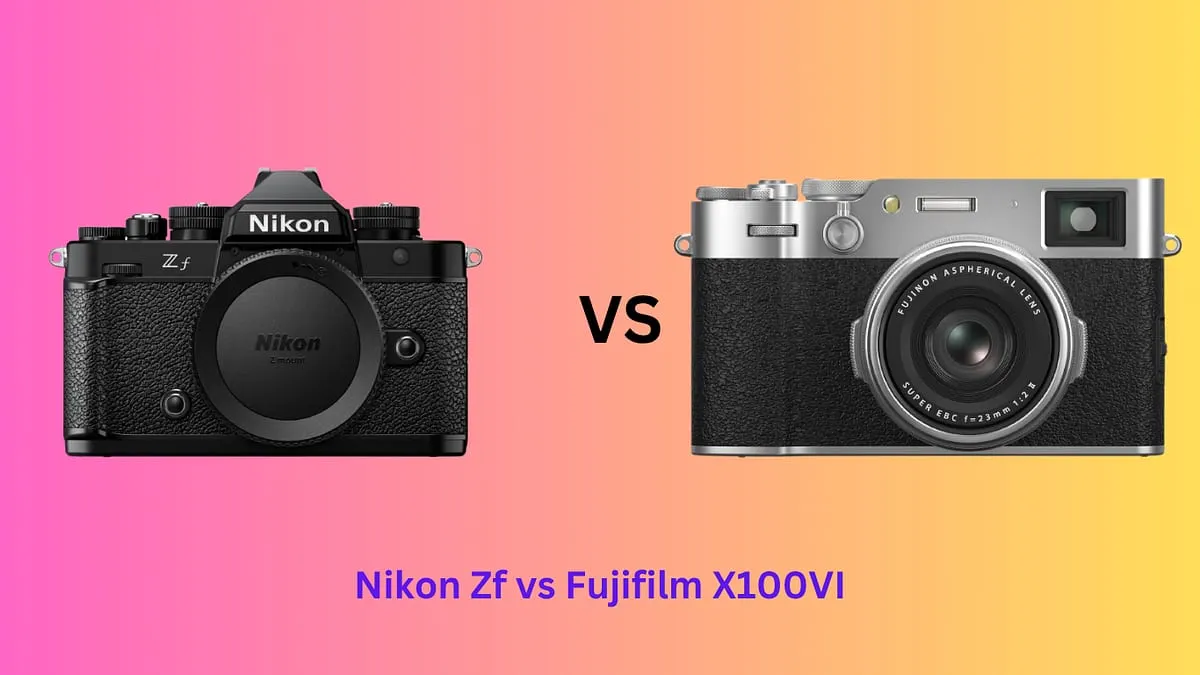
Nikon Zf vs Fujifilm X100VI
The Tactile Dilemma: Why the Fujifilm X100VI and Nikon Zf Forced Me to Rethink Everything
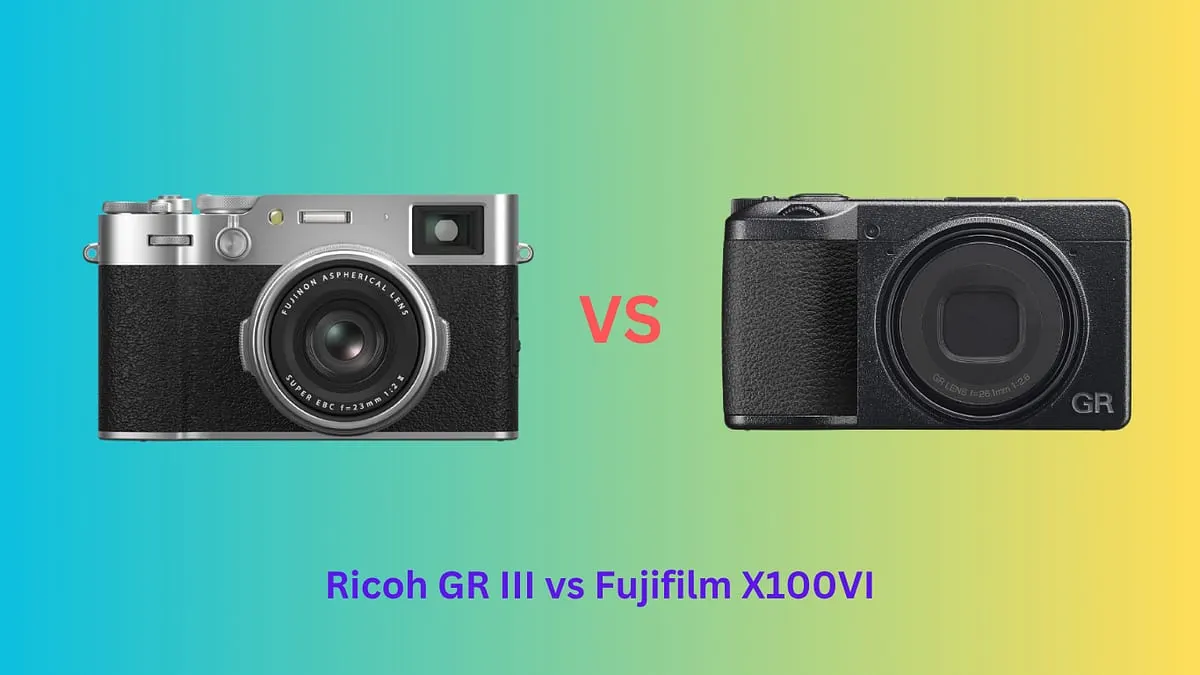
Ricoh GR III vs Fujifilm X100VI
The Camera I Almost Didn’t Buy, and the One I Almost Returned: the Fujifilm X100VI and Ricoh GR III side by side, and the one I would pick myself.