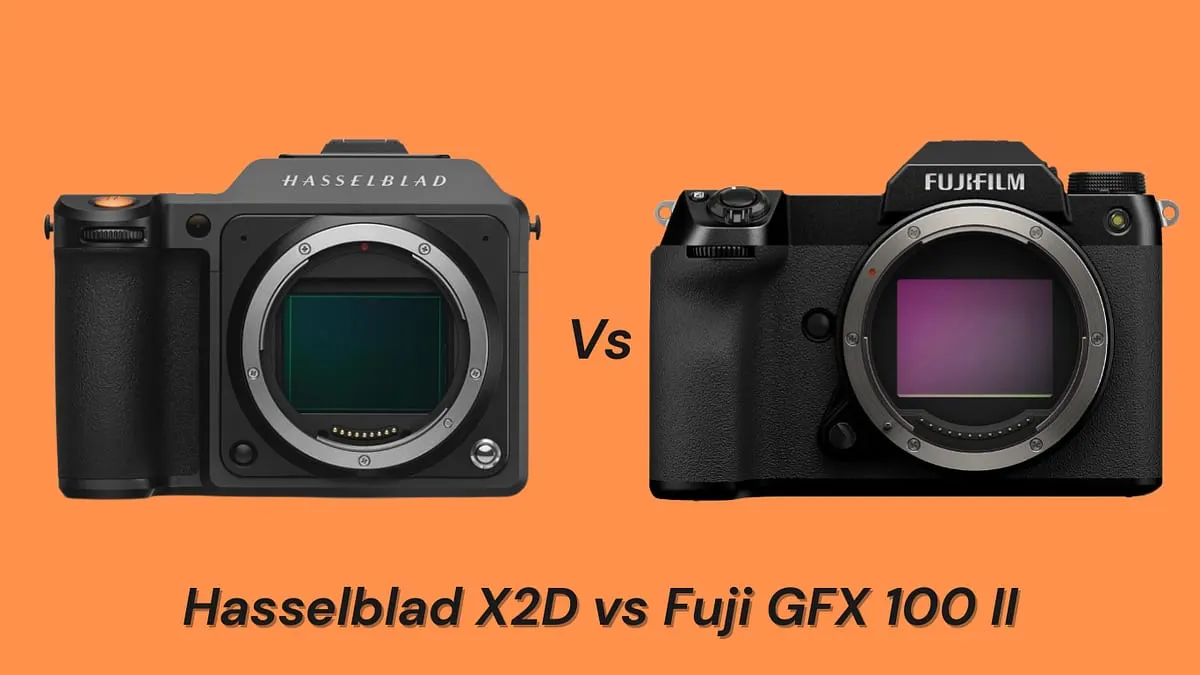
Hasselblad X2D vs Fuji GFX 100 II
As an Amazon Associate we earn from qualifying purchases. Some links in this guide are affiliate links — see our affiliate disclosure for details.
There’s a question that haunts every photographer who flirts with medium format: is it about the soul of the image, or the sheer power to capture it? For the past year, I’ve lived with two cameras that represent the two clearest answers to that question: the sublime Hasselblad X2D and the formidable Fujifilm GFX 100 II.
This isn’t just a specs comparison. This is the story of my creative crisis, and how two incredible machines helped me find my way back.
The Siren’s Call: Falling for the Hasselblad X2D
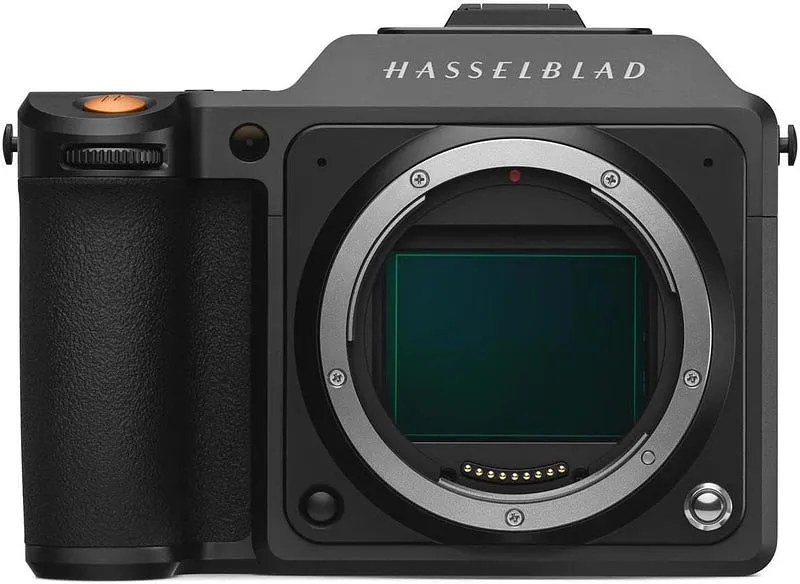
It started with the Hasselblad. I’d been a full-frame shooter for years, but I felt a growing hunger for something… more. More depth. More texture. Something that felt less like a digital file and more like a tangible object. The X2D, with its gorgeous Swedish design, the promise of that legendary color science, and that breathtaking 1TB internal SSD, felt less like a camera and more like a destiny.
When it finally arrived, it did not disappoint. Holding it was a ritual. The cold, solid metal. the satisfying thunk of the shutter. The gorgeous, high-resolution EVF that felt like a window into another world. Using the X2D forced me to slow down. There’s no burst shooting to speak of. It’s a contemplative instrument. You compose, you breathe, you wait for the light, and you click. One shot.
The files? Oh, the files. They are everything they promised. The colors are deep, rich, and nuanced straight out of camera. Skin tones are miraculously lifelike. The dynamic range is so forgiving it feels like cheating. Editing a Hasselblad RAW file isn’t correction; it’s revelation. You’re just uncovering what’s already, perfectly, there. For my personal landscape and portrait work, it was a love affair. Every image felt like a piece of art.
But then, I landed a commercial project that involved travel, fast-moving subjects, and unpredictable conditions. And my beautiful, perfect Hasselblad started to feel… stubborn.
The Reality Check: When Love Isn’t Enough
The X2D’s autofocus, while improved, is methodical, not frantic. It hunts in low light. That glorious slow pace became a liability when trying to capture a fleeting expression or a quickly changing scene. The lack of a solid video feature set (a feature I admittedly thought I didn’t care about) became a problem when a client asked for just “a few B-roll clips.”
I found myself missing shots. I was stressed, not inspired. The tool I loved for its artistry was holding back my business. I realized I needed a powerhouse. Enter the Fujifilm GFX 100 II.
The Powerhouse Arrives: The Fuji GFX 100 II
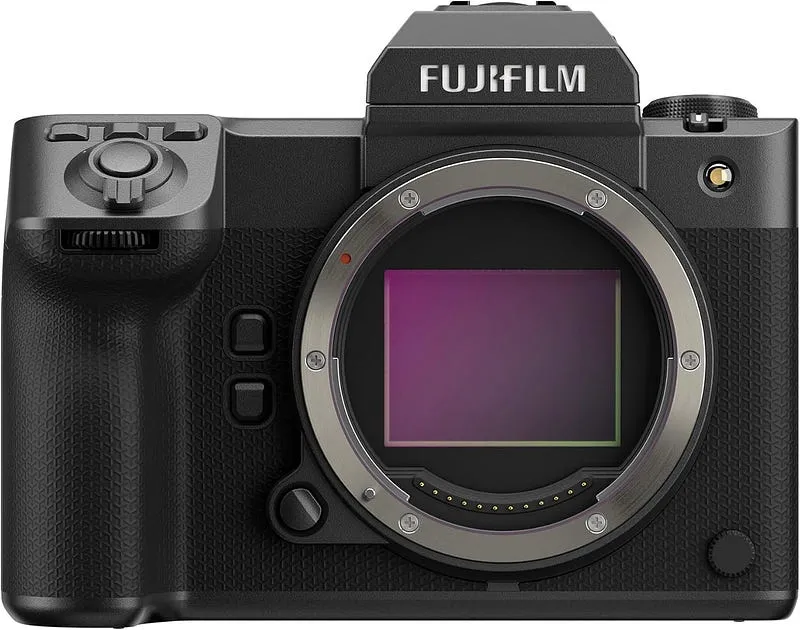
The GFX 100 II doesn’t whisper “art” like the Hasselblad. It shouts “capability.” It looks and feels like a super-sized X-T5, which is to say it’s incredibly well-designed but purposefully functional. It’s a tool, first and foremost.
From the first click, the difference was staggering. The phase-detection autofocus is lightning fast and tenacious. It locks onto eyes and tracks them like a high-end sports camera. The 8fps burst mode (with a buffer that actually manages it) meant I could confidently shoot action. And the 8-stops of in-body image stabilization is nothing short of black magic, allowing me to handhold shots at shutter speeds I’d never dream of with the Blad.
And then there’s video: 8K? ProRes? It’s a full-on cinema camera that also happens to have a massive 102-megapixel sensor. The files are incredibly detailed and clean. But… they’re different.
The Personal Showdown: Sensor vs. Soul
Shooting with the GFX 100 II is exhilarating. It removes limitations. It tells you, “You can do anything.” I got the shots I missed. I delivered for my client and then some. The power is intoxicating.
But in my quiet editing time, I noticed something. The Fuji files, while technically flawless, felt a bit… clinical. The colors are excellent, but they require more work to get to that “feeling” I got instantly from the Hasselblad. The Fuji is a chameleon; it can be anything you want it to be. The Hasselblad is just… itself. And its self is beautiful.
It wasn’t that the Fuji was worse. It was different. It was optimized for flexibility and performance, while the Hasselblad is optimized for a specific, sublime output.
The Verdict: Which One is For You?
So, which one did I choose? I did the completely irrational, financially questionable thing: I kept both.
Because for me, they answer two different needs:
The Hasselblad X2D is my heart. It’s for the projects that are purely mine. For the days I want to slow down, connect with my subject, and create a single, perfect frame. It’s for when the journey of making the image is as important as the image itself. It’s an artist’s brush.
The Fujifilm GFX 100 II is my hustle. It’s for the professional jobs where reliability, speed, and versatility are non-negotiable. It’s for when I need to be a hybrid shooter, a action photographer, and a technical master all in one day. It’s a surgeon’s scalpel.
If your photography is a meditation, a pursuit of the ultimate image quality and color in a controlled environment, the Hasselblad X2D will fill your soul. If your photography is a battle, requiring you to adapt, overcome, and conquer any shooting scenario with brutal efficiency, the Fujifilm GFX 100 II is your weapon.
For me, the struggle between heart and hustle is the defining tension of a creative life. And for now, I’m grateful to have two of the greatest tools ever made, each guarding one of those flanks. The real winner, in the end, is me. And honestly, it’s you too, because we live in a time where we have choices this good.

Photo by Alain Bonnardeaux on Unsplash
Photo by Jan Canty on Unsplash

Photo by Konrad Koller on Unsplash

Photo by Artur Ament on Unsplash

Written by
Marien CartelProfessional and Certified Digital Photographer born in the USA, with 22 years of experience in the field of photography.
Related Guides
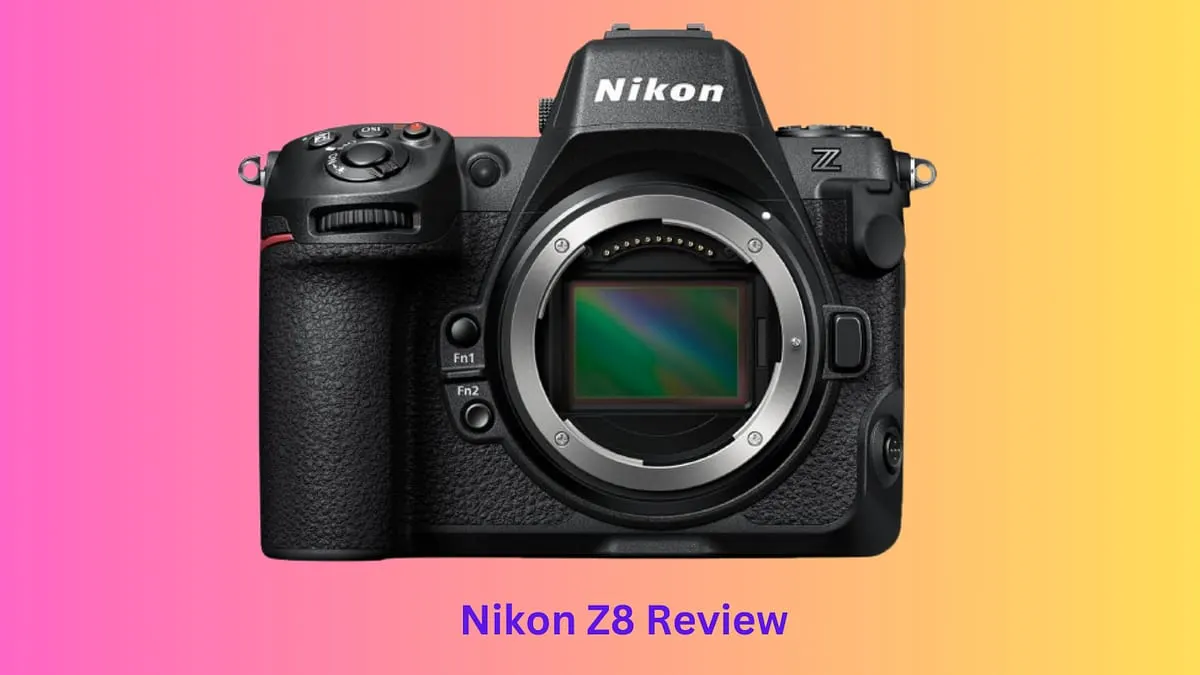
Nikon Z8 Review
A Professional Photographer’s Comprehensive Review — my picks are the Nikon Z8, Canon EOS R5 and Sony a1, with the honest trade-offs of each.
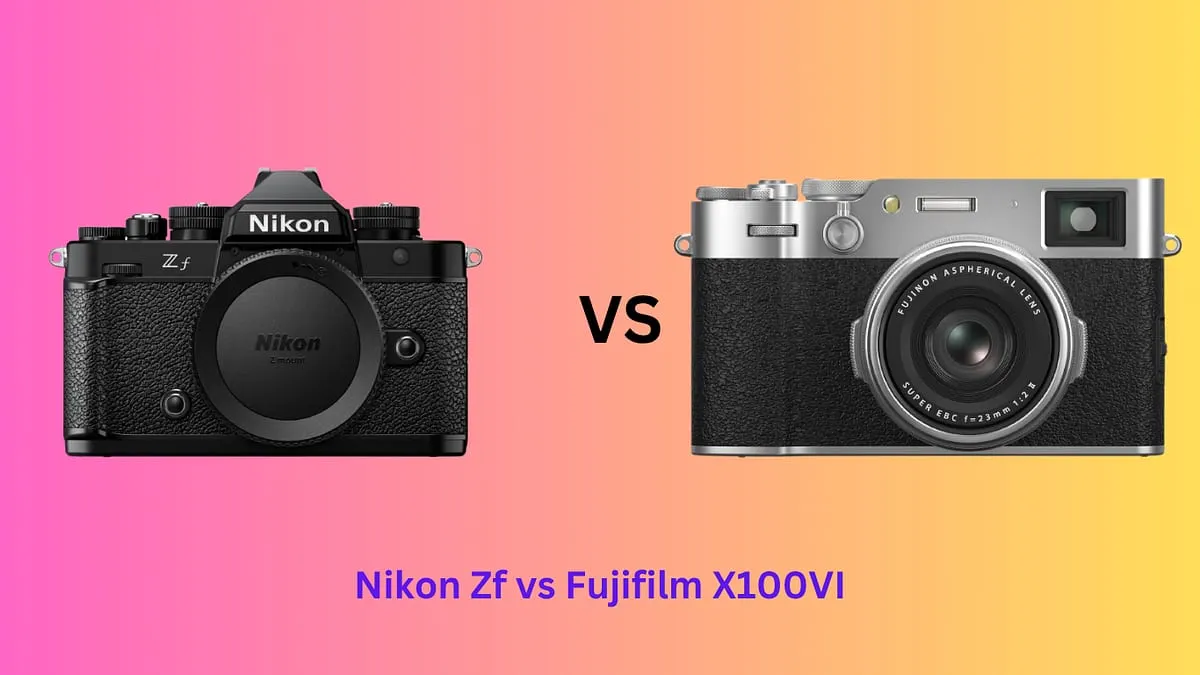
Nikon Zf vs Fujifilm X100VI
The Tactile Dilemma: Why the Fujifilm X100VI and Nikon Zf Forced Me to Rethink Everything
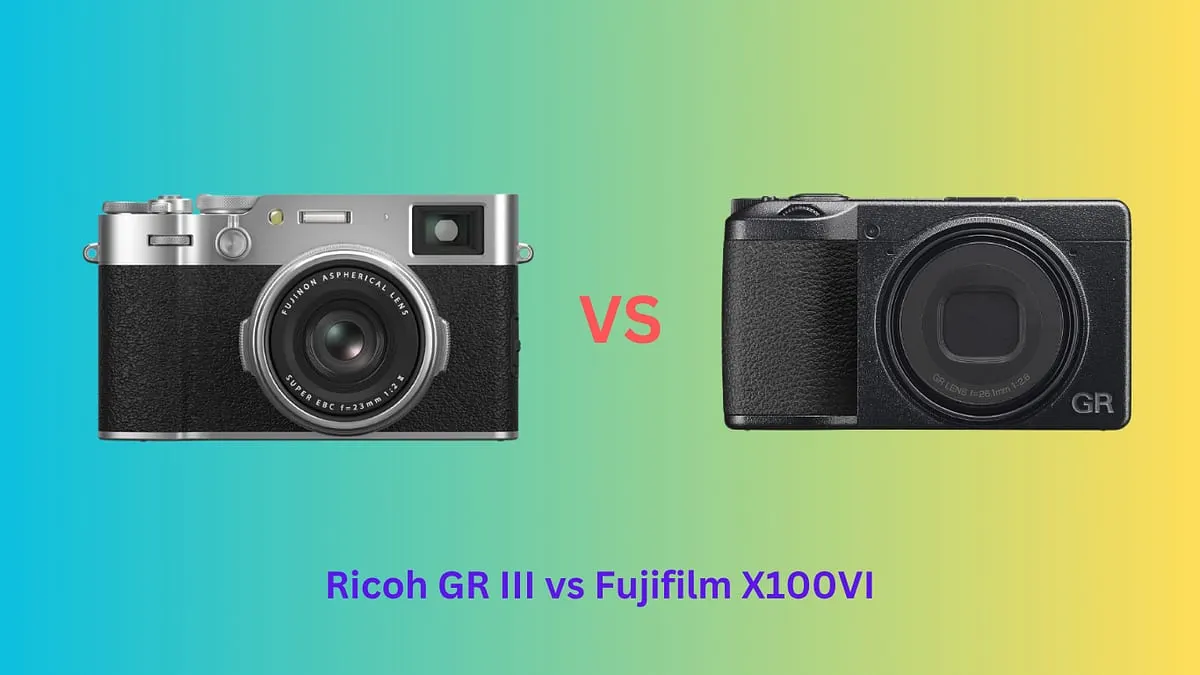
Ricoh GR III vs Fujifilm X100VI
The Camera I Almost Didn’t Buy, and the One I Almost Returned: the Fujifilm X100VI and Ricoh GR III side by side, and the one I would pick myself.