How much to charge for travel photography?

As an Amazon Associate we earn from qualifying purchases. Some links in this guide are affiliate links — see our affiliate disclosure for details.
Photo by Holly Mandarich on Unsplash
As I sit here in my home office, surrounded by prints from my adventures across continents, I can’t help but reflect on the journey that led me here — not just the physical travels, but the professional evolution of turning my passion into a sustainable career. One question that consistently comes up from fellow photographers is, “How much should I charge for travel photography?” It’s a complex question that deserves a nuanced answer.
Understanding the Value Pyramid
Before we dive into specific numbers, let’s talk about what we’re really selling. As travel photographers, we’re not just selling images — we’re selling:
- Expertise and experience
- Unique perspectives and storytelling
- Technical skills and equipment investment
- Time (both shooting and post-processing)
- The ability to work in challenging environments
- Years of developing our artistic eye
Breaking Down Revenue Streams
1. Direct Client Work (Commercial)
For commercial clients, I’ve found success with this pricing structure:
- Day rate: $1,000–2,500
- Half-day rate: $500–1,200
- Per-image licensing: $250–1,000 depending on usage
- Full buyout: 3–5x the standard licensing fee
Personal note: I started much lower but learned that charging too little actually made potential clients trust me less. When I raised my rates, I attracted more serious clients who valued quality over budget.
2. Stock Photography
Stock photography can provide passive income, but don’t expect to get rich quick:
- Microstock: $0.25–5 per image
- Premium stock: $50–500 per image
- Rights-managed: $500–5,000+ per image
Pro tip: I focus on premium stock sites for my best work. While the volume is lower, the higher per-image rate makes it worth it.
3. Editorial Work
Magazine and publication rates vary widely:
- Online publications: $100–500 per story
- Print magazines: $250–1,500 per story
- Major publications: $500–3,000+ per story
Factors That Influence Pricing
Experience Level
- Entry-level: 40–60% of standard rates
- Mid-level (3–5 years): Standard rates
- Expert (5+ years): Premium rates (125–200% of standard)
Geographic Market
- Major cities: Standard rates x 1.5
- International markets: Varies by country
- Developing markets: 50–75% of standard rates
Project Scope
Consider these elements when pricing:
- Travel time and expenses
- Equipment requirements
- Delivery timeline
- Usage rights
- Exclusivity
- Post-processing requirements
Package Examples
Here’s how I structure my typical packages:
Basic Travel Package ($2,500)
- 1 full day of shooting
- 20 fully edited images
- Basic usage rights
- Travel expenses not included
Premium Travel Package ($5,000)
- 2 full days of shooting
- 50 fully edited images
- Extended usage rights
- Basic social media package
- Travel expenses included (within reasonable distance)
Luxury Travel Package ($10,000+)
- 3–5 days of shooting
- 100+ fully edited images
- Full commercial rights
- Comprehensive social media package
- All travel expenses included
- Rush delivery option
- Raw files included
Tips from My Journey
- Value Your Time Don’t just charge for shooting hours. Include:
- Pre-production planning
- Travel time
- Post-processing
- Client communication
- Equipment prep
- Consider Your Costs Factor in:
- Equipment depreciation
- Insurance
- Software subscriptions
- Marketing
- Training and education
- Build in Profit Margins I aim for:
- 30% cost coverage
- 40% salary
- 30% profit margin
The Art of Negotiation
Remember these points when discussing rates:
- Always start higher than your minimum
- Be clear about what’s included
- Have package options ready
- Be prepared to explain your value
- Don’t be afraid to walk away
Red Flags to Watch For
Through experience, I’ve learned to be cautious when:
- Clients focus solely on price
- They promise “exposure” instead of payment
- They rush to book without discussing details
- They’re unclear about usage rights
- They expect unlimited revisions
Investment in Growth
As your skills and portfolio grow, remember to:
- Regularly review and adjust your rates
- Invest in quality equipment
- Build a strong online presence
- Network with other professionals
- Continue your education
Final Thoughts
Pricing travel photography isn’t just about picking numbers — it’s about understanding your value and the market you serve. Start where you’re comfortable, but don’t be afraid to raise your rates as you gain experience. Remember, you’re not just selling photos; you’re selling your unique vision and expertise.
The most important lesson I’ve learned? The clients who value your work will pay your rates. The ones who don’t probably aren’t the clients you want to work with long-term.
What’s your experience with pricing travel photography? I’d love to hear your thoughts and strategies in the comments below.

Written by
Marien CartelProfessional and Certified Digital Photographer born in the USA, with 22 years of experience in the field of photography.
Related Guides
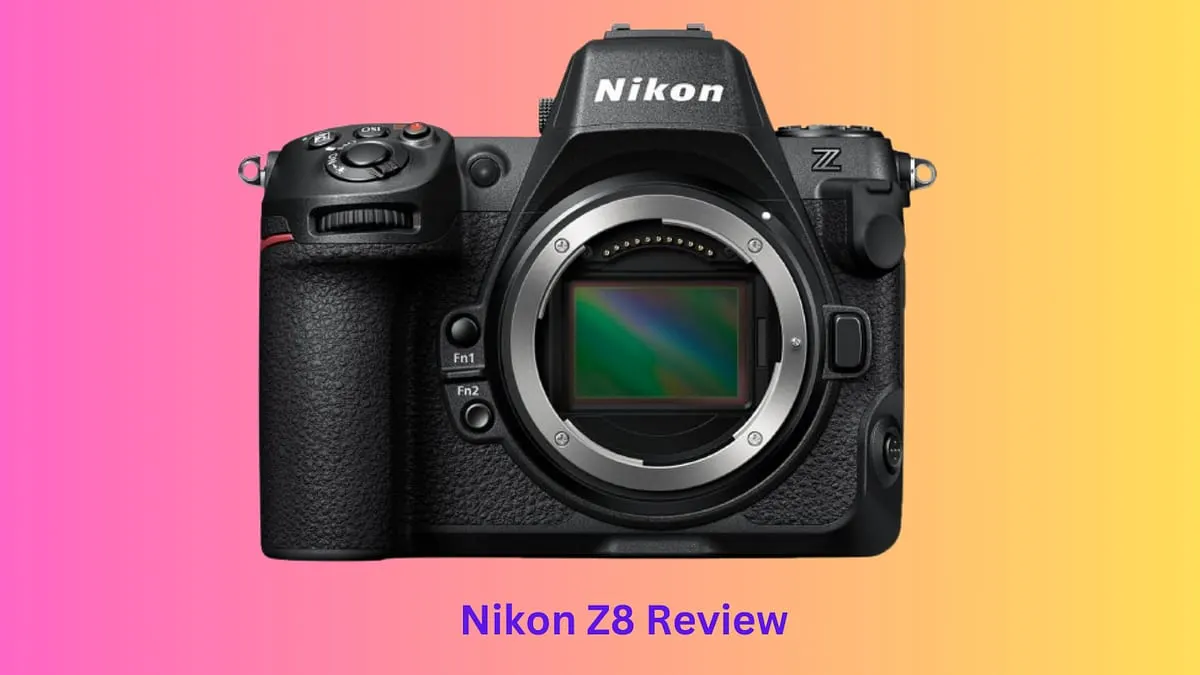
Nikon Z8 Review
A Professional Photographer’s Comprehensive Review — my picks are the Nikon Z8, Canon EOS R5 and Sony a1, with the honest trade-offs of each.
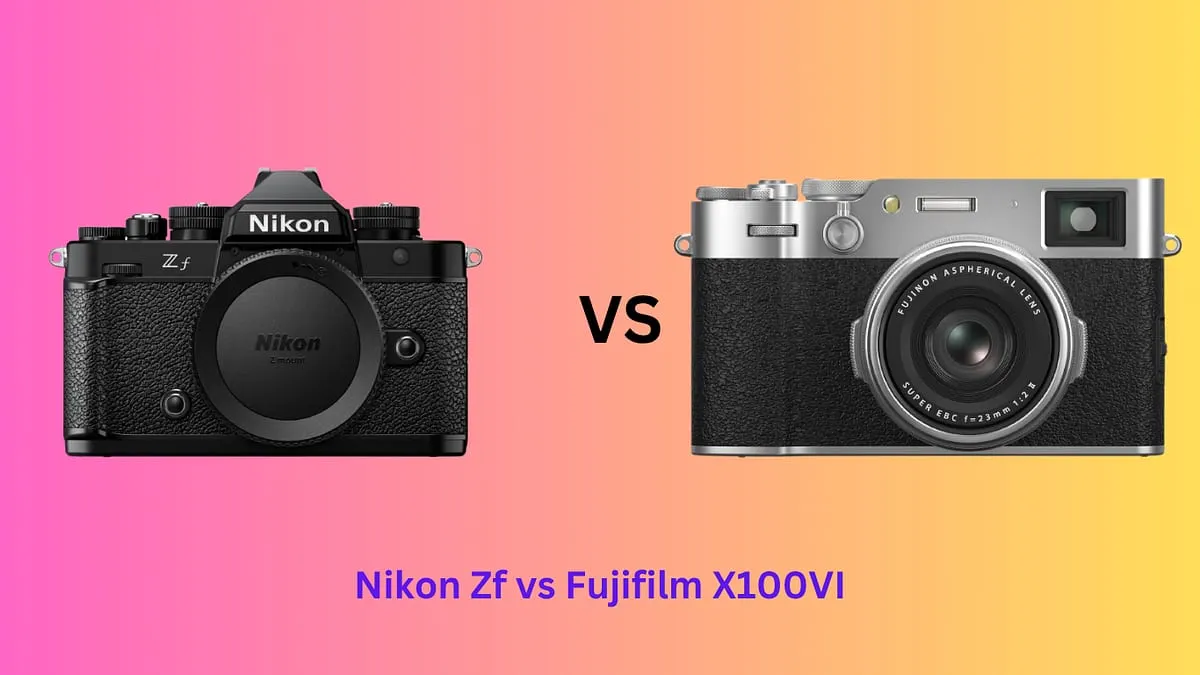
Nikon Zf vs Fujifilm X100VI
The Tactile Dilemma: Why the Fujifilm X100VI and Nikon Zf Forced Me to Rethink Everything
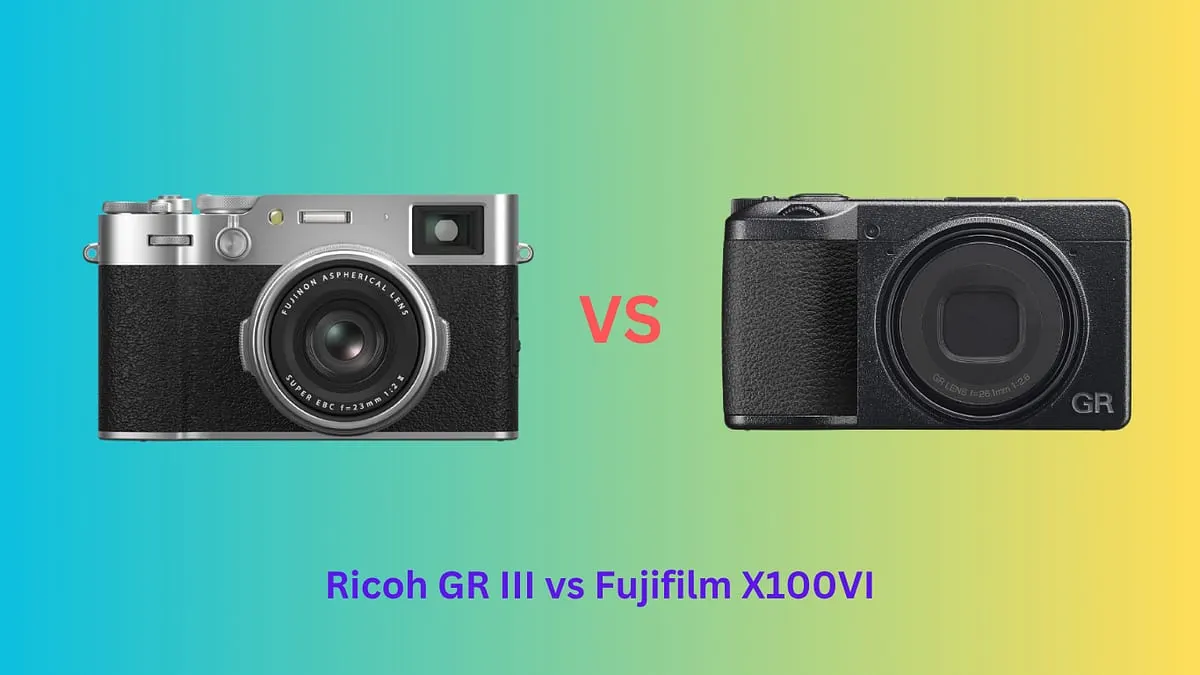
Ricoh GR III vs Fujifilm X100VI
The Camera I Almost Didn’t Buy, and the One I Almost Returned: the Fujifilm X100VI and Ricoh GR III side by side, and the one I would pick myself.