How to take professional sports photos?
As an Amazon Associate we earn from qualifying purchases. Some links in this guide are affiliate links — see our affiliate disclosure for details.
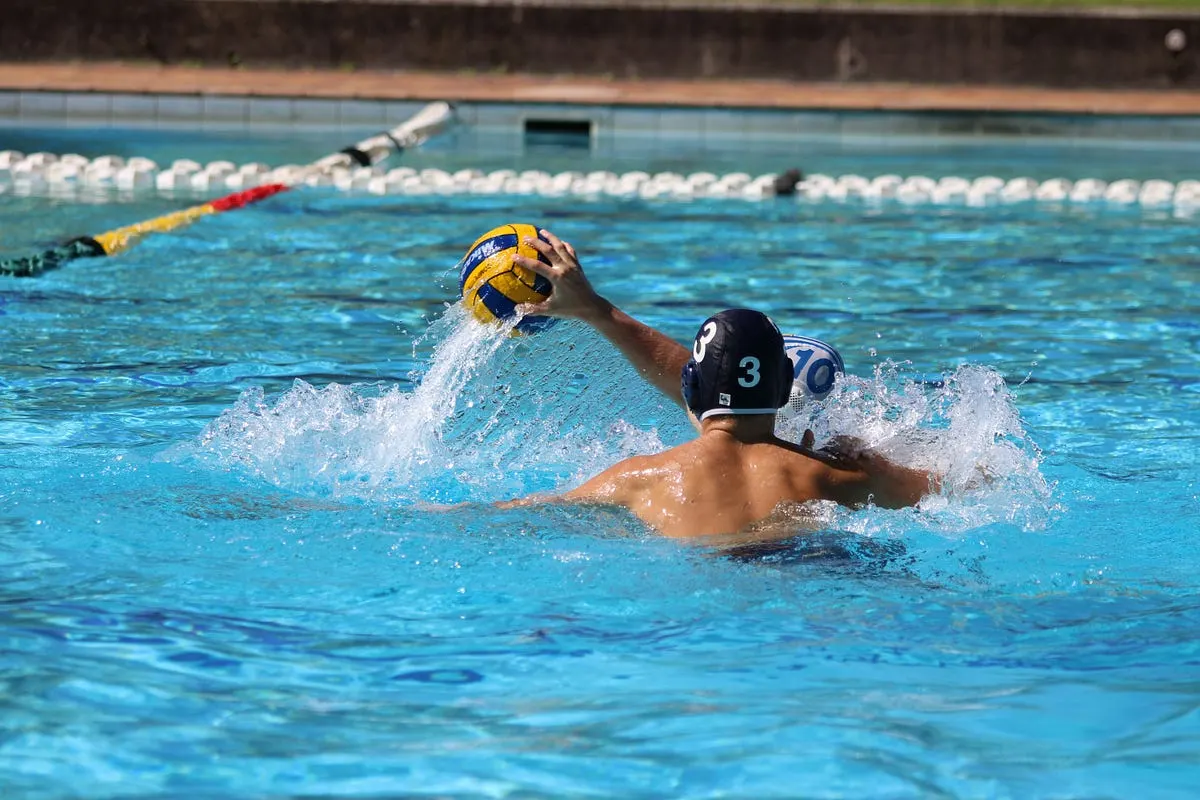
Photo by Andrew Jooste on Unsplash
A Personal Journey and Professional Guide
When I first picked up a camera at my son’s Little League game, I had no idea it would lead me down the path to becoming a sports photographer. That sunny afternoon, armed with nothing but a basic DSLR and boundless enthusiasm, I captured my first action shot — a slightly blurry image of a diving catch that nonetheless contained all the drama and emotion of the moment. Today, after years of experience and countless hours on sidelines and in stadiums, I’m sharing my comprehensive guide to sports photography.
Essential Equipment
Camera Body
- A DSLR or mirrorless camera with high continuous shooting speed (minimum 8fps)
- Good high ISO performance for indoor venues
- Robust autofocus system with multiple focus points
- Weather sealing for outdoor sports
Lenses
- 70–200mm f/2.8: Your workhorse lens for most sports
- 300mm f/2.8 or longer: For field sports like football and soccer
- 24–70mm f/2.8: For close action and environmental shots
- Fast prime lenses (f/1.8 or faster) for indoor sports
Personal Tip: I learned the hard way that investing in quality glass matters more than having the latest camera body. My first breakthrough came when I upgraded from a kit lens to a used 70–200mm f/2.8.
Technical Settings
The Exposure Triangle
Shutter Speed
- Outdoor sports: 1/1000s minimum
- Indoor sports: 1/500s minimum
- Fast-moving sports (racing): 1/2000s or faster
Aperture
- Prime location: f/2.8-f/4 for subject isolation
- Team sports: f/4-f/5.6 for adequate depth of field
ISO
- Outdoor day: 100–400
- Indoor/night: 1600–6400 (depending on venue lighting)
Advanced Techniques
Autofocus Mastery
- Use back-button focus for better control
- Select appropriate AF modes:
- Single point for precise focusing
- Dynamic area for moving subjects
- 3D tracking for erratic movement
Composition Rules
- Lead Room
- Leave space in front of moving subjects
- Follow the direction of action
- Background Awareness
- Look for clean backgrounds
- Use crowd elements strategically
- Avoid distracting elements
- Storytelling Elements
- Capture emotion and reaction shots
- Include environmental context
- Document key moments
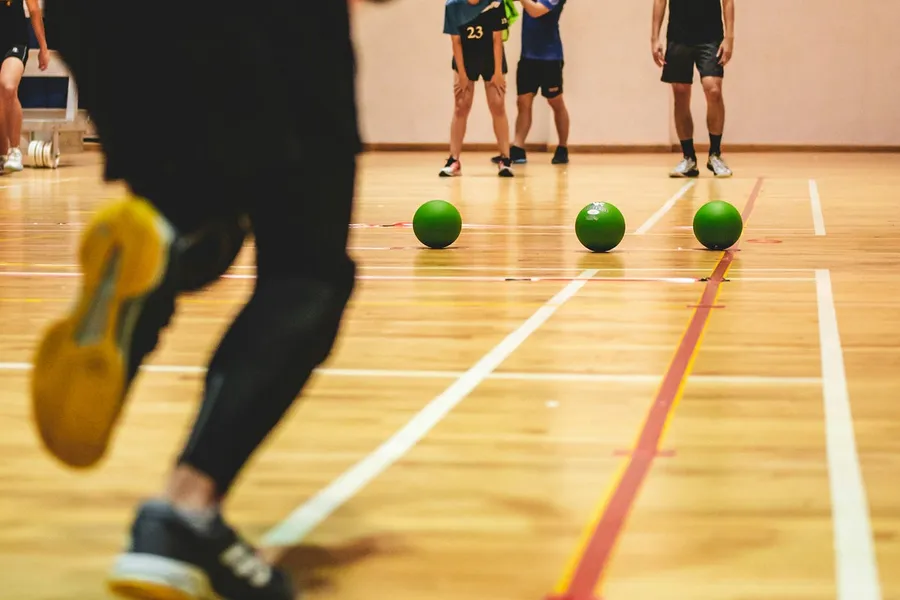
Photo by Wan San Yip on Unsplash
Pre-Game Preparation
Research
- Study the sport’s rules and patterns
- Know key players and their positions
- Understand venue restrictions and policies
Location Scouting
- Arrive early to find optimal shooting positions
- Note sun position and lighting changes
- Identify multiple vantage points
Personal Experience: At my first professional assignment, I arrived just before game time and missed getting crucial venue information. Now I always arrive at least two hours early.
Common Challenges and Solutions
Indoor Sports
- Use fast prime lenses
- Balance ambient light with artificial lighting
- Position yourself near lighting sources
Outdoor Weather
- Protect equipment with rain covers
- Use UV filters in bright conditions
- Keep spare batteries warm in cold weather
Action Timing
- Anticipate peak moments
- Learn sport-specific cues
- Practice tracking moving subjects
Post-Processing Workflow
Basic Adjustments
- Exposure and contrast
- White balance correction
- Noise reduction for high ISO shots
- Sharpening for web or print
Advanced Editing
- Selective adjustments for subject emphasis
- Color grading for consistency
- Cropping for impact
Building Your Portfolio
Image Selection
- Choose diverse action shots
- Include emotional moments
- Demonstrate technical skill
- Show storytelling ability
Networking
- Join sports photography groups
- Connect with local teams
- Build relationships with other photographers
Final Thoughts
Sports photography is a journey of continuous learning and improvement. My path from that first Little League game to shooting professional sports has taught me that success comes from a combination of technical knowledge, preparation, and passion. Most importantly, remember that while equipment matters, the best camera is the one you have with you, ready to capture the decisive moment.
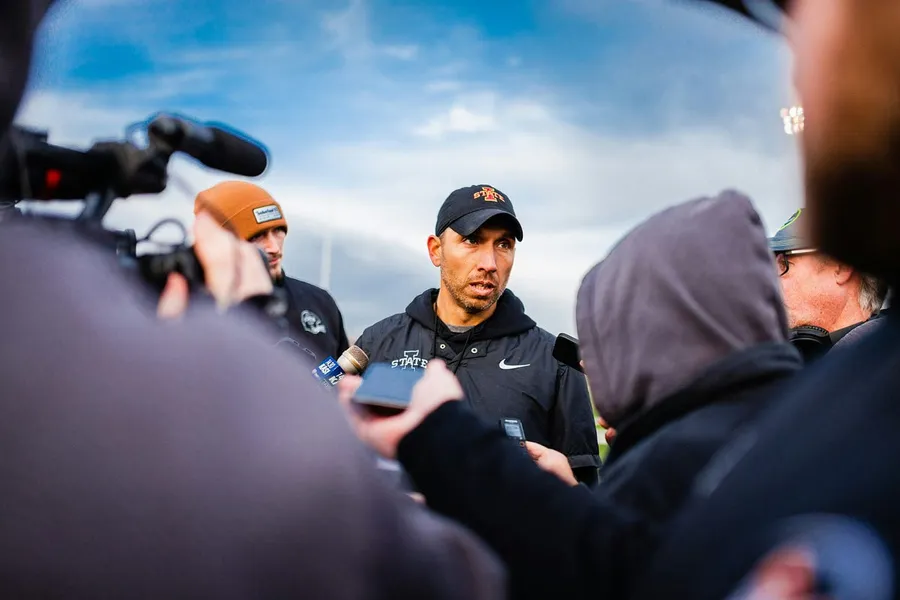
Photo by Jacob Rice on Unsplash
Written by
Marien CartelProfessional and Certified Digital Photographer born in the USA, with 22 years of experience in the field of photography.
Related Guides
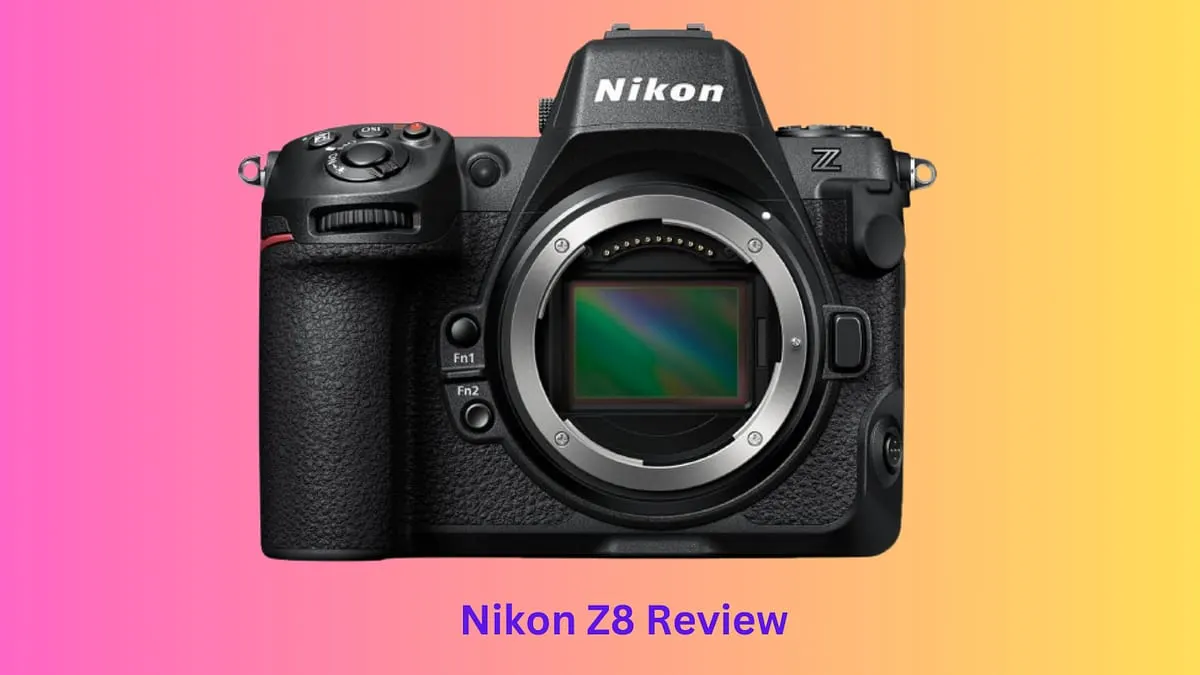
Nikon Z8 Review
A Professional Photographer’s Comprehensive Review — my picks are the Nikon Z8, Canon EOS R5 and Sony a1, with the honest trade-offs of each.
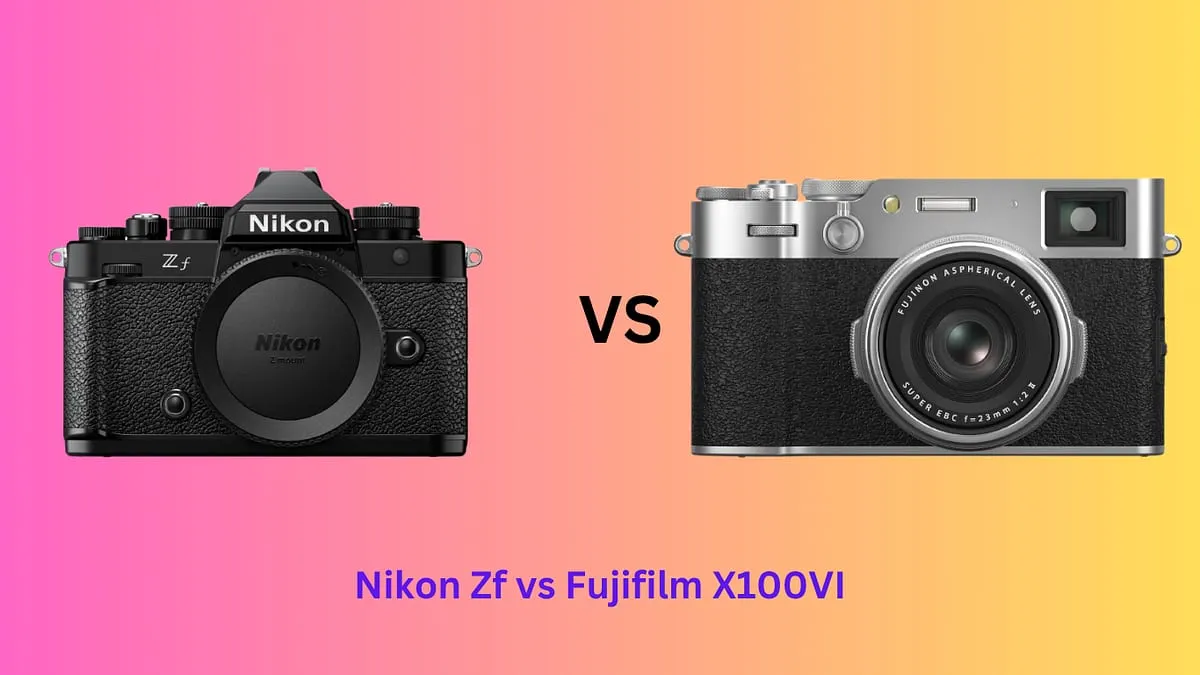
Nikon Zf vs Fujifilm X100VI
The Tactile Dilemma: Why the Fujifilm X100VI and Nikon Zf Forced Me to Rethink Everything
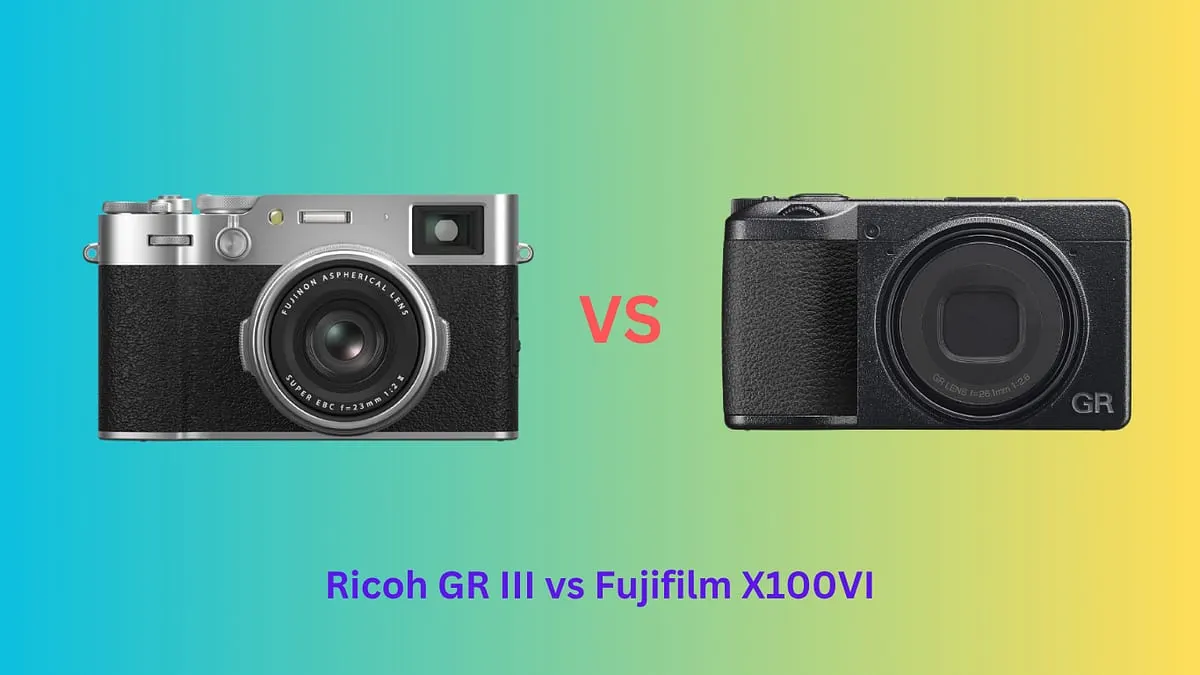
Ricoh GR III vs Fujifilm X100VI
The Camera I Almost Didn’t Buy, and the One I Almost Returned: the Fujifilm X100VI and Ricoh GR III side by side, and the one I would pick myself.