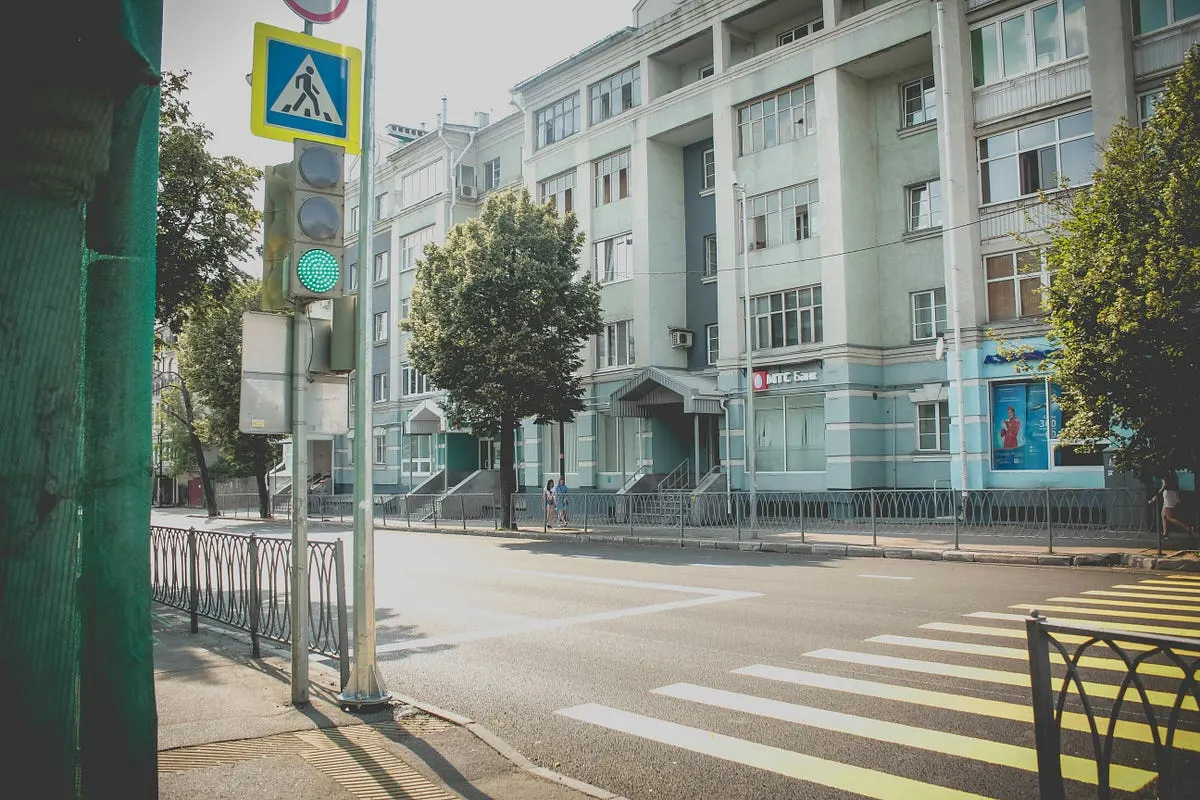
Is this considered street or travel photography?
As an Amazon Associate we earn from qualifying purchases. Some links in this guide are affiliate links — see our affiliate disclosure for details.
As I stand on a bustling corner in Hanoi’s Old Quarter, camera in hand, watching motorcycles weave through narrow lanes while elderly women in conical hats sell fresh produce from woven baskets, a question crosses my mind: Is what I’m capturing street photography or travel photography? The line between these two genres has always fascinated me, and the more I shoot, the more I realize how beautifully they intertwine.
The Traditional Definitions
Traditionally, street photography has been defined as candid photography in public spaces, capturing authentic moments of human life, behavior, and emotion. It’s raw, unposed, and often shot in one’s local environment. Think of Henri Cartier-Bresson’s decisive moments or Vivian Maier’s striking portraits of mid-century Chicago.
Travel photography, on the other hand, has been characterized as documenting places, peoples, cultures, customs, and history during journeys to different locations. It often includes landscapes, architectural shots, portraits, and cultural events that tell the story of a destination.
Where the Lines Blur
But what happens when you’re practicing street photography techniques in a foreign city? This is where things get interesting. Consider these scenarios:
- You’re photographing a local market in Bangkok, capturing candid moments between vendors and customers
- You’re shooting the morning rush hour in Tokyo’s Shibuya Crossing
- You’re documenting daily life in a Moroccan medina
Are these street photography because they’re candid moments in public spaces? Or travel photography because they’re shot in foreign locations and capture local culture? I’d argue they’re both.
The Modern Perspective
In today’s interconnected world, I believe these genres have evolved to become more fluid. The key elements that blend them include:
1. Cultural Documentation
Both styles seek to document authentic human experiences and cultural moments. Whether you’re shooting in your hometown or halfway across the world, you’re capturing slices of life that tell stories about people and places.
2. Authenticity
The best images in both genres share a commitment to authenticity. Whether it’s a fruit vendor in your local market or one in a distant country, the goal is to capture genuine moments.
3. Technical Approach
The techniques often overlap:
- Working with available light
- Shooting candidly
- Looking for interesting compositions in urban environments
- Capturing decisive moments
My Personal Philosophy
After years behind the lens, I’ve come to embrace the overlap. I no longer try to categorize my images strictly as one or the other. Instead, I focus on:
- The Story: What narrative does the image convey, regardless of where it was shot?
- The Human Element: How does the photograph capture the essence of human experience, whether local or foreign?
- The Moment: Is it authentic and meaningful, regardless of its classification?
Finding Your Own Balance
For photographers grappling with this question, I suggest:
- Focus on creating meaningful images rather than categorizing them
- Learn from both disciplines to enhance your photography
- Embrace the gray area where these genres meet
- Let your personal style evolve naturally across both types
Conclusion
Perhaps the question isn’t whether an image is street or travel photography, but rather how it contributes to our understanding of human life and culture. The best photographs, regardless of their classification, tell stories that resonate across cultural boundaries and geographical distances.
In my view, when we’re photographing life as it unfolds before us, whether in our backyard or across the globe, we’re participating in both traditions. We’re street photographers capturing candid moments, and we’re travel photographers documenting the world’s diversity — sometimes in the very same frame.
The next time you raise your camera to capture a moment, remember that these genres aren’t mutually exclusive. They’re complementary approaches that, when combined, can lead to richer, more nuanced storytelling through photography.

Written by
Marien CartelProfessional and Certified Digital Photographer born in the USA, with 22 years of experience in the field of photography.
Related Guides
Nikon Z8 Review
A Professional Photographer’s Comprehensive Review — my picks are the Nikon Z8, Canon EOS R5 and Sony a1, with the honest trade-offs of each.
Nikon Zf vs Fujifilm X100VI
The Tactile Dilemma: Why the Fujifilm X100VI and Nikon Zf Forced Me to Rethink Everything
Ricoh GR III vs Fujifilm X100VI
The Camera I Almost Didn’t Buy, and the One I Almost Returned: the Fujifilm X100VI and Ricoh GR III side by side, and the one I would pick myself.