Sony 70–350 on Full-Frame Adventure
As an Amazon Associate we earn from qualifying purchases. Some links in this guide are affiliate links — see our affiliate disclosure for details.
Let’s start with a confession: I broke the rules. And in doing so, I discovered a secret weapon that has completely changed my approach to travel and wildlife photography.
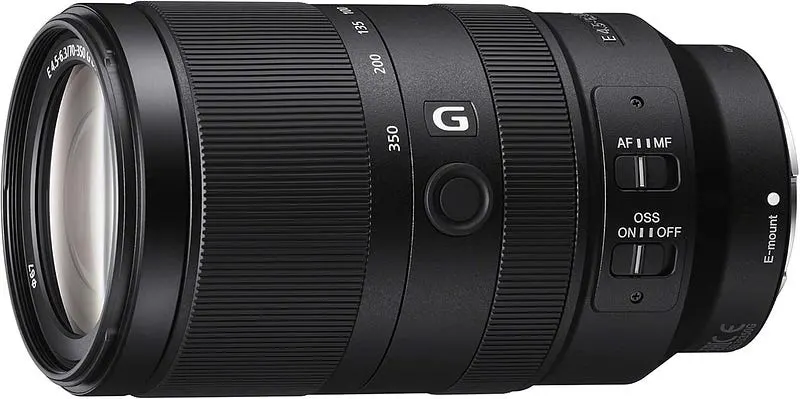
Like many photographers, I started with an APS-C camera. For me, it was the Sony a6400. It was a fantastic companion, and the first “serious” lens I bought for it was the Sony E 70–350mm f/4.5–6.3 G OSS. It was sharp, surprisingly light, and gave me an incredible 525mm equivalent reach. I loved it. We traveled the world together, capturing distant mountains and shy wildlife.
Then, the upgrade itch hit. I moved to a full-frame Sony A7 III, dreaming of that legendary wide-angle and low-light performance. As I prepared to sell my old APS-C gear, I held the 70–350mm in my hand. A thought, born purely from laziness, crossed my mind: “I wonder what happens if I just… put this on my new camera?”
The internet told me not to. Forums were filled with stern warnings: “It’ll force crop mode!” “You’re wasting megapixels!” “Just sell it and get the 70–300mm FF!” It made logical sense. But photographers aren’t always logical.
So I mounted it. And my camera screen went black, with a thick black circle surrounding a small, central rectangle. The camera had automatically switched to APS-C mode. My 24-megapixel full-frame sensor was now, effectively, a 10-megapixel APS-C sensor.
Camera Body: Sony A7 III (Full-Frame)
My heart sank. The forums were right, I thought. This is useless.
But then I went out and shot with it.
The Revelation: It’s Not a Bug, It’s a Feature
My first real test was a hike through a regional park. I brought my full-frame standard zoom, but the 70–350mm was slung over my shoulder “just in case.” As I scanned a ridge, I spotted a red-tailed hawk perched perfectly on a dead branch, silhouetted against the sky. It was far, far away.
I lifted my camera with the 70–350mm. The immediate crop in the viewfinder, which I initially saw as a limitation, suddenly became my greatest advantage. That tiny rectangle in the center was a built-in teleconverter. I wasn’t just seeing 350mm; I was seeing a 525mm field of view right in the viewfinder. There was no guesswork, no need to crop in post. I was framing my shot at its final composition.
I took the shot. When I got home, that 10-megapixel file was tack sharp. The G-series optics are no joke. The colors were beautiful, and the detail was more than enough for a large print or a high-resolution web post.
I had stumbled upon a workflow I never knew I wanted.
The Practical Magic: Why This Combo Stays in My Bag
- The Ultimate “Spotter Scope”: For wildlife, especially birds, this combo is incredible. That 525mm equivalent viewfinder makes it so much easier to find and track small, distant subjects compared to a native 300mm on full-frame, which I’d have to crop into later anyway.
- Weight and Size Winner: The Sony 70–350mm is 625g. The excellent full-frame Sony 70–300mm G is 854g. The 200–600mm G is a hefty 2.1kg. For long hikes where every gram counts, my “forbidden” setup is a dream. It’s a high-reach lens that doesn’t break my back.
- It Makes You a Better Editor: Knowing you’re working with 10MP forces you to be more deliberate. You make the shot count in-camera. There’s less “I’ll just fix it and crop later.” It’s a discipline that has improved my overall photography.
- The Seamless Transition: I can be shooting a landscape at 24mm on my full-frame lens, see a deer across the valley, switch to the 70–350mm, and my camera automatically jumps to the cropped view. It’s instant, and I never miss the shot.
The Honest Downsides (You Can’t Ignore Them)
Let’s be real, it’s not perfect.
- The Megapixel Hit: This is the big one. 10MP is plenty for most uses, but it leaves no room for error. If you need to heavily crop beyond the 525mm view, you’ll start to see the limits.
- Low-Light Performance: You’re essentially using an APS-C sensor. High ISO performance isn’t as good as the full-frame sensor. I try to keep my ISO under 3200 with this setup.
- It Feels Like a Compromise: On paper, it is. You paid for a full-frame sensor and aren’t using all of it.
So, Who Is This For?
This combo is NOT for the professional wildlife photographer who needs to crop into a 20MP file of a sparrow from 100 feet away. They need a 200–600mm or longer on a high-resolution A7R body.
This IS for:
- The traveler/hiker who wants a incredibly lightweight telephoto option without buying a new, heavier full-frame lens.
- The hybrid shooter who already owns this lens from their APS-C days and is transitioning to full-frame.
- Anyone on a budget who wants super-telephoto reach and can live with the 10MP output.
My Personal Verdict:
The “rules” said this was a bad idea. My experience, however, told a different story. The Sony 70–350mm on my full-frame body isn’t my primary lens, but it’s a permanent part of my kit. It’s my secret weapon for light travel and spontaneous wildlife encounters.
Sometimes, breaking the rules doesn’t lead to failure; it leads to finding a creative shortcut that works perfectly for you. And in my case, it led to a renewed love for a lens I almost foolishly sold.
My Current Gear:
- Lens: Sony E 70–350mm f/4.5–6.3 G OSS (APS-C)
- Camera Body: Sony A7 III (Full-Frame)
Have you ever tried a “forbidden” gear combo? Share your stories in the comments below!
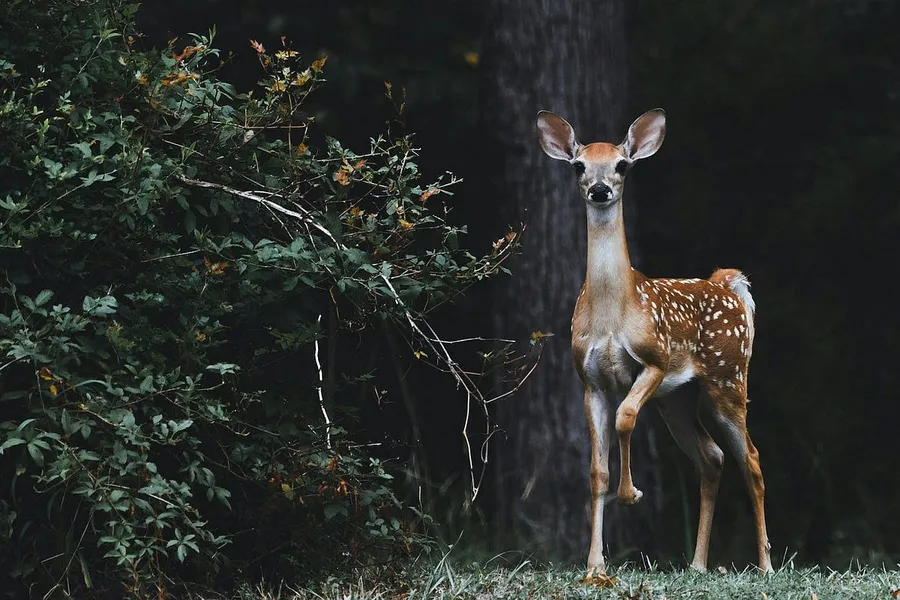
Photo by Behzad Ghaffarian on Unsplash
Written by
Marien CartelProfessional and Certified Digital Photographer born in the USA, with 22 years of experience in the field of photography.
Related Guides
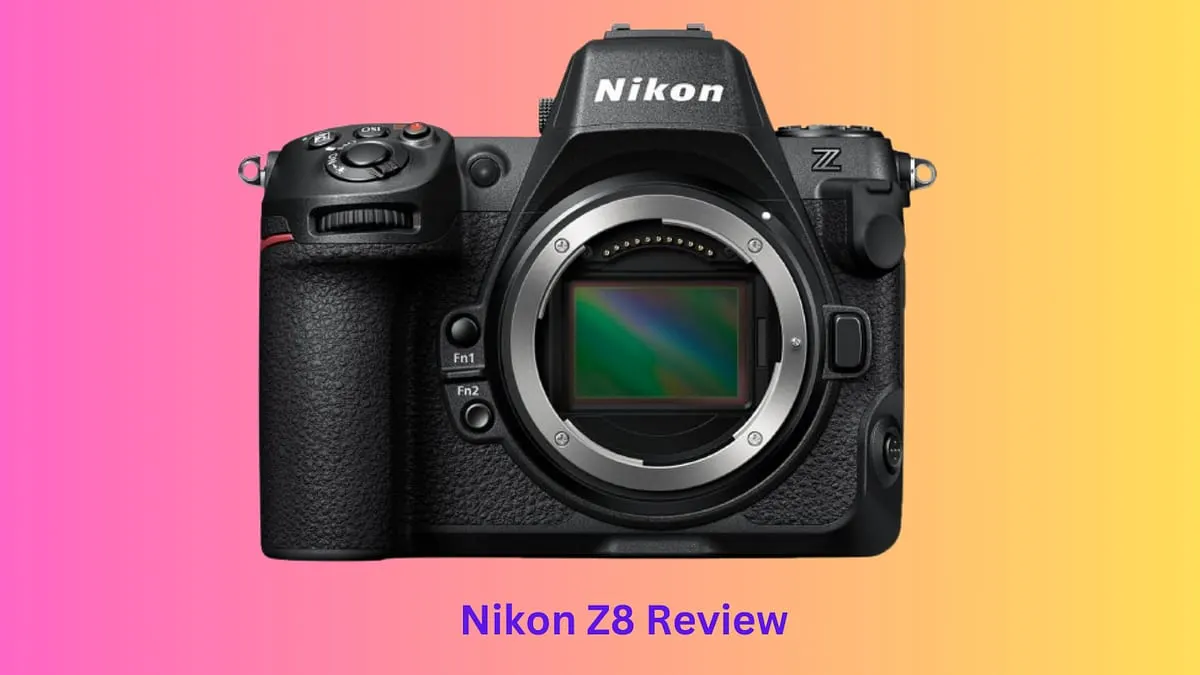
Nikon Z8 Review
A Professional Photographer’s Comprehensive Review — my picks are the Nikon Z8, Canon EOS R5 and Sony a1, with the honest trade-offs of each.
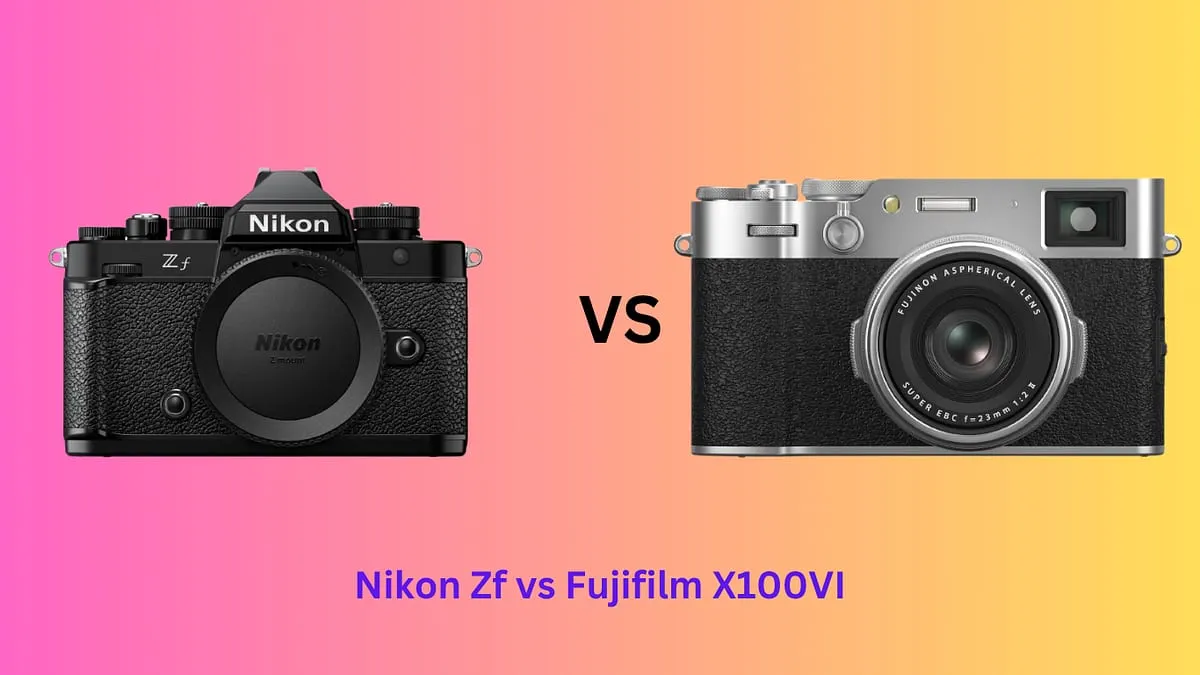
Nikon Zf vs Fujifilm X100VI
The Tactile Dilemma: Why the Fujifilm X100VI and Nikon Zf Forced Me to Rethink Everything
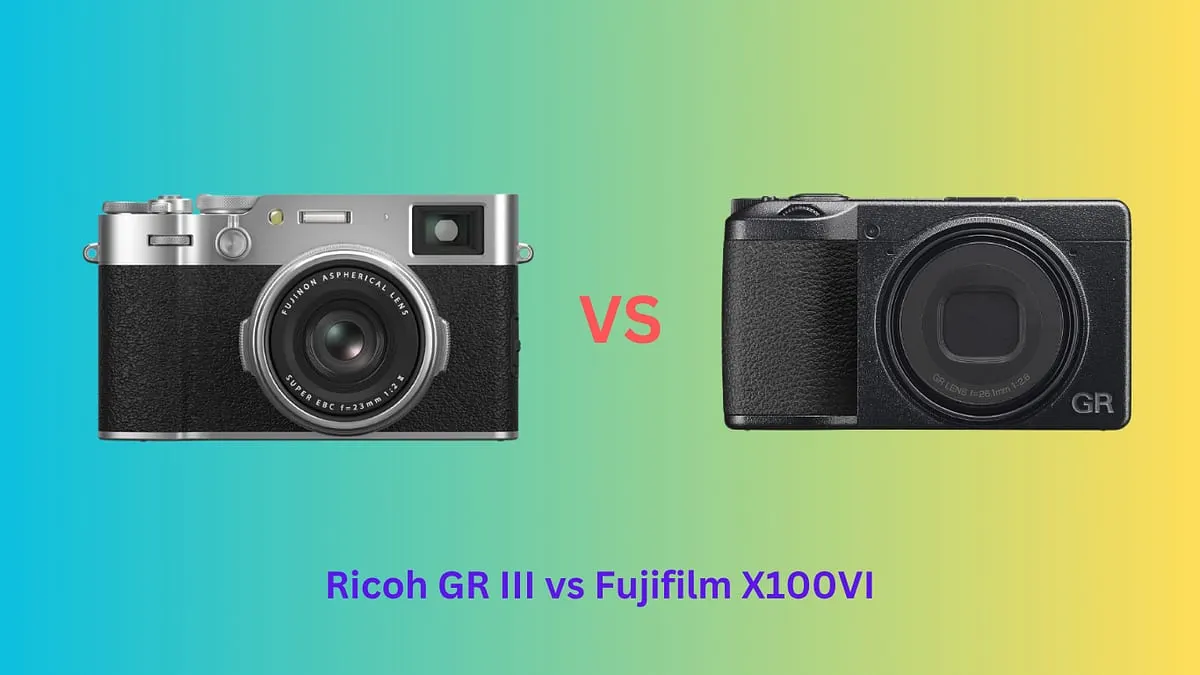
Ricoh GR III vs Fujifilm X100VI
The Camera I Almost Didn’t Buy, and the One I Almost Returned: the Fujifilm X100VI and Ricoh GR III side by side, and the one I would pick myself.