Sony A6600 vs A6700
As an Amazon Associate we earn from qualifying purchases. Some links in this guide are affiliate links — see our affiliate disclosure for details.
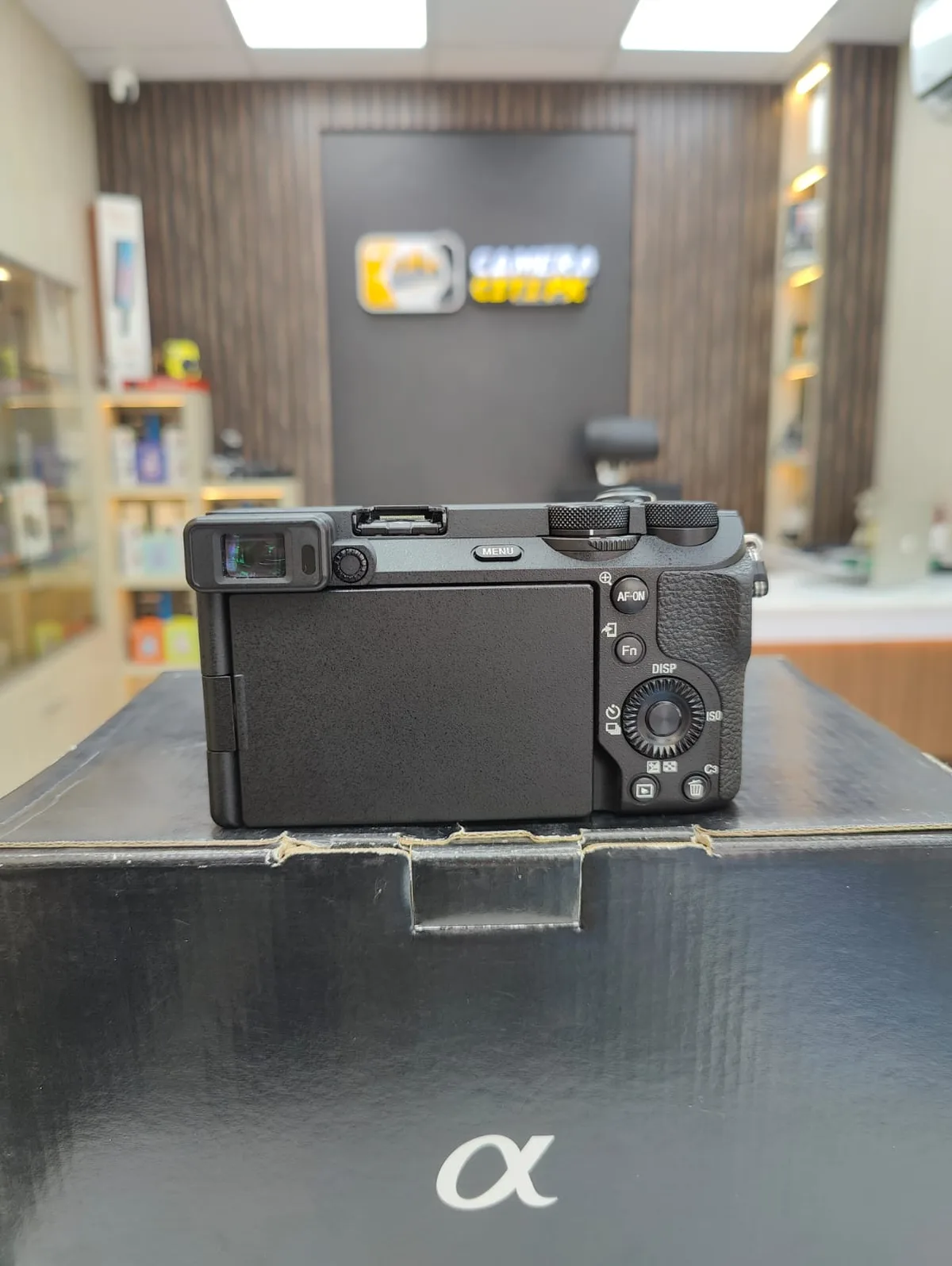
Above: my own Sony a6700 — the half of this comparison I shoot with.
As someone who shoots everything from gritty street photography to my kid’s chaotic soccer games (seriously, they move like lightning!), I faced a dilemma: Stick with my reliable Sony A6600 or embrace the new kid on the block? Today, I’ll break down my hands-on experience with both, sharing the highs, the lows, and which one ultimately earned a permanent spot in my camera bag.
My A6600 Era: The Dependable Workhorse
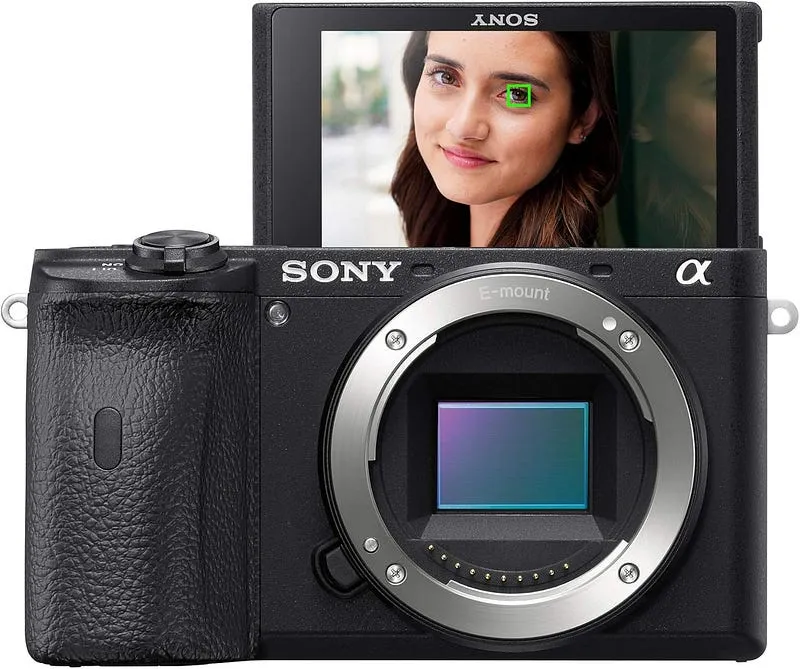
When I first unboxed the A6600, it felt like freedom. That compact body paired with the legendary battery life (thanks, Z-series!) was a revelation. I took it hiking in the Rockies, shot low-light
in Prague, and even used it for casual YouTube clips.
Its Real-time Tracking autofocus felt like sorcery back then — locking onto my sprinting dog with eerie precision. The in-body stabilization (IBIS) saved countless shots when shooting handheld at dusk.
For two years, it was my go-to. But… whispers of “better video,” “newer sensor,” and “improved ergonomics” started itching at my gear-loving brain.
Enter the A6700: The Game-Changer?
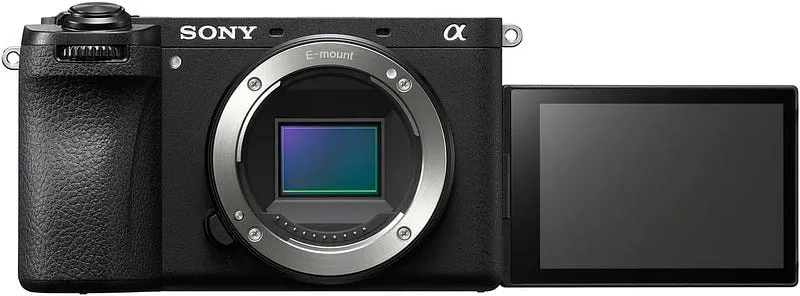
When Sony announced the A6700, I was intrigued. The specs screamed upgrade: a brand new 26MP BSI-CMOS sensor (vs. the A6600’s 24MP), 10-bit 4K/120p video, AI-powered autofocus, and a fully articulating screen. I rented one for a weekend project — a hybrid family picnic + short cinematic montage.
Head-to-Head: Where They Diverge (My Real-World Take)
Here’s the nitty-gritty based on my shoots:
- Image Quality & Video:
The A6700’s new sensor is noticeably better in dynamic range. Recovering shadows in post felt cleaner. For video? Night and day. Shooting 10-bit 4:2:2 S-Log3 gave me SO much more flexibility grading my picnic montage. The A6600’s 8-bit felt instantly dated. The A6700’s 120p slow-mo? Buttery smooth for my kid’s goal celebration. - Autofocus:
The A6600 is no slouch, but the A6700’s AI smarts are wild. It recognized human faces and bodies more intuitively, and animal eye-AF tracked my friend’s hyperactive cat even when partially obscured. For fast action (hello, soccer games!), the A6700 felt snappier and more confident. - Handling & Usability:
The A6700’s deeper grip fits my hand better. The fully articulating screen? A game-changer for vlogging and awkward-angle shots. The front dial and improved menu layout felt more “pro.” The A6600’s tilt-screen now feels limiting. - Battery Life:
The A6600 wins here. That Z-battery is legendary. The A6700 uses the same NP-FZ100, but powering the new sensor/AF/screen drains it faster. I carried a spare more often. - The Price Factor:
My A6600 was (and still is) a fantastic value, especially used. The A6700 demands a premium. Is it worth it? Depends on your needs.
The Moment of Truth: Why I Upgraded
During that rented A6700 weekend, I captured a shot that sealed the deal: My daughter running through a sun-dappled field, backlit, at 120fps. The dynamic range held the highlights and shadows, the AF locked onto her eyes perfectly, and the 10-bit color graded into cinematic gold.
My A6600 couldn’t have delivered that shot with the same flexibility. As a hybrid shooter prioritizing both photo and video, the A6700’s advancements weren’t just specs — they directly elevated my creative output.
Who Wins? It’s About YOUR Story
- Stick with the Sony A6600 if:
You’re budget-conscious, prioritize stellar stills over video, need epic battery life, and find a used deal. It’s still a powerhouse! Especially for travel and everyday photography. - Upgrade to the Sony A6700 if:
You shoot serious video (vlogging, short films, run-and-gun), demand the best AF/AI tracking, need superior dynamic range/color depth, or crave that flip-out screen. The creative flexibility is tangible.
My Verdict? I sold my beloved A6600 and haven’t looked back. The A6700 isn’t just an upgrade; it’s a generational leap, especially for hybrid creators. Yes, it costs more, but for my chaotic blend of family moments, travel, and intentional filmmaking, it’s been worth every penny. The A6600 was a faithful companion, but the A6700 feels like the future.

Photo by Josh Connor on Unsplash

Photo by Fons Heijnsbroek on Unsplash

Written by
Marien CartelProfessional and Certified Digital Photographer born in the USA, with 22 years of experience in the field of photography.
Related Guides
Nikon Z8 Review
A Professional Photographer’s Comprehensive Review — my picks are the Nikon Z8, Canon EOS R5 and Sony a1, with the honest trade-offs of each.
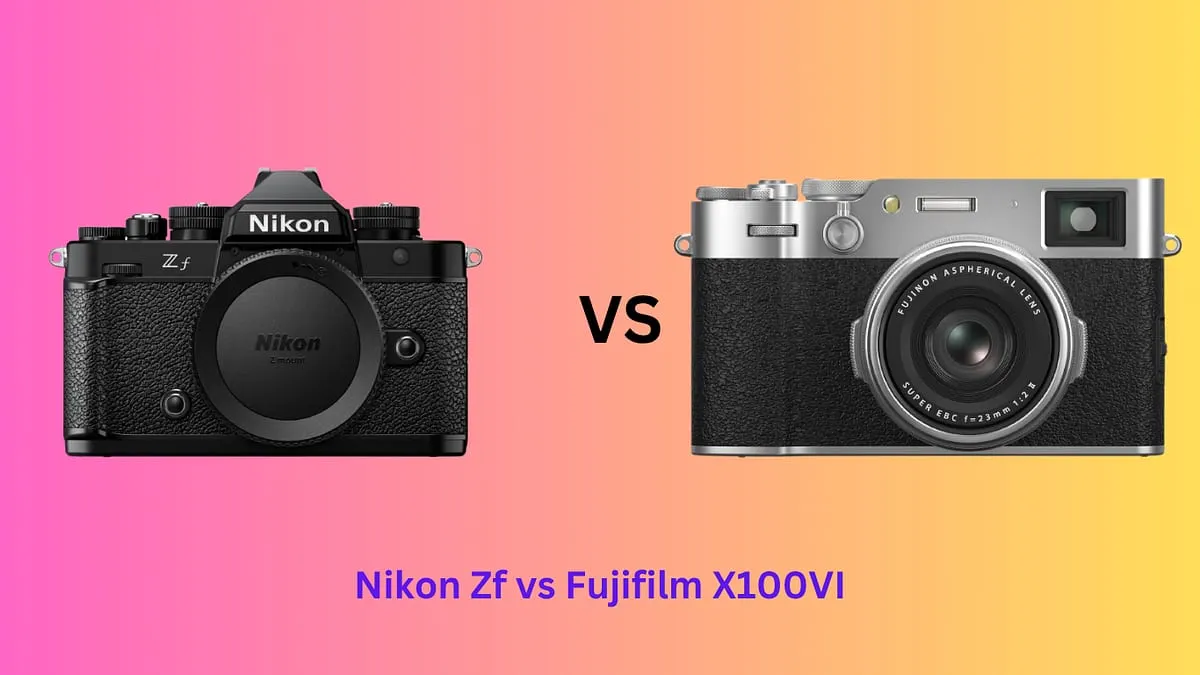
Nikon Zf vs Fujifilm X100VI
The Tactile Dilemma: Why the Fujifilm X100VI and Nikon Zf Forced Me to Rethink Everything
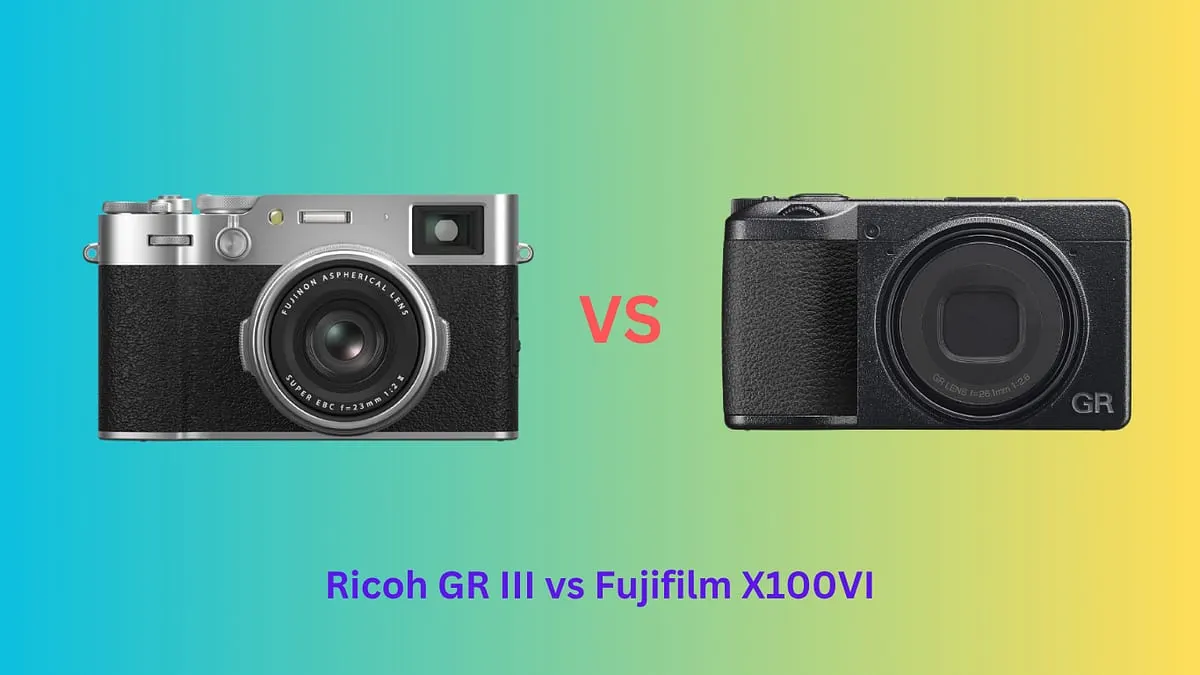
Ricoh GR III vs Fujifilm X100VI
The Camera I Almost Didn’t Buy, and the One I Almost Returned: the Fujifilm X100VI and Ricoh GR III side by side, and the one I would pick myself.