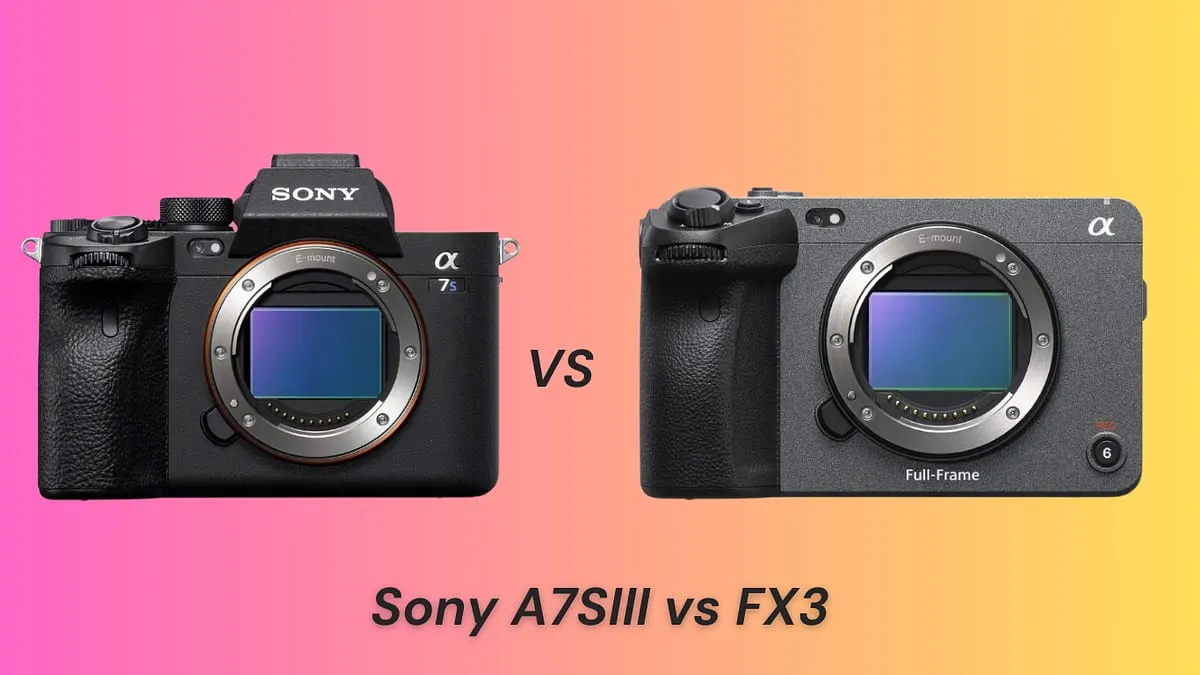
Sony A7SIII vs FX3
As an Amazon Associate we earn from qualifying purchases. Some links in this guide are affiliate links — see our affiliate disclosure for details.
For three years, my Sony A7S III was my filmmaking soulmate. It felt like the perfect partner: compact, powerful, and impossibly versatile. Shooting weddings? Check. Corporate interviews? Check. Passion project short films? Double check. That 12.1MP full-frame sensor was a low-light demon, eating darkness for breakfast and spitting out clean, detailed 4K 120p footage. The autofocus was witchcraft, the in-body stabilization a lifesaver for my shaky hands, and the flip-out screen… well, it just worked.
The A7S III: My Jack-of-All-Trades Hero
My journey started with the A7S III. Coming from older DSLRs and mirrorless cameras, it was a revelation. Suddenly, I could:
- Shoot anywhere, anytime: Dimly lit receptions? No problem. Candlelit scenes? Bring it on. The low-light performance wasn’t just good; it felt like cheating.
- Be a hybrid ninja: Needing a quick photo for socials or a client deliverable mid-video shoot? The A7S III handled it seamlessly. It genuinely felt like one camera to rule them all.
- Stay agile: Its compact size meant I could travel light, shoot handheld with confidence (thanks IBIS), and adapt to tight spaces effortlessly. It was my run-and-gun dream.
But as my projects evolved, tiny cracks began to show. Not in image quality — that remained stellar — but in the experience during longer, more demanding shoots.
The Itch: Where the A7S III Started to Nudge Me
- The Rigging Tango: Building it out for serious cinema work became a puzzle. Cage, external monitor, external recorder, external audio… it started feeling bulky and Frankenstein-ish. Getting everything mounted securely was fiddly.
- The Overheating Whisper: During an intense summer documentary shoot in Africa, filming long interviews in a non-airconditioned room, I saw the little temperature warning icon flash for the first time. Panic! (It recovered quickly, but the seed of doubt was planted).
- Audio Awkwardness: While the internal audio was decent, professional XLR inputs meant bulky adapters or external recorders — more weight, more cables, more points of failure. Syncing in post became another step.
- Fan Silence… Mostly: The lack of active cooling was usually a blessing (silent operation!), but during those marathon shoots, I started wishing for a little fan to keep things cool.
Enter the Sony FX3. On paper, it seemed like the A7S III’s identical twin: same sensor, same processor, same incredible image quality. Was it just an A7S III in a different dress? I decided to find out, renting one for a demanding commercial project requiring long takes, multiple rig setups, and professional audio.
The FX3: Not a Replacement, But a Refined Evolution
From the moment I unboxed the FX3, the intent was clear: this is a dedicated cinema camera.
- Active Cooling is a Game-Changer: This was the biggest immediate win. Knowing I could roll for hours, even in warm environments, without any fear of overheating was pure peace of mind. The fan is remarkably quiet (inaudible under normal conditions) and completely eliminates that nagging worry.
- Built to Be Built Upon: The FX3’s design is pure cinema pragmatism.
- Integrated Threaded Points: Top, sides, bottom — everywhere you need them. Rigging became intuitive and rock-solid. No more hunting for cage attachment points.
- The XLR Handle: This isn’t just an accessory; it’s core to the FX3’s DNA. Having two high-quality XLR inputs with phantom power right there, cleanly integrated, with physical audio controls? It streamlined my workflow massively. Less clutter, fewer batteries to manage, instant professional audio. Removing it for gimbal work is a breeze.
- Dedicated Status Lamp: A small but crucial feature on set, letting others know when you’re rolling.
- Form Factor Focus: The lack of an EVF? Irrelevant for my video work. The boxier design? Actually better for balancing on a gimbal and mounting accessories. The tally lights? Essential for client monitoring or multi-cam shoots. It sacrifices the stills-centric features for pure video efficiency.
The Verdict: It’s About Your Journey
So, which one wins? Neither. And both. It entirely depends on where you are and what you need now.
Choose the Sony A7S III if
- You are a true hybrid shooter (photo + video is equally important).
- You prioritize the absolute smallest, lightest full-frame video powerhouse.
- You love the flexibility of an EVF.
- Your projects are varied (run-and-gun, travel, events, some controlled shoots) and you need one versatile tool.
- Budget is tighter and rigging is minimal.
Choose the Sony FX3 if
- Video is your primary (or only) focus.
- You demand maximum reliability for long recordings and challenging environments (active cooling).
- Professional, integrated audio (XLR handle) is non-negotiable.
- You frequently build out rigs (cages, monitors, follow focus) — the mounting points are superior.
- You work on longer-form projects, documentaries, commercials, or narrative work where cinema camera conventions (tally lights, status lamp) are beneficial.
- You value a streamlined, dedicated video workflow.
My Personal Shift
Three years ago, the A7S III was the perfect camera for me. Today, as my work leans heavily into longer-form documentary and commercial projects requiring robust rigs and reliable audio, the FX3 has become my daily driver. The peace of mind from the cooling, the sheer convenience of the XLR handle, and the effortless rigging make it feel like a more professional, purpose-built extension of my filmmaking intent. It handles the demands of my current workflow better.
Crucially: The image quality from both is identical. Stunning 4K, incredible low-light, reliable autofocus. You cannot make a bad choice based on the picture. It’s purely about ergonomics, features, and workflow.
Final Thought
The A7S III is the brilliant, ultra-capable all-rounder. The FX3 is its cinema-optimized sibling, shedding some stills flexibility for video-specific robustness and integration. I loved my A7S III journey, and it taught me what I truly needed. The FX3 feels like the natural progression for where I am now. If you’re starting out or juggling many hats, the A7S III might be your soulmate. If you’re diving deep into dedicated filmmaking, the FX3 might be the upgrade your workflow craves. Either way, you’re getting one of the best low-light video sensors on the planet. Happy filming!

Written by
Marien CartelProfessional and Certified Digital Photographer born in the USA, with 22 years of experience in the field of photography.
Related Guides
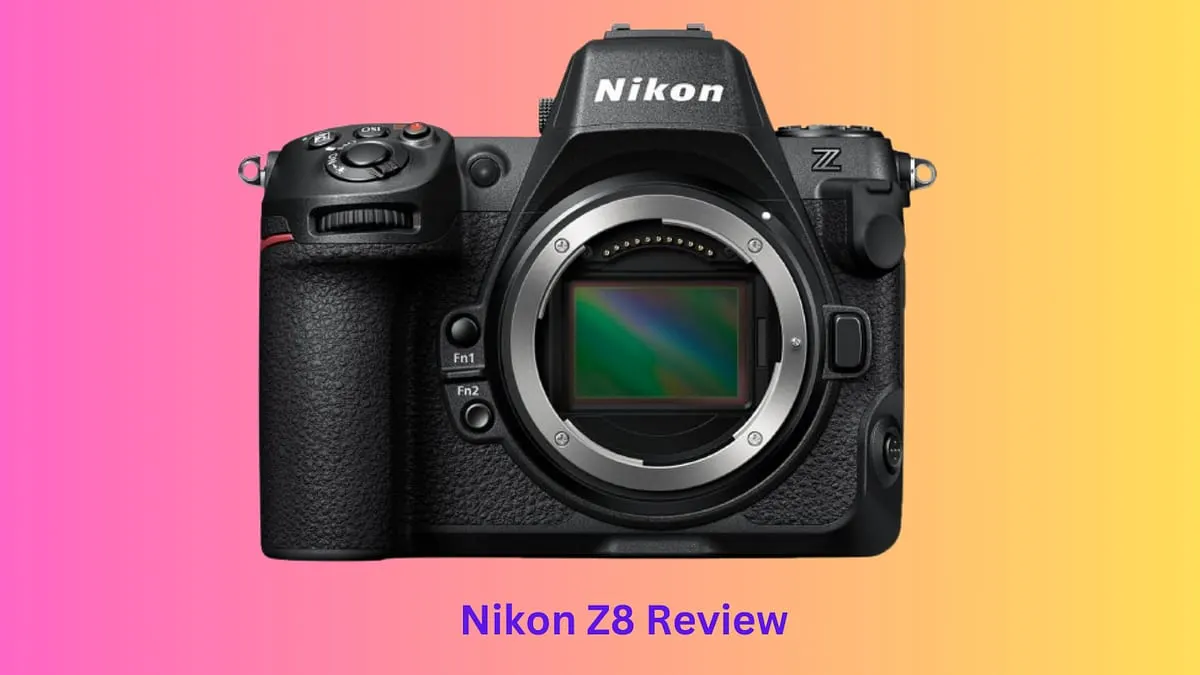
Nikon Z8 Review
A Professional Photographer’s Comprehensive Review — my picks are the Nikon Z8, Canon EOS R5 and Sony a1, with the honest trade-offs of each.
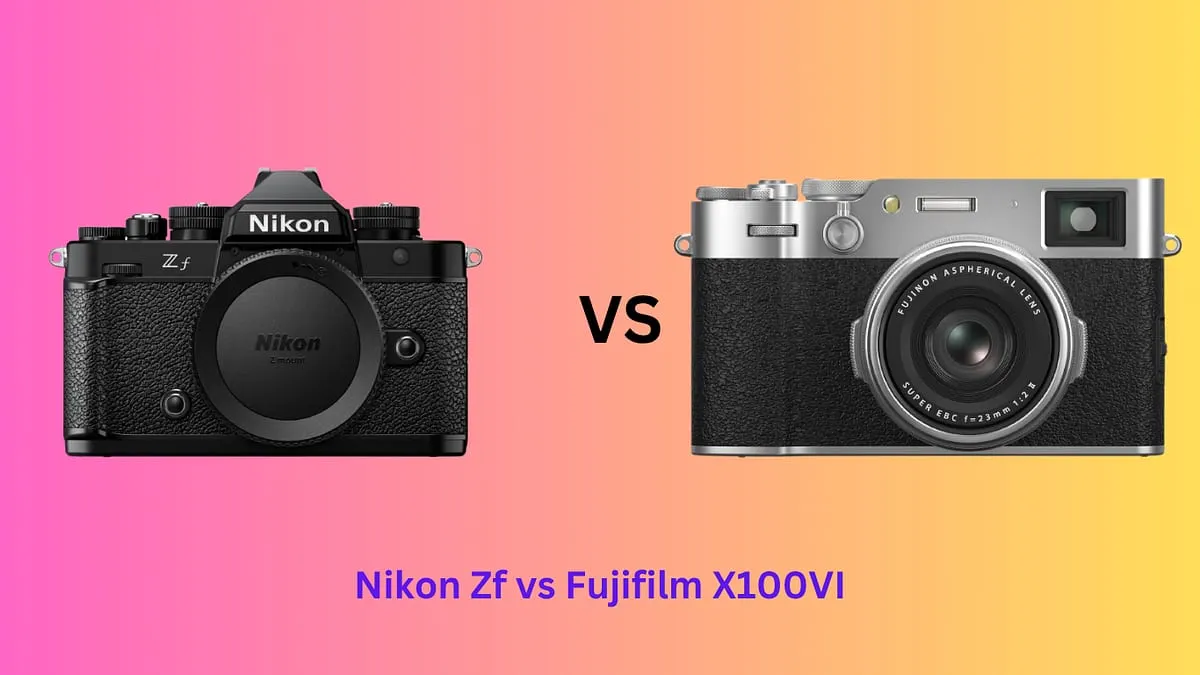
Nikon Zf vs Fujifilm X100VI
The Tactile Dilemma: Why the Fujifilm X100VI and Nikon Zf Forced Me to Rethink Everything
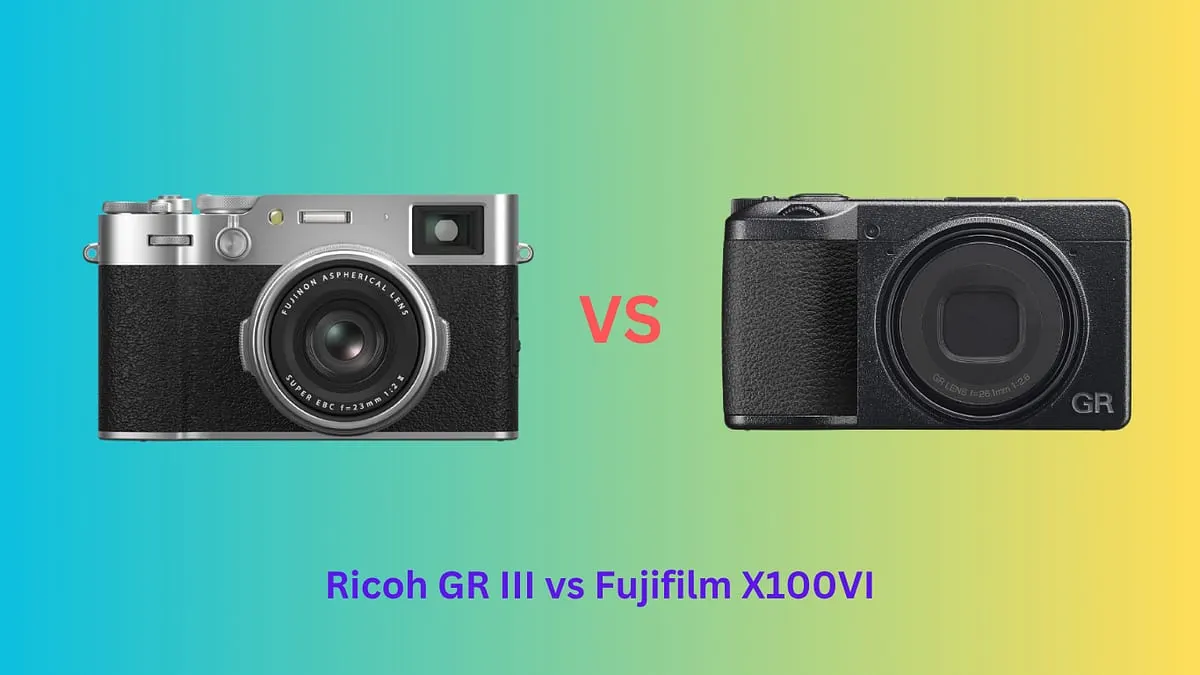
Ricoh GR III vs Fujifilm X100VI
The Camera I Almost Didn’t Buy, and the One I Almost Returned: the Fujifilm X100VI and Ricoh GR III side by side, and the one I would pick myself.