what are some of the best travel photography tips
As an Amazon Associate we earn from qualifying purchases. Some links in this guide are affiliate links — see our affiliate disclosure for details.
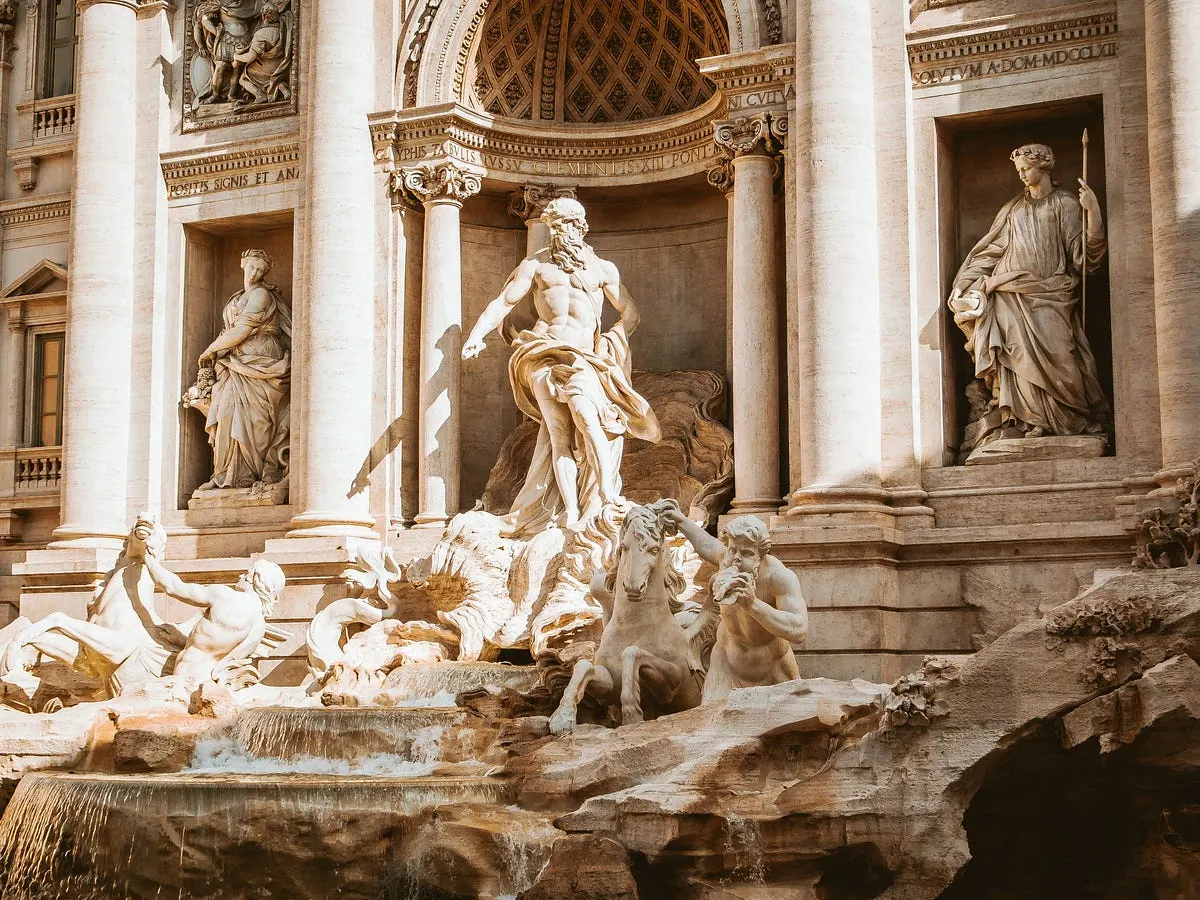
Photo by Chris Czermak on Unsplash
Travel photography is more than just capturing a beautiful landscape or a historic monument. It’s about capturing the essence of a place, the stories of its people, and the emotions it evokes. To help you take your travel photography to the next level, here are some essential tips:
1. Plan Your Shots
- Research Your Destination: Before your trip, research your destination. Identify iconic landmarks, unique cultural experiences, and picturesque locations.
- Golden Hour and Blue Hour: Plan your photography sessions around the golden hour (the hour after sunrise and before sunset) and the blue hour (the time just after sunset and before complete darkness). These times offer soft, warm light that can dramatically enhance your photos.
2. Pack the Right Gear
- Camera: A DSLR or a mirrorless camera with interchangeable lenses offers the most flexibility.
- Lenses: A versatile zoom lens (like a 24–70mm or 24–105mm) is a great choice for general photography. A wide-angle lens can capture expansive landscapes, while a telephoto lens is ideal for capturing distant subjects.
- Tripod: A tripod is essential for long exposures, low-light photography, and capturing sharp images, especially in challenging conditions.
- Filters: Neutral Density (ND) filters can help you capture long exposures during the day, while polarizing filters can reduce reflections and enhance colors.
3. Capture the Culture
- Street Photography: Capture candid moments of local life, market scenes, and street performers. Be respectful and mindful of local customs.
- Portraits: Ask permission before photographing people, and be sensitive to their culture and traditions.
- Cultural Experiences: Immerse yourself in local customs and traditions. Photograph festivals, ceremonies, and traditional activities.
4. Composition and Framing
- Rule of Thirds: Divide your image into thirds both horizontally and vertically. Place your subject along these lines or at their intersections.
- Leading Lines: Use natural lines in the scene (roads, rivers, fences) to guide the viewer’s eye towards your subject.
- Framing: Use natural elements like doorways, arches, or trees to frame your subject.
5. Lighting and Exposure
- Golden Hour: This time offers warm, soft light, ideal for portraits and landscapes.
- Blue Hour: This time provides a dramatic, moody atmosphere, perfect for cityscapes and night photography.
- Metering: Use your camera’s metering modes (evaluative, spot, and center-weighted) to accurately expose your photos.
- White Balance: Adjust your camera’s white balance to ensure accurate color reproduction.
- ISO: Choose the lowest ISO setting possible to minimize noise, especially in well-lit conditions.
6. Editing and Post-Processing
- Software: Use photo editing software like Adobe Lightroom or Photoshop to enhance your images.
- Basic Adjustments: Adjust exposure, contrast, highlights, shadows, and white balance.
- Color Grading: Experiment with different color palettes to create unique moods.
- Cropping: Tighten your composition by cropping out unnecessary elements.
- Sharpening: Enhance details without introducing too much noise.
- Noise Reduction: Minimize noise, especially in high-ISO images.
Remember, the best travel photos are often those that capture the essence of a place and the emotions it evokes. By following these tips and practicing regularly, you can elevate your travel photography and create stunning images that tell your unique travel stories.
Bonus Tip: Don’t be afraid to experiment. Break the rules, try different angles and perspectives, and most importantly, have fun!
Written by
Marien CartelProfessional and Certified Digital Photographer born in the USA, with 22 years of experience in the field of photography.
Related Guides
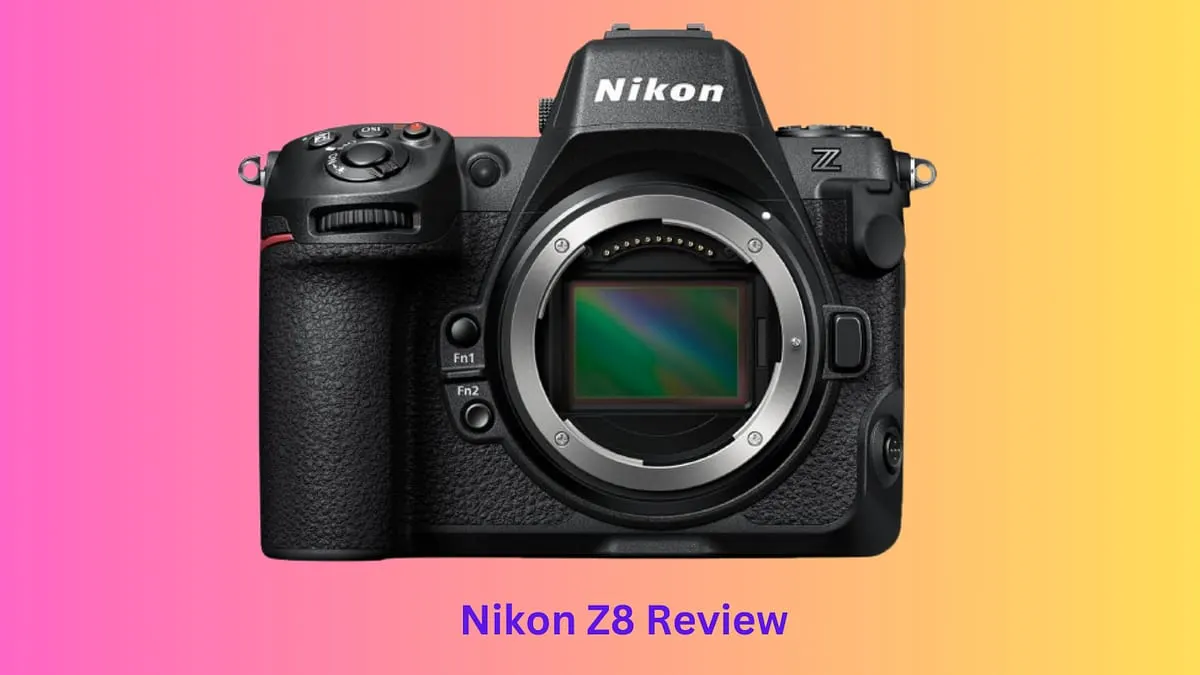
Nikon Z8 Review
A Professional Photographer’s Comprehensive Review — my picks are the Nikon Z8, Canon EOS R5 and Sony a1, with the honest trade-offs of each.
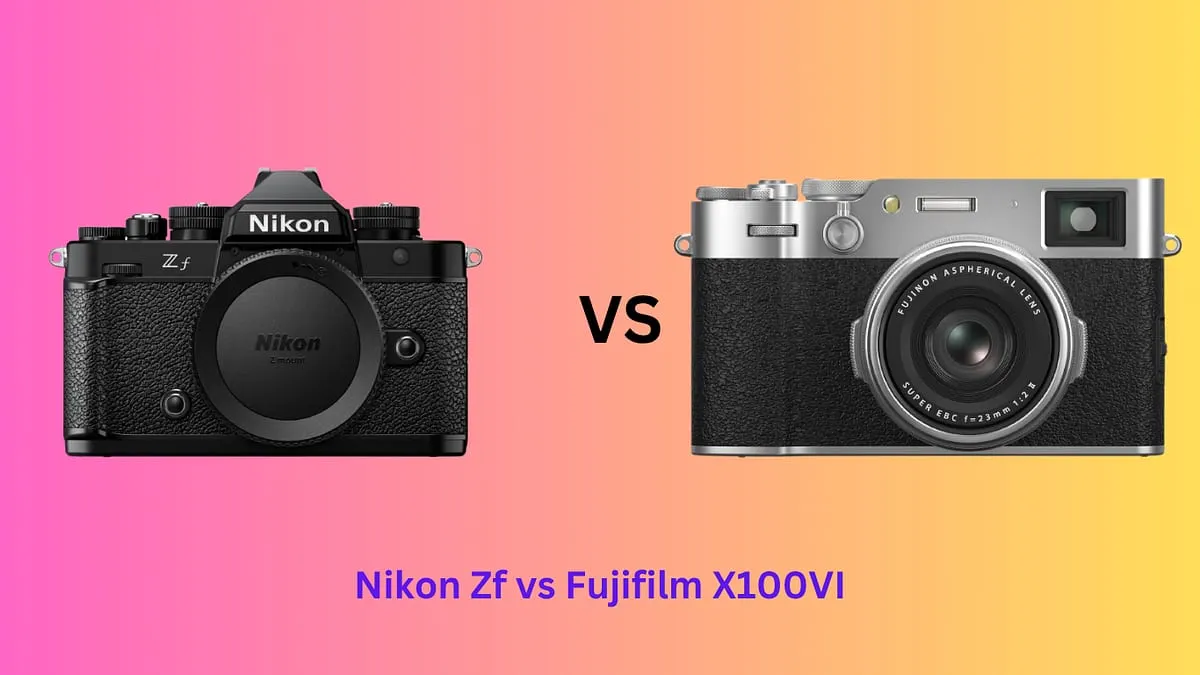
Nikon Zf vs Fujifilm X100VI
The Tactile Dilemma: Why the Fujifilm X100VI and Nikon Zf Forced Me to Rethink Everything
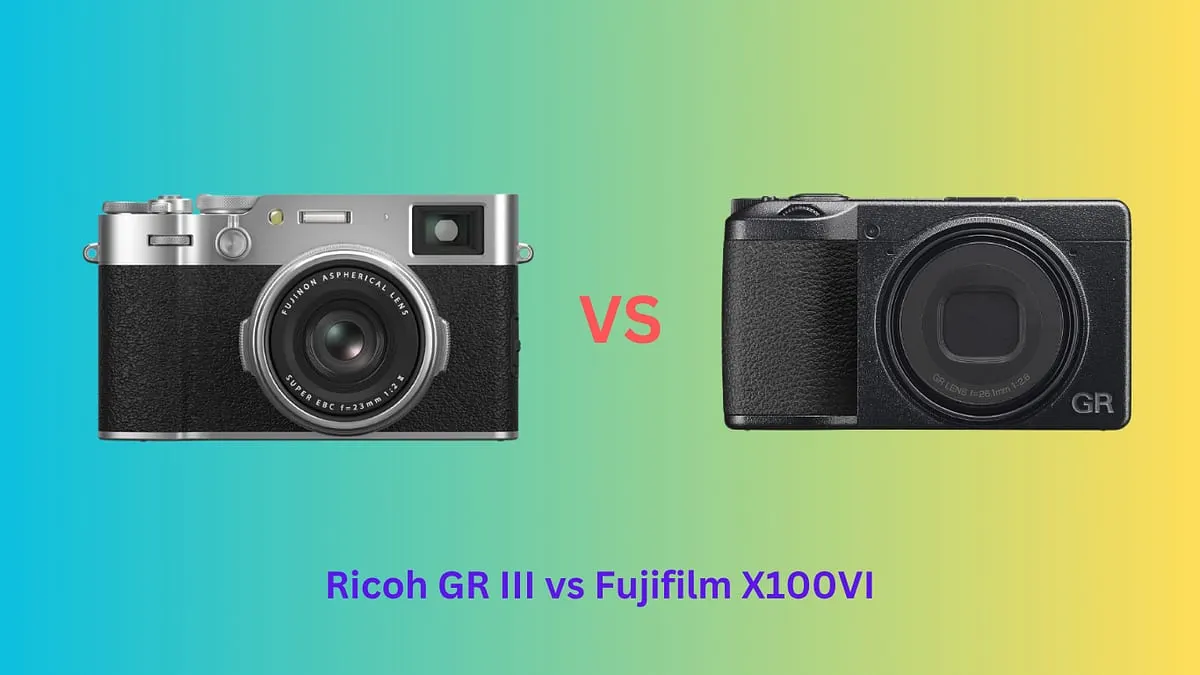
Ricoh GR III vs Fujifilm X100VI
The Camera I Almost Didn’t Buy, and the One I Almost Returned: the Fujifilm X100VI and Ricoh GR III side by side, and the one I would pick myself.