Best Affordable Camera for landscape photography
As an Amazon Associate we earn from qualifying purchases. Some links in this guide are affiliate links — see our affiliate disclosure for details.
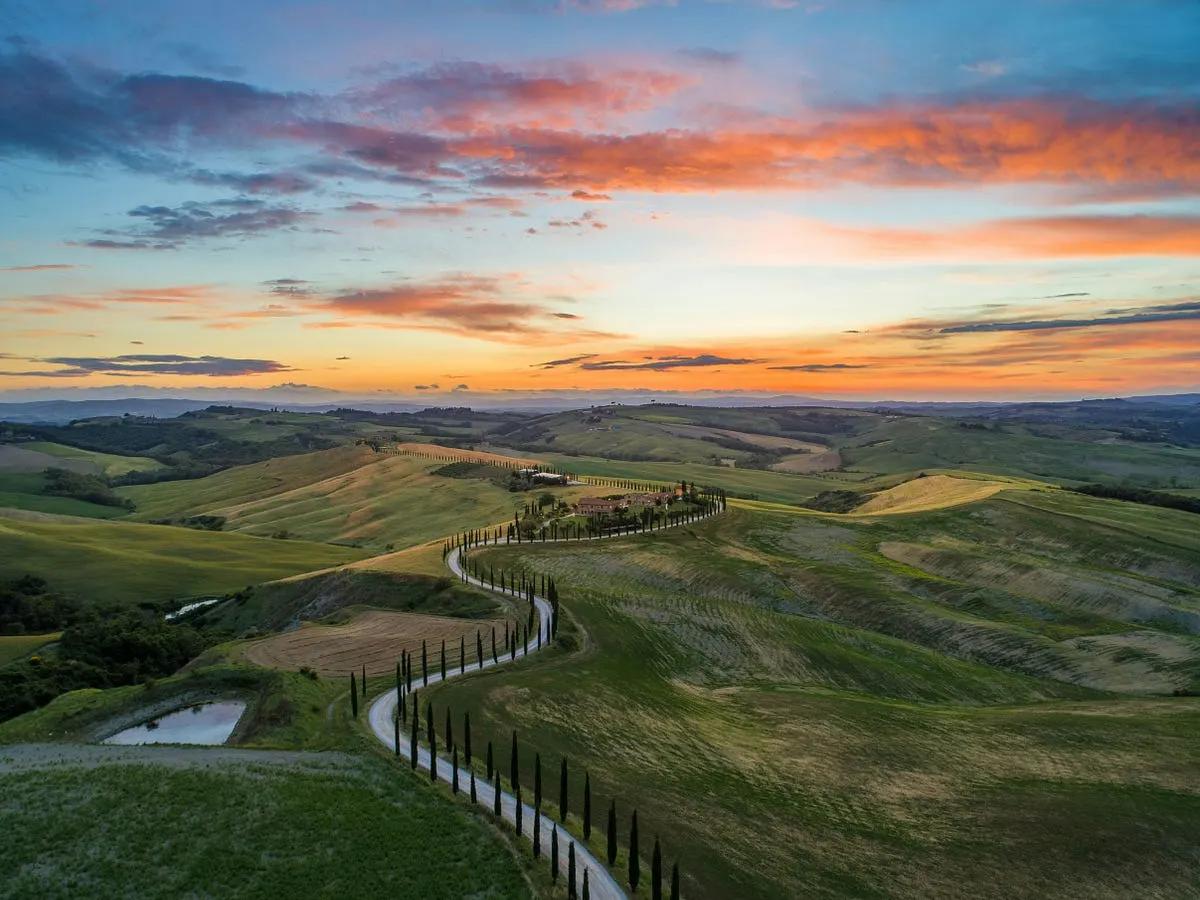
Photo by Luca Micheli on Unsplash
Finding a camera that delivers professional-quality landscape photos without costing several thousand dollars isn’t easy. After comparing dozens of full-frame and APS-C cameras over the past few years, I kept coming back to one model that consistently offered the best value: the Sony a7R III.
I’ve used this camera on mountain hikes, coastal sunsets, waterfalls, and national parks, and it continues to impress me with its incredible image quality, dynamic range, and dependable performance. While newer cameras have added AI autofocus and faster processors, the a7R III still produces images that rival many modern cameras at a fraction of the price. If you’re looking for an affordable landscape photography camera in 2026, here’s why I still recommend it.
When I started shopping for a landscape camera, I considered models like the Sony a7R V, Canon EOS R5, Nikon Z8, and Sony A1. They all deliver incredible image quality, but their prices were far beyond my budget. Instead of spending thousands of dollars on the newest technology, I began researching slightly older professional cameras — and that’s when I discovered the Sony a7R III. Even years after its release, it remains one of the best value full-frame cameras for serious photographers.
Then I discovered what I now consider the sweet spot in landscape photography: a used Sony a7RIII. Let me share my personal experience with this camera and why it became my trusted companion in capturing nature’s beauty.
- Sony a7RIII — View on Amazon
- Sony a7RV — View on Amazon
- Canon EOS R5 — View on Amazon
- Nikon Z7 II — View on Amazon
- Sony A1 — View on Amazon
Sony a7RIII
Why the Sony a7R III Is Still Worth Buying in 2026
Technology moves quickly, but image quality doesn’t become outdated overnight. The Sony a7R III still features a 42.4MP full-frame sensor with exceptional dynamic range, making it ideal for landscapes where preserving highlight and shadow detail is critical.
It also supports dual SD card slots, in-body image stabilization (IBIS), Eye AF, weather-resistant construction, USB-C charging, and excellent battery life. Combined with Sony’s extensive E-mount lens ecosystem, it remains one of the smartest long-term investments for photographers who want professional results without paying flagship prices.
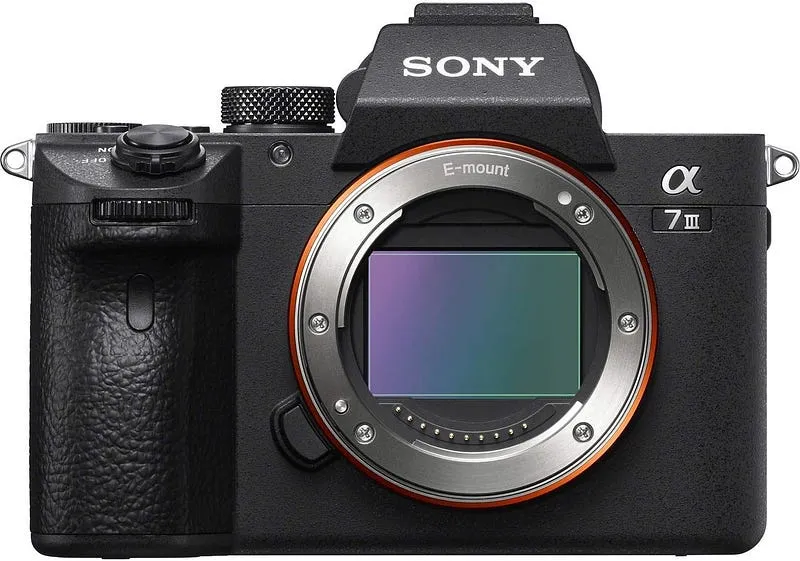
Sony a7R III Key Specifications
- Sensor: 42.4MP Full-Frame BSI CMOS
- Dynamic Range: Excellent
- Image Stabilization: 5-axis IBIS
- Battery Life: Approx. 650 shots
- Memory Cards: Dual SD Slots
- Weather Sealing: Yes
- Best For:
- Landscapes
- Travel
- Nature
- Fine Art Prints
The Dynamic Range Discovery
My first “aha” moment came during a sunrise shoot at the Grand Canyon. The scene before me was challenging — deep shadows in the canyon while the rising sun created brilliant highlights on the rim. Previously, with my older camera, I’d have to choose between exposing for the shadows or the highlights.
But the a7RIII’s impressive dynamic range handled it beautifully, capturing both the subtle details in the shadowy depths and the golden light on the canyon walls. This capability matches what you’d find in today’s top-tier cameras, but at half the price.
One reason I still consider the Sony a7R III the best budget landscape camera is its ability to produce professional-quality images without the premium price tag of today’s flagship models. If you’re searching for an affordable full-frame camera that delivers exceptional detail, this model continues to be one of the smartest investments for landscape photographers.
Whether I’m photographing mountain peaks, waterfalls, forests, or coastal sunsets, this mirrorless camera for landscapes consistently captures rich colors, sharp details, and excellent dynamic range. It’s also one of my favorite choices for nature photography, especially when shooting during sunrise or sunset when lighting conditions change rapidly.
Resolution: More Than Just Numbers
The 42-megapixel sensor proved its worth during an unexpected encounter with a distant eagle perched on a cliff. Using the camera’s crop mode, I effectively turned my 100mm lens into a 150mm, maintaining enough resolution for a detailed shot. This flexibility has saved me countless times when I couldn’t physically get closer to my subject.
I particularly love using the crop feature during my mountain photography sessions. On one memorable hike, I started with wide landscape shots of an entire mountain range, then cropped in-camera to capture intimate details of a weathered tree clinging to the rocky slope. Having this versatility without changing lenses is invaluable when you’re miles from civilization.
Real-World Usability
Coming from bulkier DSLR systems, the a7RIII’s compact size was a revelation during my three-day backpacking trip in the Rockies. The lighter weight meant I could carry additional lenses without feeling overburdened. The battery life, which I was initially concerned about, lasted through entire day-long shoots — a significant improvement over older mirrorless cameras.
I’ve set up custom buttons to quickly switch between my most-used settings: one for focusing patterns, another for exposure bracketing, and a third for switching to crop mode. This customization has helped me catch fleeting moments of light that would have been missed while diving through menus.
Future-Proofing My Investment
What really sealed the deal for me was knowing this camera wouldn’t become obsolete when I eventually upgrade. All my Sony lenses, batteries, and memory cards will work with newer models like the a7RV or A1. This compatibility has already saved me money compared to friends who had to completely replace their systems when upgrading from older DSLR systems.
The Reality Check: Not All Perfect
I’d be remiss not to mention the few times I’ve been caught in sudden downpours, feeling more nervous about my a7RIII than I did with my old weather-sealed DSLR. While the camera has always pulled through, I do take extra precautions in harsh weather. And yes, the menu system took some getting used to — I spent several frustrating evenings learning its quirks. But these minor drawbacks pale in comparison to the camera’s capabilities.
If you’re looking for the best camera under $1500, especially on the used market, the Sony a7R III deserves serious consideration. Its combination of high resolution, reliable autofocus, excellent battery life, and impressive dynamic range for landscape photography makes it competitive with many newer models that cost significantly more.
After using it in a variety of environments, I can confidently say this is one of the most dependable options for anyone seeking an affordable Sony camera for travel, mountain photography, and large landscape prints
My Verdict
After years of using the Sony a7R III, I still believe it’s one of the best affordable full-frame cameras for landscape photography. Its outstanding resolution, wide dynamic range, dependable battery life, and access to Sony’s growing E-mount lens lineup make it an excellent choice for hobbyists and professionals alike.
If your priority is image quality rather than having the newest camera on the market, the Sony a7R III continues to deliver exceptional value in 2026. Rather than chasing the latest release, I’d invest the savings in a high-quality wide-angle lens and spend more time exploring beautiful locations — the images you create will matter far more than the release date printed on your camera.
Some Frequently Asked Questions.
Why choose a used a7RIII over a brand-new “entry-level” mirrorless camera?
Most new entry-level cameras in the $1,000–$1,500 range have 24-megapixel sensors. The a7RIII gives you 42.4 megapixels. For landscape photographers, that extra resolution is the difference between a nice photo and a gallery-quality print where you can see every individual leaf and rock texture.
Is the weather sealing on the a7RIII reliable for professional landscape work?
As I mentioned in my story, it can feel a bit nerve-wracking compared to a tank-like DSLR. While the a7RIII is weather-sealed, it’s not “waterproof.” If you’re shooting in heavy mist or light rain, I always recommend a simple silicone cover or a small rain sleeve. It’s a small price to pay to protect such a high-performing sensor!
Won’t the 42MP files slow down my computer or fill up my hard drive?
It’s a valid concern! High-resolution images create larger file sizes. I found that I needed to upgrade to faster V30 or V60 SD cards to keep the camera from lagging during bursts. For storage, I now use a dedicated external SSD for my landscape catalog. The extra detail is worth the extra gigabytes!
What lens should I pair with this for the “ultimate” affordable landscape kit?
To keep the “affordable” theme going, I highly recommend looking at Tamron or Sigma E-mount lenses. The Tamron 17–28mm f/2.8 or the Sigma 24–70mm f/2.8 Art are significantly cheaper than Sony’s “G-Master” glass but are sharp enough to take full advantage of that 42MP sensor.
Is the menu system really that difficult to navigate?
Coming from a DSLR, the Sony “endless list” menus can be a shock. My tip: Use the “My Menu” tab. I’ve programmed my most-used landscape settings — like Focus Magnification, Silent Shooting, and Format — into that one custom tab so I almost never have to hunt through the main menu in the field.
Can beginners use the Sony a7R III?
Yes. While it includes many advanced features, beginners can easily grow into the camera. Auto mode works well for learning, and as your skills improve, you can explore manual settings, exposure bracketing, focus magnification, and custom buttons without needing to upgrade your camera.
What is the best lens for landscape photography with the Sony a7R III?
For wide landscape scenes, I recommend lenses like the Sony FE 16–35mm f/4 G PZ or the Tamron 17–28mm f/2.8. If you’re looking for a versatile everyday lens, the Sigma 24–70mm f/2.8 Art is an excellent choice and offers outstanding sharpness for landscapes.
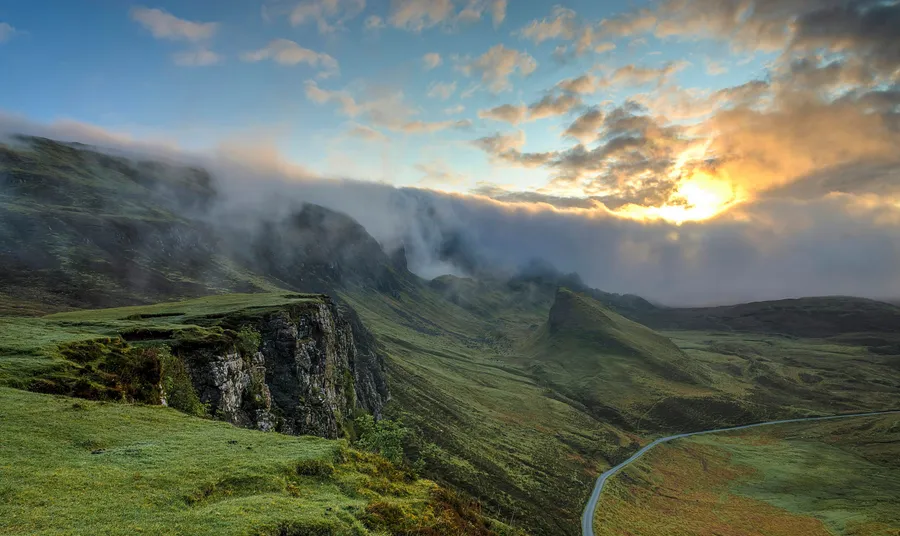
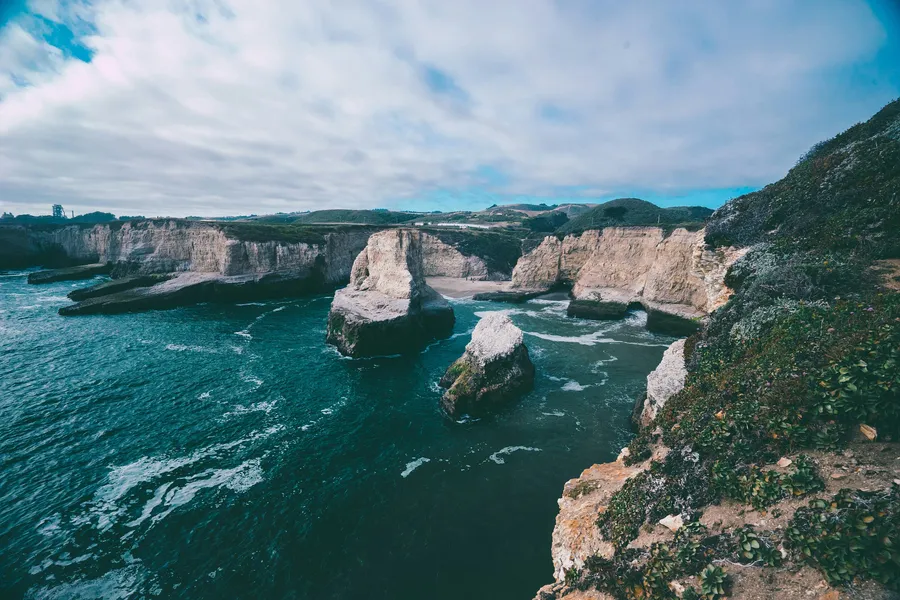
Photo by Joseph Barrientos on Unsplash
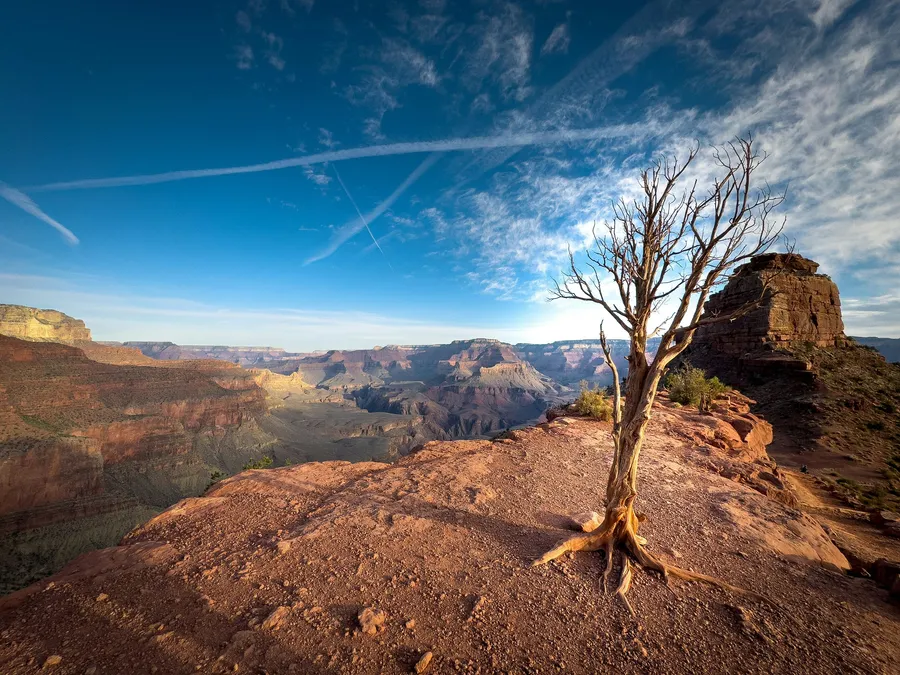
Photo by Danny Shives on Unsplash
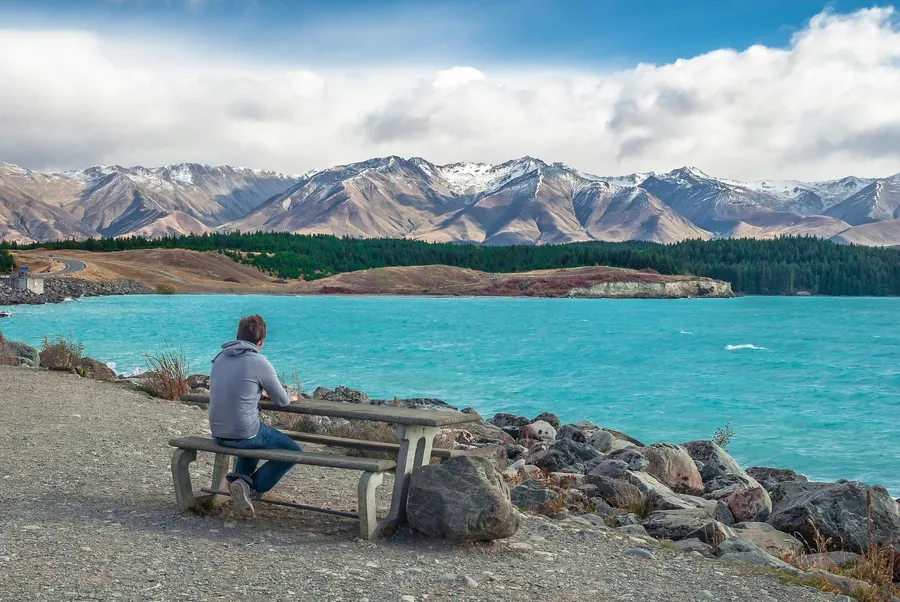
Photo by Nikolay Loubet on Unsplash
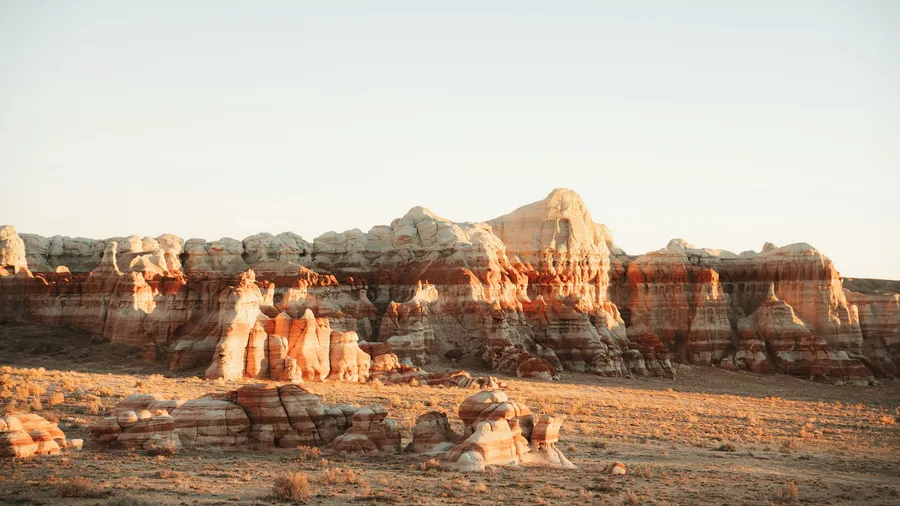
Photo by Brady Stoeltzing on Unsplash

Written by
Marien CartelProfessional and Certified Digital Photographer born in the USA, with 22 years of experience in the field of photography.
Related Guides
Best Camera for Automotive Photography
What I Actually Reach For When I’m Shooting Cars. Here is how the Canon EOS R5, Sony a7 IV and Nikon Z6 III compare, and the one I keep going back to.
Best Cameras for Virtual Production
After I Wasted a Full Shoot Day Finding Out — why the Sony FX6 and Sony FX9 made the list, and who each one really suits.
Best DSLR Cameras for Beginners: (Guide & Reviews)
My Hands-On Experience with the Best Beginner-Friendly Cameras — why the Canon EOS Rebel T7 and Nikon D3500 made the list, and who each one really suits.