Best APS-C Compact Camera
As an Amazon Associate we earn from qualifying purchases. Some links in this guide are affiliate links — see our affiliate disclosure for details.
Remember that drawer? The one stuffed with old point-and-shoots, their batteries long dead, sensors dusty relics of forgotten vacations? That was me for years. I loved photography, craved beautiful images, but lugging around a bulky DSLR felt like homework. My phone was convenient, sure, but the photos… they always felt flat. Missing that spark, that depth, that something I saw in the work of photographers I admired.
Then, on a trip to Tokyo, drowning in neon and sensory overload, I saw it. A friend, effortlessly navigating the chaotic streets of Shinjuku, wasn’t wrestling with a giant lens. Instead, she held this sleek, retro-looking thing — a Fujifilm X100F. She raised it, clicked, and the satisfying snick of the shutter cut through the city hum. I was intrigued.
My Journey with the Tiny Titan
That chance encounter sparked research. I discovered the world of APS-C compact cameras. They promised DSLR-level image quality (thanks to the larger sensor compared to tiny phone sensors or 1-inch compacts) in a body I could actually live with. No bag, no lens changes, just pure photography.
I eventually took the plunge on a used Fujifilm X100V (the successor to the F). Here’s how it changed everything:
- It Came Everywhere: This was the revolution. It slid into my everyday bag, my jacket pocket (just!), my glove compartment. Suddenly, I wasn’t planning photography sessions; I was living them. Candid street moments, the way light hit my coffee cup on a rainy morning, my dog’s ridiculous sleeping pose — I captured life as it happened, not just on designated “photo days.”
- The Joy of Physical Controls: Twisting an aperture ring on the lens, adjusting shutter speed with a dedicated dial, flicking the exposure compensation dial — it felt tactile, intentional, and deeply satisfying. It slowed me down, made me think about the craft of the image, not just tapping a screen.
- Image Quality That Blew My Phone Away: The jump was astounding. The detail in the foliage, the beautiful blur (bokeh) isolating subjects, the way it handled tricky light — especially low light without turning everything into noisy mush. The Fuji’s film simulations (like Classic Chrome and Acros) became addictive, giving my photos a distinct, beautiful look straight out of camera.
- Discreetness = Candidness: Its small size and quiet shutter made people less aware of the camera. Street photography became less intimidating. I could capture genuine moments without feeling like a paparazzo.
- Limitations Became Liberating: The fixed 23mm f/2 lens (equivalent to 35mm on full-frame) forced me to move my feet, recompose, and truly understand that focal length. Instead of feeling restricted, I felt focused. It honed my vision.
Was it perfect? No. Low-light autofocus could hunt occasionally. I sometimes craved a longer reach. But the trade-offs were so worth it for the sheer convenience and image quality packed into that beautiful little body. It rekindled my passion, turning photography from a chore back into a daily joy.
So, What Are the Best APS-C Compact Contenders Today?
Based on my experience and deep dive into this niche, here are the champions:
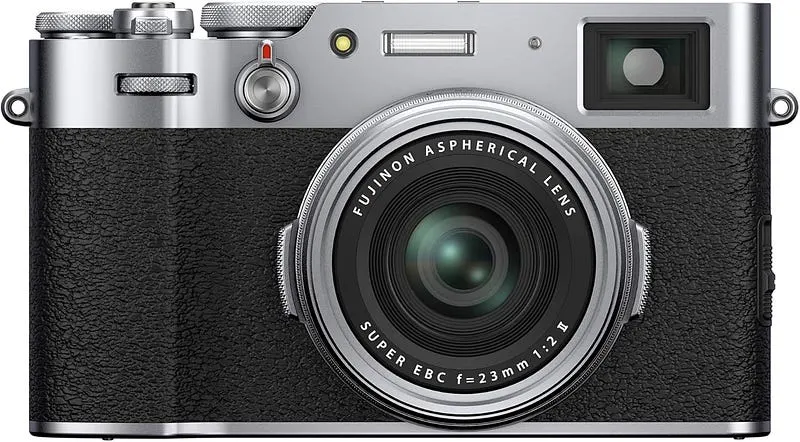
Fujifilm X100 Series (Currently X100VI): The undisputed king for a reason. It offers:
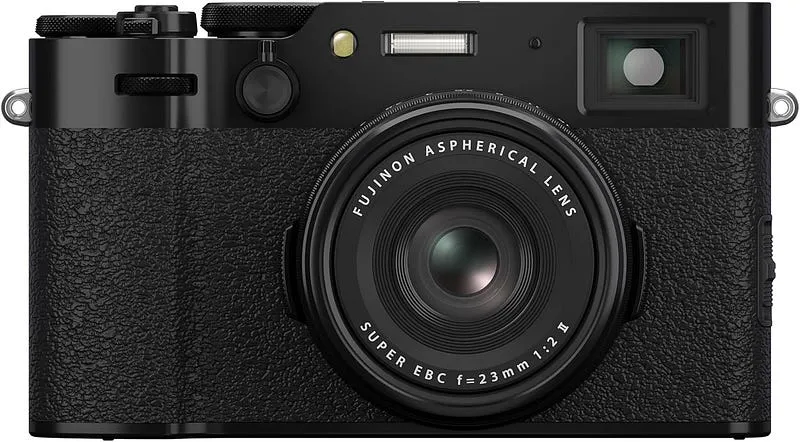
- Iconic Design & Handling: Pure retro joy with dials for everything.
- Superb 23mm f/2 Lens: Sharp, characterful, great in low light.
- Hybrid Viewfinder: Optical (OVF) for a classic feel or Electronic (EVF) for precision — a unique and brilliant feature.
- Outstanding JPEGs & Film Sims: Makes getting great colors SO easy.
- Latest X100VI Boasts: 40MP sensor, in-body image stabilization (IBIS), improved autofocus, and 6-stop ND filter.
- The Downside: Highest price point, fixed lens, high demand can mean waiting lists.
Ricoh GR III / GR IIIx: The ultimate pocket powerhouse.
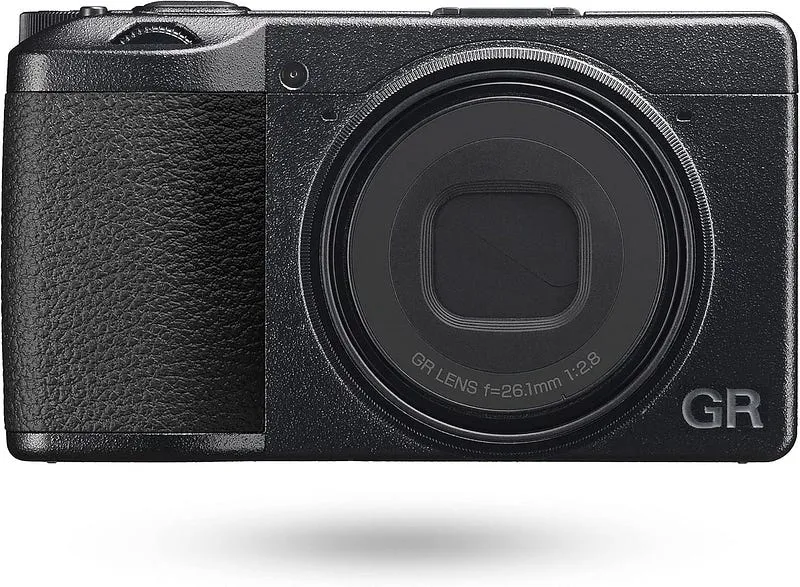
- Unmatched Portability: Seriously slips into a jeans pocket.
- Sharp 28mm f/2.8 (GR III) or 40mm f/2.8 (GR IIIx) Lens: Legendary GR lens quality.
- Snap Focus: Genius feature for hyper-fast zone focusing in street photography.
- Positive Film Sim: Beloved by enthusiasts for its unique, vibrant look.
- IBIS: Great for low-light handheld shots.
- The Downside: No viewfinder (optional hotshoe one available), smaller battery, less tactile handling than Fuji, minimalist controls (pro for some, con for others).
Fujifilm XF10 (If you can find it!): The budget-friendly Fuji option.
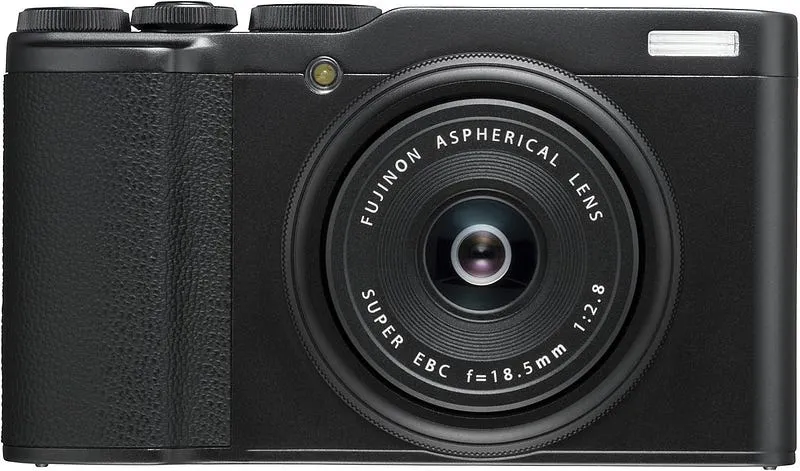
- True Pocketability: Smaller and lighter than the X100 series.
- 28mm f/2.8 Lens: Wider field of view.
- Shares Fuji JPEG Magic: Great film simulations.
- The Downside: Older sensor/processor (slower AF, no IBIS), fixed screen, largely discontinued but sometimes found used. Shows its age compared to the others.
Which One is “Best” for YOU?
- Want the ultimate experience, viewfinder, and tactile joy? Fujifilm X100VI (or hunt for a used V/F) is worth the investment if you can swing it.
- Need absolute pocketability and stealth? Ricoh GR III/IIIx is unbeatable. Choose the focal length (28mm or 40mm) that suits your eye.
- On a tight budget and prioritize size/JPEGs? Hunt for a used XF10, but be aware of its limitations.
The Takeaway (From My Drawer to My Daily Companion)
Moving from a neglected drawer of forgotten cameras to having an APS-C compact as my constant companion transformed my photography. It wasn’t about having the most capable gear, but the right gear that removed barriers and inspired me to shoot every single day.
If you’re frustrated with your phone’s limitations but dread the bulk of an interchangeable lens camera, an APS-C compact could be your revelation. It was mine. It gave me back the joy of seeing, capturing, and creating — effortlessly woven into the fabric of my everyday life. What are you looking to capture? Maybe one of these tiny titans holds the key.

Photo by Nguyen TP Hai on Unsplash
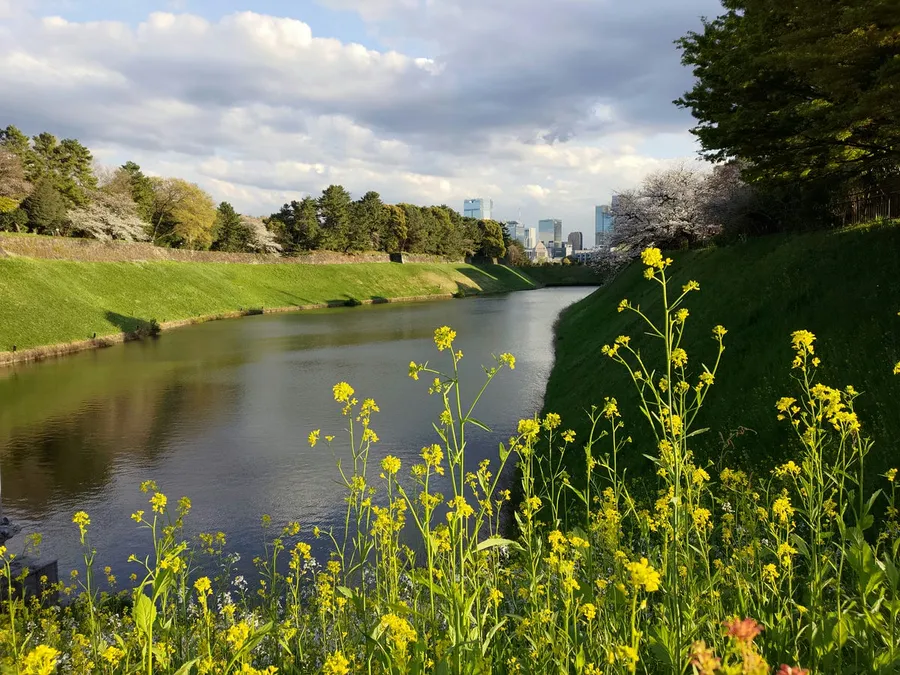
Photo by Juan Pablo Parra Sandoval on Unsplash

Photo by Masoud Mostafaei on Unsplash
Written by
Marien CartelProfessional and Certified Digital Photographer born in the USA, with 22 years of experience in the field of photography.
Related Guides
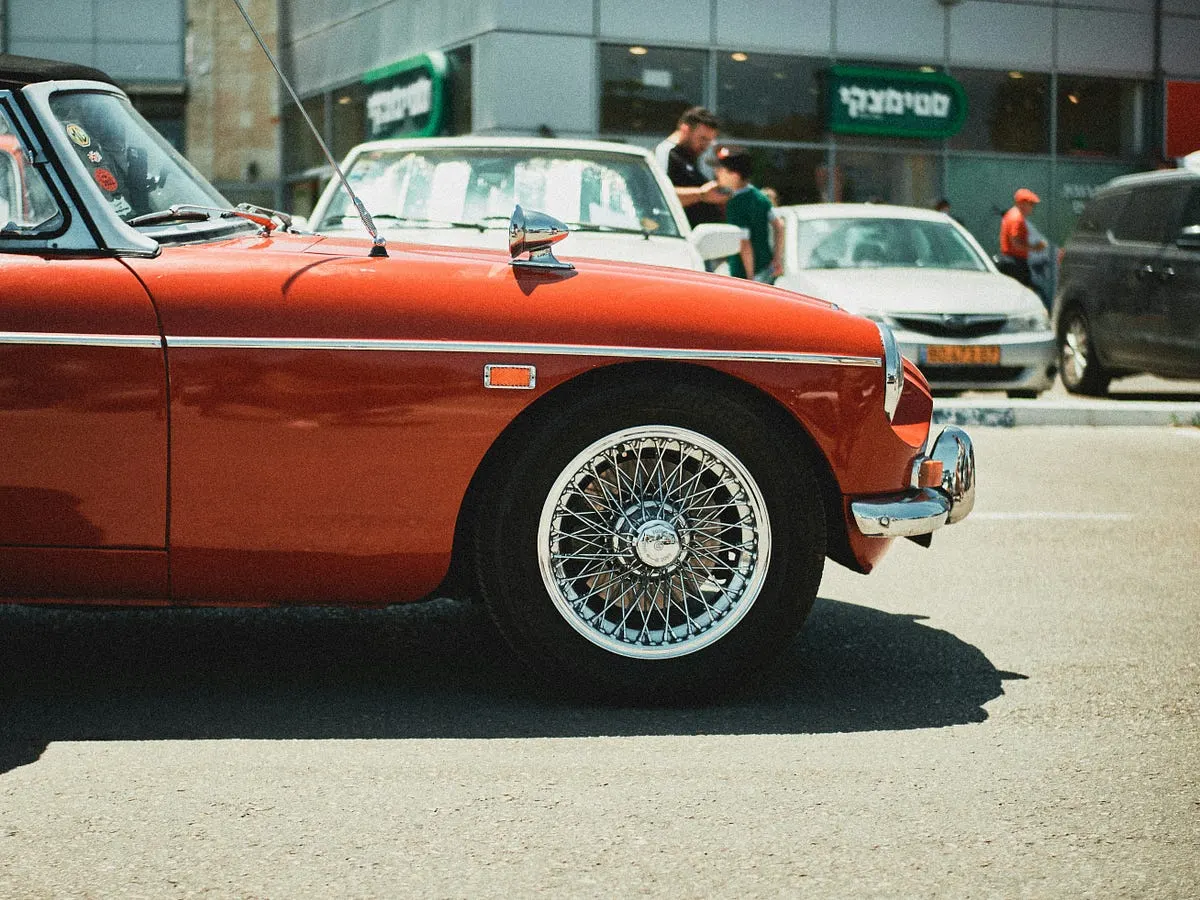
Best Camera for Automotive Photography
What I Actually Reach For When I’m Shooting Cars. Here is how the Canon EOS R5, Sony a7 IV and Nikon Z6 III compare, and the one I keep going back to.
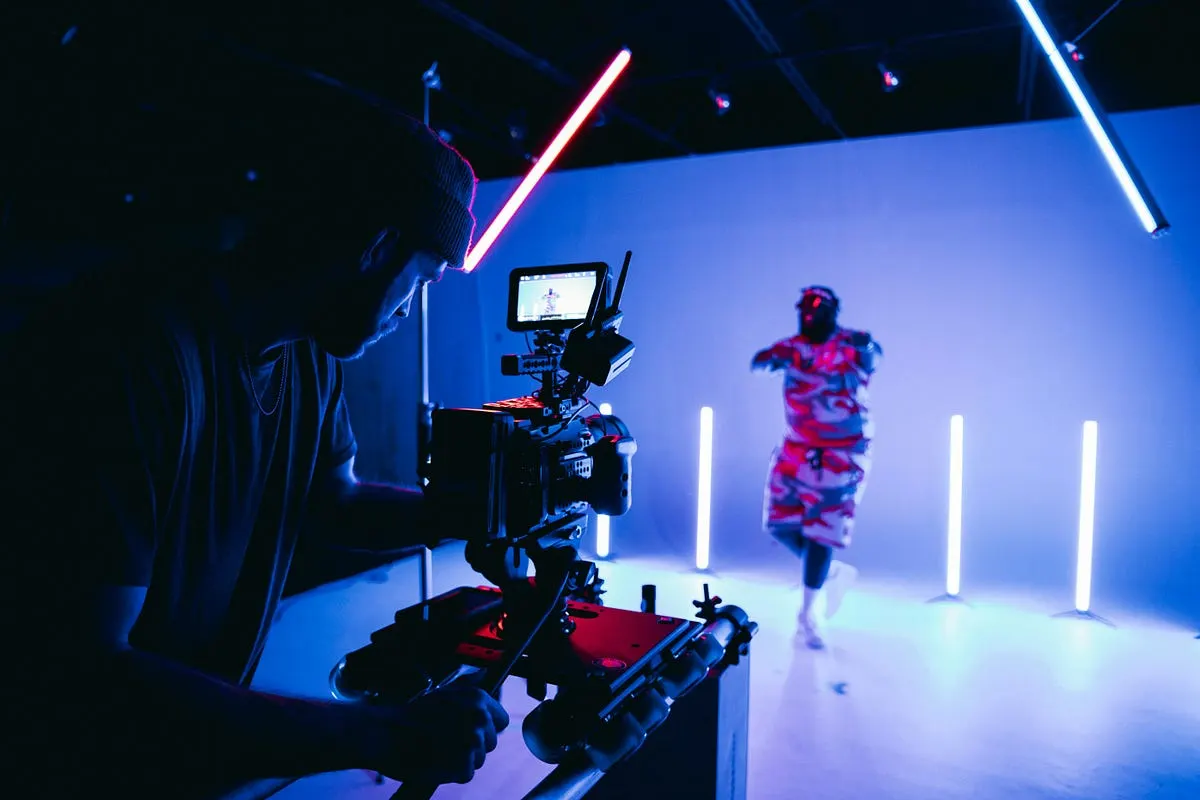
Best Cameras for Virtual Production
After I Wasted a Full Shoot Day Finding Out — why the Sony FX6 and Sony FX9 made the list, and who each one really suits.
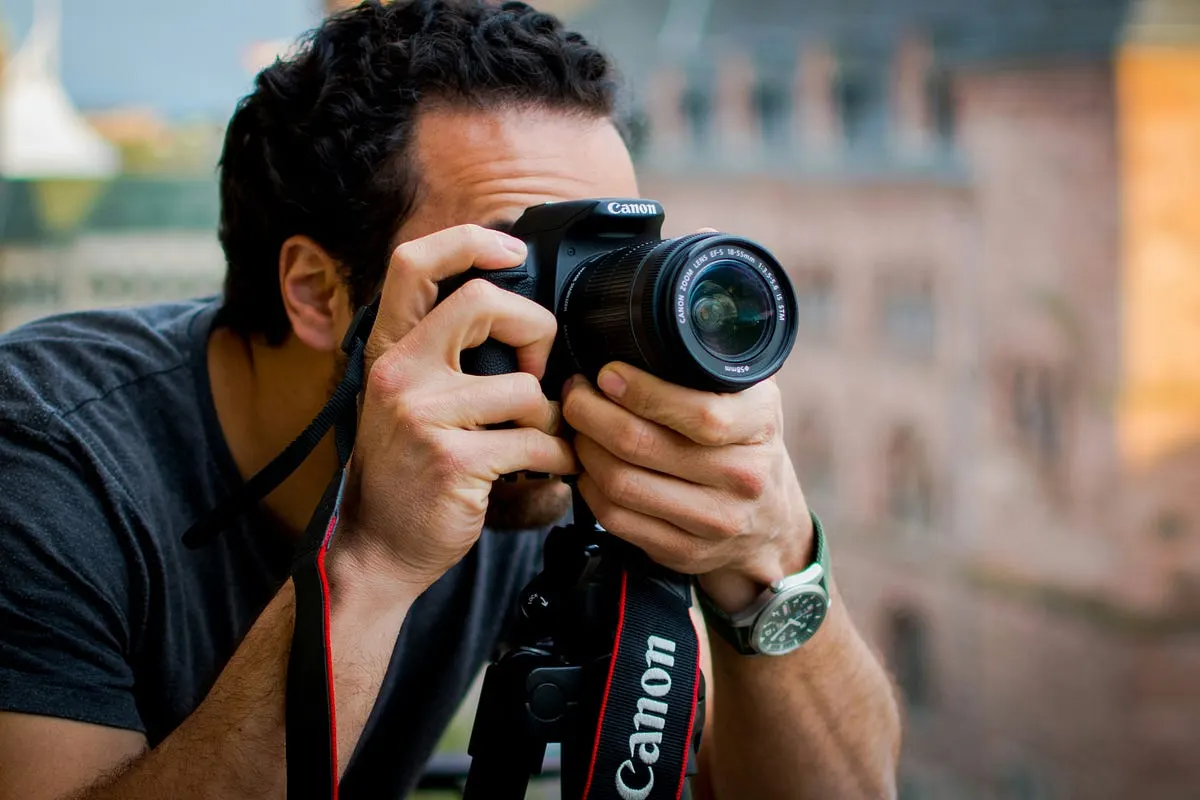
Best DSLR Cameras for Beginners: (Guide & Reviews)
My Hands-On Experience with the Best Beginner-Friendly Cameras — why the Canon EOS Rebel T7 and Nikon D3500 made the list, and who each one really suits.