Best Camera for Backpacking
As an Amazon Associate we earn from qualifying purchases. Some links in this guide are affiliate links — see our affiliate disclosure for details.
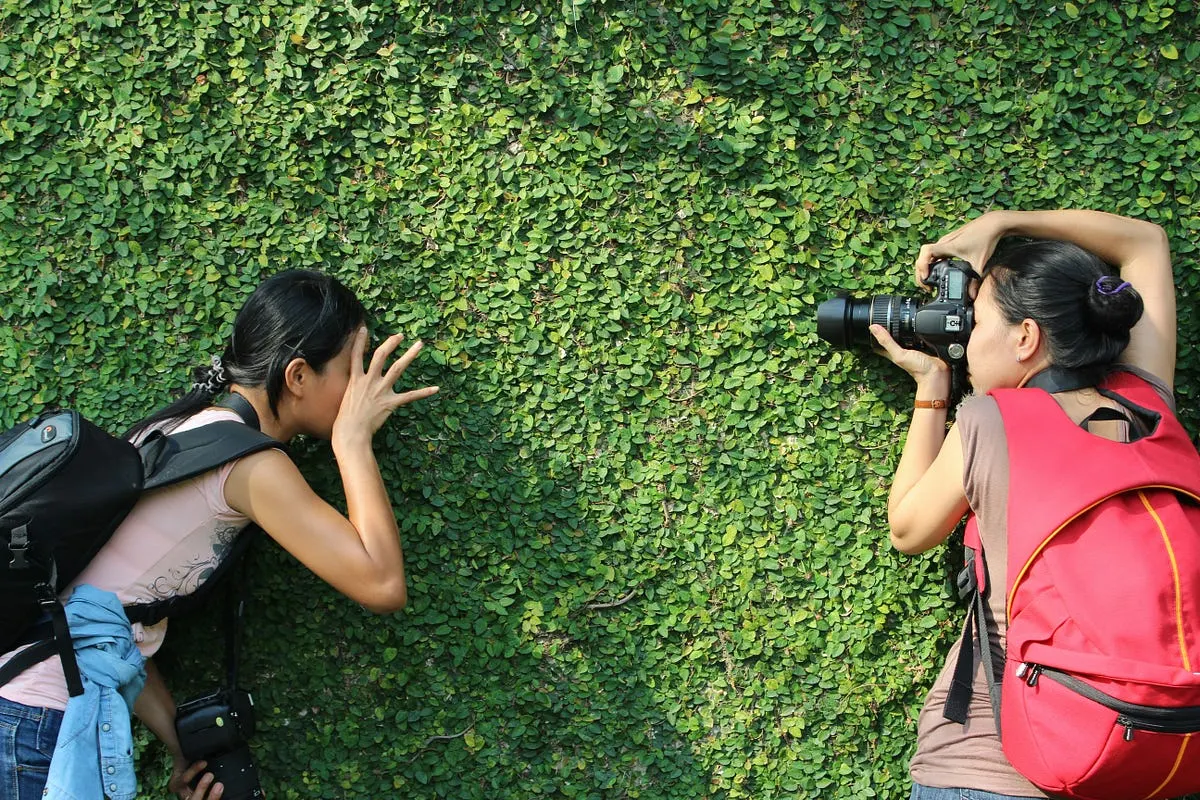
Photo by Tam Nguyen on Unsplash
When it comes to backpacking, every ounce matters. But so do memories. As someone who’s spent years trekking through mountains, deserts, and forests, I’ve learned that the right camera can make or break your adventure photography. After testing multiple options — from bulky DSLRs to smartphone cameras — I’ve finally found my perfect match. Here’s my story and the lessons I’ve learned along the way.
My First Backpacking Camera Mistake
On my first major backpacking trip through the Rockies, I made a rookie mistake: I brought my full-frame DSLR. The camera itself was fantastic for image quality, but after three days of hiking with that beast (plus extra lenses and a tripod), my shoulders were screaming. I barely used it because pulling it out of my pack was such a hassle. By the end of the trip, most of my “memories” were just iPhone snapshots.
That’s when I realized — a backpacking camera needs to balance weight, durability, and image quality.
The Contenders: What I Tried Next
1. Smartphone (iPhone 13 Pro)
- Pros: Ultra-light, always accessible, great computational photography.
- Cons: Limited zoom, poor performance in low light, risk of draining battery.
- Verdict: Great for casual shots but not enough for serious landscapes or wildlife.
Best Camera for Professional Photography
Finding the Perfect Camera for Professional Photography
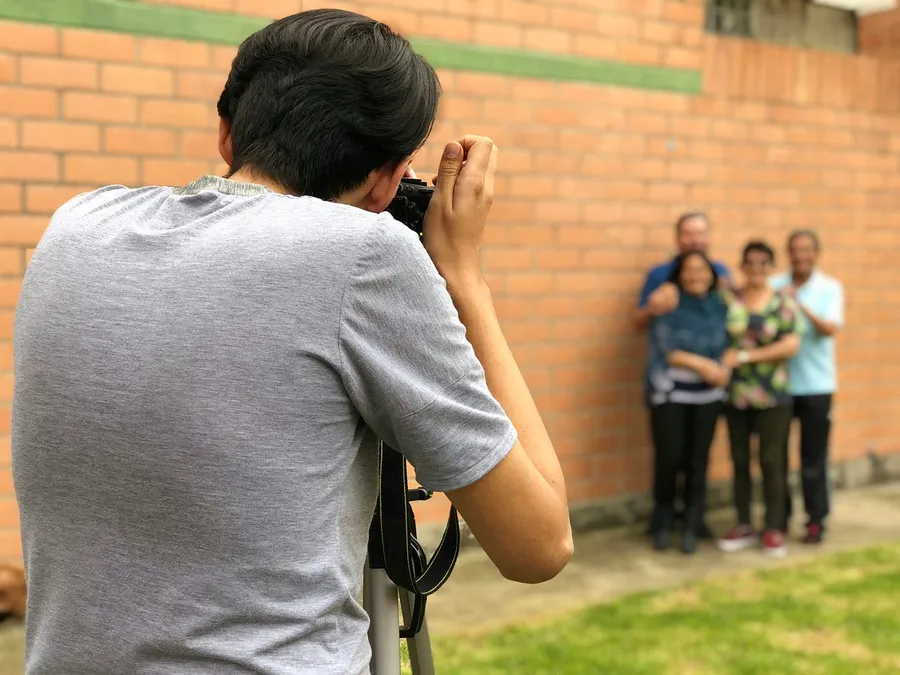
Photo by Gerson Crespo on Unsplash
When I first dipped my toes into the world of professional photography, I was overwhelmed by the sheer number of camera options available. As a budding photographer, I wanted a camera that could grow with me, one that would deliver stunning image quality, handle various lighting conditions, and withstand the demands of frequent use. After years of trial, error, and countless hours of research, I finally found the best camera for professional photography — at least for me. Let me take you through my journey and share my insights on what makes a camera truly great for professional work.
The Early Days: Learning the Ropes
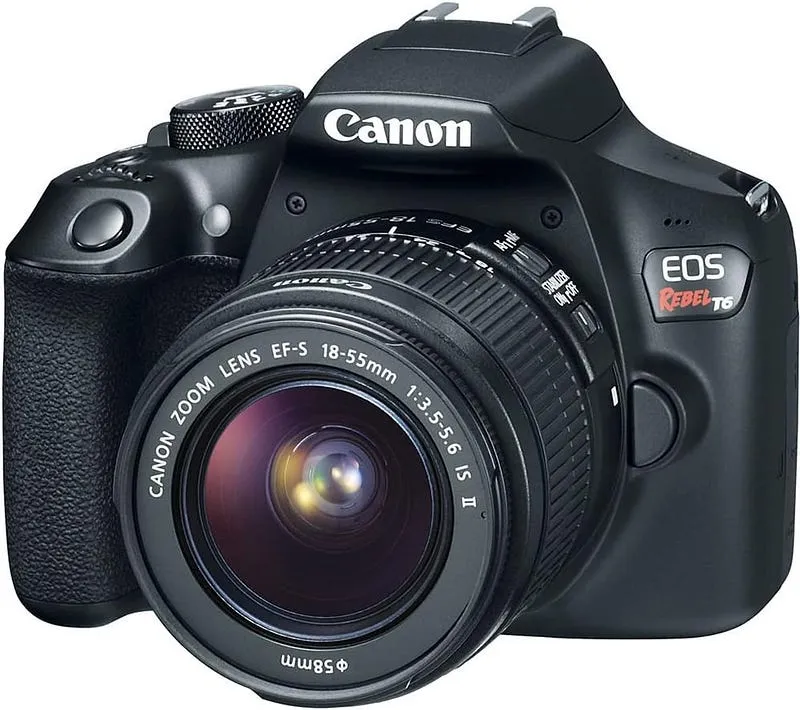
My photography journey began with a simple DSLR — a Canon EOS Rebel T6. It was an entry-level camera, perfect for learning the basics of aperture, shutter speed, and ISO. I spent hours experimenting with different lenses, shooting everything from landscapes to portraits. While the T6 was a great starting point, I quickly realized its limitations. The autofocus struggled in low light, the dynamic range was limited, and the build quality didn’t feel robust enough for professional use.
I knew I needed an upgrade, but I also knew that investing in a high-end camera was a big decision. I didn’t want to make the wrong choice, so I started researching and testing different models.
2. Sony RX100 VII (Compact Point-and-Shoot)
- Pros: Pocket-sized, 24–200mm zoom, excellent autofocus.
- Cons: Small sensor struggles in low light, not as rugged.
- Verdict: A solid lightweight option, but I wanted something tougher.
3. Fujifilm X-T30 II (Mirrorless APS-C)
- Pros: Lightweight, incredible image quality, film simulations for SOOC (straight-out-of-camera) shots.
- Cons: Still requires extra lenses, not fully weather-sealed.
- Verdict: Almost perfect, but I needed something more durable.
4. Olympus OM-D E-M5 Mark III (Micro Four Thirds)
- Pros: Weather-sealed, compact, great stabilization, lighter lenses.
- Cons: Smaller sensor means slightly worse low-light performance.
- Verdict: A strong contender, but I wanted better battery life.
The Winner: Fujifilm X-T5 (My Ultimate Backpacking Camera)
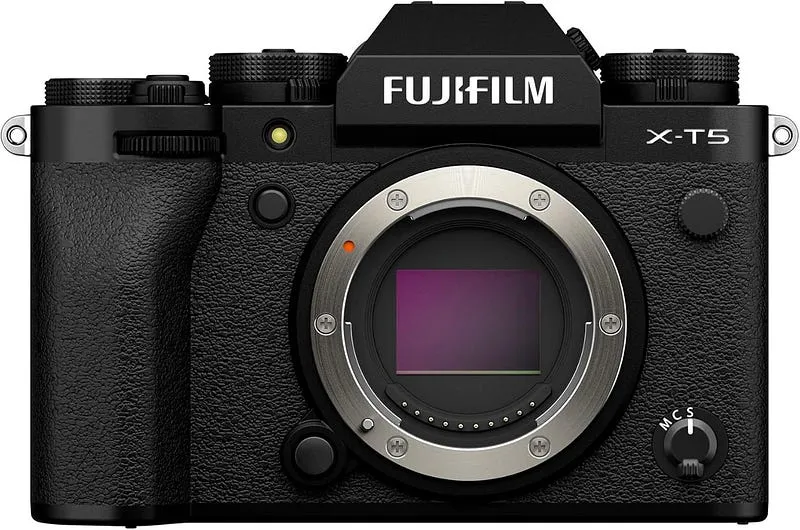
After years of trial and error, I settled on the Fujifilm X-T5, and it’s been a game-changer. Here’s why:
✅ Lightweight but Powerful — At just 557g (with battery), it’s easy to carry all day.
✅ Weather-Sealed — I’ve shot in rain, dust, and freezing temps without issues.
✅ 40MP Sensor — Crisp details for landscapes and cropping.
✅ Amazing Battery Life — One battery lasts a full day of shooting.
✅ Film Simulations — Classic Chrome and Acros let me skip editing on the go.
Paired with the Fujinon XF 16–80mm f/4 lens, I have a versatile, rugged setup that covers wide-angle to short telephoto — perfect for everything from sweeping vistas to wildlife.
Lessons Learned
- Weight Matters More Than You Think — If a camera is too heavy, you won’t use it.
- Durability is Key — Backpacking is rough; your camera should be too.
- Simplicity = More Shots — The easier it is to access, the more you’ll shoot.
Final Recommendation
If you’re serious about photography but don’t want to break your back:
- Best Budget Option: Sony RX100 VII
- Best Balance: Fujifilm X-T5 (or X-T30 II if you want cheaper)
- Best for Rugged Conditions: Olympus OM-D E-M5 III
For me, the Fujifilm X-T5 has been the perfect companion — light enough to carry, tough enough to survive, and powerful enough to capture the magic of the trail.
What’s your go-to backpacking camera? Let me know in the comments!
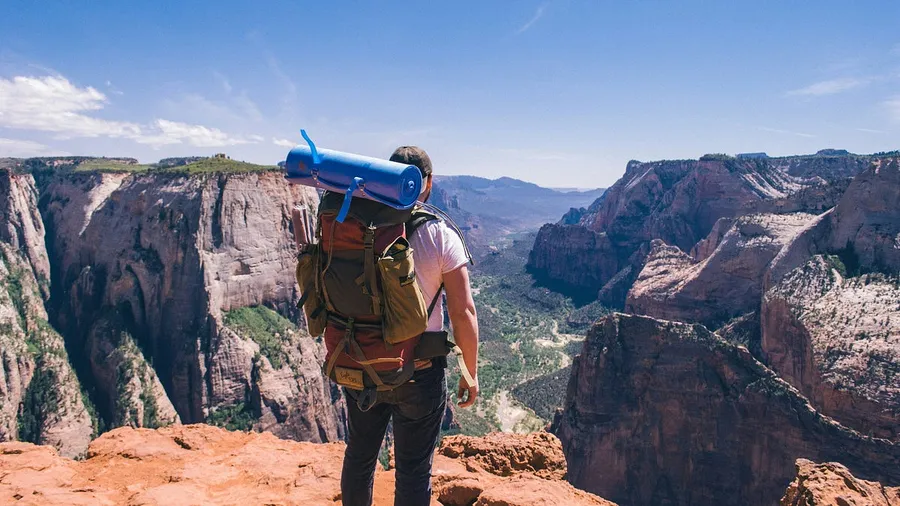
Photo by Presley Roozenburg on Unsplash
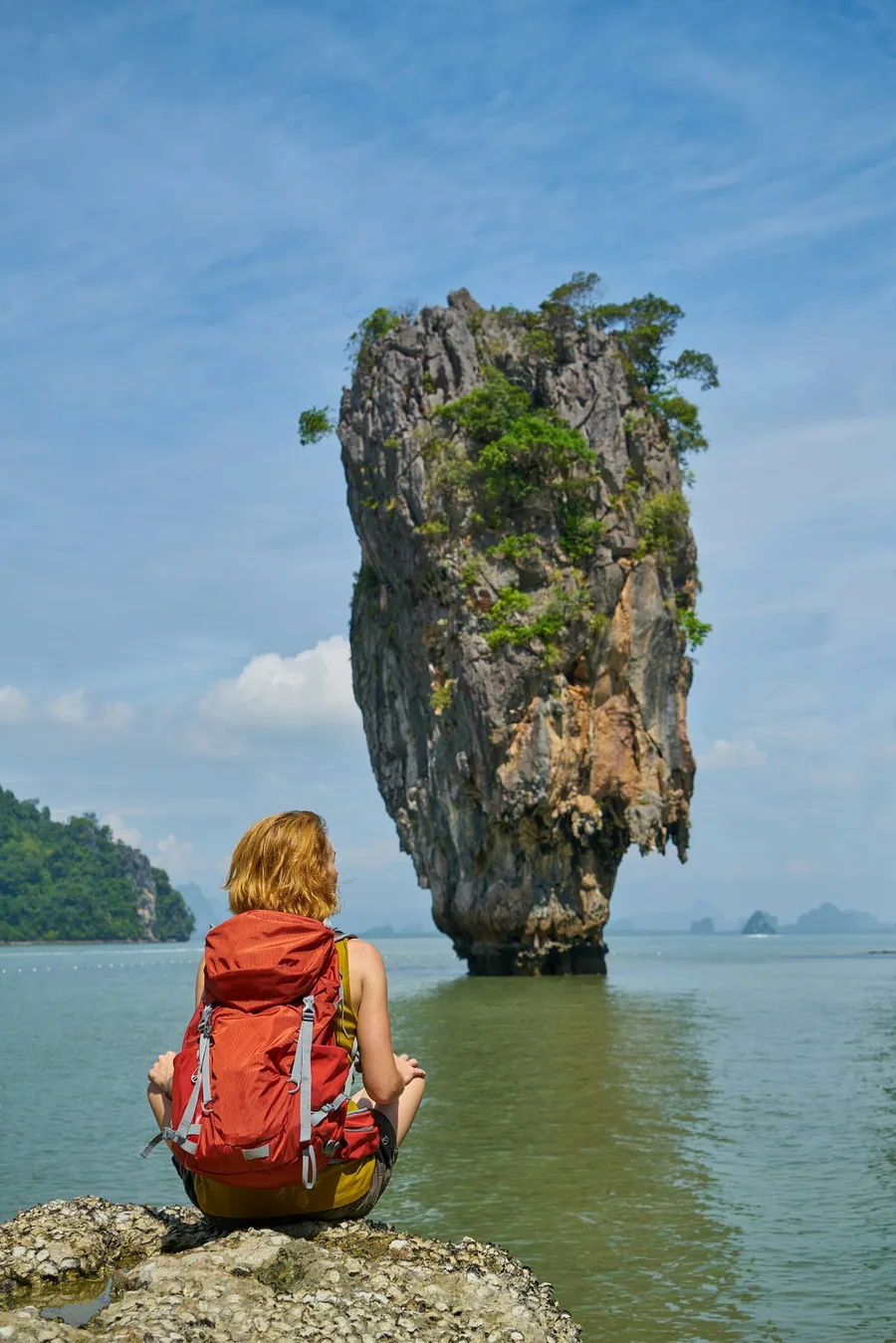
Photo by engin akyurt on Unsplash
Written by
Marien CartelProfessional and Certified Digital Photographer born in the USA, with 22 years of experience in the field of photography.
Related Guides
Best Camera for Automotive Photography
What I Actually Reach For When I’m Shooting Cars. Here is how the Canon EOS R5, Sony a7 IV and Nikon Z6 III compare, and the one I keep going back to.
Best Cameras for Virtual Production
After I Wasted a Full Shoot Day Finding Out — why the Sony FX6 and Sony FX9 made the list, and who each one really suits.
Best DSLR Cameras for Beginners: (Guide & Reviews)
My Hands-On Experience with the Best Beginner-Friendly Cameras — why the Canon EOS Rebel T7 and Nikon D3500 made the list, and who each one really suits.