Best Camera for Baseball Photography?
As an Amazon Associate we earn from qualifying purchases. Some links in this guide are affiliate links — see our affiliate disclosure for details.
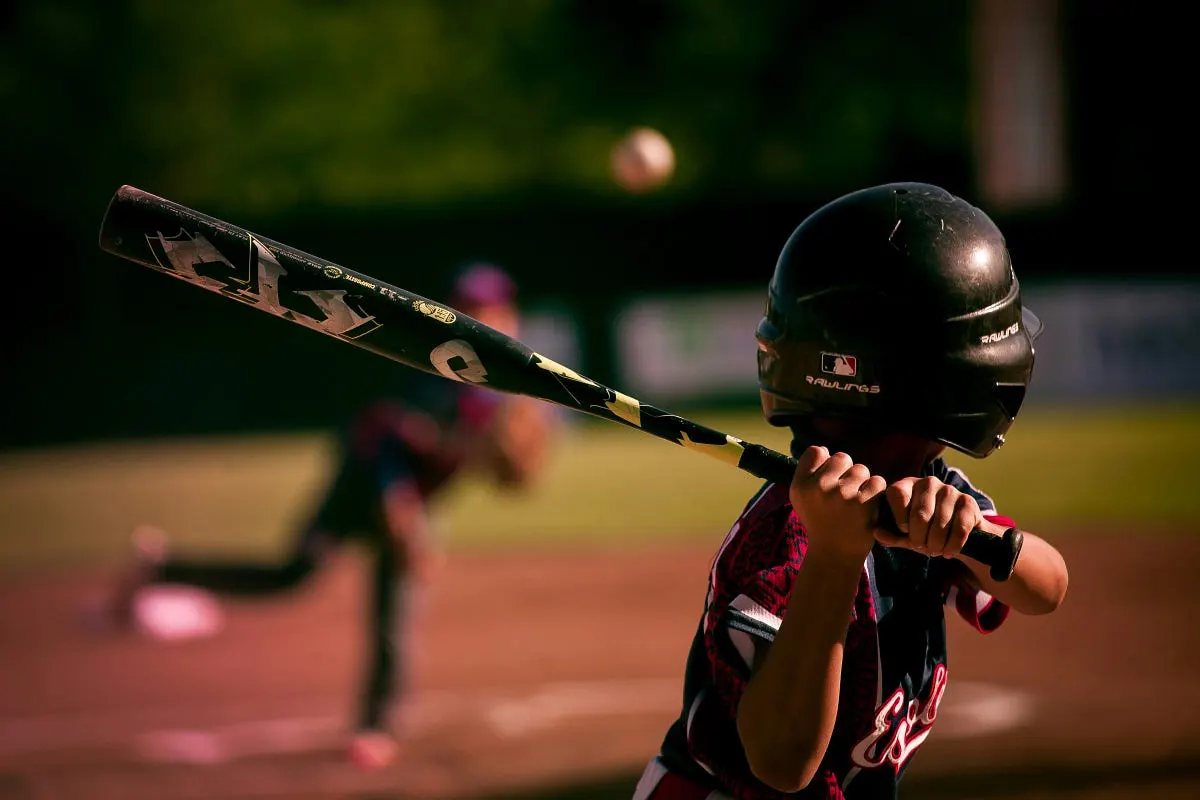
Photo by Eduardo Balderas on Unsplash
It was a perfect spring afternoon when I first brought my Sony A9 III to my son’s baseball game. As I settled into my usual spot along the third base line, I couldn’t help but smile — this wasn’t just another camera review for me; it was about capturing those split-second moments that make baseball such a magical sport.
Why Baseball Photography Demands the Best
Baseball photography is uniquely challenging. You’re tracking fast-moving subjects, dealing with varying light conditions, and trying to capture millisecond-long moments — the bat connecting with the ball, the shortstop’s diving catch, or that perfect slide into home plate. After years of missing crucial moments with my older DSLR, I knew I needed something special.
Enter the Sony A9 III
The A9 III isn’t just another camera — it’s a game-changer for sports photography. Here’s why it’s become my go-to choice for baseball photography:
1. Blazing Fast Autofocus
The AI-powered autofocus system is nothing short of miraculous. During my son’s recent tournament, it tracked players with an accuracy I’ve never seen before. Whether it was following a baserunner stealing second or a outfielder tracking down a fly ball, the focus stayed locked on target.
2. Incredible Burst Speed
With 120 fps blackout-free shooting, I haven’t missed a single crucial moment. That game-winning hit my son made last week? I got every millisecond of his swing, from the moment he loaded up to the follow-through. The buffer depth means I can keep shooting without worry.
3. Weather Sealing
Baseball doesn’t stop for weather, and neither does the A9 III. I’ve used it in light rain and dusty conditions without any issues. During a particularly dusty game in July, the camera performed flawlessly despite the challenging conditions.
Real-World Performance
Let me share a recent experience that really showcases what this camera can do. It was the bottom of the seventh, tie game, runner on third. As our cleanup hitter stepped to the plate, I switched to continuous high-speed mode. What followed was magical — I captured every fraction of the walk-off hit, from the pitcher’s release to the winning run crossing home plate. The sequence of 40+ shots was tack-sharp, perfectly exposed, and told the complete story of that game-winning moment.
The Learning Curve
I’ll be honest — transitioning from my old DSLR took some time. The electronic viewfinder felt strange at first, and the menu system required some getting used to. But after a few games, the benefits became crystal clear:
- The blackout-free shooting meant I could track plays in real-time
- The silent shooting didn’t disturb players during crucial moments
- The customizable buttons allowed quick access to my most-used settings
Technical Specifications That Matter for Baseball
- 120 fps continuous shooting
- Advanced subject recognition and tracking
- 50MP full-frame sensor
- Improved battery life over previous models
- Enhanced weather sealing
- Dual card slots for backup
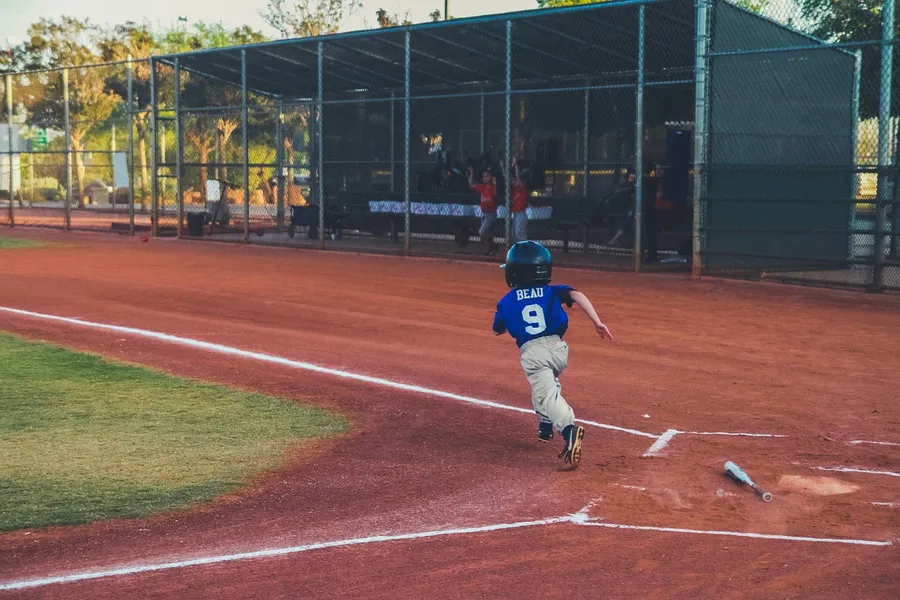
Photo by Kenny Eliason on Unsplash
Investment Considerations
Let’s address the elephant in the dugout — the A9 III is a significant investment. However, for serious baseball photographers, whether you’re shooting your kids’ games or working professionally, the capabilities justify the cost. The images I’ve captured of my son’s baseball journey are priceless, and the camera’s reliability means I never miss those once-in-a-lifetime moments.
Tips for Baseball Photography with the A9 III
Based on my experience, here are some settings that work well for baseball:
- Shutter Priority mode with a minimum of 1/1000s for action shots
- Auto ISO with a maximum of 12800
- Continuous AF with wide tracking
- Electronic shutter for silent operation
Final Thoughts
The Sony A9 III isn’t just a camera — it’s a tool that helps tell the story of baseball. From the tension before a pitch to the jubilation of a walk-off win, it captures every moment with remarkable precision. While it may be overkill for casual photographers, for those serious about baseball photography, it’s as close to perfect as I’ve found.
Sure, any camera can take pictures of a baseball game, but the A9 III captures those split-second moments that make the difference between a good photo and a great one. Just like baseball itself, it’s all about timing, and with this camera, you’ll never miss your moment.
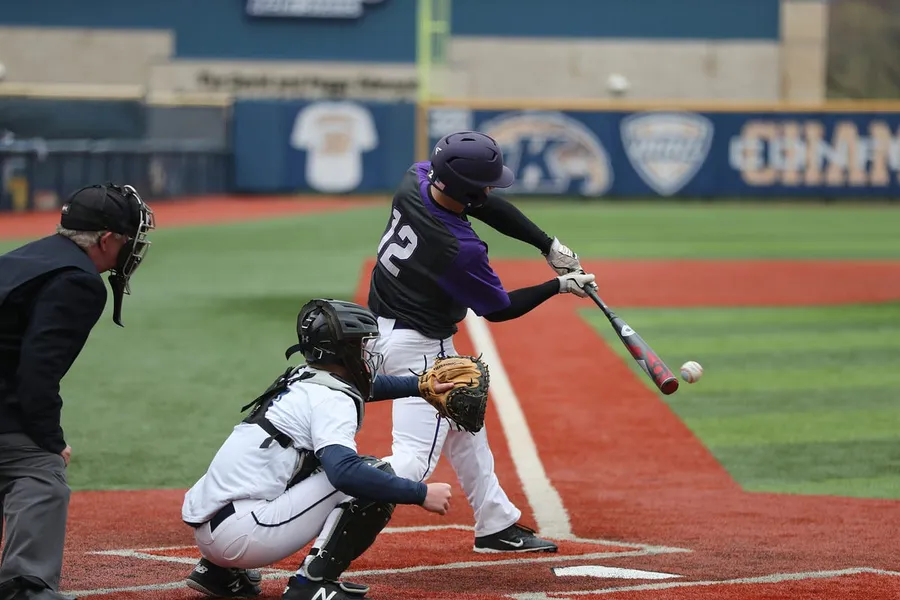
Photo by Chris Chow on Unsplash

Written by
Marien CartelProfessional and Certified Digital Photographer born in the USA, with 22 years of experience in the field of photography.
Related Guides
Best Camera for Automotive Photography
What I Actually Reach For When I’m Shooting Cars. Here is how the Canon EOS R5, Sony a7 IV and Nikon Z6 III compare, and the one I keep going back to.
Best Cameras for Virtual Production
After I Wasted a Full Shoot Day Finding Out — why the Sony FX6 and Sony FX9 made the list, and who each one really suits.
Best DSLR Cameras for Beginners: (Guide & Reviews)
My Hands-On Experience with the Best Beginner-Friendly Cameras — why the Canon EOS Rebel T7 and Nikon D3500 made the list, and who each one really suits.