Best Camera for Basketball Games
As an Amazon Associate we earn from qualifying purchases. Some links in this guide are affiliate links — see our affiliate disclosure for details.
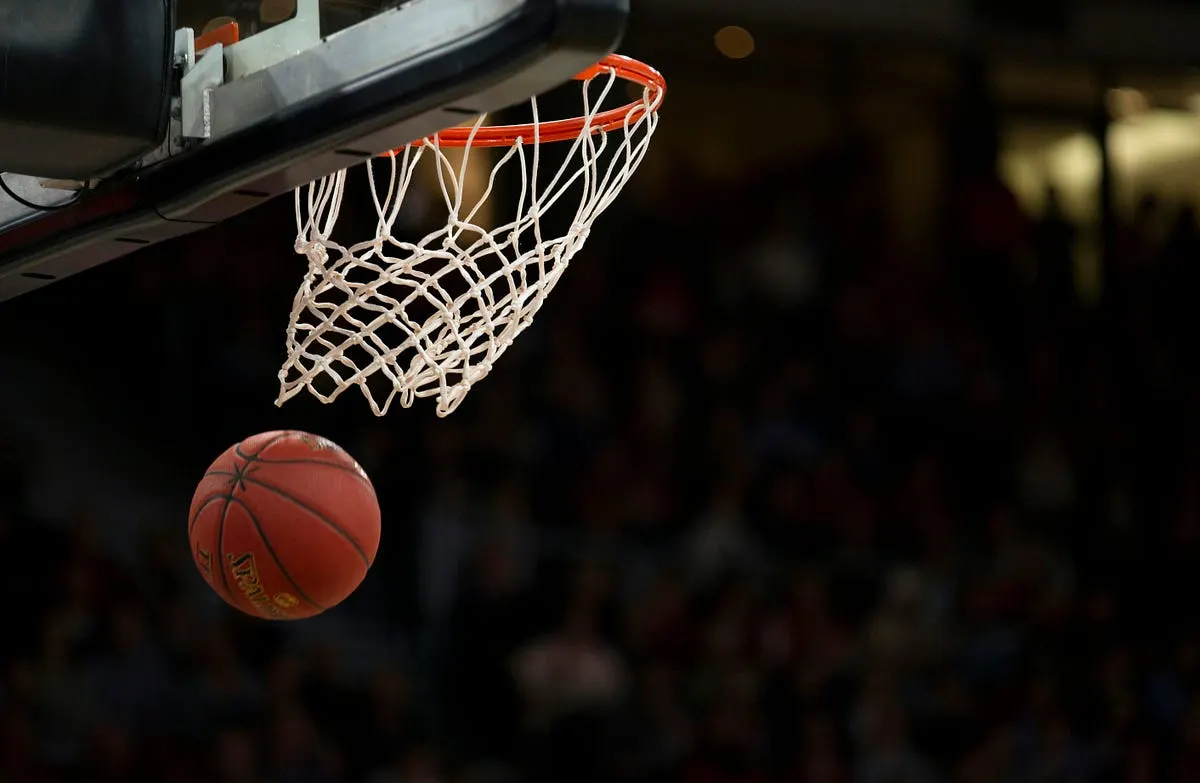
Photo by Markus Spiske on Unsplash
To choose the best camera for basketball, consider your role. For photography, the Canon EOS R5 Mark II or Sony A9 III offer lightning-fast autofocus and up to 120fps bursts. For videography, the Sony A6700 or Fujifilm X-H2S excel in low-light gyms and shoot high-frame-rate slow-motion.
Top Mirrorless Cameras for Sports
- Best Professional Photo: Sony A9 III — Features a revolutionary global shutter that completely eliminates rolling shutter, capturing fast breaks and dunks perfectly.
- Best Hybrid (Photo/Video): Canon EOS R5 Mark II — Offers exceptional autofocus tracking and high-resolution, in-camera upscaling.
- Best Value/APS-C: Sony A6700 — A smaller mirrorless body with professional subject-tracking, 4K 60fps video, and in-body image stabilization.
Affiliate note: This post has affiliate links. If you buy through them, I might earn a small commission (at no extra cost).
Best AI Auto-Tracking Cameras
- Best PTZ Option: OBSBOT Tail 2 — Automatically frames and tracks players with 4K 60fps recording, making it ideal for solo filming.
- Best for Coaches: Hudl Focus Indoor — A fixed smart camera system designed specifically for teams to record, stream, and automatically break down game footage.
- Best Portable Tracking: XbotGo Falcon — A motorized, standalone AI camera that follows the ball automatically and doesn’t require a cameraman.
Essential Lenses for Basketball
- The Sideline Workhorse: Tamron 35–150mm f/2-f/2.8 — Perfect for running and gunning, allowing you to get wide shots of the full court and quickly zoom in on close-ups without swapping lenses.
- The Courtside Classic: 70–200mm f/2.8 — The standard professional lens for isolating subjects and capturing sharp, close-up action from the baseline.
- The Baseline Wide: 24–70mm f/2.8 — Great for capturing pre-game huddles, bench reactions, and players driving directly to the basket.
My passion for sports photography ignited under the harsh, buzzing fluorescent lights of a local high school gym. I was sitting in the bleachers, watching a fast break unfold, completely mesmerized by the sheer speed, the squeak of sneakers, and the raw emotion on the court. I had a basic entry-level camera in my hands, and I quickly learned a hard truth: basketball is one of the absolute toughest sports to shoot.
Indoor gym lighting is notoriously terrible, players move at lightning speed, and action shifts in the blink of an eye. If your gear can’t keep up, you end up with a memory card full of blurry, grainy, missed moments.
Through plenty of trial and error, I figured out what actually matters when you’re trying to freeze a mid-air dunk or a game-winning buzzer-beater. Whether you are looking to capture your kid’s youth league or shooting from the media baseline, here are the absolute best cameras for basketball games in 2026.
What Makes a Great Basketball Camera?
Before looking at the bodies, you need to know the three non-negotiable features for indoor hoops:
- Low-Light ISO Performance: Gyms are surprisingly dark. You need a camera that can shoot at ISO 3200 or 6400 without turning your photo into a pixelated, grainy mess.
- Lightning-Fast Autofocus (AF): You need sophisticated tracking (ideally with subject or eye detection) that can lock onto a player driving through a crowded paint.
- High Burst Rate (FPS): You want a camera that shoots at least 10 to 20 frames per second (fps) so you don’t miss the exact millisecond the ball leaves a shooter’s fingertips.
1. The Pro Powerhouse: Sony a1 II
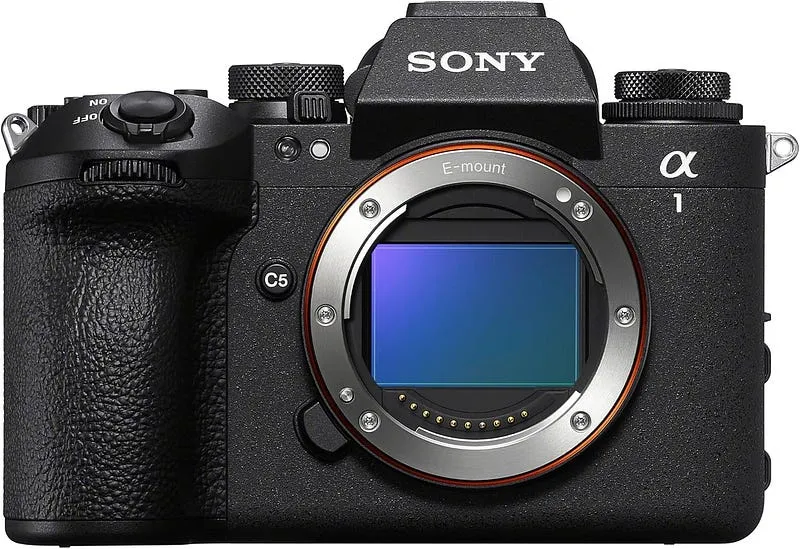
If budget isn’t an obstacle and you want zero compromises, this is the pinnacle of sports photography.
- Why it rules: With 30fps blackout-free shooting and a stacked sensor, it tracks players effortlessly. Sony’s real-time AI autofocus locks onto eyes even when a player spins toward the basket.
- The Verdict: The ultimate baseline weapon for professional creators.
2. The Speed Demon: Canon EOS R6 Mark II
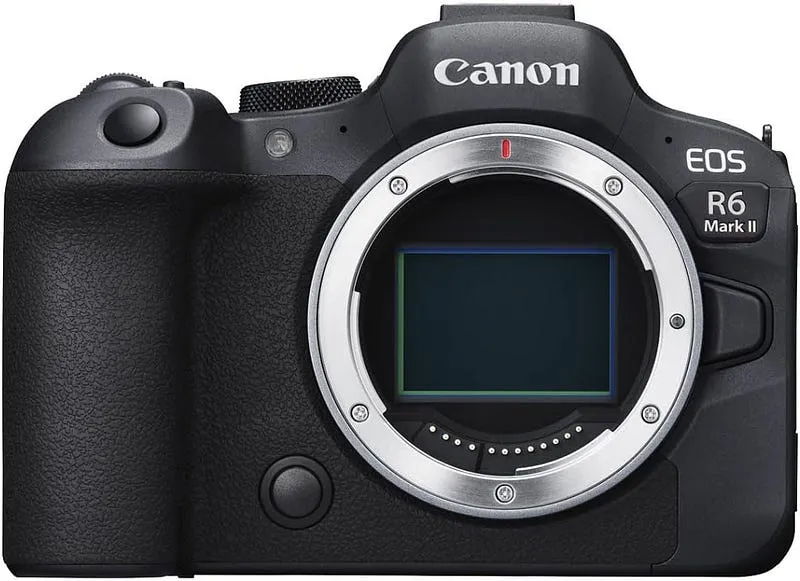
For most serious sports photographers, hobbyists, and weekend warriors, this is the absolute sweet spot.
- Why it rules: It shoots an incredible 40fps using its electronic shutter and features autofocus inherited from Canon’s high-end professional line. Its low-light performance is legendary, meaning you can crank up the shutter speed to 1/1000s in a dim gym and still get clean, usable images.
- The Verdict: The best all-around value for high-performance action tracking.
3. The Crop-Sensor Champion: Fujifilm X-T50 or Sony a6700
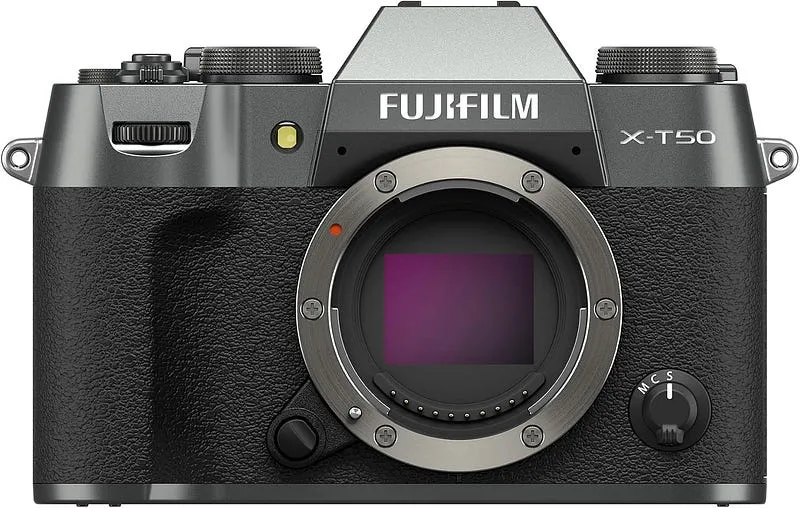
If you are shooting from the stands and need something compact and affordable, an APS-C (crop sensor) camera is a fantastic choice.
- Why it rules: A crop sensor gives your lenses extra reach (a 70–200mm lens acts more like a 105–300mm), letting you get closer to the action from further up in the bleachers. The latest generation of these cameras features AI subject tracking that rivals their full-frame older siblings.
- The Verdict: Ideal for parents and student photographers who need portability and value.
The Pro Tip Everyone Forgets: Invest in Glass
When I first started shooting from the sidelines, I thought a new camera body would magically fix my blurry photos. It didn’t. The real secret to basketball photography is the lens.
An f/4 or variable-aperture kit lens simply won’t let enough light into a dark gym. Pair whatever camera you choose with a 70–200mm f/2.8 lens. That wide f/2.8 aperture is what allows you to keep your shutter speed fast enough to freeze the action while creating that beautiful, professional separation between the player and the crowd in the background.
Capturing the perfect game action takes practice, but having the right tool ensures that when the perfect play happens, you’re ready to lock it in.
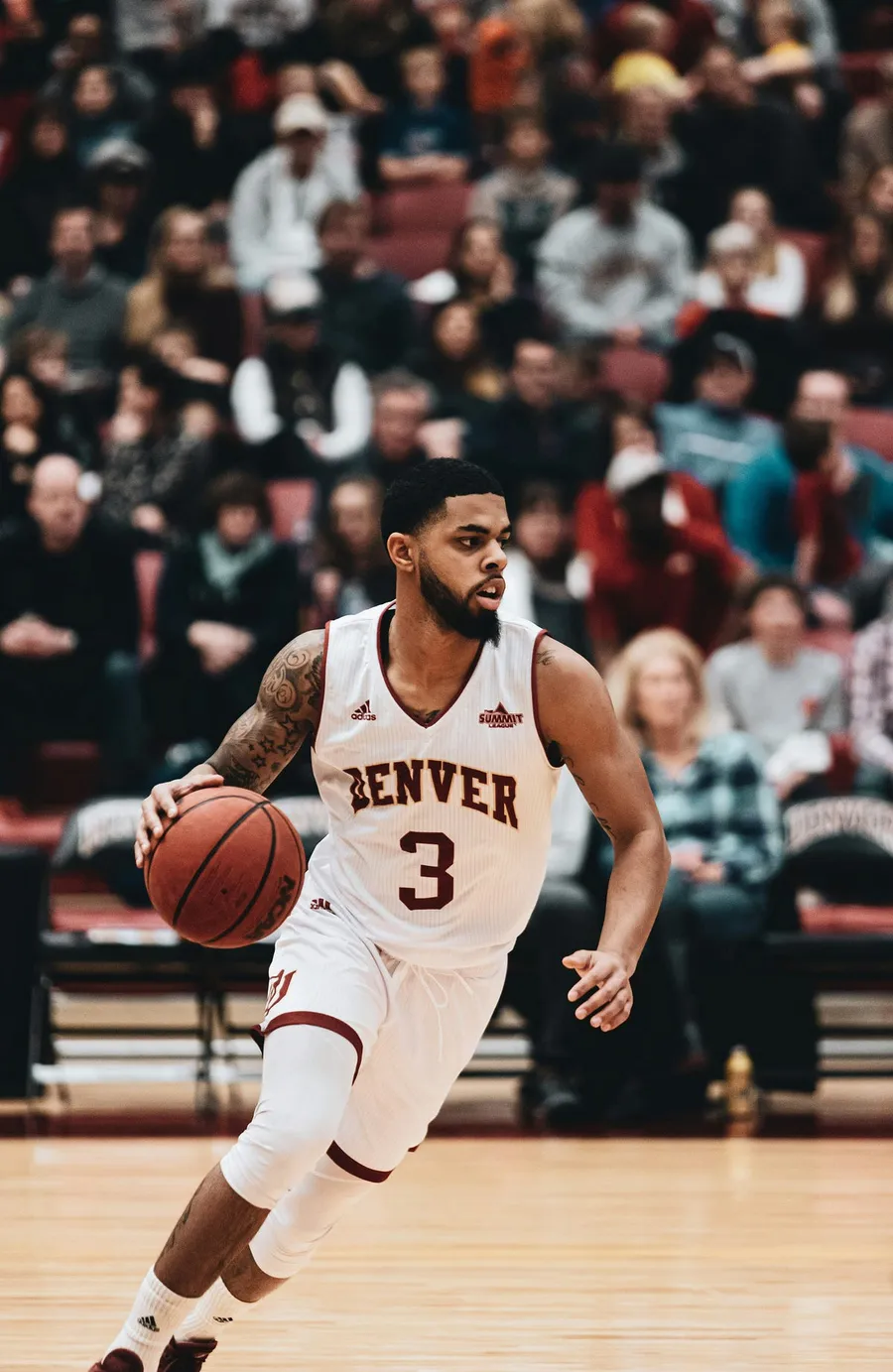
Photo by LOGAN WEAVER | @LGNWVR on Unsplash
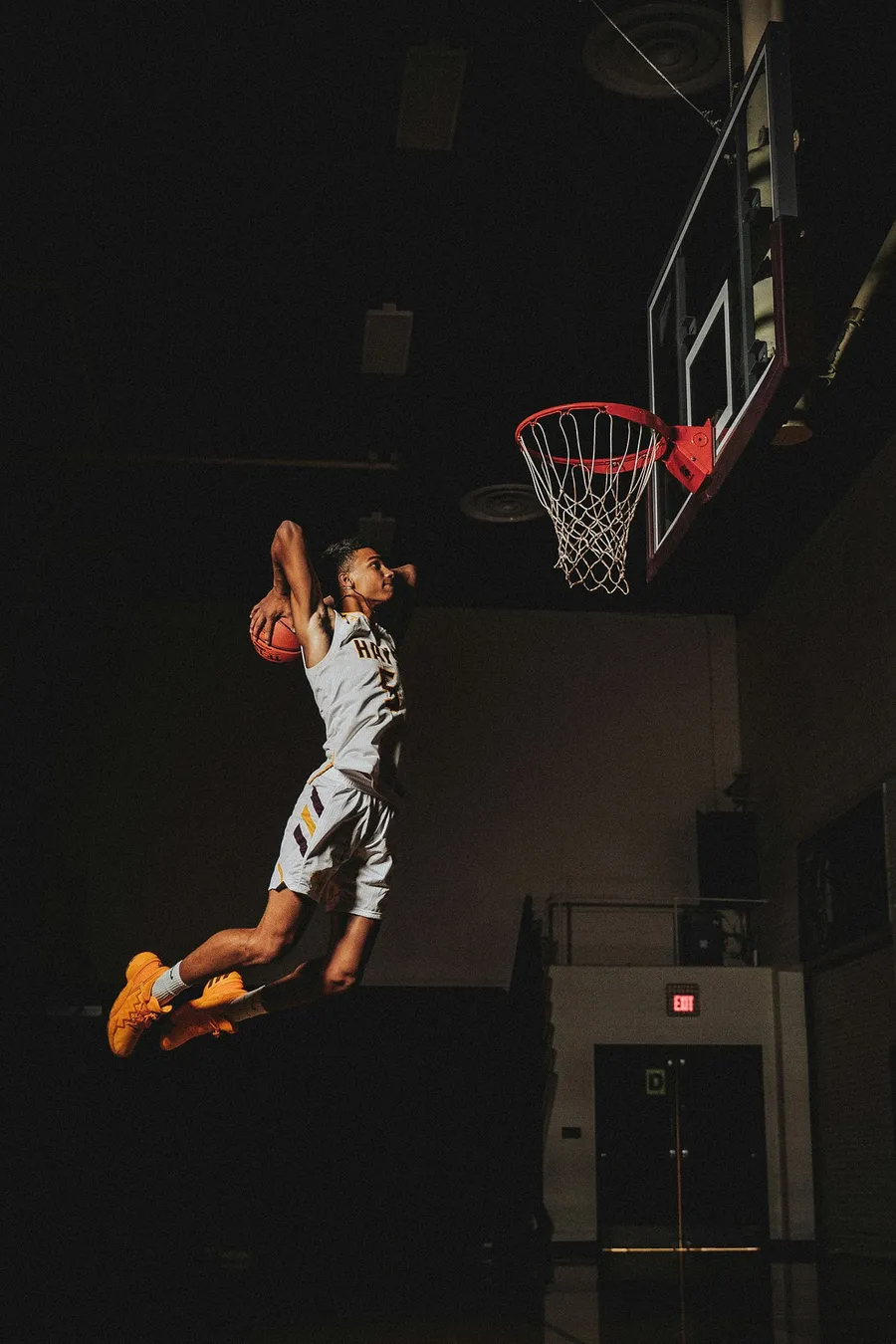
Photo by August Phlieger on Unsplash
Written by
Marien CartelProfessional and Certified Digital Photographer born in the USA, with 22 years of experience in the field of photography.
Related Guides
Best Camera for Automotive Photography
What I Actually Reach For When I’m Shooting Cars. Here is how the Canon EOS R5, Sony a7 IV and Nikon Z6 III compare, and the one I keep going back to.
Best Cameras for Virtual Production
After I Wasted a Full Shoot Day Finding Out — why the Sony FX6 and Sony FX9 made the list, and who each one really suits.
Best DSLR Cameras for Beginners: (Guide & Reviews)
My Hands-On Experience with the Best Beginner-Friendly Cameras — why the Canon EOS Rebel T7 and Nikon D3500 made the list, and who each one really suits.