Best Camera For Boxing Photography
As an Amazon Associate we earn from qualifying purchases. Some links in this guide are affiliate links — see our affiliate disclosure for details.
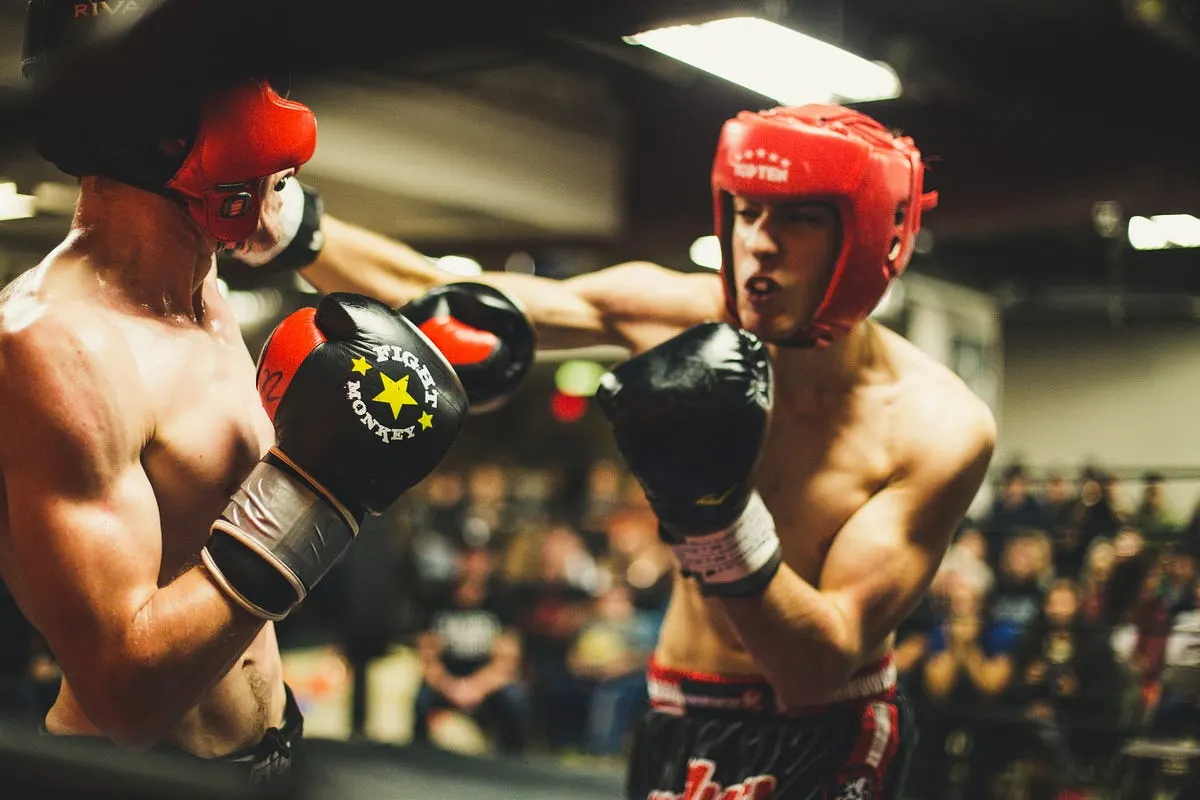
Photo by Hermes Rivera on Unsplash
I’ll never forget my first professional fight assignment. Madison Square Garden, 2009. Two heavyweights going at it under those legendary lights, and me with a borrowed Canon 5D Mark II, hands shaking more than the ring ropes. I missed the knockout punch.
That failure taught me everything I needed to know about boxing photography: it’s not just about having the right gear — it’s about understanding the rhythm of combat, anticipating the story, and being ready when lightning strikes twice in the same round.
Professional Level:
Mid-Range:
Budget Options:
Essential Lenses:
Why Boxing Photography Gets Under Your Skin
There’s something raw and honest about boxing that you can’t find in other sports. No team dynamics to navigate, no complex plays to decode. Just two athletes, stripped down to their essence, pushing their bodies and minds to the absolute limit. As photographers, we’re documenting human drama at its most intense.
Every fight tells multiple stories simultaneously: the technical chess match between opponents, the emotional journey of preparation and sacrifice, the crowd’s energy feeding the fighters’ determination. Our job isn’t just to capture punches — it’s to freeze these intersecting narratives in single frames.
My Camera Arsenal: What Actually Matters
After burning through more gear than I care to admit, here’s what I trust when the bell rings:
The Heavy Hitters (Professional Level)
Canon EOS R1 and Sony A9 III are my current go-to bodies. The R1’s autofocus tracking is supernatural — it locks onto a fighter’s eyes and doesn’t let go, even when they’re weaving and bobbing. The A9 III’s silent shooting mode is a godsend during those quiet, intense moments between rounds.
I’ve shot with both extensively, and honestly? Pick the system that feels right in your hands. Canon’s color science handles skin tones beautifully under mixed lighting, while Sony’s low-light performance gives you more flexibility in dimly lit venues.
The Contenders (Mid-Range Champions)
Canon EOS R3 and Sony A1 are where most serious boxing photographers should start. They deliver 90% of the performance at 60% of the cost. The R3’s burst rate of 30fps means you’ll never miss that perfect moment when leather meets leather.
The Up-and-Comers (Budget-Conscious Options)
Starting out? The Canon EOS 90D surprised me during a recent amateur tournament. Pair it with a 70–200mm f/2.8, and you’ve got a setup that can capture professional-quality images without breaking the bank. The Sony A6000 series punches above its weight class too — I’ve seen incredible work shot on these cameras.
The Glass That Makes the Difference
Bodies are important, but lenses are where magic happens:
70–200mm f/2.8 — My workhorse. This lens lives on my camera 80% of the time. The compression effect makes fighters look more imposing, and the f/2.8 aperture gives you that beautiful subject separation even in busy arenas.
24–70mm f/2.8 — For the full story. Environmental shots, corner work, crowd reactions. When you need to show the complete picture of fight night.
85mm f/1.4 — My secret weapon. Incredible for those quiet, intense moments. Fighter portraits during introductions, corner conversations between rounds, the raw emotion after the final bell.
Settings That Never Let Me Down
Here’s my starting formula, refined through countless nights ringside:
Shutter Priority Mode at 1/800s — Fast enough to freeze action, but not so fast that you lose all motion blur. Sometimes a little blur in the gloves adds energy to the shot.
ISO 3200–6400 — Modern cameras handle this beautifully. Don’t be afraid to push it higher if needed. A sharp, slightly noisy image beats a blurry clean one every time.
Continuous AF with Eye Detection — Let the camera do what it does best while you focus on composition and timing.
Back-button Focus — Game changer. Once you master this, you’ll never go back to half-press focusing.
Reading the Fight: The Photographer’s Advantage
Technical settings are just the foundation. The real skill comes from understanding boxing itself:
Learn the Rhythm — Every fighter has patterns. Some are aggressive early, others are counter-punchers. Watch how they move, anticipate their favorite combinations.
Position Yourself Strategically — I prefer the corners. You get better angles, cleaner backgrounds, and fighters often end up there during crucial exchanges.
Watch the Eyes — Not just for autofocus. A fighter’s eyes tell you everything — when they’re hurt, when they’re setting up something big, when they’re about to make their move.
Between Rounds Matter — Some of my favorite shots happen when the action stops. The exhaustion, the coaching, the determination — these quiet moments often tell the bigger story.
The Challenges That Keep It Interesting
Lighting is Your Biggest Enemy — Every venue is different. Madison Square Garden has beautiful, consistent lighting. Your local boxing gym? Flickering fluorescents and shadows everywhere. Always arrive early to test your settings.
Access Can Be Limited — Build relationships with promoters, athletic commissions, and venue staff. Respect their rules, deliver quality work consistently, and doors will open.
Safety First — I’ve been clipped by an errant elbow more than once. Stay alert, know your escape routes, and never get so focused on a shot that you forget where you are.
The Shots That Define Great Boxing Photography
The Moment of Impact — Classic, but difficult. The key is shooting slightly before you think the punch will land. Your reaction time plus camera lag means you’ll miss it otherwise.
The Aftermath — Sometimes more powerful than the punch itself. The stagger, the recovery, the immediate reaction.
Corner Drama — Between rounds, fighters are most vulnerable. Capture the coaching, the exhaustion, the raw emotion.
Victory and Defeat — The contrast of human emotion at its most extreme. Handle these moments with respect and sensitivity.
Building Your Boxing Photography Career
Start local. Every city has amateur boxing gyms hosting regular shows. The lighting might be challenging, but you’ll learn faster shooting multiple fights per night than waiting for the perfect professional opportunity.
Network genuinely. Boxing is a tight community. Be respectful, deliver what you promise, and word will spread.
Study the legends. Neil Leifer’s Ali photos, John Iacono’s work for Sports Illustrated. Understand what makes an image transcend sport and become art.
The Gear You Actually Need vs. What You Want
Here’s the truth: I’ve seen incredible boxing photography shot on cameras that cost less than my backup lens. The latest Canon R1 won’t make you a better photographer overnight, but understanding light, composition, and timing will.
Start with what you can afford. Master it completely. Then upgrade thoughtfully, not impulsively.
Final Bell: Why We Do This
Every time I’m ringside, camera ready, waiting for that perfect moment, I’m reminded why I fell in love with this work. Boxing photography isn’t just about documenting sport — it’s about capturing human spirit at its most tested.
We freeze moments that fighters often don’t even remember. We preserve the evidence of their courage, their skill, their heart. In a sport where everything happens in seconds, we create lasting testaments to temporary glory.
The camera gear matters, the technical knowledge is essential, but what really counts is respect — for the sport, for the athletes, and for the stories we’re privileged to tell.
Now stop reading about photography and go shoot something. The ring is waiting.
As an Amazon Associate, I earn from qualifying purchases at no additional cost to you. Thank you for your support!
Been shooting boxing for over fifteen years, from amateur clubs to championship fights. Always learning, always chasing that perfect frame. What questions do you have about boxing photography? Drop me a line — this community grows stronger when we share knowledge.
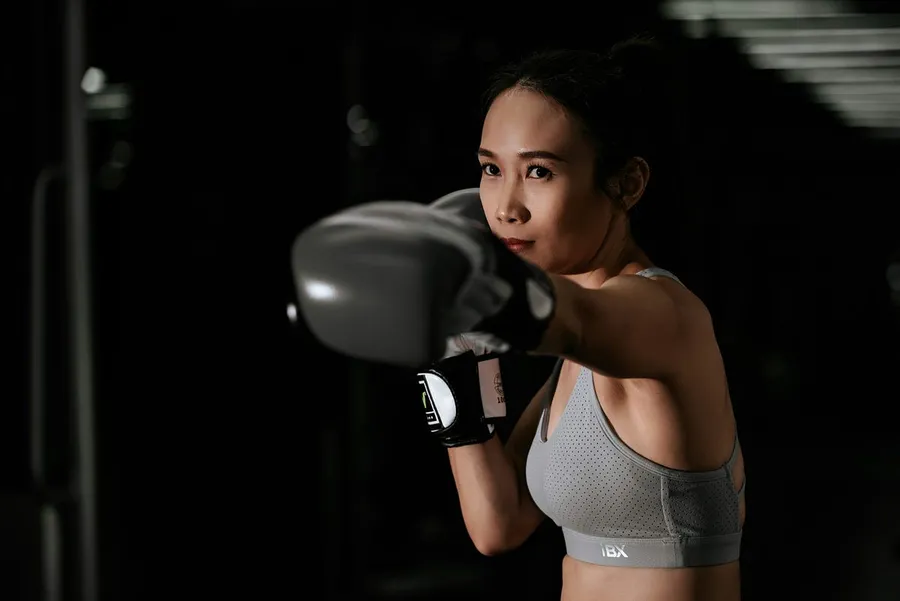
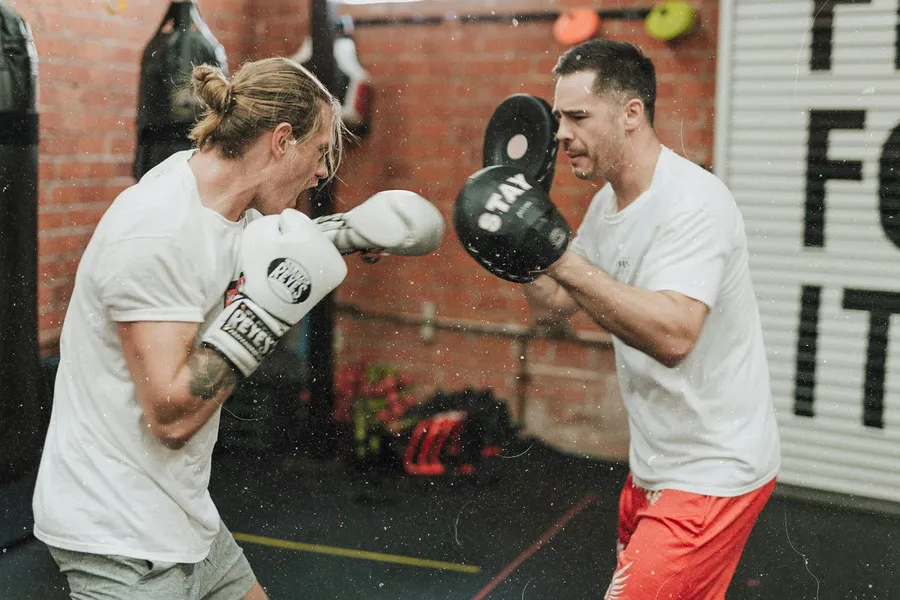
Photo by MARK ADRIANE on Unsplash
Written by
Marien CartelProfessional and Certified Digital Photographer born in the USA, with 22 years of experience in the field of photography.
Related Guides
Best Camera for Automotive Photography
What I Actually Reach For When I’m Shooting Cars. Here is how the Canon EOS R5, Sony a7 IV and Nikon Z6 III compare, and the one I keep going back to.
Best Cameras for Virtual Production
After I Wasted a Full Shoot Day Finding Out — why the Sony FX6 and Sony FX9 made the list, and who each one really suits.
Best DSLR Cameras for Beginners: (Guide & Reviews)
My Hands-On Experience with the Best Beginner-Friendly Cameras — why the Canon EOS Rebel T7 and Nikon D3500 made the list, and who each one really suits.