Best Camera for Cinematography
As an Amazon Associate we earn from qualifying purchases. Some links in this guide are affiliate links — see our affiliate disclosure for details.
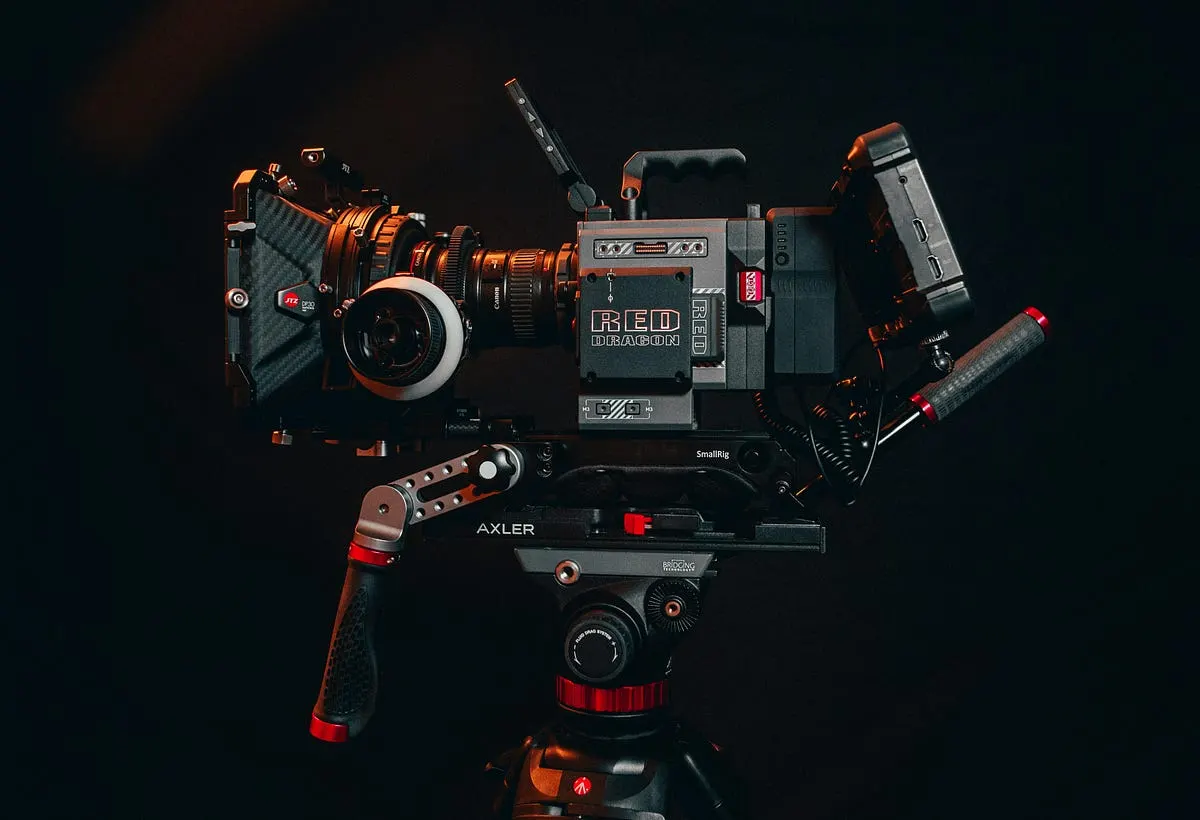
Photo by Billy Freeman on Unsplash
As someone passionate about cinematography, I’ve learned that choosing the right camera is a deeply personal journey that combines technical specifications with artistic vision. Let me share some insights on the best cameras for cinematography along with a personal narrative that might resonate with your own experiences.
My Journey into Cinematography
I still remember the moment when cinematography captivated me. It was during a local film festival where I witnessed how light, movement, and framing could tell stories beyond words. That experience sparked a passion that led me through various camera systems, from consumer-grade DSLRs to professional cinema cameras.
My early projects were shot on borrowed equipment, teaching me that while gear matters, understanding visual language matters more. Each limitation became a creative opportunity, pushing me to find workarounds that ultimately defined my visual style.
Top Cinematography Cameras in 2025
ARRI Alexa 35
The ARRI Alexa series remains the gold standard in professional cinematography. The Alexa 35 offers 4.6K resolution with exceptional dynamic range (17+ stops) and ARRI’s renowned color science. What makes this camera special is its organic, film-like image quality that many cinematographers describe as “painterly.”
Key Strengths:
- Unparalleled highlight handling and skin tones
- Native 4.6K Super35 sensor with ARRI’s color science
- Robust, weather-sealed build quality
- Industry-standard workflow compatibility
Best For: Feature films, high-end commercials, and projects where budget allows for the best image quality possible.
RED V-RAPTOR XL
RED cameras are known for their resolution and raw recording capabilities. The V-RAPTOR XL continues this tradition with its 8K sensor while addressing previous RED cameras’ usability issues.
Key Strengths:
- 8K resolution with high frame rate capabilities
- Impressive 17+ stops of dynamic range
- Versatile modular design
- RED’s REDCODE RAW format for maximum post-production flexibility
Best For: Projects requiring extremely high resolution, VFX-heavy productions, and cinematographers who prioritize flexibility in post.
Sony VENICE 2
Sony’s flagship cinema camera combines practicality with outstanding image quality. The VENICE 2 features dual native ISO, impressive low-light performance, and Sony’s color science that has won over many cinematographers.
Key Strengths:
- Full-frame 8.6K sensor with dual base ISO
- Built-in ND filters
- Excellent low-light performance
- Sony’s sophisticated color science
Best For: Productions requiring versatility across various lighting conditions and cinematographers who appreciate Sony’s color rendition.
Blackmagic URSA Mini Pro 12K
Blackmagic Design has disrupted the cinema camera market with exceptional value. The URSA Mini Pro 12K offers incredible resolution at a fraction of competitors’ prices.
Key Strengths:
- 12K resolution with unique color filter array
- Blackmagic RAW format
- Exceptional price-to-performance ratio
- Integrated professional audio inputs
Best For: Independent filmmakers, documentaries, and productions with limited budgets but high-quality requirements.
Canon C500 Mark II
Canon’s cinema lineup has earned respect for reliability and color science. The C500 Mark II combines these strengths with a full-frame sensor and modular design.
Key Strengths:
- Full-frame 5.9K sensor
- Canon’s renowned color science and skin tones
- Internal Cinema RAW Light recording
- Modular design with exceptional ergonomics
Best For: Documentary filmmakers, run-and-gun productions, and cinematographers who value Canon’s color rendition.
Finding Your Perfect Match
The “best” camera ultimately depends on your specific needs, budget, and creative vision. Consider these factors when making your choice:
- Budget: Not just for the camera body, but also lenses, media storage, and accessories.
- Project Requirements: Consider resolution, frame rates, and dynamic range needed for your typical projects.
- Ecosystem: Think about compatibility with existing equipment and post-production workflows.
- Ergonomics: A camera you enjoy using will likely produce better results than one that frustrates you.
- Rental Availability: For occasional shoots, renting high-end equipment might be more practical than purchasing.
The Camera That Changed Everything For Me
The turning point in my cinematography journey wasn’t acquiring the most expensive camera — it was finding the right tool for my vision. After experimenting with various systems, I discovered that the camera that aligned with my shooting style and storytelling approach made all the difference.
I learned to focus less on specifications and more on how a camera’s particular image characteristics complemented my visual aesthetic. The subtle ways different cameras render shadows, highlights, and color transitions became more important than resolution numbers or brand prestige.
Conclusion
The best cinematography camera isn’t universal — it’s the one that becomes an extension of your creative vision. While technical specifications matter, the way a camera “sees” the world and how that aligns with your artistic sensibilities is what truly counts.
Remember that cinematography’s power lies not in the camera itself but in how you use it to tell stories. The perfect camera is simply the one that helps you translate your unique vision to the screen with the least resistance.
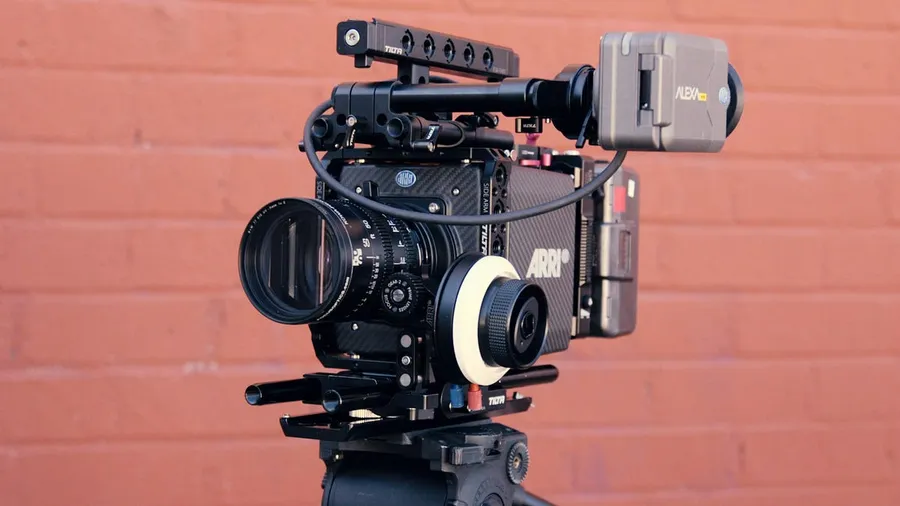
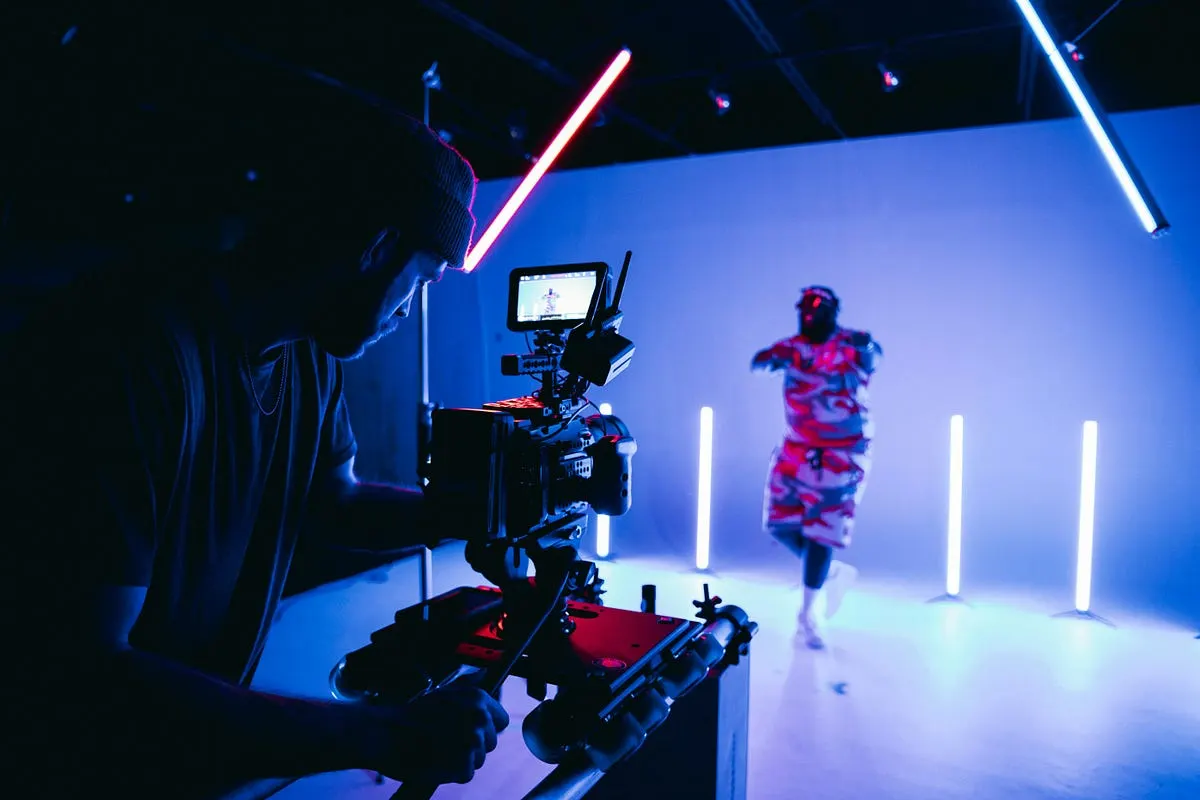
Photo by ShareGrid on Unsplash
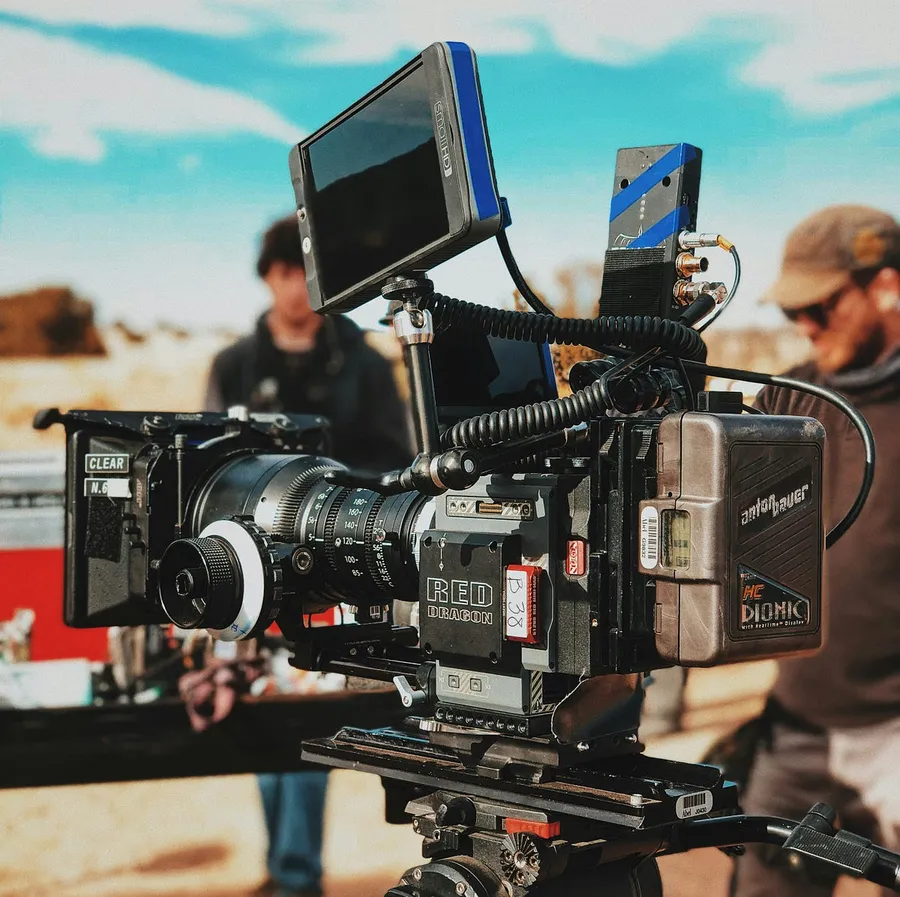
Photo by Chris Murray on Unsplash
Written by
Marien CartelProfessional and Certified Digital Photographer born in the USA, with 22 years of experience in the field of photography.
Related Guides
Best Camera for Automotive Photography
What I Actually Reach For When I’m Shooting Cars. Here is how the Canon EOS R5, Sony a7 IV and Nikon Z6 III compare, and the one I keep going back to.
Best Cameras for Virtual Production
After I Wasted a Full Shoot Day Finding Out — why the Sony FX6 and Sony FX9 made the list, and who each one really suits.
Best DSLR Cameras for Beginners: (Guide & Reviews)
My Hands-On Experience with the Best Beginner-Friendly Cameras — why the Canon EOS Rebel T7 and Nikon D3500 made the list, and who each one really suits.