Best Camera for Cooking Videos
As an Amazon Associate we earn from qualifying purchases. Some links in this guide are affiliate links — see our affiliate disclosure for details.
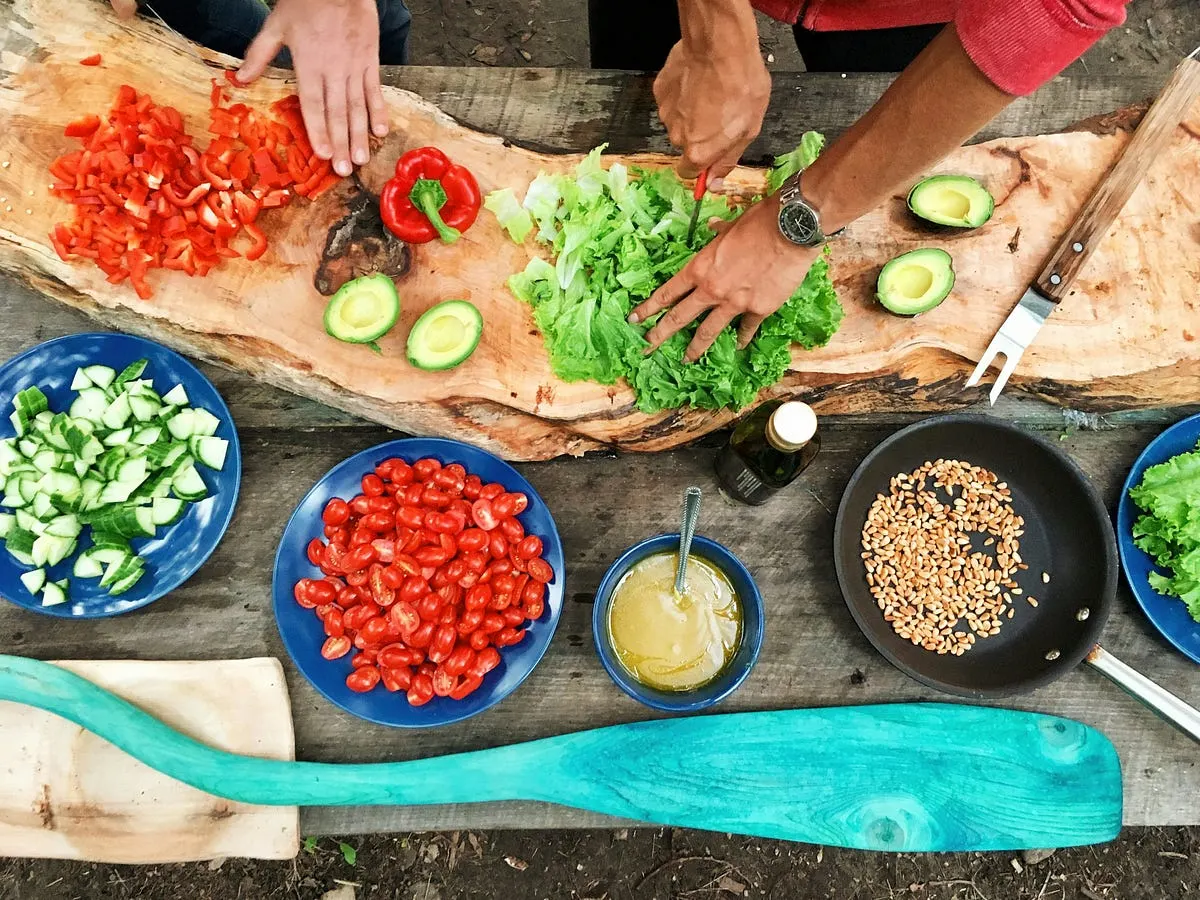
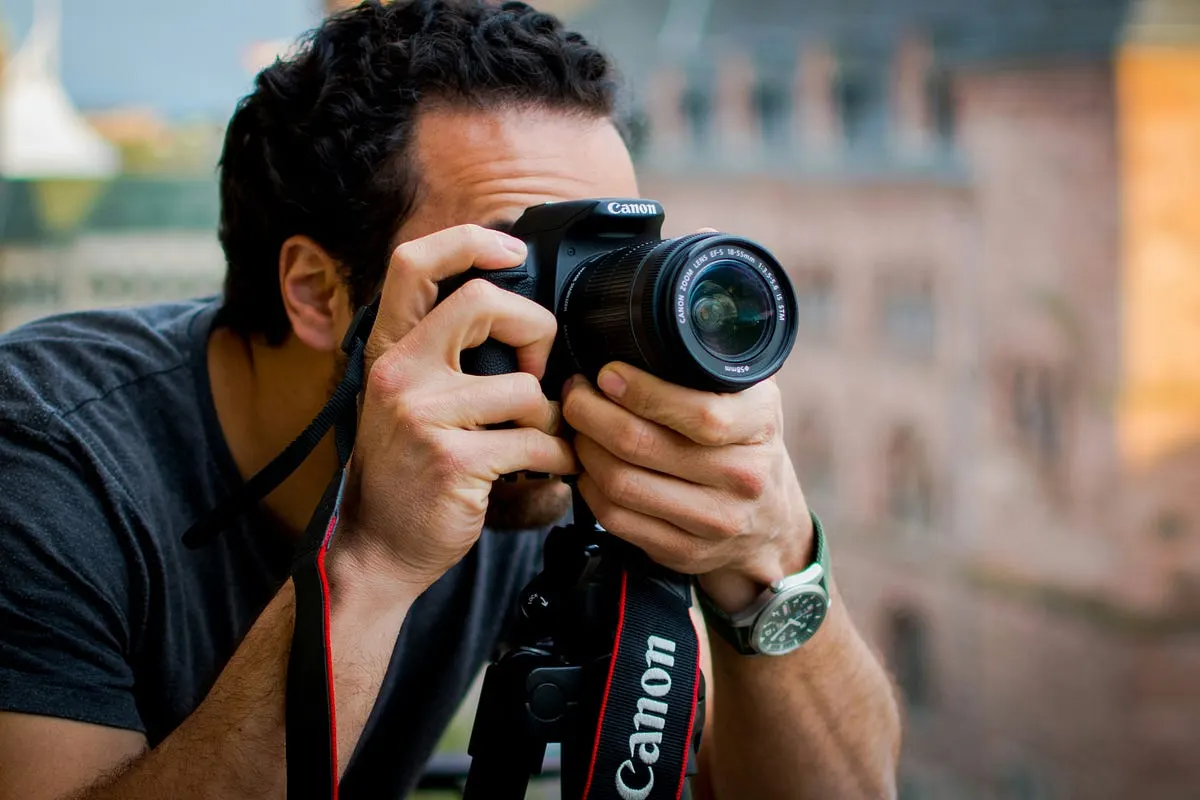
Photo by Maarten van den Heuvel on Unsplash
Two years ago, I decided to turn my passion for cooking into a YouTube channel. Armed with nothing but my smartphone and a dream, I quickly learned that capturing the sizzle of garlic in olive oil or the golden crust of a sourdough loaf required more than enthusiasm — it demanded the right gear. My early videos were plagued by blurry close-ups, erratic autofocus, and gloomy lighting that made my dishes look like murky mysteries.
After a particularly disastrous video where my camera refused to focus on a perfectly plated tiramisu (instead locking onto a spoon in the background), I knew it was time to level up. Here’s what I learned on my journey to finding the best camera for cooking videos — and how you can avoid my mistakes.
Key Features to Look For in a Cooking Video Camera
Through trial and error (and a few burnt casseroles), I narrowed down the essentials for a cooking-friendly camera:
- 4K Resolution & Detail Capture
Cooking is all about texture and detail. A 4K camera ensures your audience sees every sprinkle of sea salt or drizzle of caramel. My smartphone’s 1080p footage left my lemon zest looking like yellow smudges — upgrading to 4K was a game-changer. - Reliable Autofocus
Busy kitchens are no place for finicky autofocus. Look for cameras with face-and-eye tracking or subject recognition. My Sony ZV-E1 saved me during a live demo when my hands fluttered between chopping herbs and adjusting the stove — it locked onto me like a magnet. - Low-Light Performance
Kitchens often have harsh shadows or dim evening lighting. A camera with a wide aperture (f/2.8 or lower) and good ISO handling keeps footage crisp. My old setup turned my cozy “midnight pasta” video into a grainy mess — until I tried the Canon EOS R6 Mark II. - Portability & Ergonomics
You don’t want a bulky rig taking up counter space. Compact mirrorless cameras or even advanced smartphones strike the perfect balance. - Audio Quality
Crisp audio matters as much as visuals. Built-in mics are a start, but a camera with a mic input (like the Panasonic GH5) lets you add a shotgun mic for sizzle-worthy sound.
My Top Camera Picks for Cooking Content
Here are the cameras that transformed my channel — and might elevate yours too:
1. Sony ZV-E1: The Vlogging Powerhouse
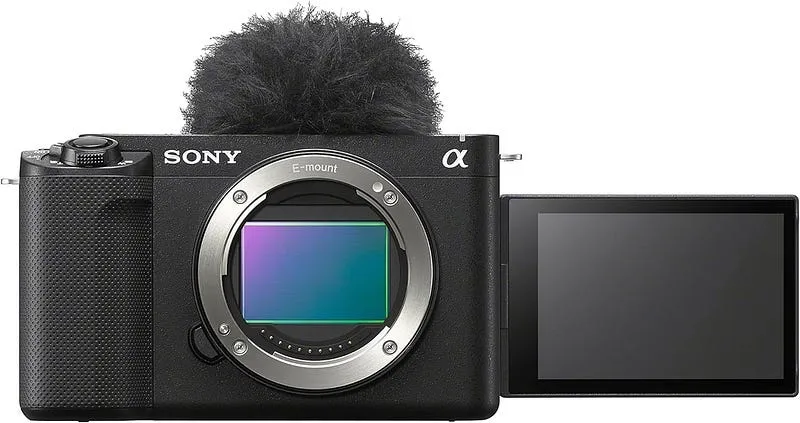
- Why I Love It: Its AI-powered autofocus is witchcraft. It tracks my face even when I’m whisking batter or reaching across the stove. The 4K 60fps captures buttery-smooth pours of chocolate ganache.
- Best For: Solo creators who move around the kitchen. The flip-out screen is perfect for framing shots without a crew.
- Drawback: Pricey, but worth it if you’re serious about growth.
2. Canon EOS R6 Mark II: Low-Light Legend
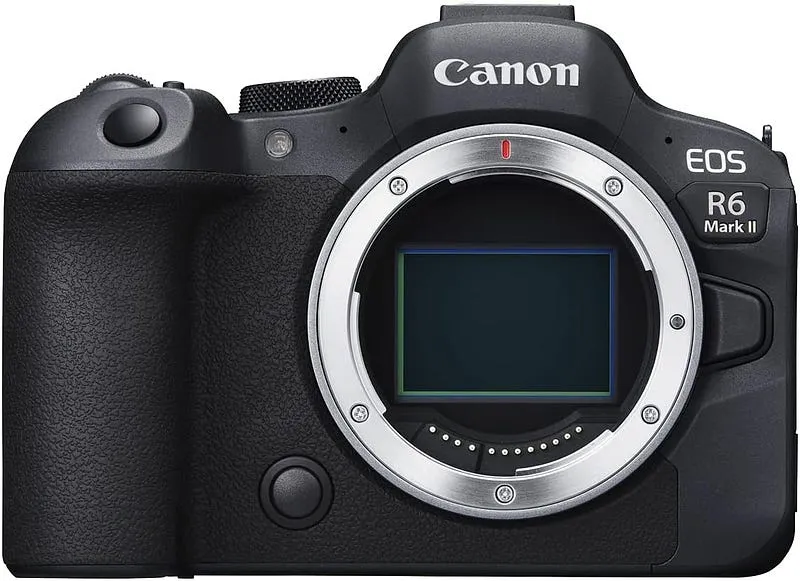
- Why I Love It: When I film evening baking sessions, the R6 Mark II’s full-frame sensor and ISO performance keep footage clean. Dual Pixel AF means no more focus hunting during fast-paced action.
- Best For: Creators who value color accuracy and still photography versatility.
3. Panasonic Lumix GH5: Budget-Friendly Beast
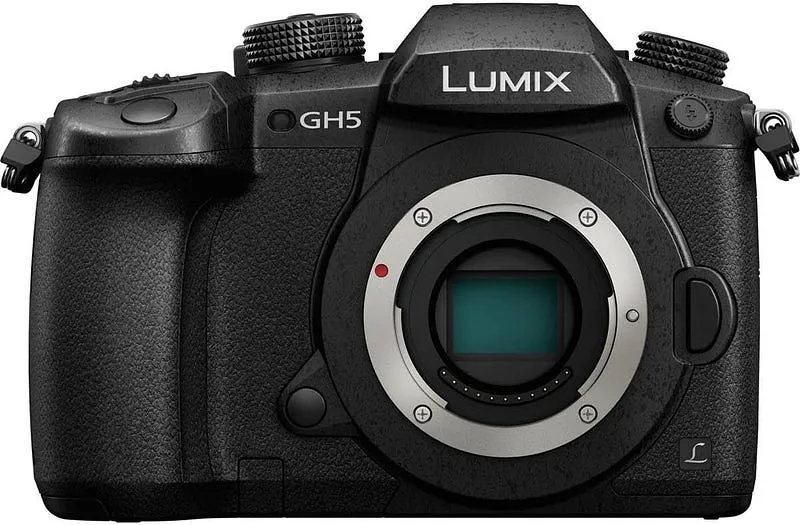
- Why I Love It: This Micro Four Thirds gem is lighter on the wallet but delivers pro-grade 4K. I used it for overhead shots of dough-kneading, and the in-body stabilization smoothed out my shaky hands.
- Best For: Small kitchens and creators who want cinematic slow-mo (it shoots 4K 60fps!).
4. Fujifilm X-T4: For the Aesthetic-Obsessed
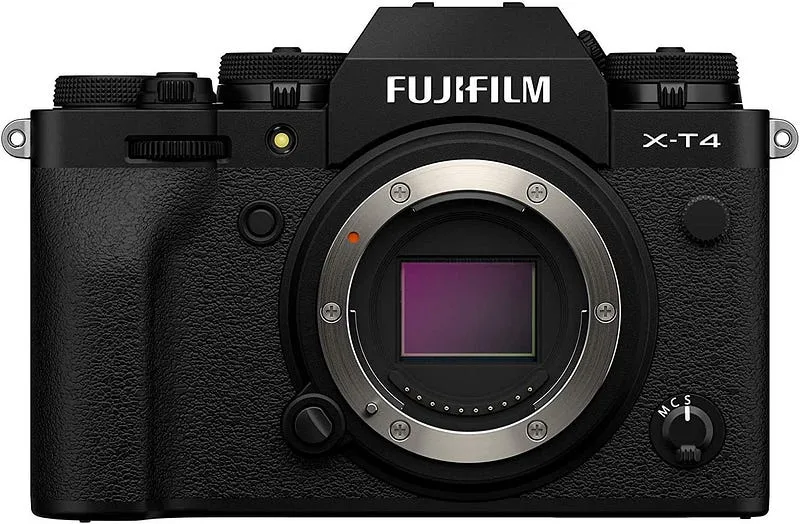
- Why I Love It: Fuji’s film simulations give footage a warm, nostalgic tone — perfect for rustic bread tutorials or vintage dessert recipes. The flip screen is ideal for overhead tripod setups.
- Best For: Food stylists who prioritize visual storytelling.
5. iPhone 14 Pro: The Smartphone Surprise
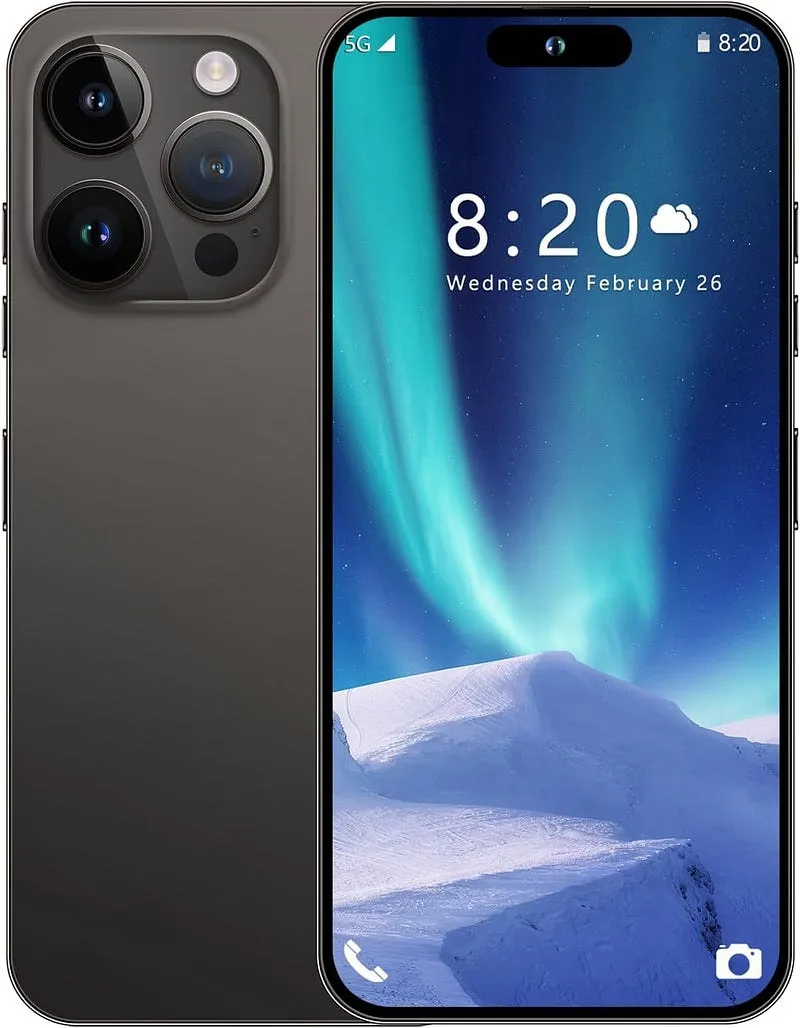
- Why I Love It: When I’m on the go, my iPhone’s Cinematic Mode adds gorgeous depth-of-field. Pair it with a tripod and a clip-on mic (like the Rode VideoMic), and it’s shockingly capable.
- Best For: Beginners or creators who want simplicity.
My Personal Upgrade Journey
After months of research, I splurged on the Sony ZV-E1. The difference was immediate: my viewers commented on how “professional” my videos looked, and my subscriber count doubled in three months. But gear isn’t everything — here’s what else I learned:
- Lighting Matters: I added two softbox lights to mimic natural daylight.
- Audio Upgrades: A $50 lavalier mic made my voiceovers crystal clear.
- Practice: I spent weeks learning my camera’s settings, like manually adjusting aperture to blur distracting backgrounds.
Final Tips Before You Hit Record
- Start Small: Use what you have (even a smartphone) while saving up.
- Accessories Are Key: A sturdy tripod and cheap LED panel can transform mediocre footage.
- Content Trumps Perfection: My most popular video was shot on an old DSLR — it was the hearty beef stew recipe, not 4K close-ups, that won hearts.
Conclusion: Your Camera is Your Kitchen Ally
Finding the right camera is like discovering the perfect knife — it feels like an extension of your creativity. Whether you choose a mirrorless powerhouse or a trusty smartphone, remember that your passion is the secret ingredient. Now, go film that soufflé rise!
Photo by Bluebird Provisions on Unsplash
Photo by Becca Tapert on Unsplash
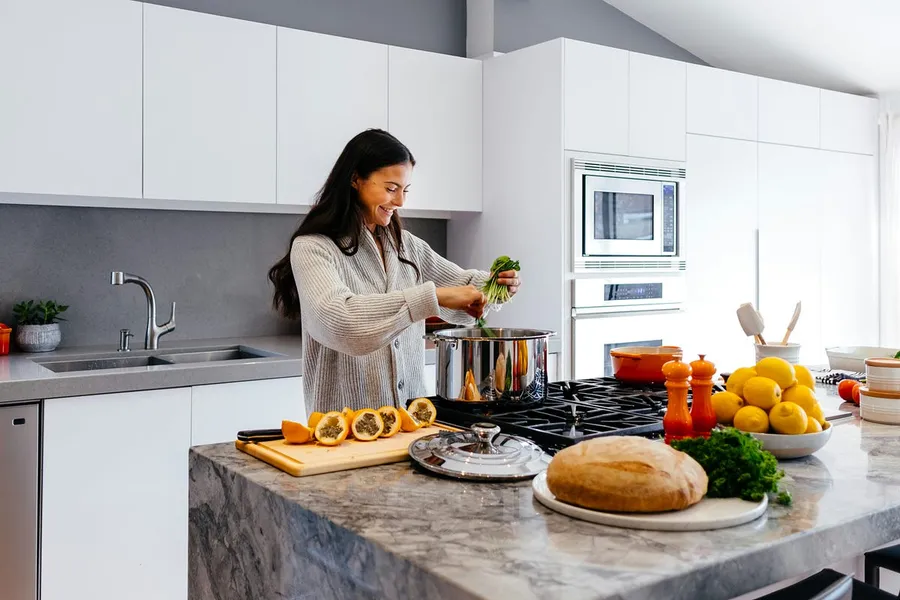
Photo by Jason Briscoe on Unsplash
Written by
Marien CartelProfessional and Certified Digital Photographer born in the USA, with 22 years of experience in the field of photography.
Related Guides
Best Camera for Automotive Photography
What I Actually Reach For When I’m Shooting Cars. Here is how the Canon EOS R5, Sony a7 IV and Nikon Z6 III compare, and the one I keep going back to.
Best Cameras for Virtual Production
After I Wasted a Full Shoot Day Finding Out — why the Sony FX6 and Sony FX9 made the list, and who each one really suits.
Best DSLR Cameras for Beginners: (Guide & Reviews)
My Hands-On Experience with the Best Beginner-Friendly Cameras — why the Canon EOS Rebel T7 and Nikon D3500 made the list, and who each one really suits.