Best Camera for Ice Hockey Photography
As an Amazon Associate we earn from qualifying purchases. Some links in this guide are affiliate links — see our affiliate disclosure for details.
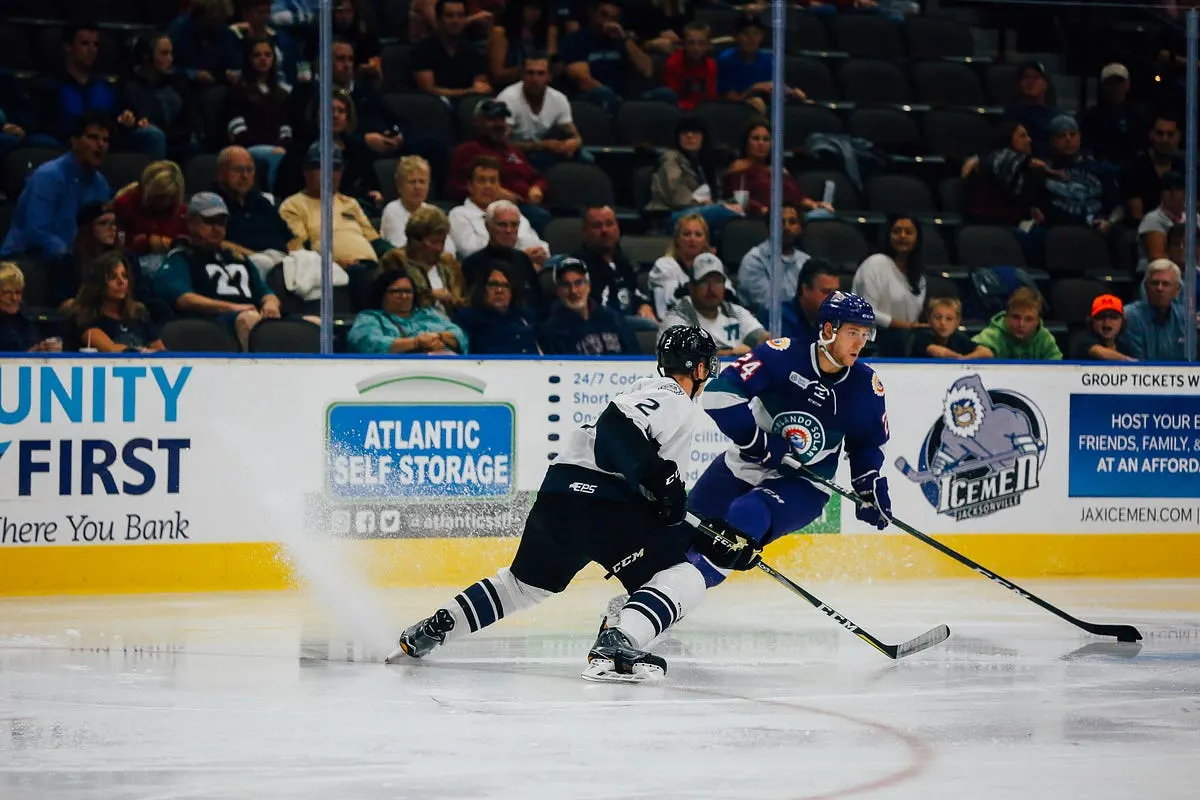
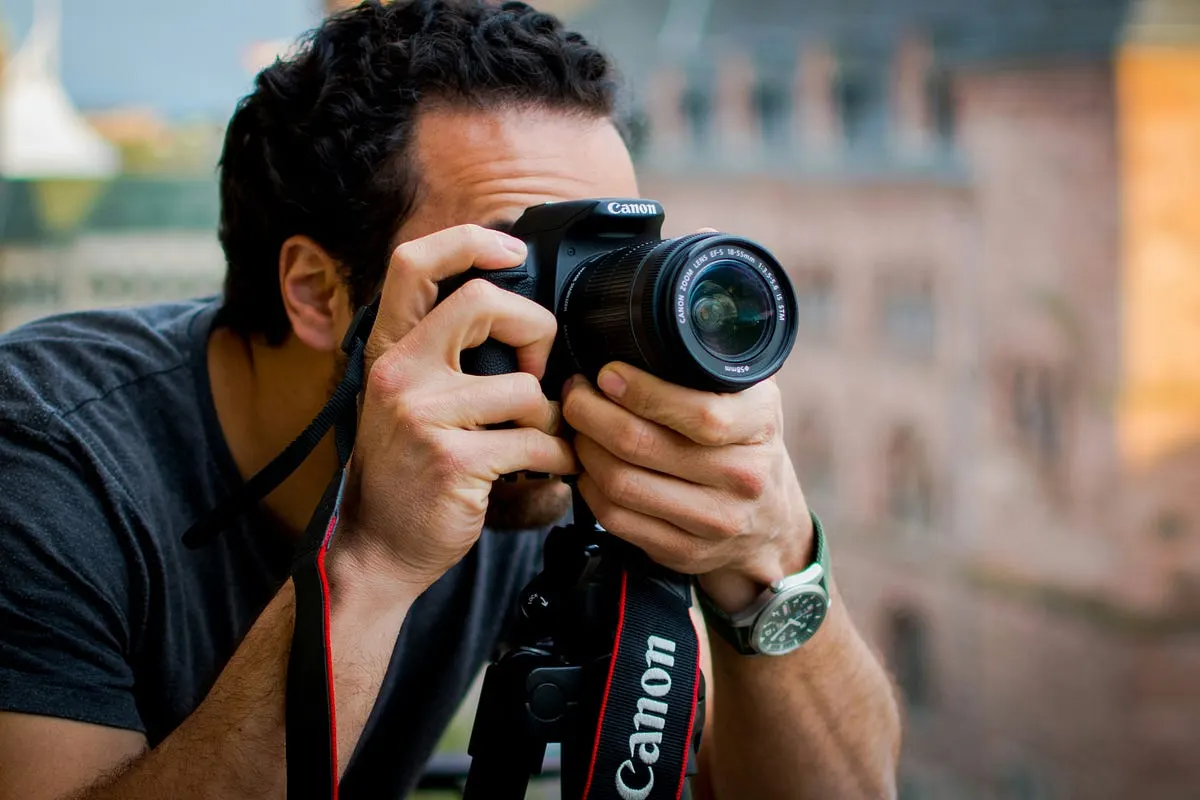
Photo by Richard Ciraulo on Unsplash
Let me start with the truth nobody wants to hear: your camera choice matters less than you think, but your lens choice will make or break you.
I’ve been shooting hockey for over five years now, from local youth leagues to semi-pro games. I’ve made every mistake in the book, wasted money on the wrong gear, and learned some hard lessons about what actually works in those dimly lit, fast-paced arenas.
My Journey (And Expensive Mistakes)
When I first got into hockey photography, I did what every beginner does — I obsessed over camera bodies. I spent weeks researching specs, reading reviews, and dreaming about that perfect shot. I bought what I thought was a decent camera and showed up to my first game feeling confident.
I left with maybe three usable shots out of 300.
The problem wasn’t my camera. It was everything else I didn’t know.
What Actually Matters in Hockey Photography
After years of trial and error (and some embarrassing photo submissions), here’s what I’ve learned really counts:
1. Your Lens Is Everything
I cannot stress this enough: a mediocre camera with an excellent lens will outperform an excellent camera with a mediocre lens every single time.
Hockey happens fast and far away. You need reach, and you need light-gathering ability. That kit lens that came with your camera? It’s staying home.
2. Autofocus Speed Trumps Megapixels
Players moving at 25+ mph don’t care about your camera’s resolution. They care about whether your autofocus can keep up. I’d rather have a 16MP camera with lightning-fast AF than a 50MP camera that hunts for focus.
3. Low Light Performance Is Non-Negotiable
Hockey arenas are dark. Even the “well-lit” ones are challenging. You’ll be shooting at ISO 1600–3200 regularly, sometimes higher. If your camera falls apart at high ISO, you’re in trouble.
My Top Camera Recommendations
The Dream Setup: Canon EOS R6 Mark II + RF 70–200mm f/2.8
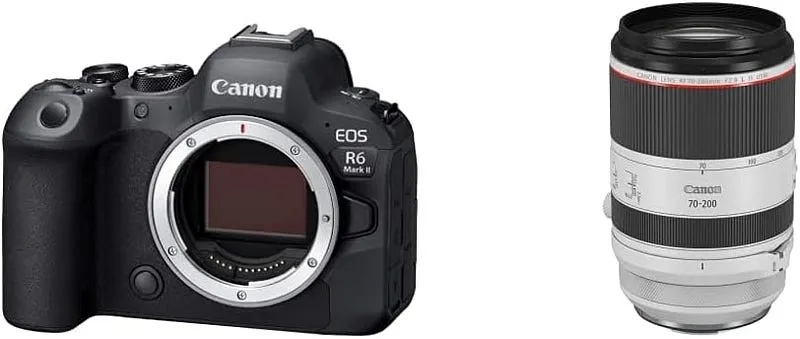
Why I love it:
- Autofocus that actually tracks the puck (seriously, it’s magic)
- Clean ISO performance up to 6400
- 40fps burst mode for those split-second goals
- In-body stabilization helps with longer lenses
The reality check: This setup costs about $4,500 new. If you’re just starting out, this might be overkill.
The Sweet Spot: Sony A7 IV + FE 70–200mm f/4
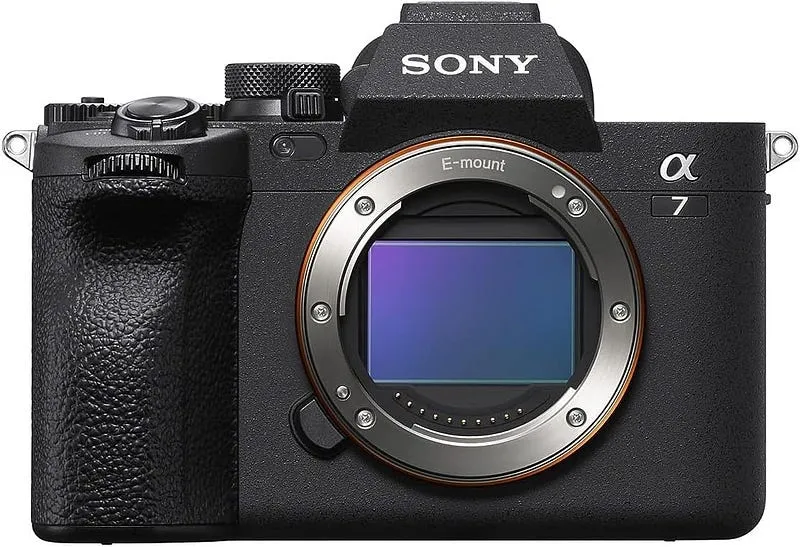
What makes it work:
- Excellent low-light performance
- Fast, accurate autofocus with subject detection
- Good burst rates (10fps)
- More affordable than the Canon setup
Cost: Around $3,200 new, but you can find deals
The Budget Champion: Canon EOS M50 + EF 70–200mm f/4L (with adapter)
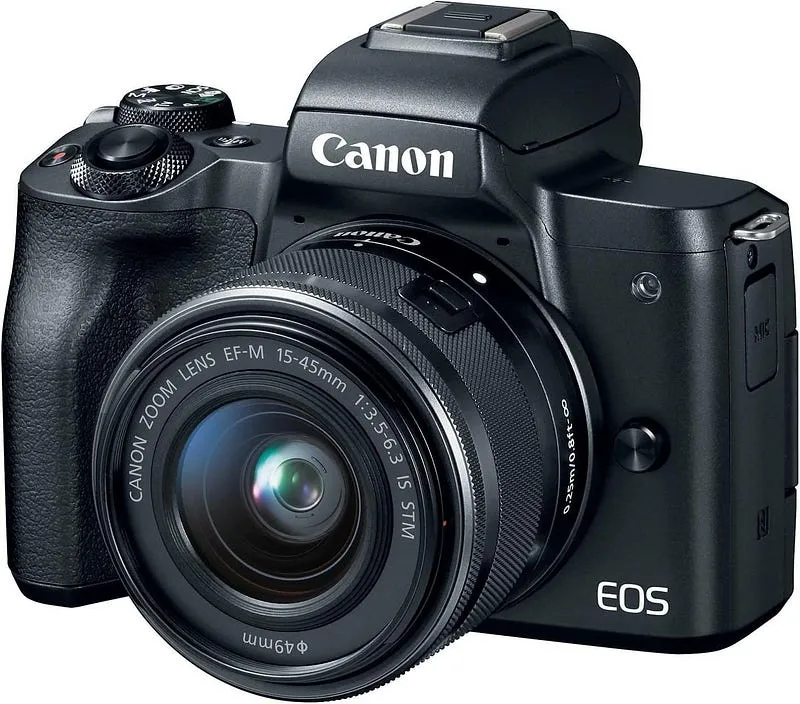
This is my recommendation for beginners who want to get serious without breaking the bank.
Why it works:
- Solid autofocus system for the price
- Good high ISO performance
- 10fps burst mode
- The EF 70–200mm f/4L is a legendary sports lens
Total cost: About $800–900 used
The catch: The M series is discontinued, so you’re buying into a dead system. But for learning hockey photography? It’s perfect.
The Lenses That Actually Work
Canon EF 70–200mm f/2.8L (Any Version)
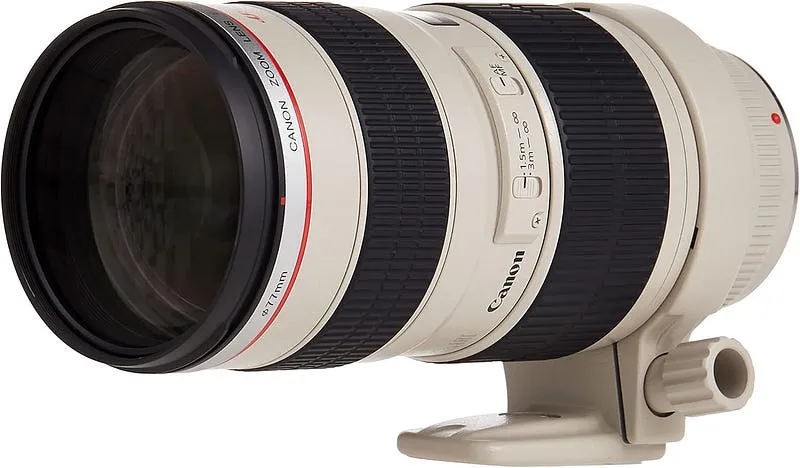
The gold standard. Fast, sharp, and reliable. I’ve used mine in rain, snow, and sub-zero temperatures. It just works.
Sony FE 70–200mm f/2.8 GM
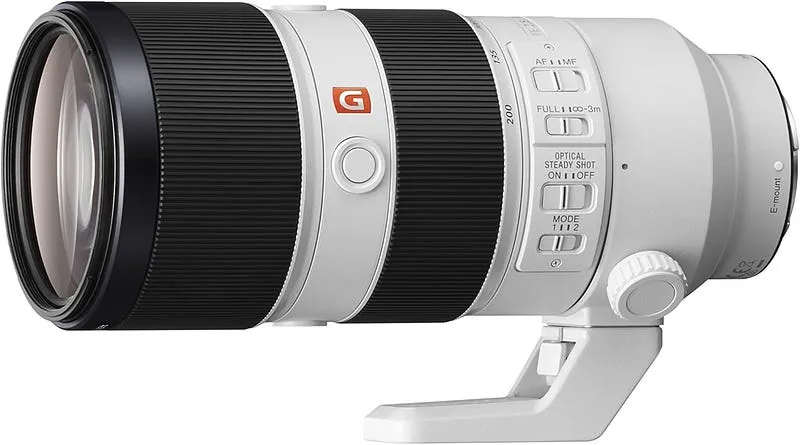
Sony’s answer to the Canon. Slightly lighter, equally excellent.
Canon RF 70–200mm f/2.8L
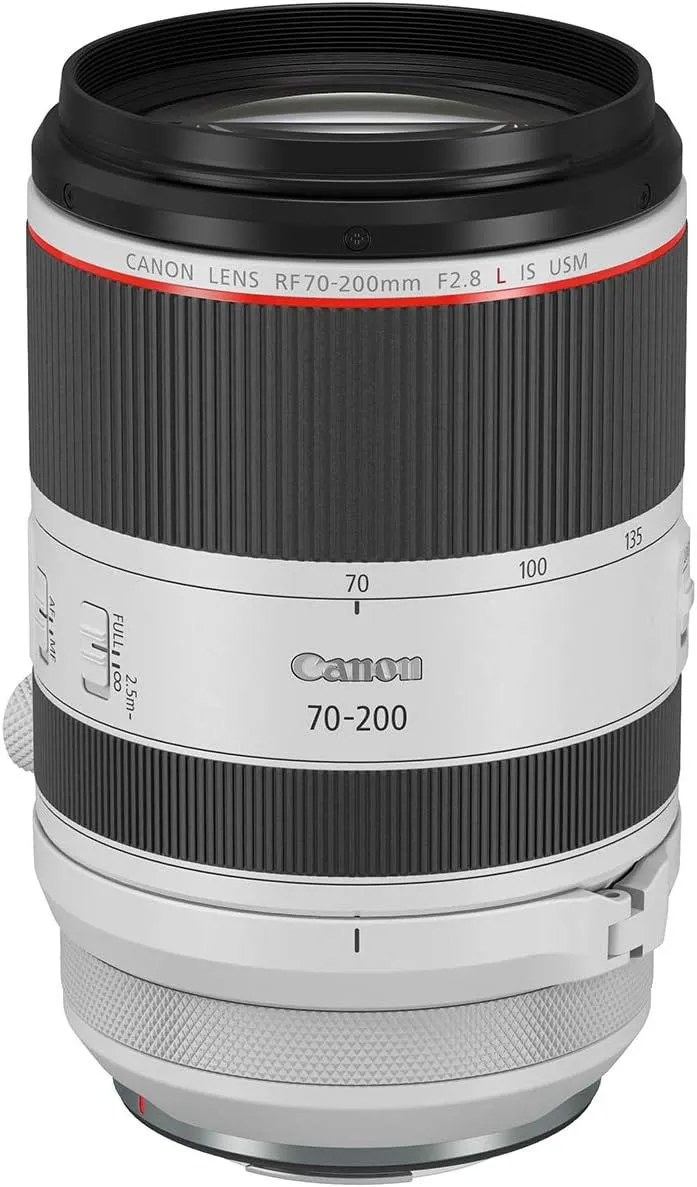
The newest version. Weather-sealed, incredibly sharp, and that autofocus is just unfair to the competition.
What About Those “Budget” Options?
I see a lot of beginners asking about the Canon 75–300mm or similar budget telephotos. Here’s my honest take: don’t.
I bought one early on thinking I was being smart. It’s slow to focus, soft even at its best aperture, and has no image stabilization. You’ll get frustrated and think you’re not good at this when really, it’s just your gear fighting you.
Save up for the f/4 version of the 70–200. Trust me on this.
Settings That Actually Work
After countless games, here’s my go-to setup:
Camera Mode: Shutter Priority (Tv/S mode) Shutter Speed: 1/1000s minimum (1/1250s for fast action) ISO: Auto, max 3200 Aperture: f/4-f/5.6 (gives enough depth of field) Focus Mode: AI Servo/Continuous AF Drive Mode: High-speed continuous
The Real Secret Nobody Talks About
Here’s what separates good hockey photos from great ones: anticipation.
The best hockey photographers aren’t just reacting to what’s happening — they’re predicting where it’s going to happen. Study the game. Learn the flow. Notice patterns.
That perfect shot of the game-winning goal? The photographer saw it developing three seconds before it happened.
My Honest Advice
If you’re just starting out, don’t get caught up in gear paralysis. Get a camera that can handle high ISO and fast autofocus, pair it with a decent 70–200mm lens, and start shooting.
You’ll learn more in one season of actual shooting than you will in a year of reading reviews online.
And here’s the thing nobody tells you: hockey photography is addictive. The challenge of capturing that perfect moment — the spray of ice, the intensity in a player’s eyes, the celebration after a goal — it gets in your blood.
Just make sure you dress warmly. Those arenas are cold, and you’ll be there for hours.
Final Thoughts
The best camera for hockey photography is the one that doesn’t get in your way. Whether that’s a $5,000 professional setup or a used M50 with a good lens, what matters is understanding your gear and knowing the game.
Now stop reading about cameras and go shoot some hockey.
What’s your experience with hockey photography? Drop me a line — I’d love to hear about your setup and favorite shots. And if you found this helpful, consider sharing it with another photographer who’s just getting into the game.
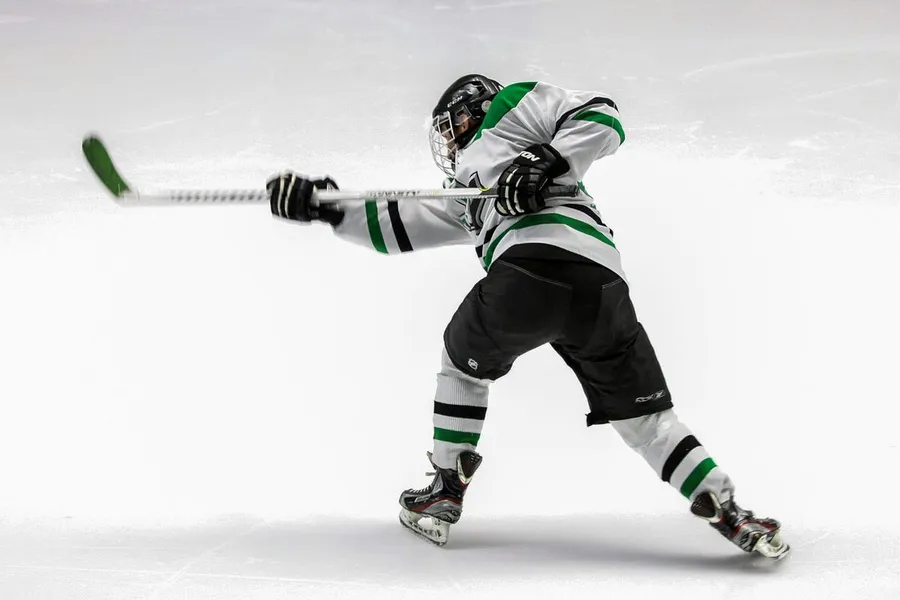
Photo by Gerhard Crous on Unsplash
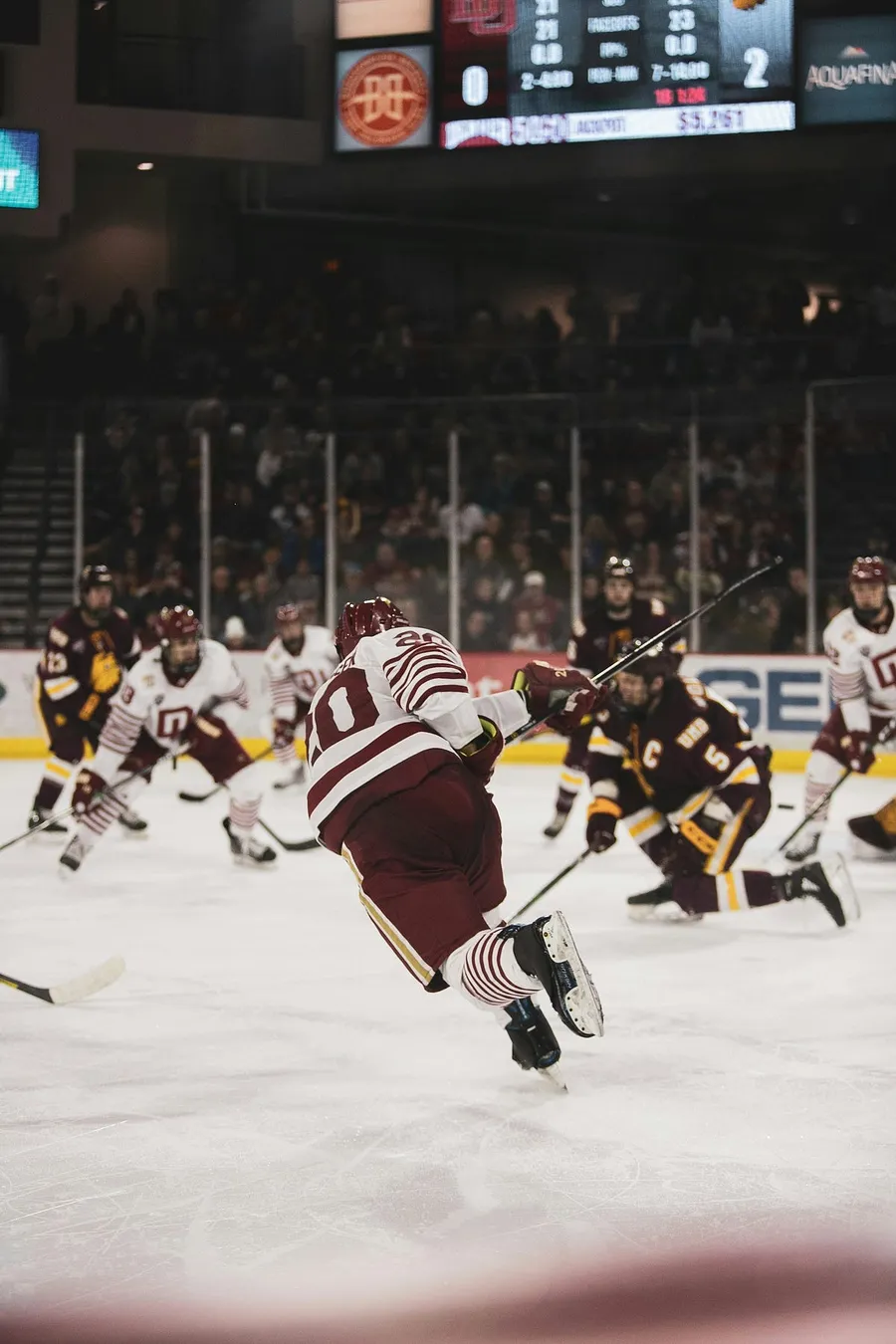
Photo by LOGAN WEAVER | @LGNWVR on Unsplash
Written by
Marien CartelProfessional and Certified Digital Photographer born in the USA, with 22 years of experience in the field of photography.
Related Guides
Best Camera for Automotive Photography
What I Actually Reach For When I’m Shooting Cars. Here is how the Canon EOS R5, Sony a7 IV and Nikon Z6 III compare, and the one I keep going back to.
Best Cameras for Virtual Production
After I Wasted a Full Shoot Day Finding Out — why the Sony FX6 and Sony FX9 made the list, and who each one really suits.
Best DSLR Cameras for Beginners: (Guide & Reviews)
My Hands-On Experience with the Best Beginner-Friendly Cameras — why the Canon EOS Rebel T7 and Nikon D3500 made the list, and who each one really suits.