Best Camera for Long Distance Photography
As an Amazon Associate we earn from qualifying purchases. Some links in this guide are affiliate links — see our affiliate disclosure for details.
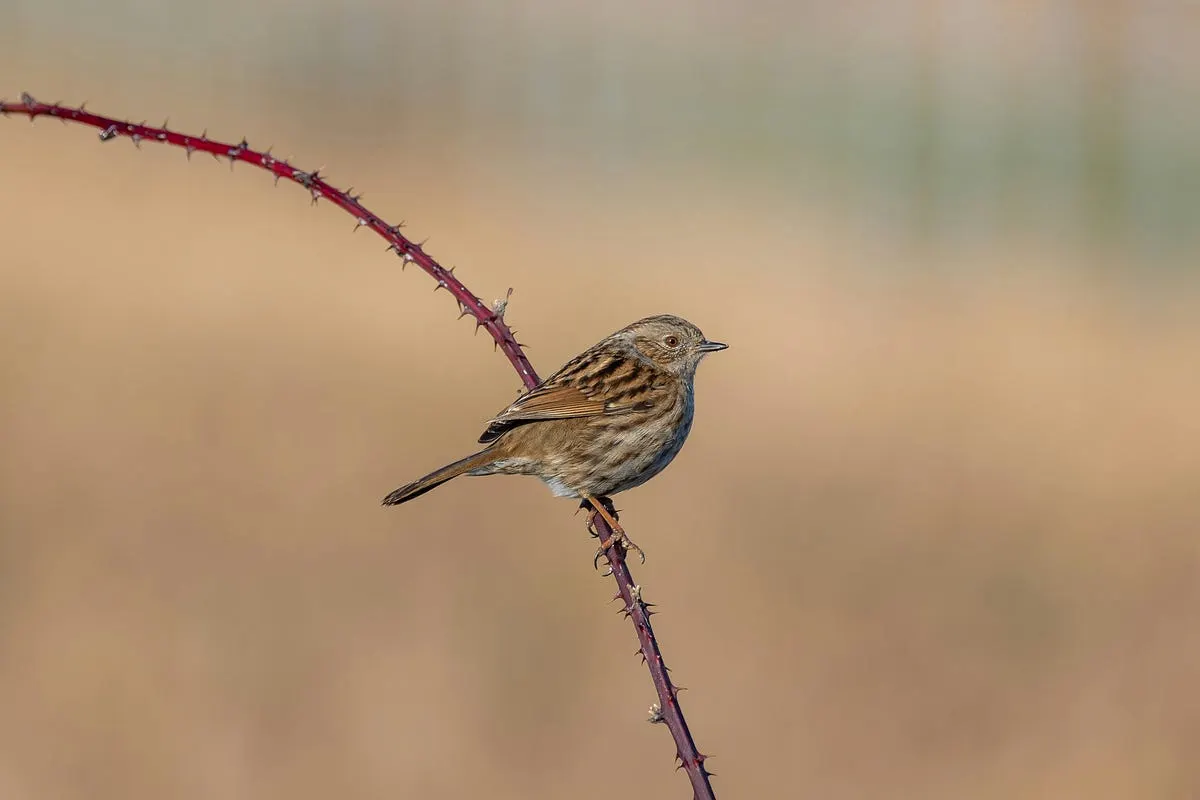
Photo by Pete Godfrey on Unsplash
For long distance photography, a “bridge camera” with a large zoom capability is generally considered the best option, with models from brands like Nikon, Canon, and Sony offering high zoom ratios on a compact body, making them ideal for capturing distant subjects; however, for professional quality long-distance shots, a full-frame camera paired with a dedicated telephoto lens is often preferred depending on your budget and specific needs.
Key points to consider:
- Sensor size: Larger sensors like full-frame provide better image quality, especially in low light, but are typically heavier and more expensive.
- Zoom range: Look for cameras with a high optical zoom range, often advertised as “superzoom” on bridge cameras.
- Lens quality: A good quality telephoto lens is crucial for sharp long-distance images.
Some top picks for long-distance photography:
Bridge Cameras
- Nikon Coolpix A1000 — View on Amazon
- Panasonic Lumix FZ1000 II — View on Amazon
- Sony RX10 IV — View on Amazon
Professional Cameras with Telephoto Lenses
- Canon EOS R5 — View on Amazon
- Nikon Z9 — View on Amazon
- Sony a7 IV — View on Amazon
For years, I’ve been captivated by the world of wildlife photography. There’s something magical about capturing animals in their natural habitat, undisturbed and unaware of your presence. But as I delved deeper into this passion, I quickly realized the limitations of my basic camera gear. Distant subjects appeared as mere specks in my photos, lacking the detail and vibrancy I craved. This sparked a quest to find the perfect camera for long-distance photography, a journey filled with trials, errors, and ultimately, rewarding discoveries.
My Early Struggles
I started with a standard DSLR and kit lens, a common setup for beginners. While it served me well for general photography, it fell short when trying to capture distant wildlife. Birds perched high in trees or animals grazing far across a field were reduced to blurry blobs in my images. I tried cropping the photos, but this only resulted in pixelated and unsatisfactory results.
The Turning Point
Frustrated but determined, I began researching cameras specifically designed for long-distance photography. I learned about the importance of telephoto lenses, image stabilization, and sensor size. After countless hours of reading reviews and comparing specs, I decided to invest in a bridge camera with a powerful zoom lens.
My First Bridge Camera
The difference was immediately noticeable. The extended zoom range allowed me to get much closer to my subjects, capturing details I had never been able to before. I was thrilled with the initial results, but as I gained more experience, I started to notice some limitations. The image quality wasn’t as sharp as I had hoped, especially in low light conditions, and the autofocus struggled to keep up with fast-moving subjects.
The Next Level
Undeterred, I continued my search for the ideal camera. This time, I decided to explore interchangeable lens cameras, specifically a Micro Four Thirds system. These cameras offer a great balance of size, weight, and image quality, with a wide selection of telephoto lenses available.
My Current Setup
I’m currently shooting with an Olympus OM-D E-M1 Mark III and a combination of telephoto lenses, including the Panasonic 100–400mm. This setup has been a game-changer for my long-distance photography. The image stabilization is incredible, allowing me to capture sharp images even at extreme zoom ranges. The autofocus is fast and accurate, and the image quality is superb.
Key Features for Long-Distance Photography
Based on my personal experience, here are some key features to consider when choosing a camera for long-distance photography:
- Telephoto Lens: A lens with a long focal length is essential for magnifying distant subjects.
- Image Stabilization: This feature helps to reduce blur caused by camera shake, especially at long focal lengths.
- Aut focus Performance: A fast and accurate autofocus system is crucial for capturing sharp images of moving subjects.
- Sensor Size: A larger sensor generally produces better image quality, especially in low light.
- Megapixels: While megapixels are important, they are not the only factor determining image quality.
My Recommendations
Here are some cameras that I would recommend for long-distance photography, based on my experience and research:
- Bridge Cameras: These offer a great all-in-one solution with a powerful zoom lens. Examples include the Panasonic Lumix FZ1000 II and the Sony Cyber-shot RX10 IV.
- Micro Four Thirds Cameras: These offer a compact and lightweight system with a wide selection of telephoto lenses. Examples include the Olympus OM-D E-M1 Mark III and the Panasonic Lumix GH5.
- DSLR and Mirrorless Cameras: These offer the best image quality and performance, but can be more expensive and require a larger investment in lenses. Examples include the Canon EOS R6 and the Sony Alpha a7R IV.
Final Thoughts
Finding the perfect camera for long-distance photography is a personal journey. It’s important to consider your budget, shooting style, and specific needs. While the right gear can make a big difference, it’s also important to remember that the most important factor is your passion and dedication to the craft.
I encourage you to do your own research, try out different cameras, and find what works best for you. With the right gear and a bit of practice, you’ll be capturing stunning long-distance photos in no time.
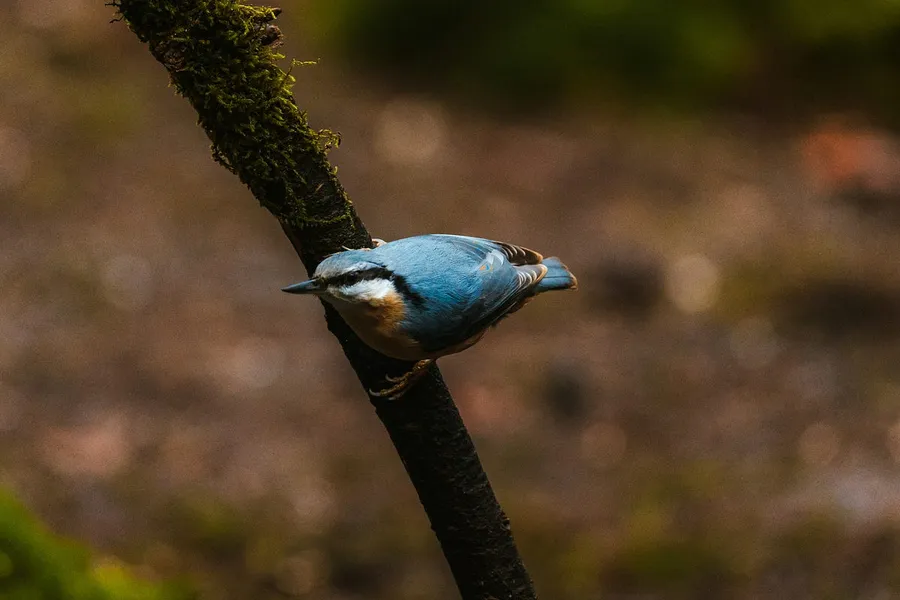
Photo by Krisztian Toth on Unsplash
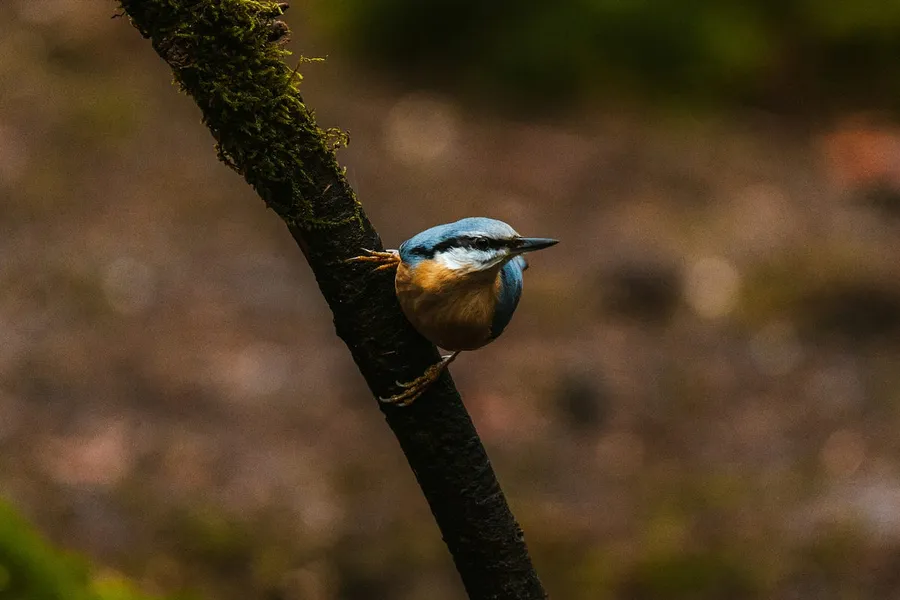
Photo by Krisztian Toth on Unsplash
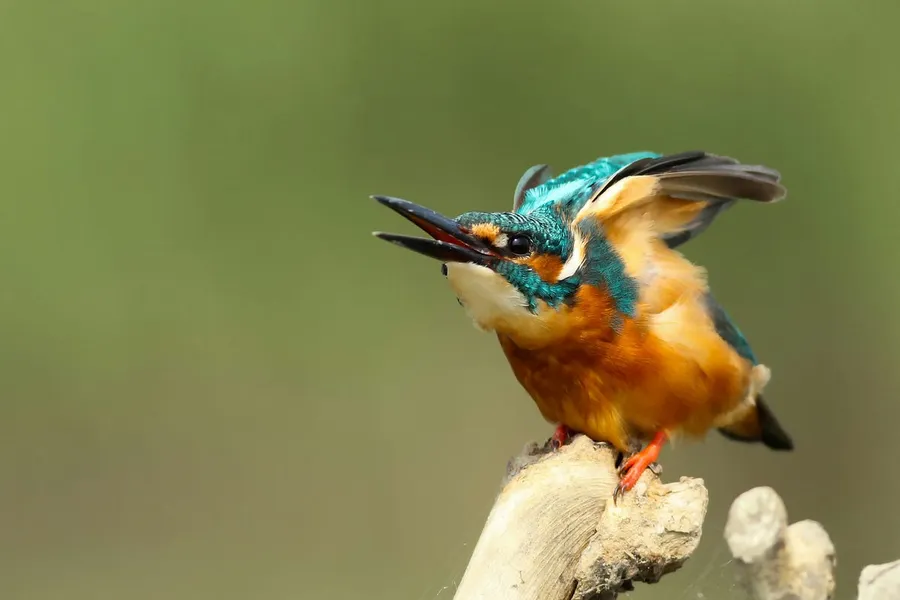
Photo by Boris Smokrovic on Unsplash
Written by
Marien CartelProfessional and Certified Digital Photographer born in the USA, with 22 years of experience in the field of photography.
Related Guides
Best Camera for Automotive Photography
What I Actually Reach For When I’m Shooting Cars. Here is how the Canon EOS R5, Sony a7 IV and Nikon Z6 III compare, and the one I keep going back to.
Best Cameras for Virtual Production
After I Wasted a Full Shoot Day Finding Out — why the Sony FX6 and Sony FX9 made the list, and who each one really suits.
Best DSLR Cameras for Beginners: (Guide & Reviews)
My Hands-On Experience with the Best Beginner-Friendly Cameras — why the Canon EOS Rebel T7 and Nikon D3500 made the list, and who each one really suits.