Best Camera for Music Videos
As an Amazon Associate we earn from qualifying purchases. Some links in this guide are affiliate links — see our affiliate disclosure for details.
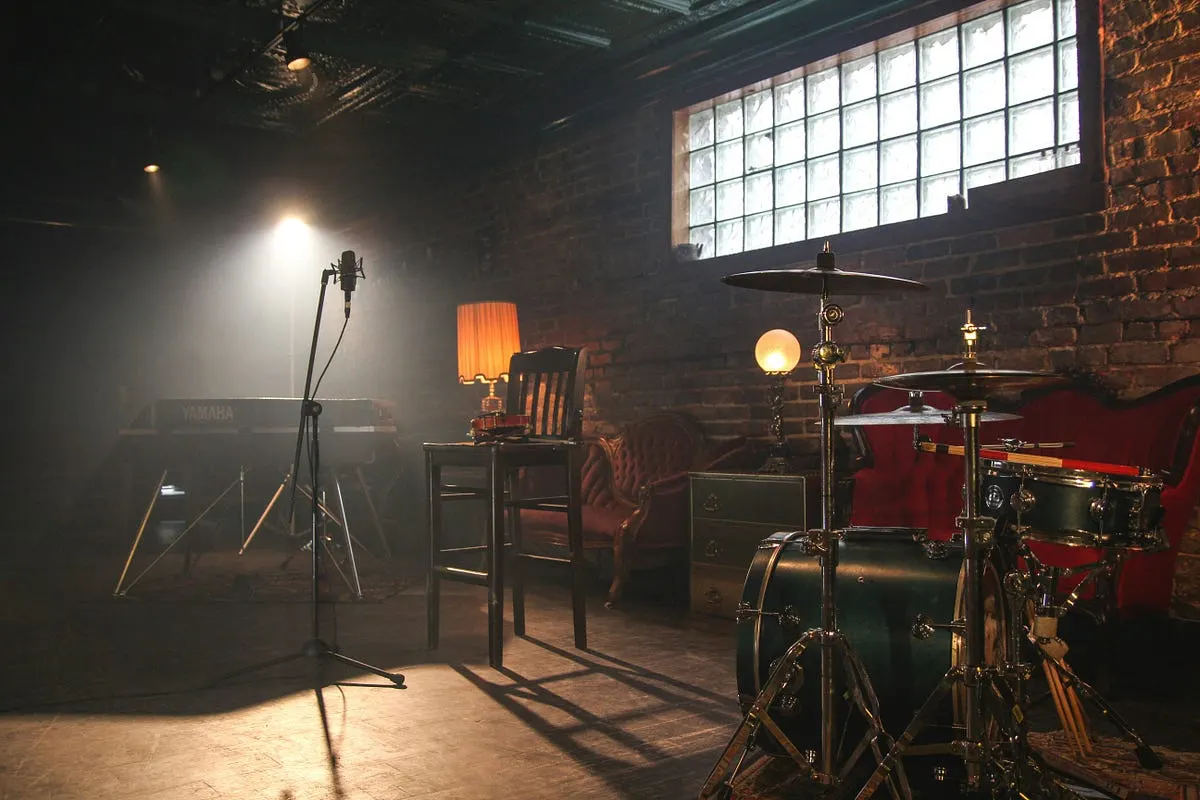
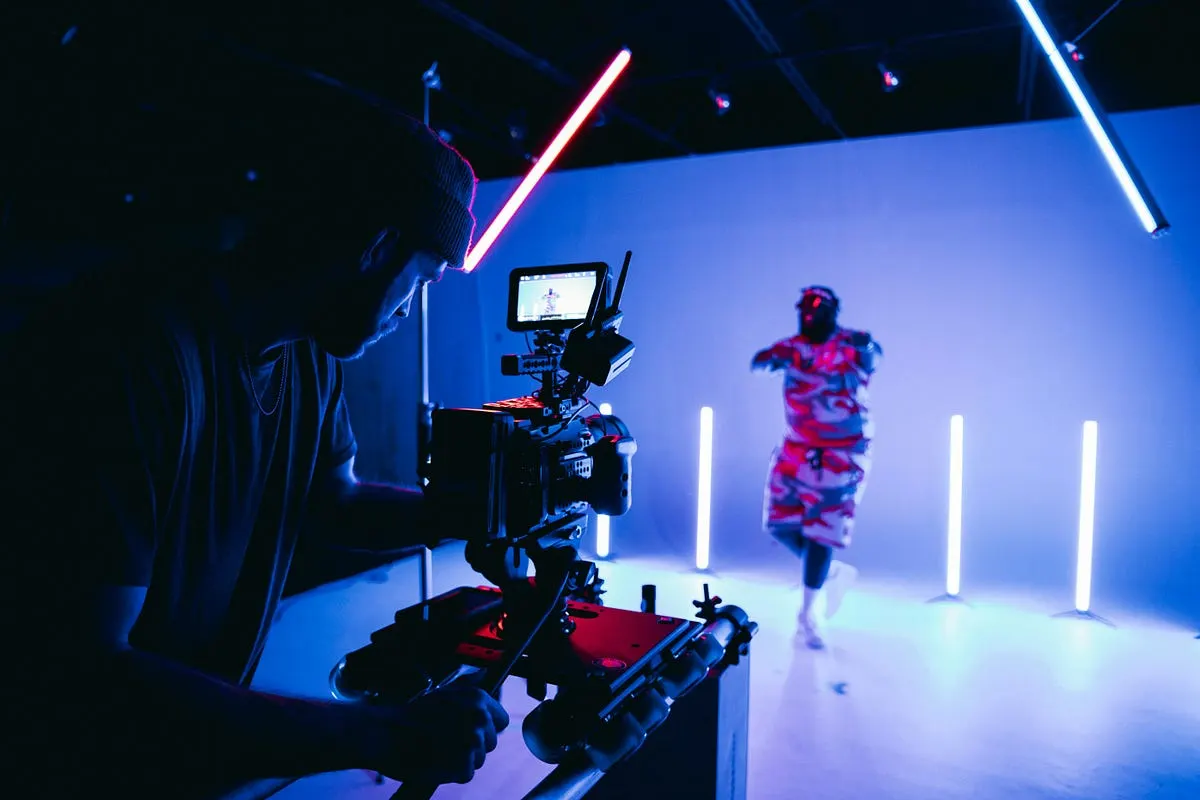
Photo by John Matychuk on Unsplash
Creating music videos is an exhilarating blend of artistry and technology. Over the years, I’ve had the privilege of working on various projects, from indie bands to larger productions. Through this journey, I’ve learned that selecting the right camera can significantly impact the final product. Here, I’ll share my personal experiences along with recommendations for the best cameras for music videos based on my insights and research.
Top 4 Best Camera for Music Videos
- Canon EOS R6 — View on Amazon
- Panasonic Lumix GH5 II — View on Amazon
- Fujifilm X-T4 — View on Amazon
- Sony ZV-E10 II — View on Amazon
The Early Days: Learning the Ropes
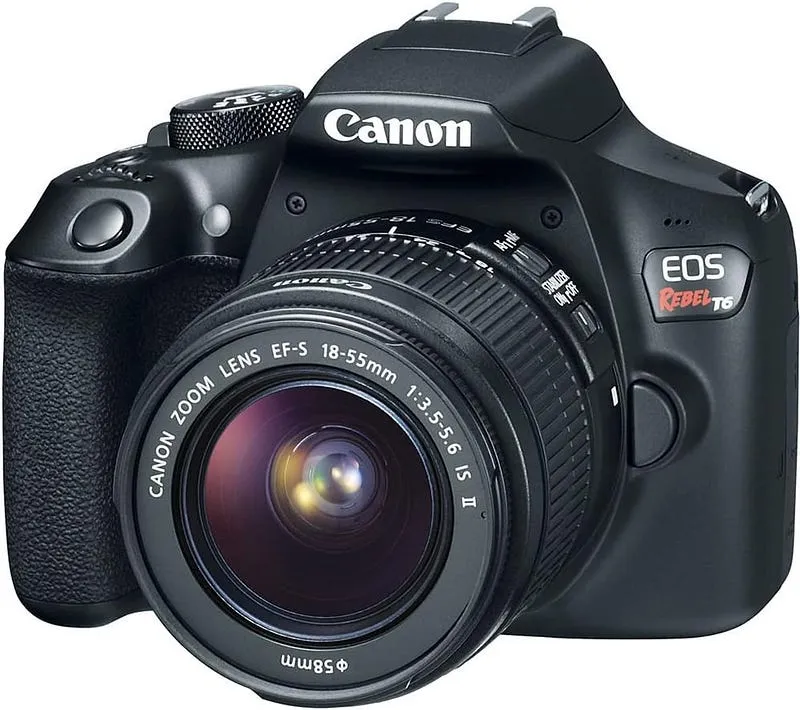
My photography journey began with a simple DSLR — a Canon EOS Rebel T6. It was an entry-level camera, perfect for learning the basics of aperture, shutter speed, and ISO. I spent hours experimenting with different lenses, shooting everything from landscapes to portraits. While the T6 was a great starting point, I quickly realized its limitations. The autofocus struggled in low light, the dynamic range was limited, and the build quality didn’t feel robust enough for professional use.
I knew I needed an upgrade, but I also knew that investing in a high-end camera was a big decision. I didn’t want to make the wrong choice, so I started researching and testing different models.
My Personal Experience
When I first started making music videos, I used a basic DSLR that I had lying around. While it was a good entry point, I quickly realized that to capture the vibrant energy of live performances and the nuanced storytelling of music, I needed a more capable camera. After experimenting with different models, I found that certain features — like low-light performance, autofocus capabilities, and video quality — were essential for achieving professional results.
One memorable project involved shooting a music video for a local band in a dimly lit venue. My entry-level camera struggled to capture the atmosphere without introducing noise. Frustrated yet determined, I decided to invest in a better model, which transformed my approach to videography.
Key Features to Look For in a Music Video Camera
When choosing a camera for music videos, consider the following features:
- Video Quality: Aim for at least 4K resolution to ensure your footage is sharp and detailed.
- Low-Light Performance: Many music venues have poor lighting; a camera with good low-light capabilities will help maintain image quality.
- Autofocus: Fast and accurate autofocus is crucial, especially during dynamic performances.
- Stabilization: In-body stabilization or lens stabilization can help smooth out handheld shots.
- Versatility: A camera that performs well in various shooting conditions will serve you better in different environments.
Top Camera Recommendations for Music Videos
Based on my experiences and insights from recent reviews, here are some of the best cameras for shooting music videos:
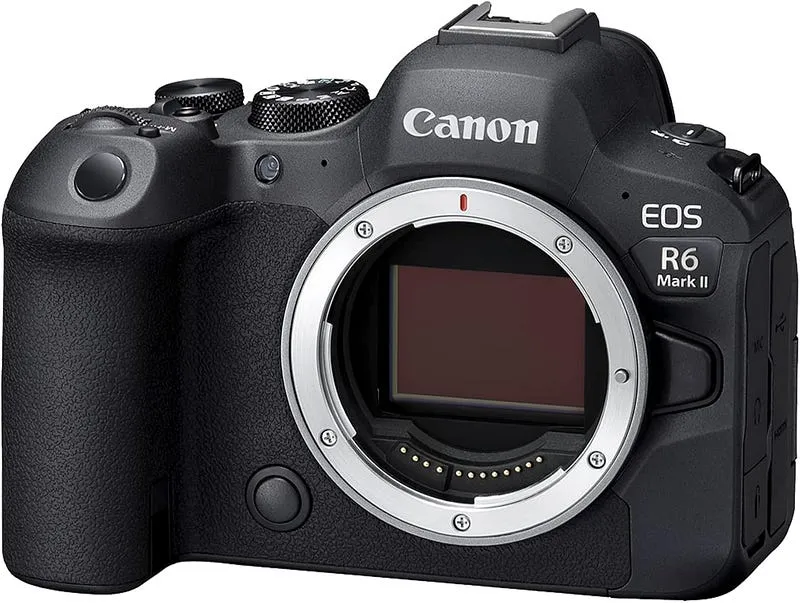
1-Canon EOS R6
When I first dipped my toes into the world of music video production, I was armed with nothing more than a basic DSLR and a passion for storytelling. My early attempts were filled with excitement, but they also came with a fair share of frustration.
I vividly remember one particular shoot at a local venue where the lighting was dim, and my camera struggled to capture the vibrant energy of the band. The footage came out grainy, and I felt like I had let both the band and myself down. It was a wake-up call that I needed to invest in better equipment.
After extensive research and countless reviews, I stumbled upon the Canon EOS R6. At first glance, it seemed like a dream come true — a full-frame mirrorless camera packed with features that promised to elevate my videography. I was particularly drawn to its impressive low-light performance and fast autofocus capabilities, which were crucial for capturing live performances. With a mix of excitement and apprehension, I decided to take the plunge and invest in this camera.
First Impressions
Unboxing the Canon EOS R6 felt like unwrapping a gift on Christmas morning. The sleek design, comfortable grip, and intuitive layout immediately made me feel at home. As I held it in my hands, I could sense that this was not just another camera; it was a tool that would help me tell stories in ways I had only dreamed of before.
The First Shoot
My first project with the R6 was a music video for an up-and-coming band performing at an outdoor festival. The sun was setting, casting beautiful golden hues across the stage.
As I set up my shots, I felt a wave of confidence wash over me. The R6’s dual pixel autofocus tracked the musicians seamlessly as they moved about the stage, allowing me to focus on capturing their energy rather than worrying about keeping them in frame.
When it came time to edit the footage, I was blown away by the quality. The colors were vibrant, and even in lower light conditions as night fell, the camera performed remarkably well. The noise levels were minimal compared to my previous experiences, and it felt like I had finally captured the essence of live music.
Versatility in Different Settings
The versatility of the Canon EOS R6 continued to impress me as I used it for various projects — ranging from intimate acoustic sessions in cozy cafes to high-energy rock performances in packed venues. Each time, the camera adapted beautifully to its surroundings. Its 4K video capabilities allowed me to experiment with different frame rates and resolutions, giving me creative freedom that I hadn’t experienced before.
One memorable shoot involved capturing a band in an underground club known for its dim lighting and vibrant atmosphere. Armed with my R6, I felt prepared for anything. As expected, the low-light performance exceeded my expectations; the images retained clarity and detail without excessive noise. It was during this shoot that I truly understood how much of a game changer this camera was for my work.
Building My Style
As I grew more comfortable with the Canon EOS R6, it became an extension of my creative vision. The customizable controls allowed me to tweak settings on-the-fly without missing a beat during performances. This adaptability helped me develop my unique style — one that combined dynamic angles with intimate close-ups that captured both the musicians’ expressions and the audience’s reactions.
Conclusion
Reflecting on my journey with the Canon EOS R6, it’s clear how pivotal this camera has been in shaping my approach to music video production. It not only enhanced my technical skills but also reignited my passion for storytelling through visuals.
If you’re considering stepping up your videography game or are just starting out, I wholeheartedly recommend the Canon EOS R6. It’s more than just a camera; it’s an investment in your creative future — a tool that empowers you to capture moments that resonate long after the music stops playing.
2- Panasonic Lumix GH5 II
When I first started creating music videos, I was armed with enthusiasm but limited by my equipment. My journey began with a simple camera that captured decent stills but faltered in video quality. I remember shooting my first music video in a small, dimly lit venue. The excitement was palpable, but as I reviewed the footage, disappointment set in. The graininess and lack of detail made it clear that I needed a better tool to express my creative vision.
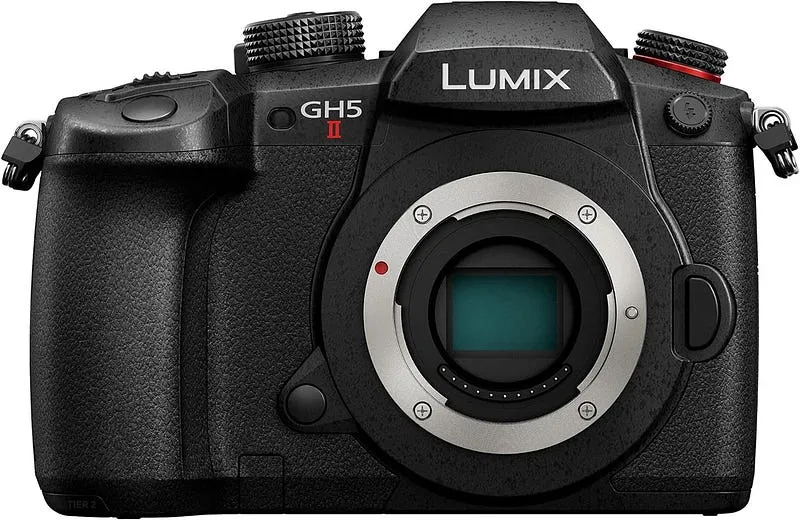
Panasonic Lumix GH5 II — View on Amazon
After much research and deliberation, I decided to invest in the Panasonic Lumix GH5 II. This decision felt monumental; I was stepping into a realm of professional-grade videography that I had only dreamed about. The GH5 II promised features that could elevate my work, and I was eager to see if it would live up to the hype.
First Impressions
Unboxing the GH5 II was an experience in itself. The camera felt solid in my hands — sturdy yet lightweight, which is crucial for long shooting days. The updated design included a brighter screen and improved ergonomics, making it comfortable to use for extended periods. As I held it, I could feel the potential; this camera was built for creators like me.
The First Shoot: A New Era Begins
My first project with the GH5 II was a music video for a local band at an outdoor festival. The sun was setting, casting beautiful golden light over the stage. I felt a rush of confidence as I set up my shots. The camera’s 4K video capabilities allowed me to capture stunning detail, and its advanced autofocus system tracked the musicians effortlessly as they moved about the stage.
What truly amazed me was the V-Log L feature that came pre-installed. This flat gamma curve gave me incredible latitude for color grading in post-production. As I edited the footage later, I was blown away by how vibrant and dynamic the final product looked. It felt like I had finally captured the essence of live music — the energy, the emotion, and the atmosphere.
Versatility Across Different Projects
As I continued to use the GH5 II for various projects — ranging from intimate acoustic sessions in cozy cafes to high-energy performances in packed venues — the camera consistently impressed me. Its unlimited recording time meant that I could focus on creativity rather than worrying about running out of space mid-performance.
One memorable shoot involved capturing a band in an underground club known for its challenging lighting conditions. Armed with my GH5 II, I felt ready for anything. The camera’s low-light performance exceeded my expectations; even in near darkness, the images retained clarity and detail without excessive noise. This capability transformed how I approached shoots in less-than-ideal lighting.
Panasonic Lumix GH5 II — View on Amazon
Building My Unique Style
Over time, as I grew more comfortable with my GH5 II, it became an integral part of my creative process. The customizable settings allowed me to adapt quickly during shoots, whether adjusting for different lighting conditions or switching between different frame rates for slow-motion effects.
The 5-axis image stabilization became a game changer during handheld shots. It allowed me to move freely around performers without worrying about shaky footage — something that had plagued my earlier work. This stability opened up new creative possibilities and helped me develop a dynamic shooting style that resonated with audiences.
Conclusion: A Tool for Every Creator
Reflecting on my journey with the Panasonic Lumix GH5 II, it’s clear how pivotal this camera has been in shaping my approach to music video production. It not only enhanced my technical skills but also reignited my passion for storytelling through visuals.
If you’re considering stepping up your videography game or are just starting out, I wholeheartedly recommend the Panasonic Lumix GH5 II. It’s more than just a camera; it’s an investment in your creative future — a tool that empowers you to capture moments that resonate long after the music stops playing. With this camera by your side, you can transform your artistic vision into stunning reality, just as I did on my journey from novice to confident creator.
Panasonic Lumix GH5 II — View on Amazon
3- Fujifilm X-T4
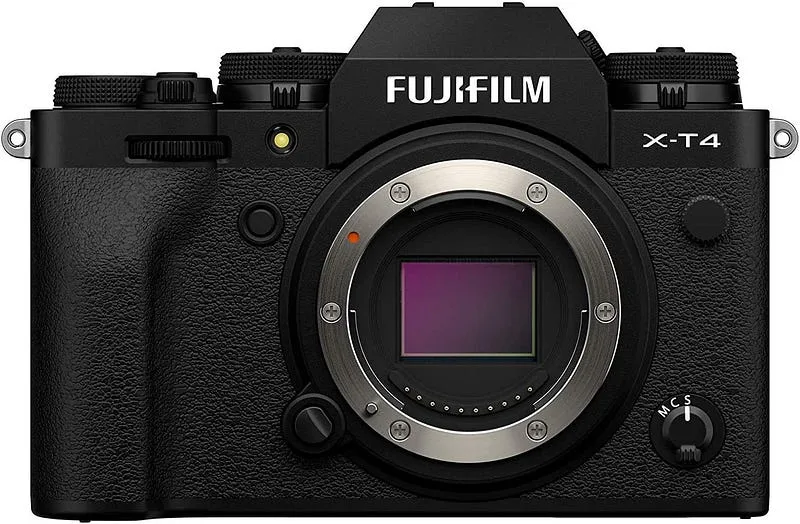
The Fujifilm X-T4 has become a significant part of my photography journey, blending nostalgia with modern technology. When I first laid eyes on this camera, its retro design immediately drew me in. It reminded me of the film cameras I grew up with, yet it was packed with features that promised to elevate my photography to new heights.
Fujifilm X-T4 — View on Amazon
Discovering the X-T4
Upon acquiring the X-T4, I was eager to test its capabilities. The first thing I noticed was how intuitive the button layout was, despite the initial confusion over the unlabeled dials. Once I got accustomed to it, shooting became second nature. The top dials for ISO and shutter speed allowed for quick adjustments, which I found particularly useful during street photography sessions when every moment counts. The Auto ISO feature was a game changer; it helped me capture stunning images even in challenging lighting conditions without worrying about manual settings.
Capturing Moments
One memorable outing was a day spent in the bustling streets of downtown, where I experimented with both wide-angle shots and intimate portraits. The X-T4’s color science truly shone through, delivering vibrant and nostalgic tones that made my images feel alive. I remember capturing a candid shot of a street performer; the colors were rich, and the depth of field was beautifully rendered even with the 16–80mm lens at f/4. It felt like I was not just taking photos but preserving stories.
Another highlight was a family gathering by the pool. With kids splashing around, I was initially concerned about autofocus performance amidst their fast movements. However, the X-T4 exceeded my expectations. It locked onto faces effortlessly, allowing me to capture joyful moments without missing a beat. The background separation in my portraits was impressive, giving them a professional touch that made me proud of my work.
Fujifilm X-T4 — View on Amazon
Versatility for Every Occasion
The X-T4 has proven to be more than just a street or portrait camera; it’s versatile enough for travel and event photography too. Its longer battery life has been a blessing during extended shoots, eliminating the constant need to swap batteries — a common hassle with my previous cameras.
The fully articulating flip screen has also opened up new creative possibilities for self-portraits and unique angles that were previously difficult to achieve.
Additionally, I found the film simulation modes particularly inspiring. The Classic Negative and Eterna Bleach Bypass simulations allowed me to create distinct looks straight out of the camera without extensive post-processing. This feature has not only streamlined my workflow but also rekindled my passion for experimenting with different styles.
A Personal Connection
As I reflect on my experiences with the Fujifilm X-T4, it feels more like an extension of my creative vision rather than just a tool. Its blend of modern technology and classic aesthetics resonates deeply with me as someone who appreciates both art and history in photography. Each click of the shutter feels significant, capturing fleeting moments that tell stories — my stories.
In conclusion, the Fujifilm X-T4 is not just another camera; it’s a companion in my photographic journey. Whether I’m exploring urban landscapes or documenting personal milestones, this camera continues to inspire me to push boundaries and capture life in all its vibrant colors.
Fujifilm X-T4 — View on Amazon
4- Sony ZV-E10 II
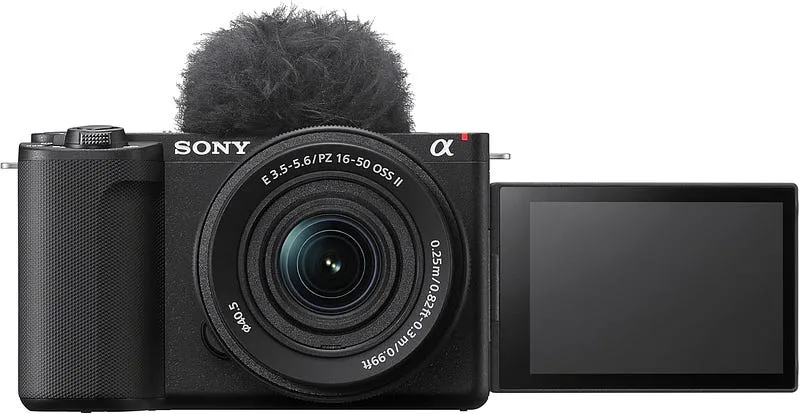
The Sony ZV-E10 II has quickly become a cherished companion in my creative journey, embodying the perfect blend of functionality and ease of use tailored for content creators like me. When I first held this camera, I was struck by its compact design and the promise it held for my vlogging adventures.
Sony ZV-E10 II — View on Amazon
First Impressions
As I unboxed the ZV-E10 II, I felt an excitement reminiscent of my early days with photography. The camera’s sleek body and larger grip were inviting, making it comfortable to hold even during long shooting sessions. Weighing in at just 377 grams, it was light enough to carry around all day without fatigue, yet substantial enough to feel like a serious piece of equipment. The transition from the previous model’s smaller W-series battery to the larger Z-series battery was a welcome upgrade, promising extended recording times — something I desperately needed during my travels.
Vlogging Adventures
My first outing with the ZV-E10 II was a weekend trip to a vibrant street fair. Armed with the camera and a simple lens, I set out to capture the lively atmosphere. The ability to shoot in 4K at 60 frames per second was exhilarating; I felt like a professional filmmaker as I recorded the bustling crowds and colorful stalls. The built-in three-capsule microphone delivered surprisingly clear audio, allowing me to capture the ambient sounds of laughter and music without needing extra gear.
One feature that stood out during this event was the Product Showcase mode. As I demonstrated some handmade crafts from local vendors, the camera seamlessly shifted focus between me and the items I held up. This functionality made my vlogs feel more engaging and dynamic, enhancing the storytelling aspect that I strive for in my content.
Sony ZV-E10 II — View on Amazon
Overcoming Challenges
Despite its many strengths, the ZV-E10 II does have some quirks. While it lacks in-body stabilization, which can lead to shaky footage when walking, I found that using lenses with optical stabilization helped mitigate this issue. During one particularly energetic segment of my vlog — running through the fair while filming — I had to be mindful of keeping my movements steady. However, the camera’s Active Mode Stabilization did a commendable job smoothing out some of those bumps.
Battery life was another area where I had mixed feelings. Although it offered significantly improved recording times — up to 130 minutes — I still found myself glancing at the battery indicator more often than I’d like during longer shoots. Carrying an extra battery became a necessity, especially when I ventured into longer filming sessions without access to charging options.
Creative Freedom
What truly makes the ZV-E10 II special is its versatility for various shooting scenarios. I took it on hikes and captured breathtaking landscapes in stunning detail thanks to its 26-megapixel APS-C sensor. The Background Defocus button allowed me to achieve that coveted bokeh effect effortlessly, making portraits pop against beautiful backdrops.
The vari-angle touchscreen was another game changer for me; it made framing shots from unusual angles easy and intuitive. Whether I was filming myself talking directly to the camera or capturing candid moments from above, this feature opened up new creative possibilities that I had only dreamed of before.
A Personal Connection
Reflecting on my experiences with the Sony ZV-E10 II, it feels more than just a camera; it’s an extension of my storytelling voice. Each video I create with it captures not only moments but emotions and experiences that resonate deeply with me and my audience. The journey from an amateur vlogger to someone who feels confident producing quality content has been enriched by this remarkable tool.
In conclusion, the Sony ZV-E10 II has become an integral part of my creative toolkit. It inspires me to explore new narratives and share them with others, all while enjoying the process of capturing life through my lens. Whether I’m vlogging about everyday adventures or documenting special moments, this camera empowers me to tell my story authentically and beautifully.
Sony ZV-E10 II — View on Amazon
5- Sony FX30
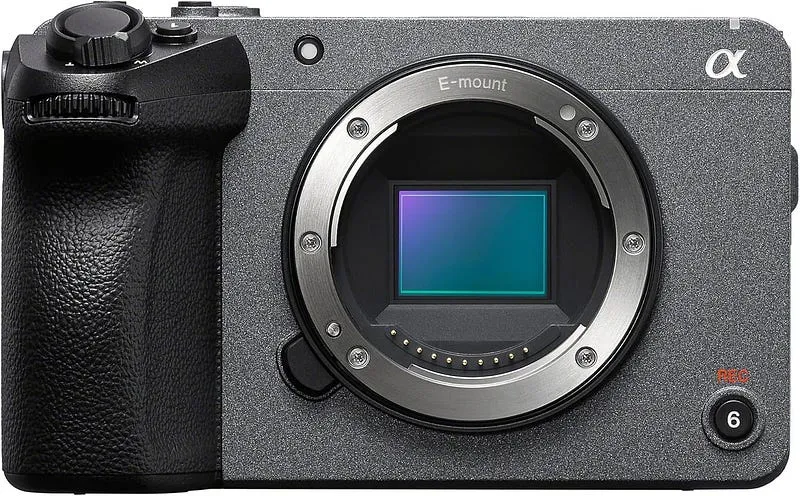
For creators who want the power and ergonomics of a cinema camera in a compact and more affordable package, the Sony FX30 is the answer. It’s part of Sony’s acclaimed Cinema Line, and it punches far above its weight class, delivering features that were unheard of at this price point just a few years ago.
My Experience
My first outing with the FX30 was for a gritty, narrative-driven hip-hop video. We were shooting run-and-gun style in various city locations and needed a rig that was small, modular, and efficient. The FX30’s design is brilliant. It’s stripped of unnecessary photo features like a viewfinder, focusing instead on video-centric needs: multiple mounting points for accessories, a clear tally lamp so the artist knows when you’re recording, and a familiar cinema-style menu.
The Super 35 (APS-C) sensor with its dual base ISO was incredible. We were shooting a scene under a single streetlight, and by switching to the high base ISO of 2500, I got a stunningly clean image with minimal noise. I also loaded a custom LUT (Look-Up Table) into the camera, which allowed us to monitor a close-to-final color grade on set. This helped everyone — from the director to the artist — visualize the final look and feel of the video in real-time.
Conclusion
Choosing the right camera can elevate your music video production from amateur to professional. My journey has taught me that the best tool is the one that removes technical barriers and lets you focus on creativity. The landscape of camera technology is always changing, but the principles of good storytelling remain the same.
Whether you opt for the do-it-all reliability of the Canon EOS R6 Mark II, the post-production powerhouse Panasonic Lumix S5IIX, the slow-motion specialist Fujifilm X-H2S, or the compact cinema-style Sony FX30, each of these cameras brings unique and powerful strengths to your creative process.
As you embark on your next music video project, consider how each camera’s features align with your vision. With the right tools in hand, you’ll be well-equipped to capture stunning visuals that do justice to the music and resonate with audiences long after the song is over.

Written by
Marien CartelProfessional and Certified Digital Photographer born in the USA, with 22 years of experience in the field of photography.
Related Guides
Best Camera for Automotive Photography
What I Actually Reach For When I’m Shooting Cars. Here is how the Canon EOS R5, Sony a7 IV and Nikon Z6 III compare, and the one I keep going back to.
Best Cameras for Virtual Production
After I Wasted a Full Shoot Day Finding Out — why the Sony FX6 and Sony FX9 made the list, and who each one really suits.
Best DSLR Cameras for Beginners: (Guide & Reviews)
My Hands-On Experience with the Best Beginner-Friendly Cameras — why the Canon EOS Rebel T7 and Nikon D3500 made the list, and who each one really suits.