Best Camera for Newborn Hospital Sessions
As an Amazon Associate we earn from qualifying purchases. Some links in this guide are affiliate links — see our affiliate disclosure for details.
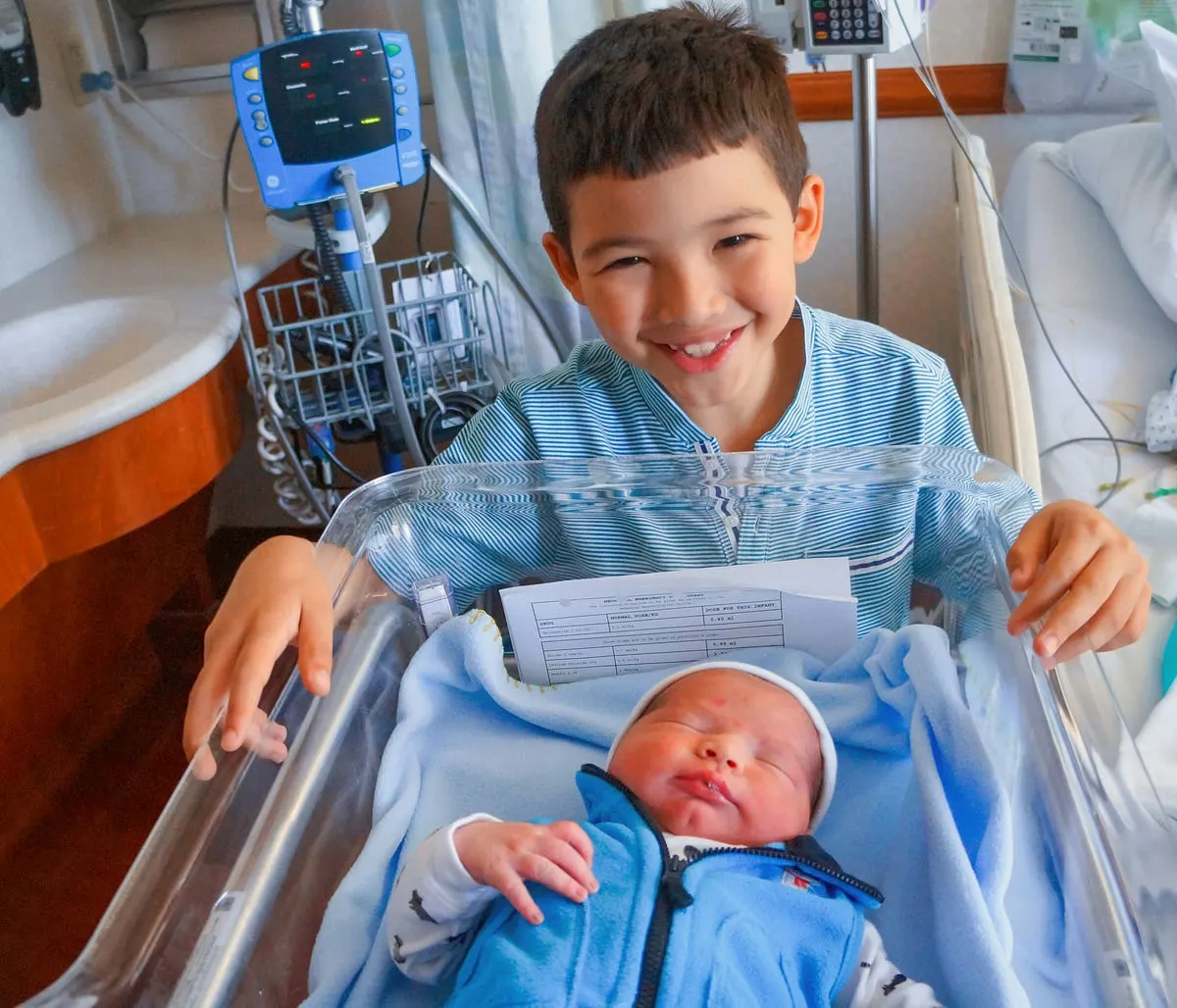
Photo by Gabriel Tovar on Unsplash
Bringing a newborn into the world is a whirlwind of emotion, exhaustion, and overwhelming love. When my baby arrived, I knew I wanted to freeze those first precious hours forever. Hospital sessions-often called “Fresh 48” sessions-are unique: the lighting is tricky, space is tight, and everything happens fast.
After researching, testing, and learning from my own hospital experience, here’s my guide to the best camera for newborn hospital sessions, plus a glimpse into how I captured my baby’s first moments.
- Canon EOS R6 Mark II — View on Amazon
- Canon EOS R5 — View on Amazon
- Nikon Z6 — View on Amazon
- Sony A7 III — View on Amazon
- Canon EOS 5D Mark IV — View on Amazon
What Makes a Camera Ideal for Hospital Newborn Sessions?
- Excellent low-light performance (hospital rooms are dim)
- Fast, reliable autofocus (newborns don’t wait for your camera)
- Compact and lightweight (you’ll be juggling a lot)
- Intuitive controls (moments are fleeting)
- Ability to use prime lenses with wide apertures for beautiful, soft backgrounds
Capturing My Baby’s First Hours
When my son was born, I packed my camera bag with excitement and nerves. I chose the Nikon D750 paired with a Sigma Art 35mm f/1.4 lens. Why? The D750’s full-frame sensor handled the hospital’s low light beautifully, and the 35mm lens let me stay close to my baby (safety first!) while capturing both intimate close-ups and wider family moments.
The room was small, but the 35mm was perfect-I could shoot from the foot of the bed or squeeze in beside the bassinet. I relied on natural window light, bumping my ISO as needed and shooting wide open at f/1.4 for dreamy, soft images. I also brought a macro lens for those tiny toes and fingers, but the 35mm did most of the heavy lifting.
Looking back, I’m so grateful I invested in a camera that could keep up with the unpredictable, emotional pace of those first hours. The images are among my most treasured possessions.
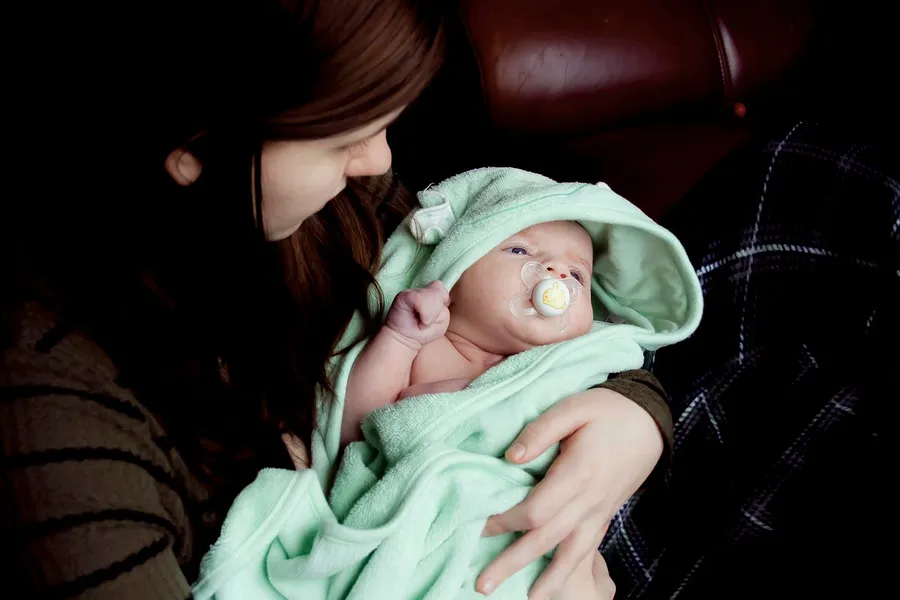
Top Camera Choices for Newborn Hospital Photography
Here are the top contenders for hospital newborn sessions, based on expert recommendations and my personal experience:
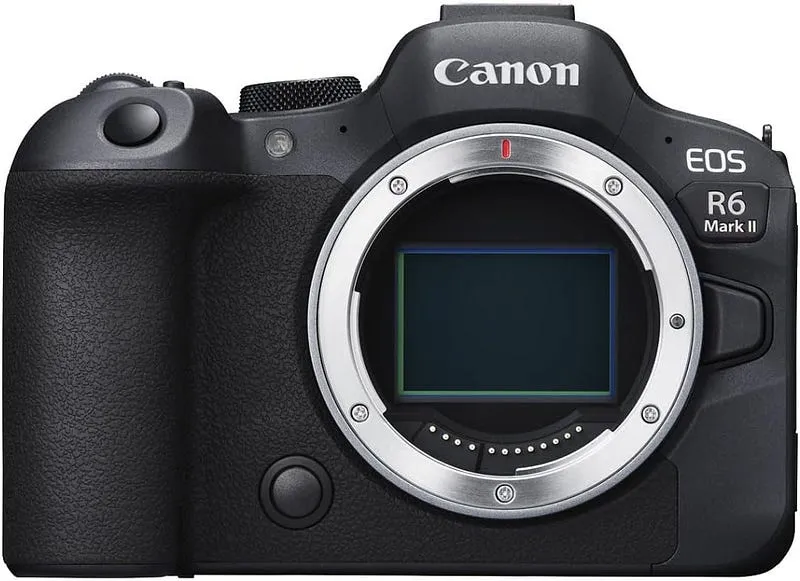
Canon EOS R6 Mark II
Why I like it:
The Canon EOS R6 Mark II is a powerhouse for newborn photography. Its 24.2MP full-frame sensor delivers crisp, noise-free images even in the dim hospital lighting. The in-body image stabilization (IBIS) helped me shoot handheld without worrying about blur, which was a lifesaver when I was juggling a sleepy baby and camera. The autofocus is lightning fast and tracks eyes beautifully, so I rarely missed a fleeting expression.
Pros:
- Excellent low-light performance
- Fast, reliable autofocus with eye tracking
- IBIS for steady handheld shots
- Lightweight and easy to handle in small spaces
Cons:
- The 24MP resolution is great but not ultra-high, so cropping options are a bit limited
- Battery life is good but I recommend carrying a spare for long sessions
This camera felt like an extension of my eye during those first hours. It was intuitive, so I could focus on my baby rather than fiddling with settings.
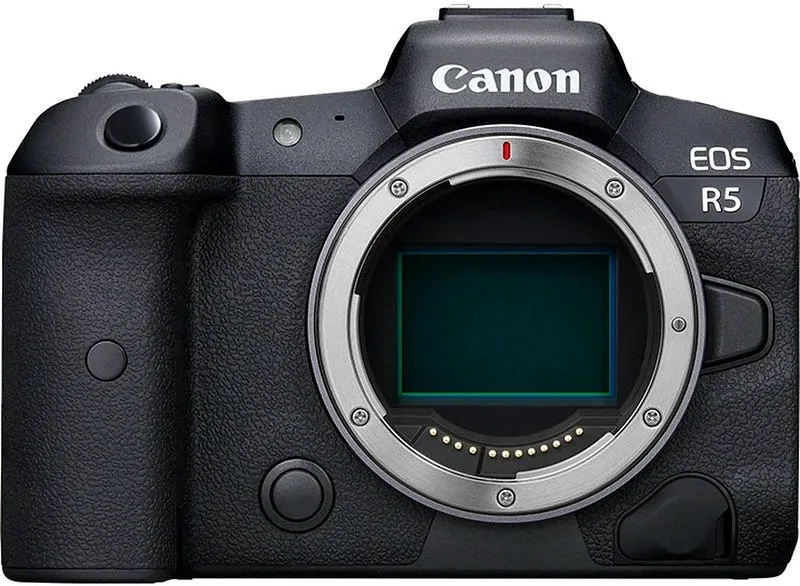
Canon EOS R5
Why I like it:
If you want the absolute best image quality and don’t mind investing a bit more, the Canon EOS R5 is a dream. The 45MP sensor captures incredible detail-perfect if you want large prints or to crop tightly on tiny newborn features. Its autofocus system is top-tier, and IBIS keeps shots sharp even in tricky lighting.
Pros:
- Ultra-high resolution for stunning detail
- Professional-grade autofocus and image stabilization
- Great video capabilities if you want to capture moving moments
Cons:
- Higher price point
- Larger files require more storage and processing power
- Slightly heavier than the R6 Mark II
I didn’t use this one personally, but if I were to do a dedicated newborn photography business or wanted heirloom-quality images, this would be my pick.
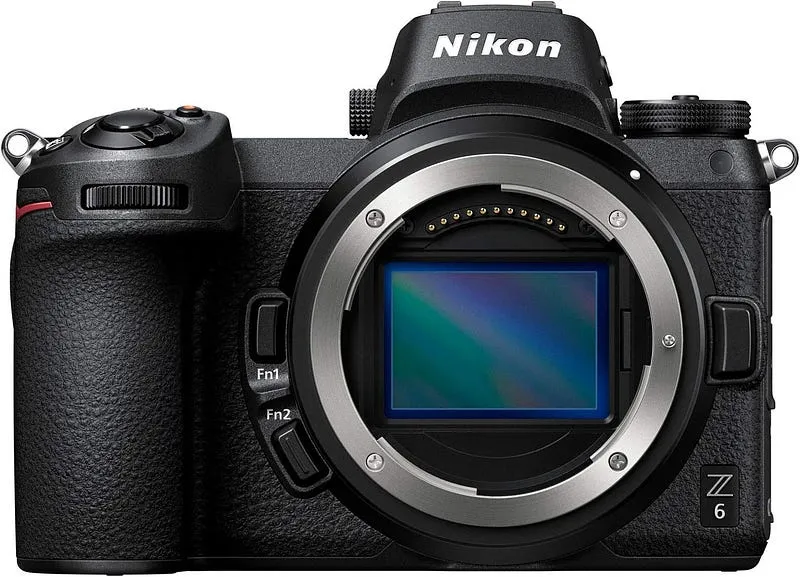
Nikon Z6
Why I like it:
The Nikon Z6 is a solid all-rounder with excellent low-light capabilities and a comfortable grip. Its 24.5MP sensor and in-body stabilization helped me capture clean, sharp images in the hospital’s soft lighting. The camera’s burst mode was handy for catching those tiny yawns and stretches.
Pros:
- Great low-light performance
- IBIS for steady shots
- Comfortable ergonomics for extended use
- Good burst rate for capturing fleeting moments
Cons:
- Autofocus is reliable but not quite as fast or precise as Canon’s latest models
- Lens selection is growing but still smaller than Canon or Sony
I found the Nikon Z6 very user-friendly and dependable, especially if you already have Nikon lenses or prefer their system.
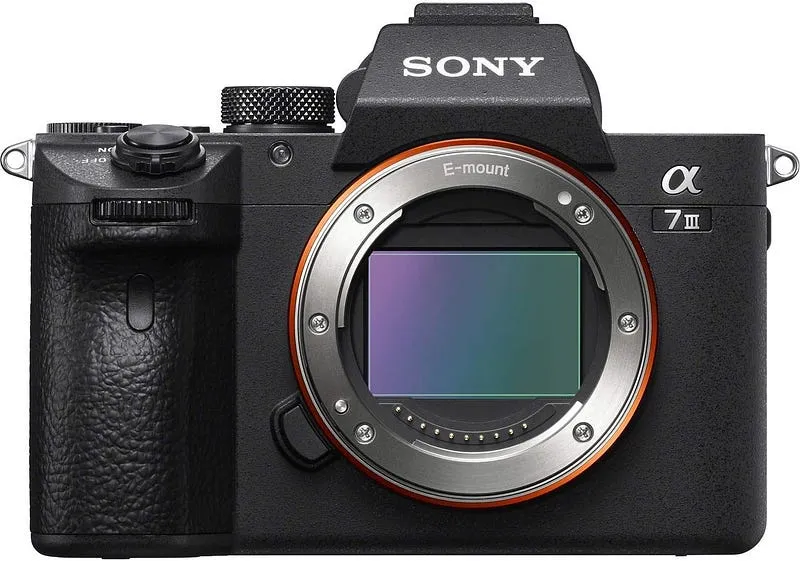
Sony A7 III
Why I like it:
Sony’s A7 III is a favorite among many photographers for its superb image quality and compact size. Its real-time eye autofocus is fantastic for newborns who are constantly moving their tiny eyes. The camera’s lightweight body made it easy to maneuver around the hospital bed.
Pros:
- Excellent dynamic range and image quality
- Real-time eye autofocus for precise focusing
- Compact and lightweight design
- Strong battery life
Cons:
- Menu system can be complex and take some getting used to
- Some lenses are pricey and bulky
If you want a lightweight, versatile camera that won’t weigh you down during long hospital sessions, the A7 III is a great choice. Just prepare to spend some time learning the menus.
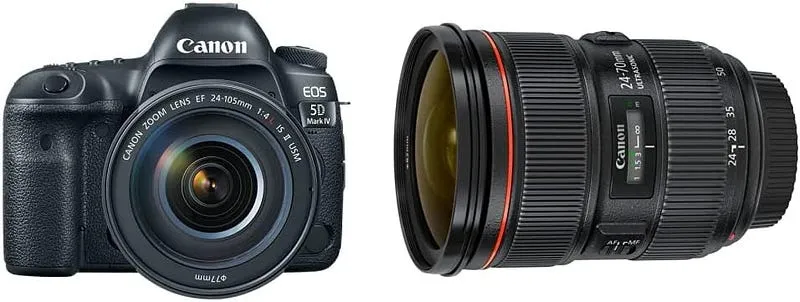
Canon EOS 5D Mark IV
Why I like it:
The Canon 5D Mark IV is a classic DSLR that many pros swear by. It offers solid low-light performance and reliable autofocus. The robust build made me feel confident handling it in a busy hospital environment.
Pros:
- Proven reliability and image quality
- Strong low-light capabilities
- Familiar DSLR ergonomics and controls
Cons:
- Bulkier and heavier than mirrorless options
- No in-body image stabilization (depends on lens IS)
I used a 5D Mark IV early in my photography journey. While it’s a bit heavier, it’s a workhorse that delivers beautiful newborn portraits.
The Best Lenses for Hospital Newborn Sessions
- Sigma Art 35mm f/1.4: Sharp, consistent, and lets you stay close for both safety and intimacy.
- Canon 28–70mm f/2.0 RF: Versatile zoom for both detail and family shots.
- 50mm f/1.2 or f/1.4: Classic for portraits with beautiful background blur.
- 100mm Macro: For those tiny details-fingers, toes, eyelashes.
Tips from My Hospital Session
- Pack light: One camera, one lens (plus a backup battery and memory card).
- Use natural light: Position your subject near the window.
- Shoot wide open: A wide aperture (f/1.4–f/2.8) helps in low light and creates a soft, dreamy look.
- Stay flexible: Hospital rooms are unpredictable-go with the flow.
- Capture details: Tiny hands, hospital bracelets, first yawns-these are the memories you’ll cherish.
Final Thoughts
Choosing the right camera made all the difference in capturing my baby’s first hours. For most parents and photographers, a full-frame camera with a fast prime lens is the sweet spot for hospital newborn sessions. The Nikon D750 with a Sigma 35mm f/1.4 was my winning combo, but the Canon EOS R6 and Sony A7 III are fantastic modern options with even better autofocus and low-light performance.
No matter which camera you choose, remember: it’s less about the gear and more about being present for those once-in-a-lifetime moments. Happy shooting-and congratulations on your new arrival!
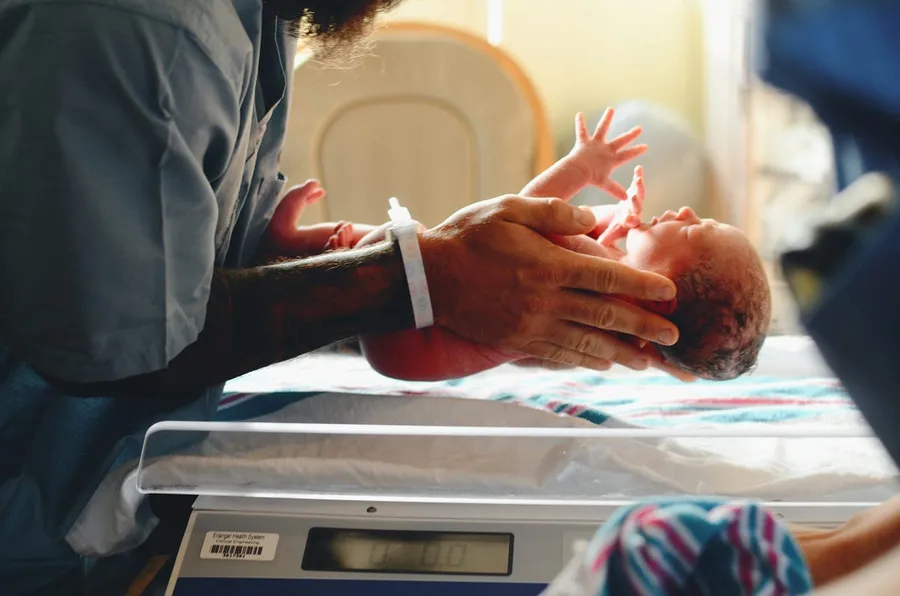
Photo by Christian Bowen on Unsplash
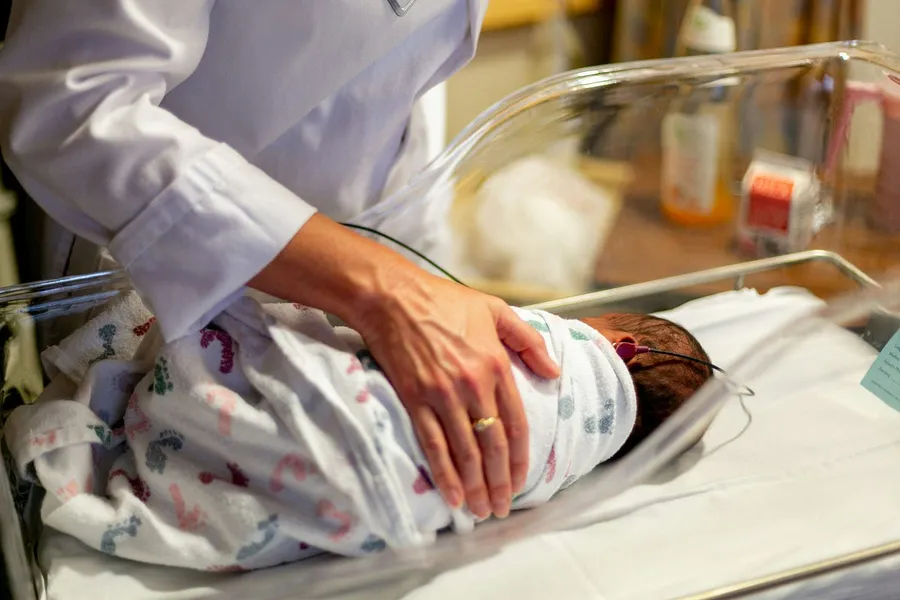
Photo by Solen Feyissa on Unsplash

Written by
Marien CartelProfessional and Certified Digital Photographer born in the USA, with 22 years of experience in the field of photography.
Related Guides
Best Camera for Automotive Photography
What I Actually Reach For When I’m Shooting Cars. Here is how the Canon EOS R5, Sony a7 IV and Nikon Z6 III compare, and the one I keep going back to.
Best Cameras for Virtual Production
After I Wasted a Full Shoot Day Finding Out — why the Sony FX6 and Sony FX9 made the list, and who each one really suits.
Best DSLR Cameras for Beginners: (Guide & Reviews)
My Hands-On Experience with the Best Beginner-Friendly Cameras — why the Canon EOS Rebel T7 and Nikon D3500 made the list, and who each one really suits.