Best Camera for Night Sky Time Lapse
As an Amazon Associate we earn from qualifying purchases. Some links in this guide are affiliate links — see our affiliate disclosure for details.
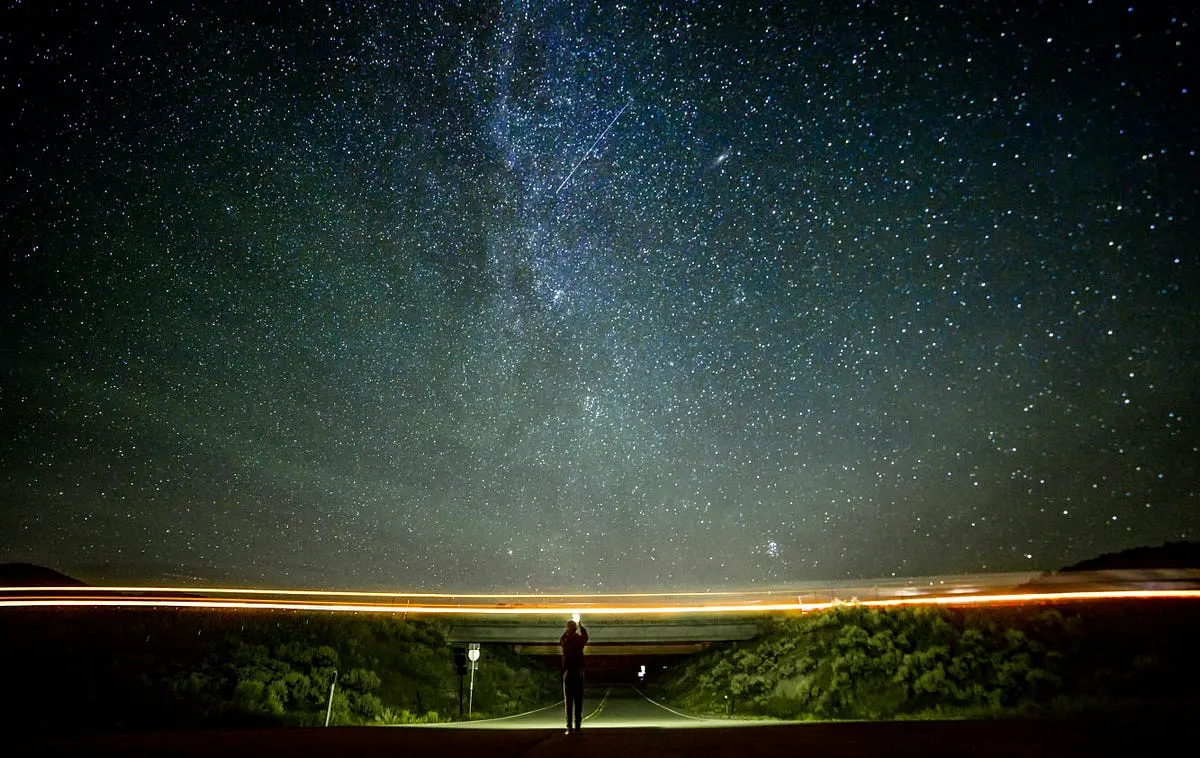
Photo by Alejandro Perez on Unsplash
Choosing the best camera for night sky time-lapse photography can be a daunting task, especially for beginners eager to capture the beauty of celestial events like the Aurora Borealis or the Milky Way. My journey into astrophotography began with a desire to document these stunning phenomena, and through trial and error, I discovered valuable insights that can help others in their quest for the perfect camera.
My Best Cameras for Night Photography
- Canon T7 — Check Price
- Canon M20 Mark II — Check Price
The Quest for the Right Camera
Initially, my search started with a budget of around $400 to $600. I wanted a camera that was not only capable of capturing high-quality images but also versatile enough for night sky photography. After extensive research, I found myself drawn to various models, including the Canon T7 and the Canon M20 Mark II.
However, I soon learned that the T7 lacked a time-lapse feature, which was crucial for my plans to create stunning time-lapse videos of the auroras.This setback led me to reconsider my options. I realized that relying solely on a camera’s built-in time-lapse function might not yield the best results.
Many experienced photographers advised against using this feature for astrophotography due to its limitations in handling tricky lighting conditions. Instead, they recommended using an intervalometer — either built into the camera or as an external accessory — to take a series of still photos that could later be compiled into a time-lapse video on my computer.
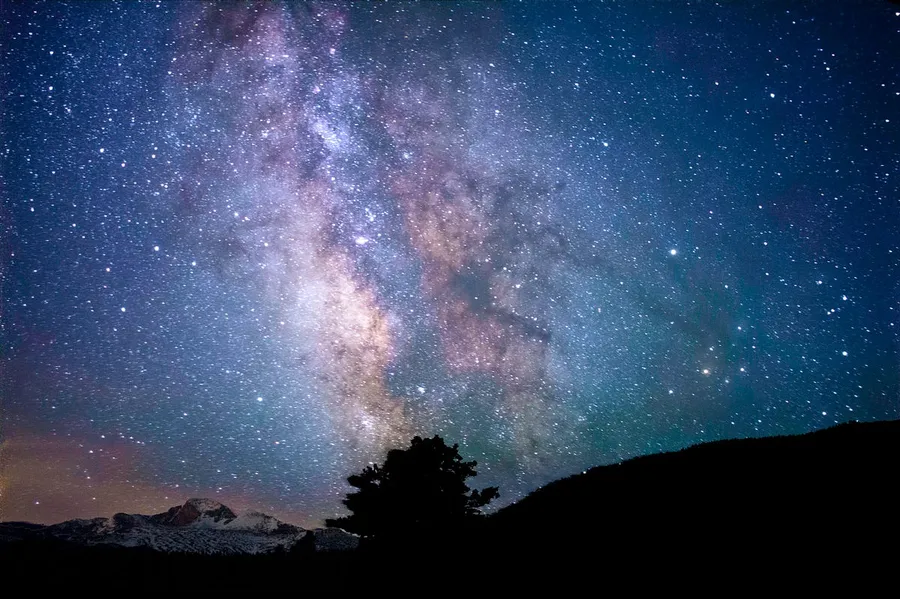
Photo by Jeremy Thomas on Unsplash
Understanding Camera Features
As I delved deeper into my research, I learned about the importance of selecting a camera with robust features tailored for astrophotography. Key considerations included:
- Low-Light Performance: A camera with excellent low-light capabilities is essential for capturing clear images of stars and celestial events.
- Interchangeable Lenses: This feature allows for greater flexibility in choosing lenses suitable for different types of shots, especially wide-angle lenses for expansive night sky views.
- RAW Image Format: Shooting in RAW provides greater editing flexibility later on, allowing me to adjust exposure and details without sacrificing image quality.
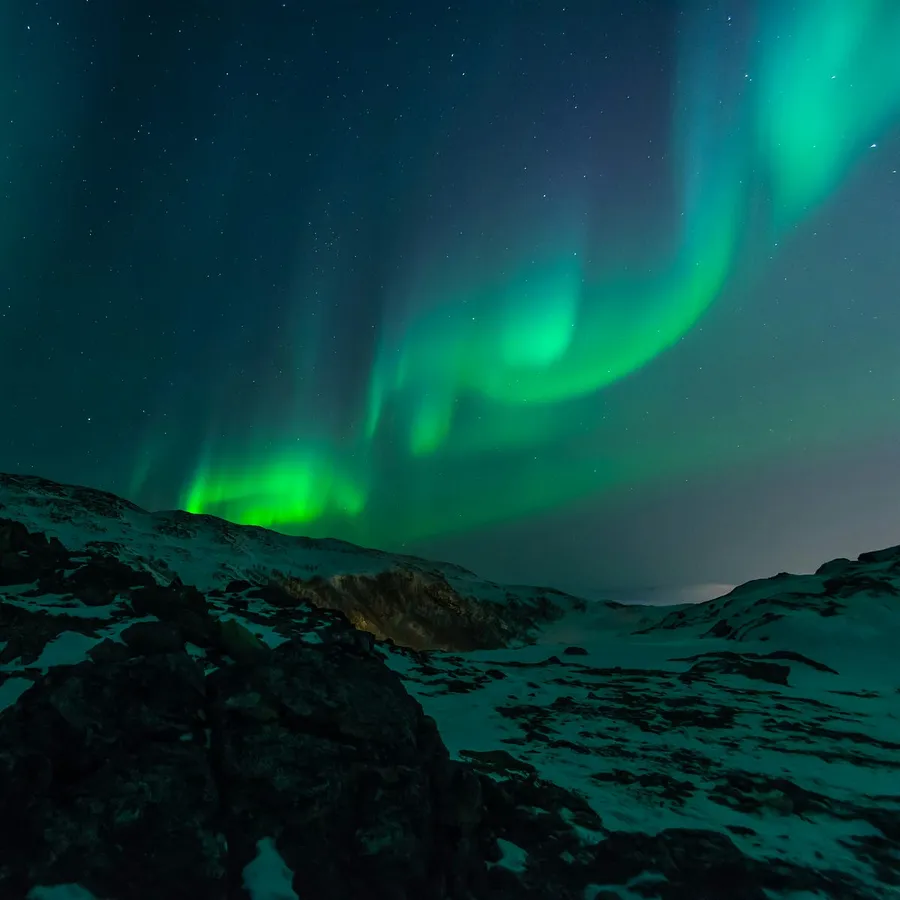
Photo by Marcelo Quinan on Unsplash
Making My Decision
After weighing my options and considering expert advice, I ultimately decided on the Sony ZV-E10. This camera stood out due to its impressive low-light performance and user-friendly interface, making it ideal for both beginners and more experienced photographers. Additionally, its ability to shoot in RAW format would allow me to capture high-quality images suitable for both social media and personal projects.
Preparing for Astrophotography
With my new camera in hand, I began preparing for my first astrophotography outing. I researched techniques specific to night sky photography, such as:
- Finding Dark Skies: Light pollution can severely affect astrophotography, so locating dark areas away from city lights is crucial.
- Using a Tripod: A sturdy tripod is essential to prevent camera shake during long exposures.
- Setting Up an Intervalometer: I practiced using an intervalometer to automate the process of taking multiple exposures over time.
Capturing the Night Sky
On my first trip to Alaska, I was eager to put my new knowledge into practice. As night fell and the stars emerged, I set up my camera and began capturing breathtaking images of the Milky Way. The experience was exhilarating; each click of the shutter brought me closer to creating stunning time-lapse videos of the auroras dancing across the sky.In retrospect, my journey into astrophotography taught me not only about selecting the right equipment but also about patience and perseverance in capturing nature’s wonders. The combination of research, expert advice, and hands-on experience ultimately led me to create beautiful memories that I could share with others.
Conclusion
For anyone venturing into night sky time-lapse photography, my advice is clear: invest time in understanding your equipment and techniques. While there are many cameras available on the market, choosing one that aligns with your specific needs — like low-light performance and versatility — will significantly enhance your photography experience. With determination and the right tools, you too can capture the mesmerizing beauty of the night sky.
Written by
Marien CartelProfessional and Certified Digital Photographer born in the USA, with 22 years of experience in the field of photography.
Related Guides
Best Camera for Automotive Photography
What I Actually Reach For When I’m Shooting Cars. Here is how the Canon EOS R5, Sony a7 IV and Nikon Z6 III compare, and the one I keep going back to.
Best Cameras for Virtual Production
After I Wasted a Full Shoot Day Finding Out — why the Sony FX6 and Sony FX9 made the list, and who each one really suits.
Best DSLR Cameras for Beginners: (Guide & Reviews)
My Hands-On Experience with the Best Beginner-Friendly Cameras — why the Canon EOS Rebel T7 and Nikon D3500 made the list, and who each one really suits.