Best Camera for Night Video
As an Amazon Associate we earn from qualifying purchases. Some links in this guide are affiliate links — see our affiliate disclosure for details.
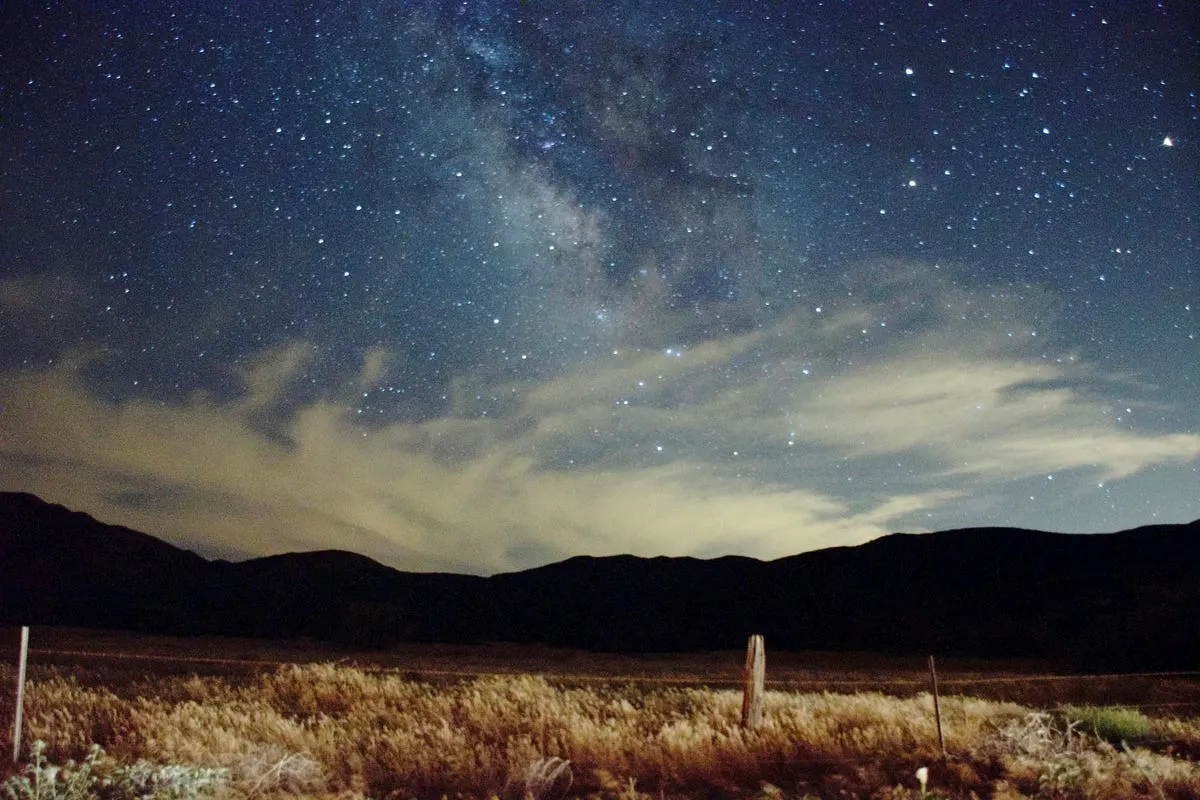
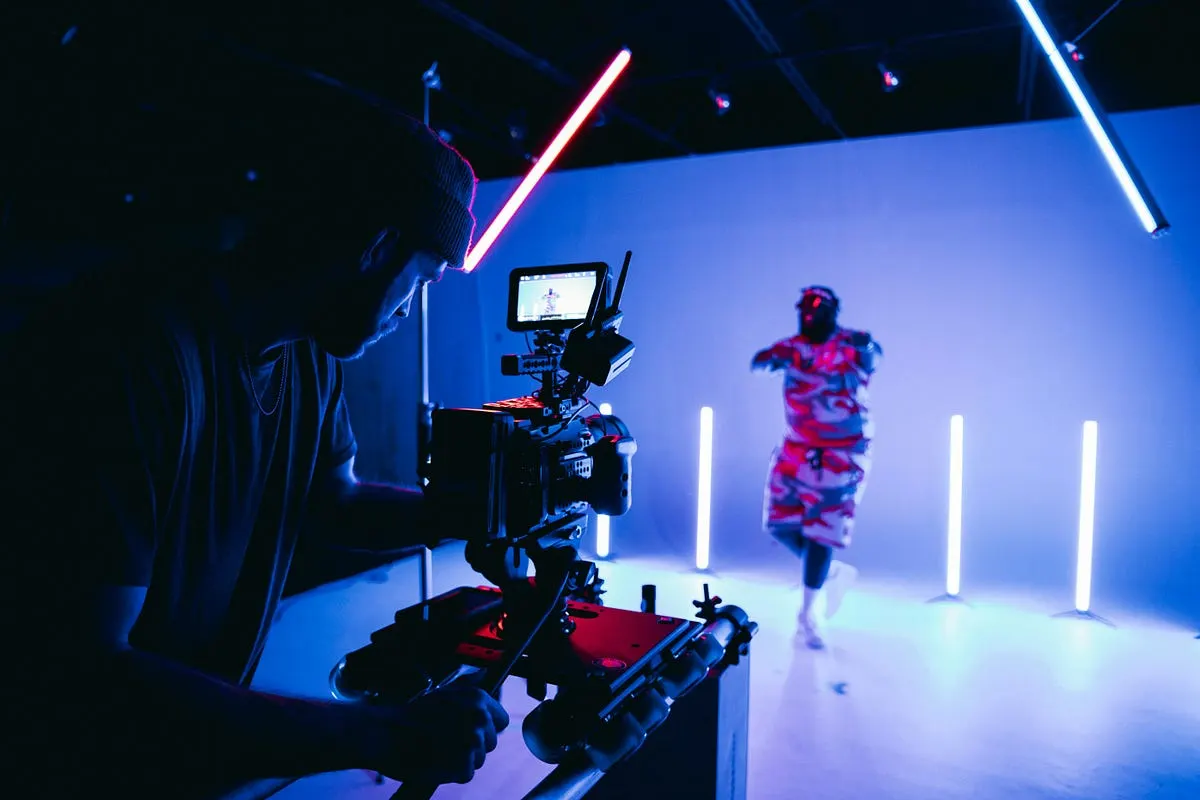
Photo by Taylor Durrer on Unsplash
As a passionate videographer, capturing stunning visuals at night has always been a challenge I embraced. The thrill of shooting under the stars or in dimly lit environments brings a unique beauty to my work. Over the years, I’ve experimented with various cameras to find the best options for low-light video. In this blog, I’ll share my personal experiences and highlight some of the best cameras that excel in night video shooting.
My journey began with a simple DSLR, which served me well during daylight hours but struggled in low-light situations. Frustrated by grainy footage and poor color accuracy, I decided to invest in a camera that could handle the challenges of night videography. After extensive research and testing, I discovered several models that truly stood out.
Top Picks for Night Video Cameras
Based on my experiences and recent reviews, here are some of the best cameras for low-light video:
- Canon EOS R6 Mark II — Check Price on Amazon
- Sony A7S III — Check Price on Amazon
- Panasonic Lumix GH5S — Check Price on Amazon
- Nikon Z6 II — Check Price on Amazon
- Sony ZV-E1 — Check Price on Amazon
- Sony FX3 — Check Price on Amazon
Detailed Insights on Each Camera
Canon EOS R6 Mark II
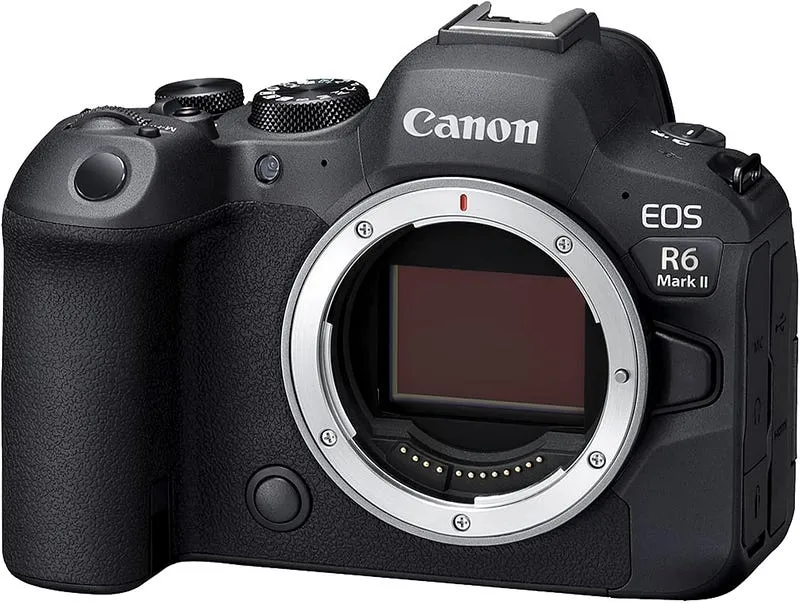
The Canon EOS R6 Mark II has been my go-to camera for low-light videography. Its updated sensor offers incredible noise handling even at high ISOs, making it perfect for capturing nighttime scenes without sacrificing quality. The ability to shoot uncropped 4K video at up to 60 fps allows me to create smooth footage that feels cinematic.
Pros:
- Outstanding Low-Light Performance: The R6 Mark II excels in low-light conditions, allowing me to capture clear and vibrant footage even at higher ISOs.
- Fast Autofocus System: The dual pixel autofocus is incredibly reliable, making it easy to track moving subjects during nighttime shoots.
- Versatile Video Capabilities: With 4K recording up to 60 fps and various frame rates available, this camera gives me flexibility in my creative projects.
Cons:
- Overheating Issues: During extended recording sessions, I noticed the camera can overheat, which is a concern for longer shoots.
- Limited Battery Life: While using high-performance settings, I found that battery life could be shorter than expected, requiring extra batteries on hand.
- Price Point: It’s on the higher end of the budget spectrum, which may not be feasible for everyone.
Canon EOS R6 Mark II — Check Price on Amazon
Sony A7S III
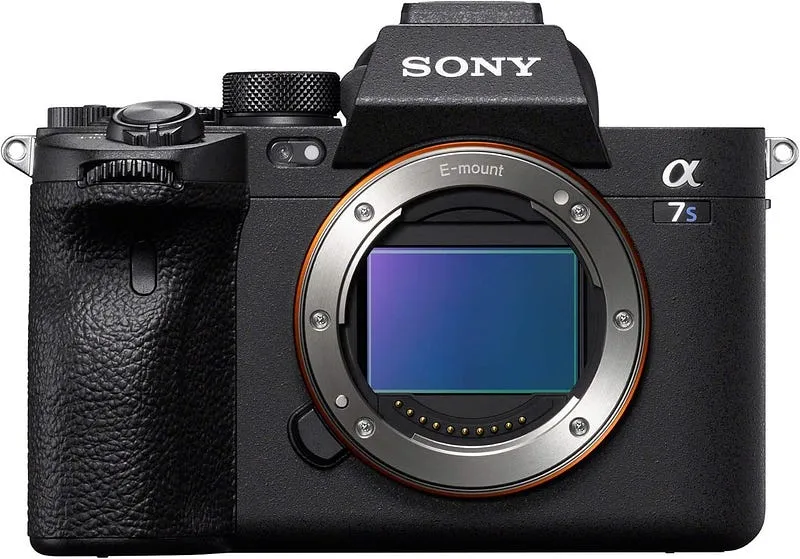
The Sony A7S III is often hailed as the king of low-light performance. With its dual native ISO technology, it excels in dark environments, producing clean and vibrant footage even at ISO levels exceeding 12,800. This camera has become essential for my night shoots, especially when I want to capture detailed visuals without visible noise.
Pros:
- Exceptional Low-Light Capability: The A7S III is renowned for its ability to perform in near darkness, producing stunning footage with minimal noise. This has been a game-changer for my night shoots.
- High Dynamic Range: The sensor allows for a wide dynamic range, making post-production color grading much easier and more effective.
- Robust Build Quality: The weather-sealed body gives me confidence when shooting outdoors in varying conditions.
Cons:
- Limited Resolution for Stills: At 12.1 MP, some may find it lacking for still photography compared to other models. However, for video work, this hasn’t been an issue for me.
- Complex Menu System: While customizable, the menu can be overwhelming at first, requiring some time to learn effectively.
- Pricey Investment: The cost can be a barrier for many budding videographers looking to upgrade.
Sony A7S III — Check Price on Amazon
Panasonic Lumix GH5S
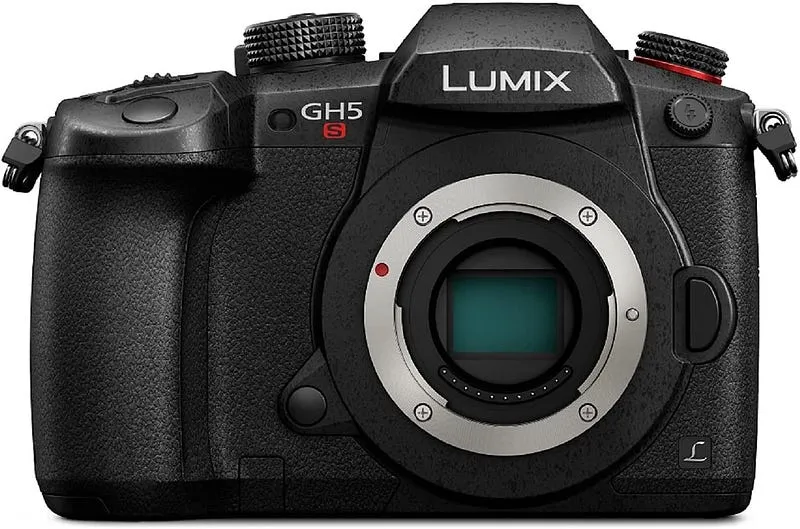
I was initially skeptical about the Panasonic Lumix GH5S, but it quickly proved its worth during a recent project. Its dual-native ISO feature allows it to adapt seamlessly to varying light conditions. The GH5S is particularly effective for filmmakers who need high-quality Cinema 4K video in challenging lighting situations.
Pros:
- Designed for Video: This camera is built specifically for videographers, with features like dual-native ISO that greatly enhance low-light performance.
- 10-Bit Recording: The ability to record in 10-bit allows for richer color depth and flexibility during editing, which I appreciate when fine-tuning my projects.
- Compact Size: Its smaller form factor makes it easy to handle during long shoots or when traveling.
Cons:
- Autofocus Limitations: Compared to competitors like Sony and Canon, the autofocus can be slower and less reliable in low light.
- Battery Life Concerns: Similar to others in this list, it can drain quickly during intensive video recording sessions.
- Less Versatile for Stills: While great for video, its still photography capabilities are not as robust as some other options.
Panasonic Lumix GH5S — Check Price on Amazon
Nikon Z6 II
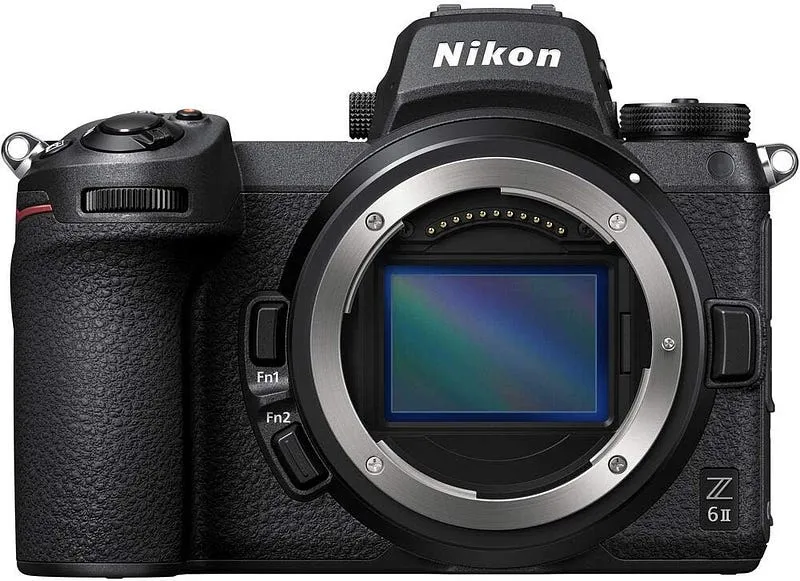
The Nikon Z6 II impressed me with its excellent ergonomics and reliable autofocus system. While it may not have all the advanced features of some competitors, its solid performance in low light makes it a great choice for those who appreciate a well-rounded camera that can handle both stills and video effectively.
Pros:
- Excellent ISO Performance: The Z6 II handles high ISO settings well, providing clean images even in dim lighting — a trait I’ve relied on during night shoots.
- Dual Card Slots: This feature allows me to back up footage simultaneously or separate video and photos efficiently.
- User-Friendly Interface: I found the menu system intuitive and easy to navigate, which is a plus during fast-paced shooting scenarios.
Cons:
- Limited Video Frame Rates: While it offers good video capabilities, it lacks some of the higher frame rate options available in competitors like the A7S III.
- Size and Weight: It’s slightly bulkier than some mirrorless options, making it less convenient for extended handheld shooting.
- Battery Life Issues: Similar to others on this list, I’ve experienced shorter battery life during intensive video sessions.
Nikon Z6 II — Check Price on Amazon
Sony ZV-E1
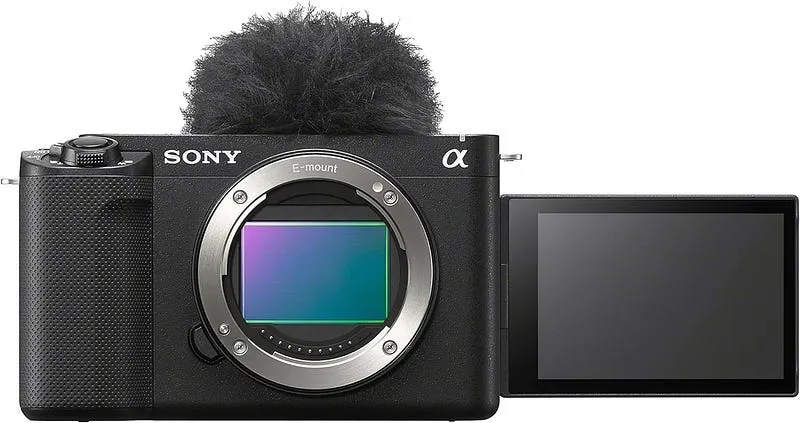
For vlogging or run-and-gun style shooting at night, the Sony ZV-E1 is an outstanding option. Its compact size doesn’t compromise on quality; it delivers impressive video performance even in tricky lighting conditions. This camera has become my favorite for spontaneous night shoots where portability is key.
Pros:
- Compact and Lightweight Design: Perfect for vlogging or spontaneous night shoots where portability matters; I love how easy it is to carry around.
- Great Low-Light Performance: Despite its size, it performs admirably in low-light situations — ideal for capturing nighttime events without bulky gear.
- User-Friendly Features for Vloggers: The camera includes features like background defocus and product showcase mode that make it perfect for content creators.
Cons:
- Limited Manual Controls: For advanced users looking for extensive manual settings, it may feel somewhat restricted compared to higher-end models.
- Less Robust Build Quality: As a lightweight option, it doesn’t have the same level of durability as bulkier models; I’ve had to be careful with handling.
- Battery Life Shortcomings: Like many compact cameras, battery life can be an issue during longer shooting sessions.
Sony ZV-E1 — Check Price on Amazon
Tips for Shooting Night Video
Through my experiences, I’ve learned some valuable tips that can help anyone looking to improve their night videography skills:
- Use a Fast Lens: A lens with a wide aperture (f/2.8 or lower) allows more light to hit the sensor, improving your chances of capturing clear footage.
- Stabilization is Key: Utilize cameras with in-body stabilization or invest in a gimbal to keep your shots steady during handheld shooting.
- Experiment with ISO Settings: Don’t be afraid to push your ISO higher; modern cameras handle noise much better than older models.
- Add Light When Possible: If you can control the environment, adding external lights can significantly enhance your footage quality without relying solely on your camera’s capabilities.
Pro Tip: Your First Upgrade Should Be the Lens!
If you already have a camera, you might not need a new body. The most cost-effective way to improve your night video is to buy a fast prime lens. A 50mm f/1.8 lens is affordable for most systems and will let in dramatically more light than a standard kit lens, transforming your low-light video quality.
Conclusion
Choosing the right camera for night video can dramatically enhance your creative output. My journey through various models has taught me that while many cameras perform well in daylight, only a few excel in low-light conditions. Whether you’re a seasoned professional or just starting out, investing in one of these top-performing cameras will help you capture stunning nighttime visuals that tell compelling stories.





Written by
Marien CartelProfessional and Certified Digital Photographer born in the USA, with 22 years of experience in the field of photography.
Related Guides
Best Camera for Automotive Photography
What I Actually Reach For When I’m Shooting Cars. Here is how the Canon EOS R5, Sony a7 IV and Nikon Z6 III compare, and the one I keep going back to.
Best Cameras for Virtual Production
After I Wasted a Full Shoot Day Finding Out — why the Sony FX6 and Sony FX9 made the list, and who each one really suits.
Best DSLR Cameras for Beginners: (Guide & Reviews)
My Hands-On Experience with the Best Beginner-Friendly Cameras — why the Canon EOS Rebel T7 and Nikon D3500 made the list, and who each one really suits.