Best Camera for Professional Photography and Videography
As an Amazon Associate we earn from qualifying purchases. Some links in this guide are affiliate links — see our affiliate disclosure for details.
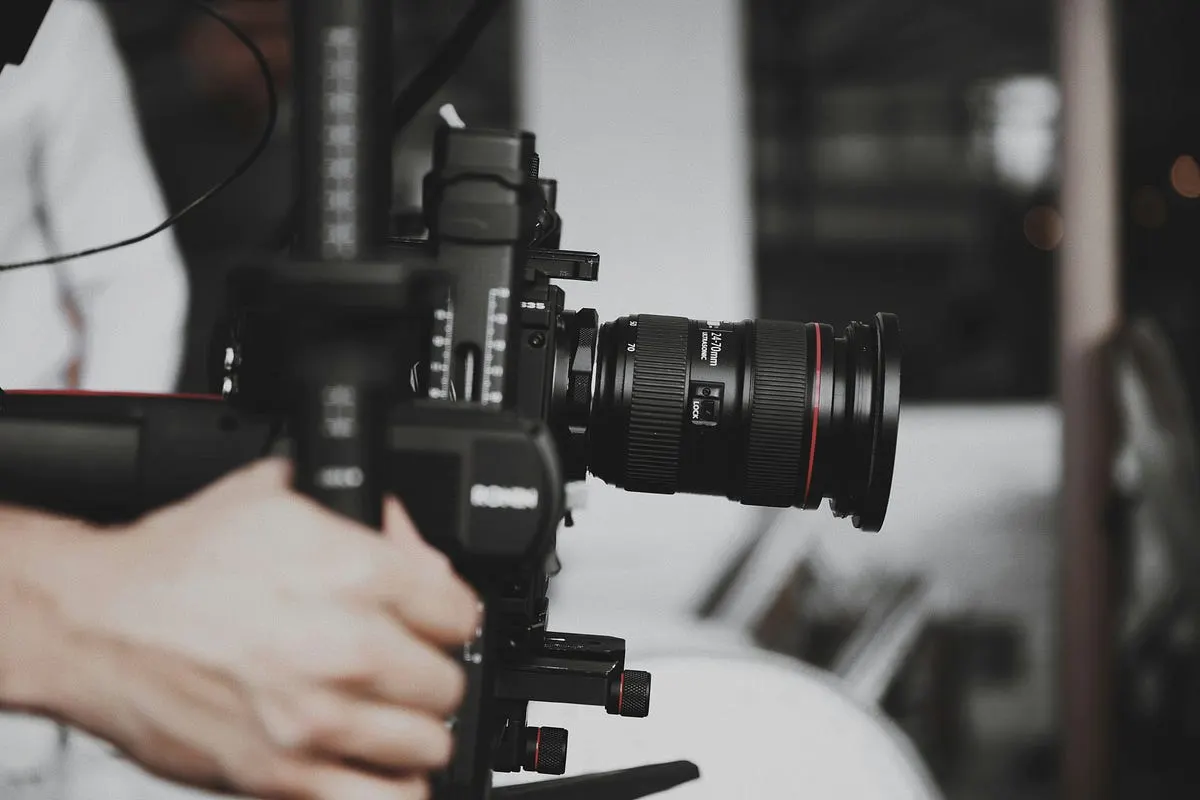
Photo by Cinescope Creative on Unsplash
As a professional photographer and videographer, I’ve always believed that the camera is more than just a tool — it’s an extension of your creative vision. Over the years, I’ve experimented with countless cameras, lenses, and accessories, searching for the perfect balance of performance, versatility, and reliability. Today, I want to share my journey and help you find the best camera for professional photography and videography, whether you’re a seasoned pro or just starting out.
The Early Days: Learning the Craft
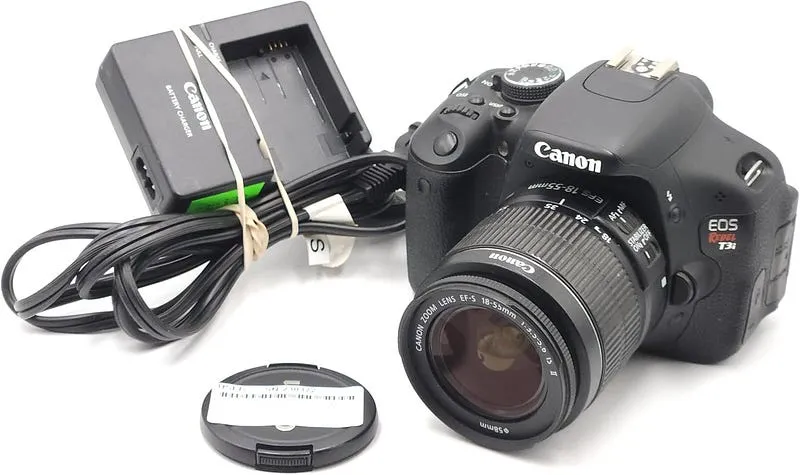
When I first started, I was armed with nothing but a basic DSLR and a dream. My trusty Canon Rebel T3i was my companion for years. It taught me the fundamentals of composition, lighting, and manual settings. But as my skills grew, so did my need for better equipment. I quickly realized that while gear doesn’t make the artist, it can certainly elevate your work.
The Upgrade: Stepping into the Professional World
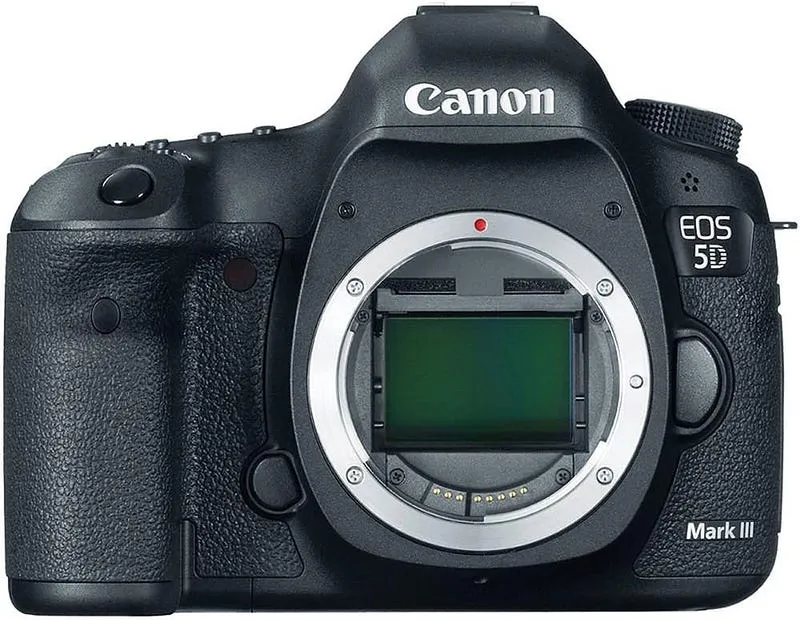
My first major upgrade was to the Canon 5D Mark III. This camera was a game-changer for me. Its full-frame sensor delivered stunning image quality, and its robust build felt like it could withstand anything. I shot my first paid gigs with this camera, from weddings to corporate events. It was reliable, versatile, and produced images that made my clients happy.
But as I started diving into videography, I noticed the limitations. The 5D Mark III was primarily designed for photography, and while it could shoot video, it lacked features like 4K resolution and advanced autofocus. That’s when I began my search for a camera that could excel in both worlds.
The Search for the Perfect Hybrid Camera
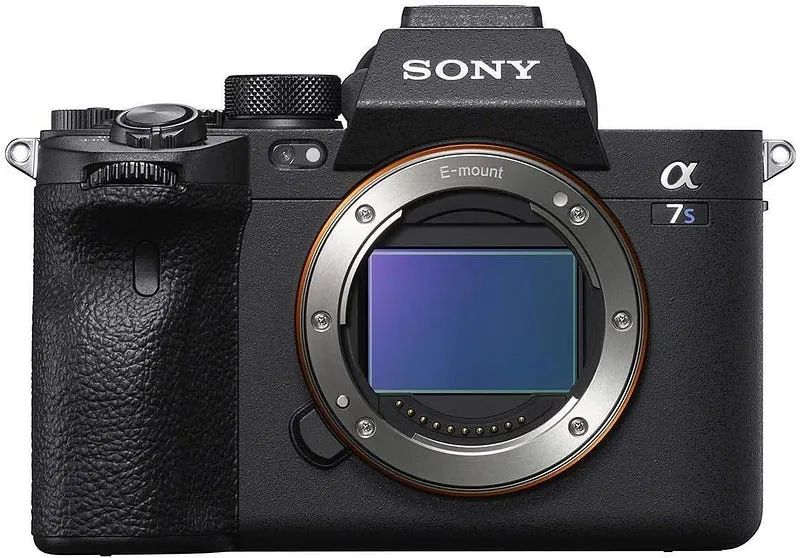
I tested several cameras over the next few years, from the Sony A7 series to the Panasonic GH5. Each had its strengths, but none felt like the perfect fit — until I discovered the Sony A7S III. This camera was a revelation. Its low-light performance was unmatched, and its 4K video capabilities were stunning. The autofocus was lightning-fast, and the color science was beautiful straight out of the camera.
The A7S III became my go-to for both photography and videography. Whether I was shooting a high-energy event or a cinematic short film, it delivered consistently outstanding results. It’s not just a camera; it’s a powerhouse that adapts to your creative needs.
What Makes a Great Camera for Professionals?
Based on my experience, here are the key features to look for in a professional camera:
- Image Quality: A full-frame sensor is ideal for both photography and videography, offering better dynamic range and low-light performance.
- Video Capabilities: Look for 4K (or even 8K) resolution, high frame rates for slow motion, and reliable autofocus.
- Build Quality: A durable, weather-sealed body is essential for shooting in challenging conditions.
- Versatility: Interchangeable lenses and customizable settings allow you to adapt to any situation.
- Battery Life: Long-lasting batteries are a must for long shoots.
- Ease of Use: Intuitive controls and a user-friendly interface save time and reduce stress on set.
My Top Picks for Professional Photography and Videography
Here are my personal recommendations for cameras that excel in both photography and videography:
- Sony A7S III: Perfect for low-light shooting and cinematic video. Its autofocus and color science are top-notch.
- Canon EOS R5: A fantastic hybrid camera with 8K video capabilities and incredible image quality.
- Panasonic Lumix GH6: A micro four-thirds camera that punches above its weight, especially for videographers.
- Nikon Z9: A flagship mirrorless camera with blazing-fast performance and professional-grade features.
- Fujifilm X-H2S: A great option for those who want excellent video features in a more compact body.
My Advice to Aspiring Professionals
Finding the right camera is important, but don’t get too caught up in the gear. Your creativity, vision, and dedication are what truly matter. Invest in a camera that fits your needs and budget, and then focus on honing your craft. Remember, the best camera is the one you have with you.
Final Thoughts
My journey from a beginner with a Rebel T3i to a professional using the Sony A7S III has been filled with learning, growth, and countless memorable shoots. The right camera can inspire you, push your boundaries, and help you create work you’re proud of. Whether you’re shooting stills or motion, the key is to find a camera that feels like an extension of yourself.
Happy shooting!
Photo by Alvan Nee on Unsplash
Photo by Daria Shatova on Unsplash
Photo by Samuel Thompson on Unsplash
Written by
Marien CartelProfessional and Certified Digital Photographer born in the USA, with 22 years of experience in the field of photography.
Related Guides
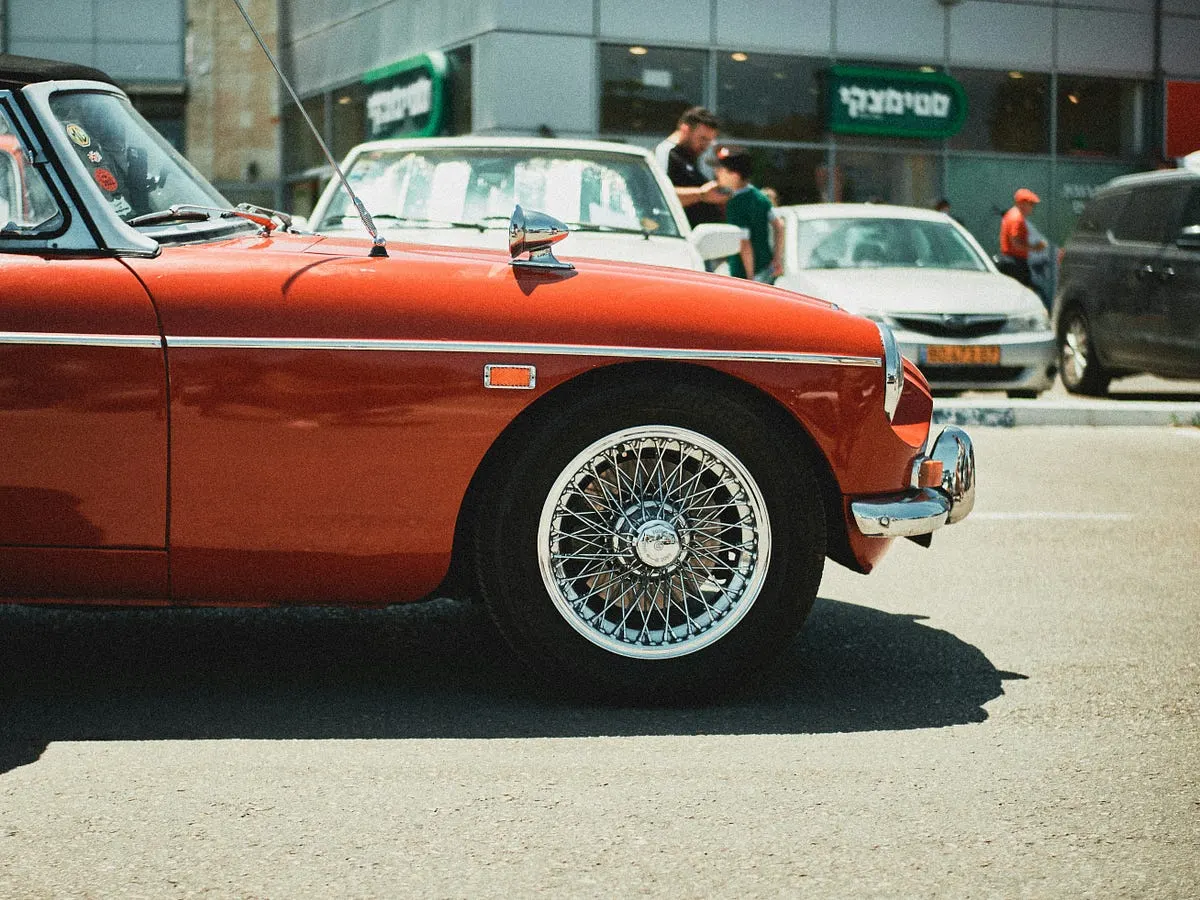
Best Camera for Automotive Photography
What I Actually Reach For When I’m Shooting Cars. Here is how the Canon EOS R5, Sony a7 IV and Nikon Z6 III compare, and the one I keep going back to.
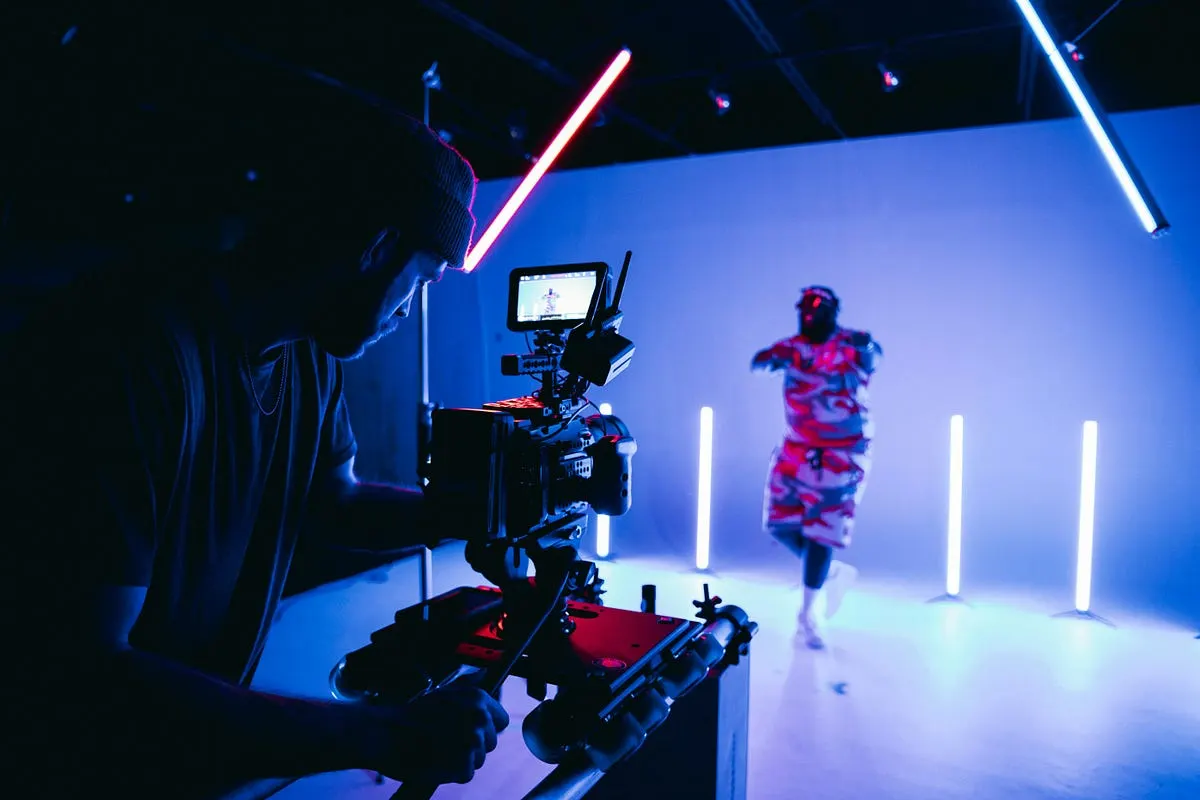
Best Cameras for Virtual Production
After I Wasted a Full Shoot Day Finding Out — why the Sony FX6 and Sony FX9 made the list, and who each one really suits.
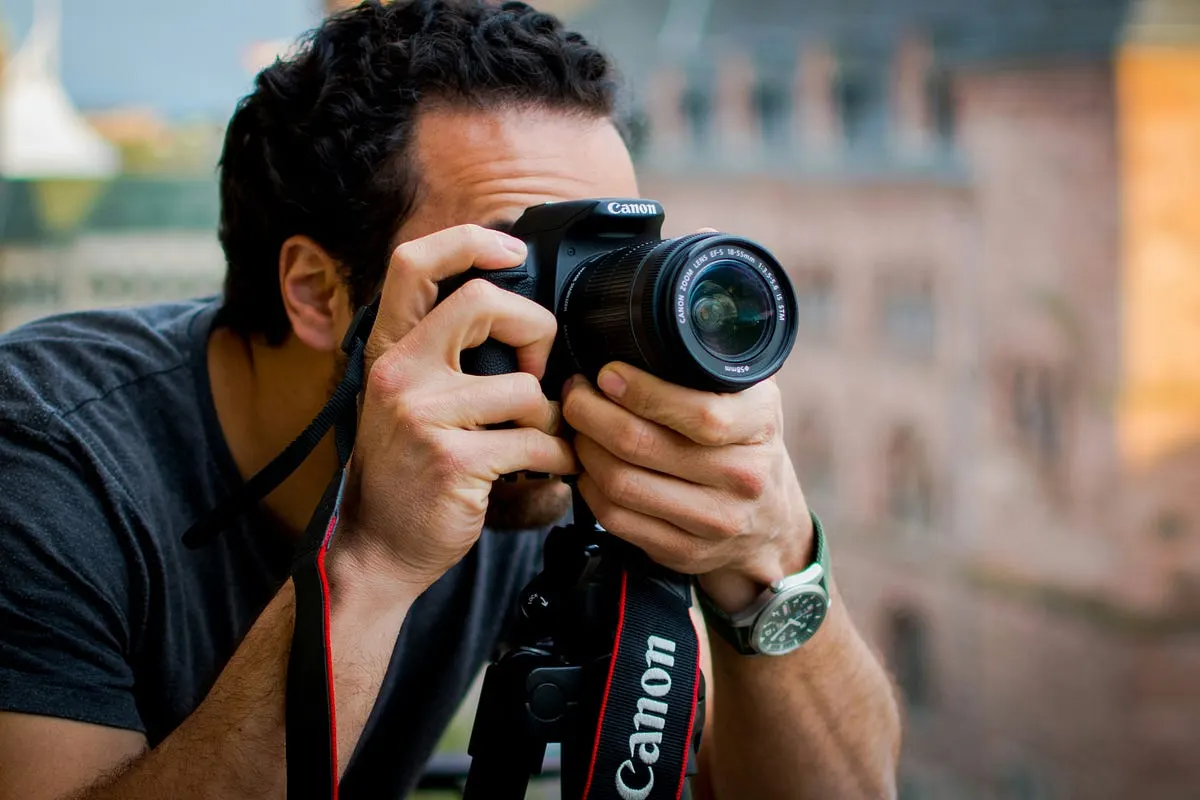
Best DSLR Cameras for Beginners: (Guide & Reviews)
My Hands-On Experience with the Best Beginner-Friendly Cameras — why the Canon EOS Rebel T7 and Nikon D3500 made the list, and who each one really suits.