Best Camera for Stock Photography
As an Amazon Associate we earn from qualifying purchases. Some links in this guide are affiliate links — see our affiliate disclosure for details.
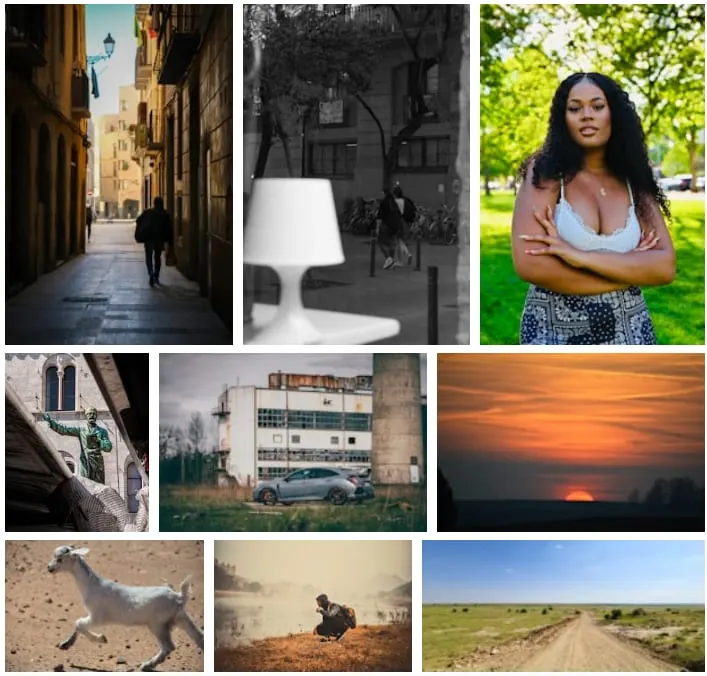
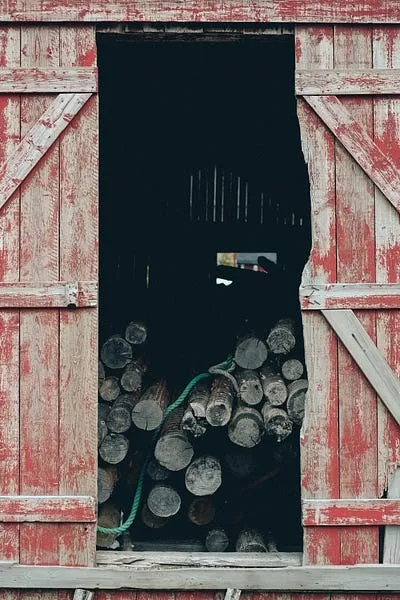
Stock photography. It sounds glamorous, right? Snapping a few shots and watching the royalties roll in. Well, it’s not quite that simple. But it is rewarding, and the right gear makes a world of difference. My journey began, as many do, with a smartphone and a dream. I loved capturing moments — the way sunlight filtered through leaves, the texture of weathered wood, the vibrant chaos of a local market. But my phone’s limitations quickly became apparent. Grainy images, poor dynamic range, and a lack of creative control held me back.
The First Step: A Humble DSLR
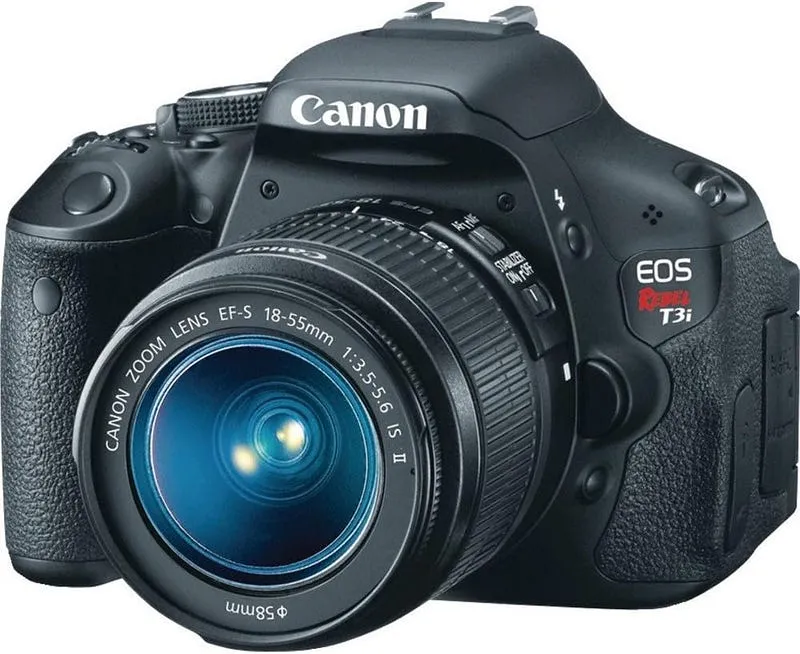
My first “real” camera was a used Canon EOS Rebel T3i. It was a budget-friendly entry into the world of DSLRs, and it opened my eyes to the power of interchangeable lenses. Suddenly, I could control depth of field, shoot in low light, and capture images with significantly more detail. The T3i, paired with a versatile 18–135mm lens, became my workhorse. I learned the fundamentals of composition, exposure, and editing.
- My Personal Takeaway: Don’t underestimate the power of a used, entry-level DSLR. It’s a fantastic way to learn without breaking the bank. The T3i taught me the importance of understanding the exposure triangle (aperture, shutter speed, ISO).
Leveling Up: Mirrorless and the Quest for Detail
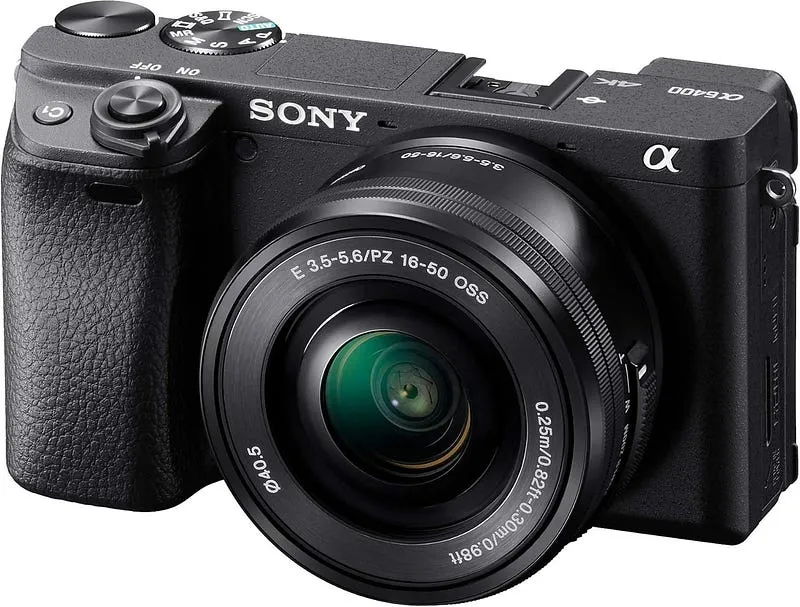
As my skills improved, I craved more. I wanted sharper images, better low-light performance, and a more compact setup. That’s when I made the switch to mirrorless, specifically the Sony a6400. The smaller size was a game-changer for travel and on-location shoots. The autofocus was lightning-fast, and the image quality was stunning.
Why the a6400?
- Excellent autofocus system.
- High-resolution APS-C sensor.
- Compact and lightweight.
- Great for video, too (a bonus for stock footage!).
- My Personal Takeaway: Mirrorless cameras offer a significant advantage in terms of portability and autofocus speed. The a6400 helped me capture fleeting moments with precision.
The Lens Arsenal: The Tools of the Trade
A camera body is only as good as its lenses. Here are a few essential lenses for stock photography:
- A Versatile Zoom (24–70mm or 24–105mm): This is your bread-and-butter lens, perfect for a wide range of subjects.
- A Macro Lens (100mm or similar): Essential for capturing close-up details of textures, flowers, and food.
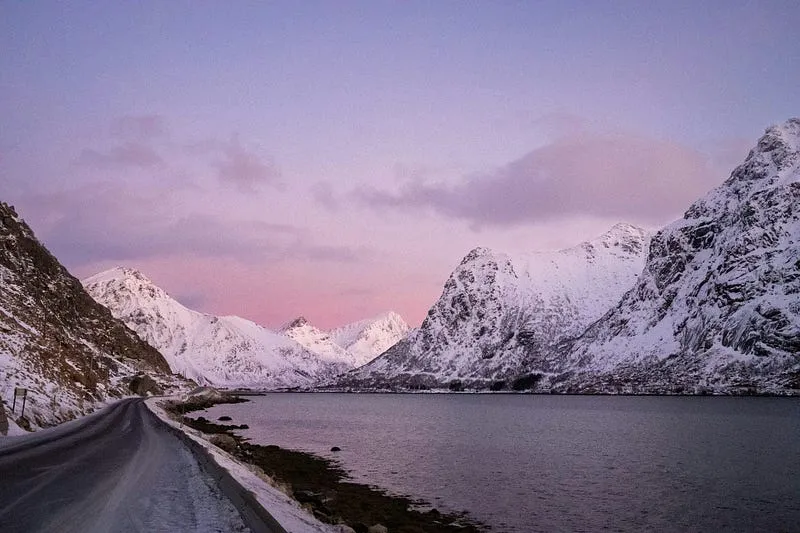
- A Wide-Angle Lens (16–35mm or similar): Ideal for landscapes and architectural shots.
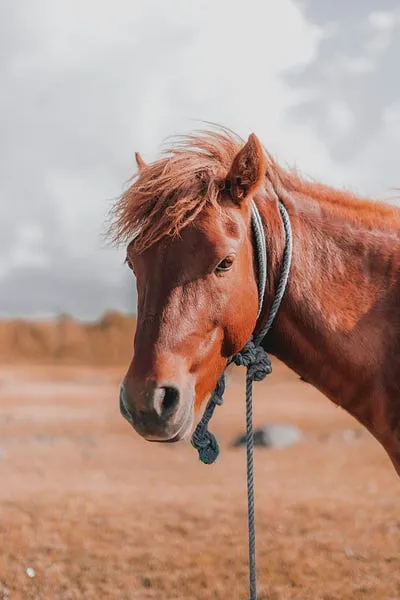
- A Telephoto Lens (70–200mm or similar): Useful for isolating subjects and capturing wildlife.
- My Personal Takeaway: Lenses are an investment. Prioritize quality lenses over a high-end camera body. A good lens can elevate even a basic camera.
The Current Contenders: Best Cameras for Stock Photography
Here are some of the best cameras currently available for stock photography, catering to different budgets and needs:
- Sony a7 IV: A full-frame powerhouse with exceptional image quality and autofocus. Great for high resolution images.
- Canon EOS R6 Mark II: Another excellent full-frame option, known for its superb low-light performance and fast burst shooting.
- Fujifilm X-T5: An APS-C camera with a retro design and stunning image quality, particularly for landscapes and portraits.
- Nikon Z7 II: A high-resolution full-frame camera ideal for capturing intricate details.
- Sony a6700: The newest version of the a6xxx line, with improved AI autofocus, and video capabilities.
Beyond the Camera: The Importance of Light and Editing
A great camera is just one piece of the puzzle. Understanding light and mastering post-processing are equally crucial.
- Light: Natural light is your best friend. Learn to recognize and utilize golden hour, diffused light, and shadows.
- Editing: Adobe Lightroom and Photoshop are industry-standard tools for enhancing your images. Learn to adjust exposure, color, and sharpness.
My Final Thoughts:
Stock photography is a journey of continuous learning and improvement. Don’t be afraid to experiment, explore different genres, and find your unique style. And remember, the best camera is the one you have with you. Start with what you have, learn the fundamentals, and gradually upgrade your gear as your skills and income grow.
Happy shooting!

Written by
Marien CartelProfessional and Certified Digital Photographer born in the USA, with 22 years of experience in the field of photography.
Related Guides
Best Camera for Automotive Photography
What I Actually Reach For When I’m Shooting Cars. Here is how the Canon EOS R5, Sony a7 IV and Nikon Z6 III compare, and the one I keep going back to.
Best Cameras for Virtual Production
After I Wasted a Full Shoot Day Finding Out — why the Sony FX6 and Sony FX9 made the list, and who each one really suits.
Best DSLR Cameras for Beginners: (Guide & Reviews)
My Hands-On Experience with the Best Beginner-Friendly Cameras — why the Canon EOS Rebel T7 and Nikon D3500 made the list, and who each one really suits.