Best Camera for Switzerland
As an Amazon Associate we earn from qualifying purchases. Some links in this guide are affiliate links — see our affiliate disclosure for details.
Switzerland
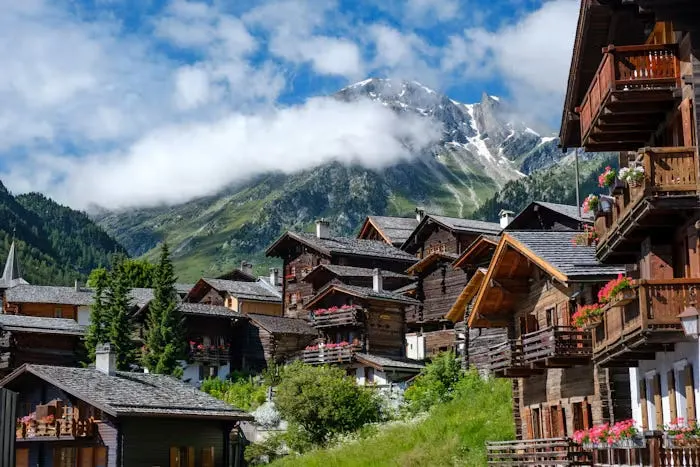
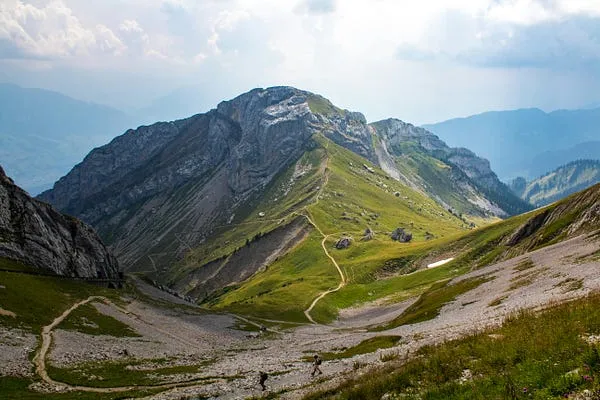
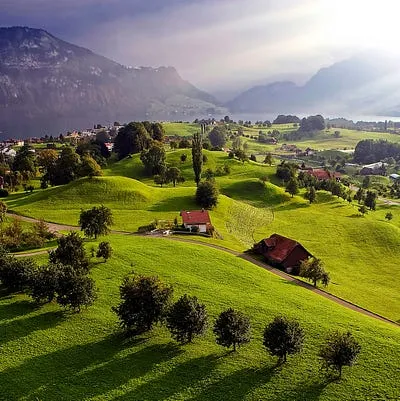
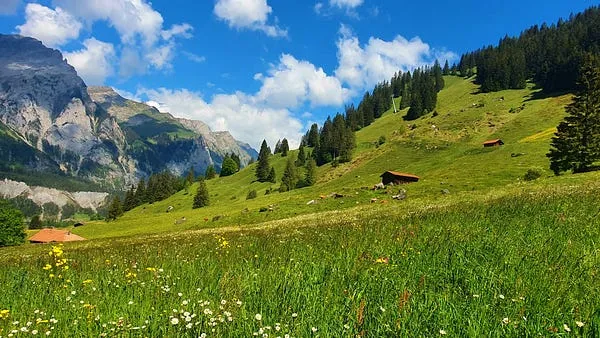
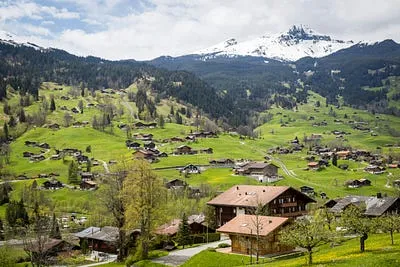
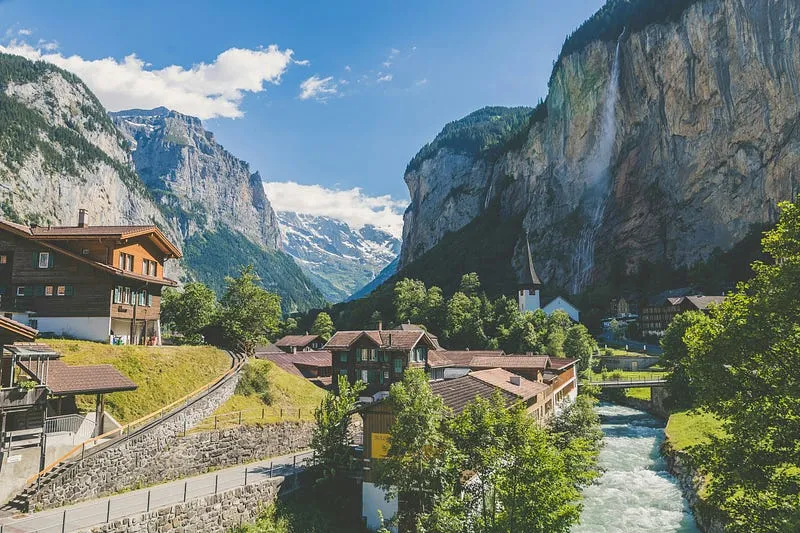
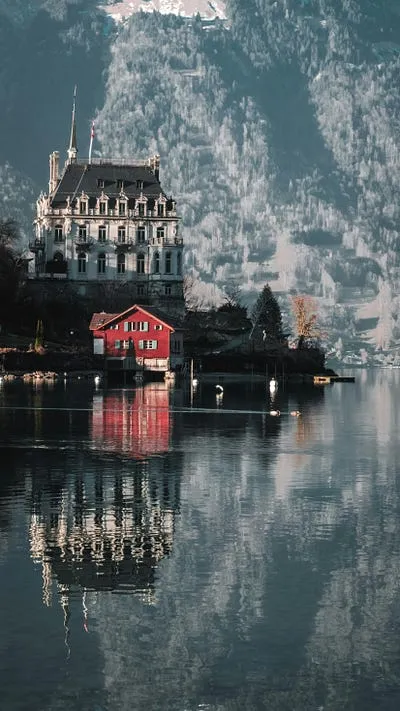
Switzerland. Just the name conjures images: jagged peaks piercing azure skies, impossibly green valleys dotted with chalets, glaciers gleaming like diamonds, lakes reflecting it all with mirror precision. I dreamed of capturing that magic for years. But on my first trip, armed only with my smartphone, I came home frustrated.
My photos were… fine. Postcard-perfect scenery reduced to flat, oversaturated snapshots. They lacked the feeling, the scale, the crispness of the air, the sheer awe. I knew I needed a real camera for my next Swiss adventure. But which one?
The Overwhelming Hunt: Megapixels vs. Memories
Diving into camera research felt like scaling the Matterhorn itself — daunting. DSLRs promised pro-quality, but were bulky beasts. Mirrorless seemed promising, but the options! Full-frame? APS-C? Megapixels? Lenses? I got lost in specs, paralyzed by choice. My priorities slowly crystallized:
- Portability: Switzerland means trains, hikes, gondolas, and cobbled streets. Lugging a heavy kit would ruin the joy.
- Image Quality: It had to do justice to those landscapes — sharp details, rich colors, good dynamic range (handling bright snow and dark valleys).
- Ease of Use: I’m enthusiastic, not a pro. I needed something intuitive enough for quick shots but capable of manual control when I wanted to learn.
- Weather Resistance: Alpine weather changes faster than a cuckoo clock chimes. A drizzle or light snow shouldn’t spell disaster.
- That “Feel”: I wanted to enjoy using it. Something tactile and fun.
My Swiss Soulmate: The Fujifilm X-T30 II
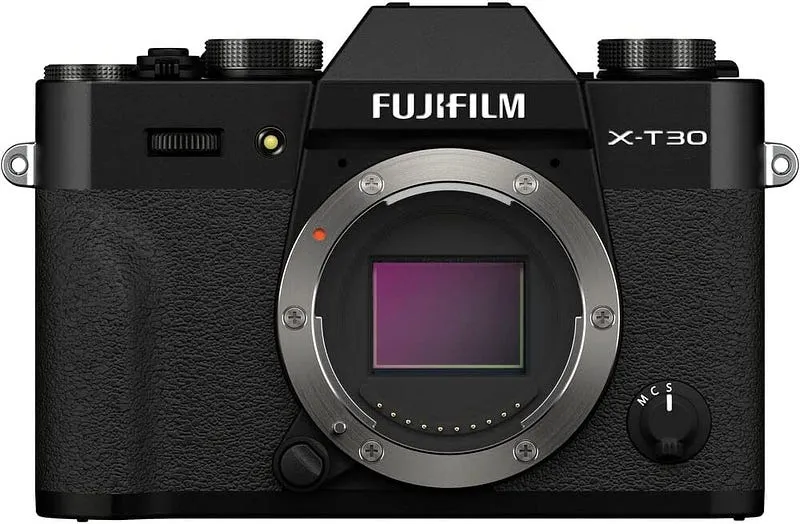
After weeks of reviews, forum trawling, and rental tests, I landed on the Fujifilm X-T30 II paired with the XF 18–55mm f/2.8–4 kit lens. It wasn’t the absolute top-of-the-line, but it hit every sweet spot for my Swiss needs.
Why it Conquered the Alps (And My Heart)
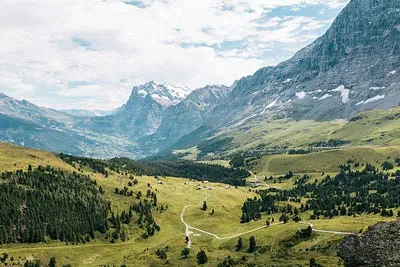
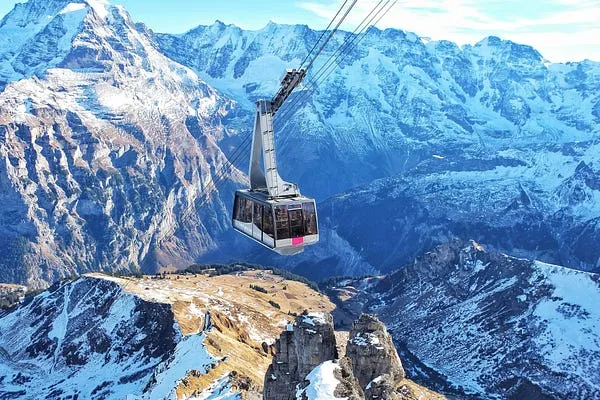
- Lightweight Powerhouse: Slinging it over my shoulder all day hiking from Grindelwald to the Bachalpsee was effortless. It disappeared until I needed it.
- APS-C Sensor Magic: The image quality blew my phone away. The Fuji colors? Legendary. The greens of the Lauterbrunnen Valley, the blues of Lake Oeschinen, the stark whites of the Aletsch Glacier — they looked vibrant and real, straight out of the camera. The dynamic range handled bright snowy peaks and shadowed forests surprisingly well.
- Retro Joy, Modern Brains: The tactile dials (shutter speed, ISO, exposure comp) made adjusting settings intuitive and fast, like using an old film camera. Yet, it had fantastic autofocus for capturing quick moments — a marmot darting, a train rounding a bend.
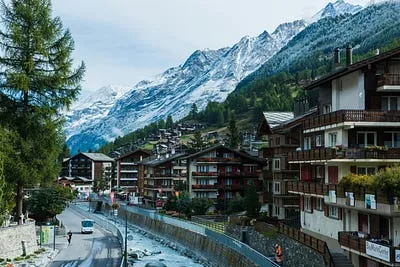
- Kit Lens Hero: The 18–55mm (roughly 27–84mm equivalent) was incredibly versatile. Wide enough for sweeping vistas near Interlaken, zoomed in enough for details like wildflowers or distant chalets in Zermatt. The f/2.8–4 aperture was decent for softer backgrounds and lower light in villages like Mürren at dusk.
- Weather Tolerance: While not fully sealed, it handled light rain and mountain mist without complaint (though I kept a small rain cover handy for downpours).
- Pure Fun Factor: Using it felt joyful. The shutter sound was satisfying. The film simulations (especially Velvia for vivid landscapes and Classic Chrome for moody scenes) were fantastic creative tools.
My Swiss Moments, Captured
- Sunrise at Morgenberghorn: Hiking pre-dawn, the X-T30 was light enough not to fatigue me. Manual dials let me quickly adjust as the first rays hit the Bernese Oberland peaks. The resulting photo, with deep blues turning fiery orange, hangs on my wall — a constant reminder of that crisp, silent morning.
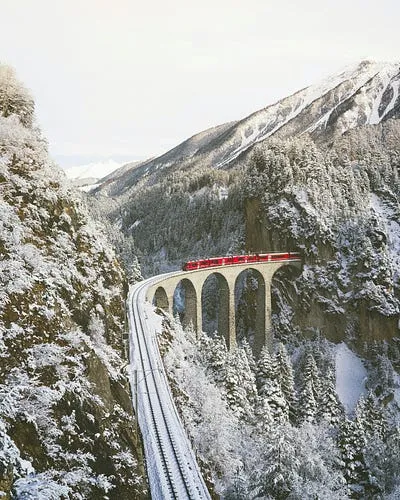
- The Glacier Express: Shooting through the large panoramic window, the fast autofocus captured fleeting scenes — a lone church in a meadow, a rushing river — without blur. The compact size meant I wasn’t invading my seatmate’s space.
- Street Life in Lucerne: Wandering the Chapel Bridge, the small size made me less obtrusive. The 18–55mm zoom let me capture both architectural details and the lively atmosphere by the water.
- Unexpected Encounters: A sudden appearance of Ibex near Zermatt? The quick power-on and autofocus meant I got the shot before they vanished into the crags.
The Verdict: It’s About the Experience AND the Image
Is the Fujifilm X-T30 II the absolute best camera for Switzerland? For everyone? Probably not. A full-frame sensor might capture marginally more detail in vast landscapes. A dedicated zoom lens might offer more reach for distant wildlife. A tougher body might survive a blizzard.
But for the traveler who values portability, stunning image quality, intuitive controls, weather resilience, and sheer enjoyment, it’s an incredible choice. It removed the friction between seeing the magic and capturing it. It was light enough to carry everywhere, capable enough to handle Switzerland’s breathtaking diversity, and fun enough to make photography an integral, joyful part of the adventure.
My Advice for Your Swiss Camera Quest
- Honestly Assess Your Needs: Hiking miles? Prioritize weight. Chasing wildlife? Consider zoom reach. Mostly towns and vistas? Portability and wide-angle might win.
- Don’t Fear APS-C: The image quality is fantastic and saves significant weight and cost. Full-frame is great, but often overkill (and heavier) for travel.
- The Kit Lens is Often Enough: Especially a good one like Fuji’s 18–55mm. It covers most travel scenarios brilliantly.
- Weather Sealing Matters: Even basic resistance provides peace of mind. Pack a rain cover regardless.
- Feel Matters: Handle cameras! If you don’t enjoy using it, you’ll leave it in the hotel. Fuji’s dials won me over.
- Focus on the Experience: The best camera is the one you have with you and love using. Don’t get so bogged down in gear you forget to look up and breathe in that mountain air.
Switzerland demands to be experienced fully, but having the right tool to capture slices of that magic is priceless. My Fuji X-T30 II wasn’t just a camera; it was my perfect Swiss companion, helping me bring home not just photos, but tangible pieces of the awe I felt standing amidst those majestic peaks. Happy shooting!
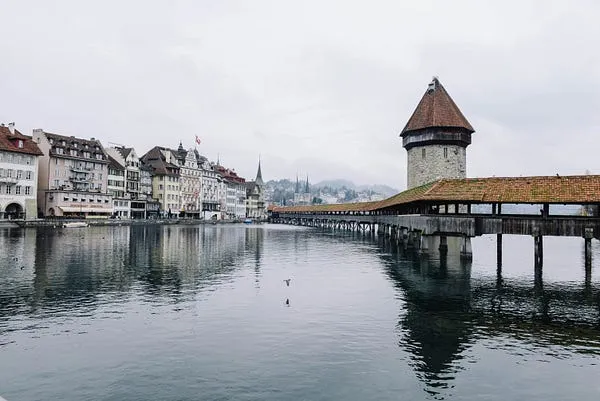
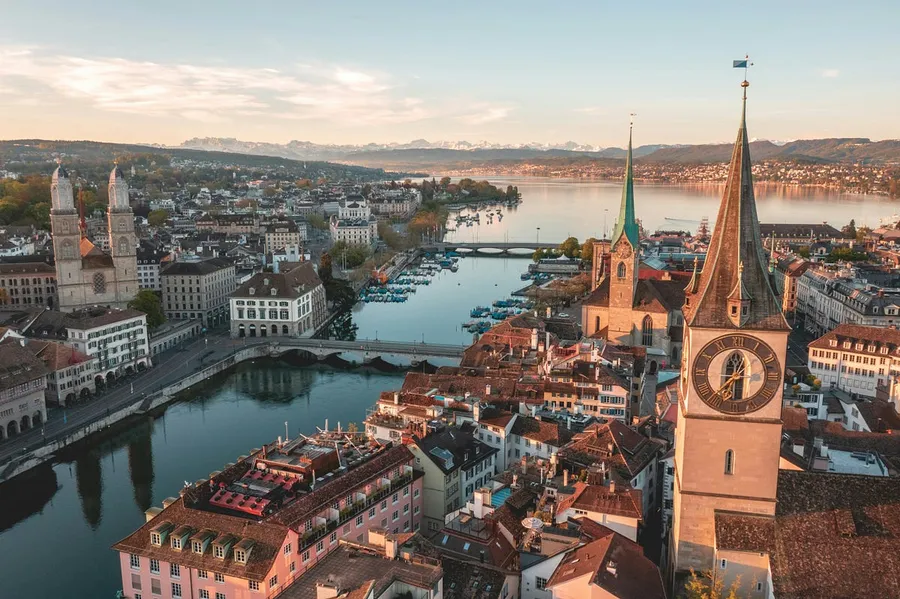
Photography with Fujifilm X-T30 II

Written by
Marien CartelProfessional and Certified Digital Photographer born in the USA, with 22 years of experience in the field of photography.
Related Guides
Best Camera for Automotive Photography
What I Actually Reach For When I’m Shooting Cars. Here is how the Canon EOS R5, Sony a7 IV and Nikon Z6 III compare, and the one I keep going back to.
Best Cameras for Virtual Production
After I Wasted a Full Shoot Day Finding Out — why the Sony FX6 and Sony FX9 made the list, and who each one really suits.
Best DSLR Cameras for Beginners: (Guide & Reviews)
My Hands-On Experience with the Best Beginner-Friendly Cameras — why the Canon EOS Rebel T7 and Nikon D3500 made the list, and who each one really suits.