Best camera for track and field event photography
As an Amazon Associate we earn from qualifying purchases. Some links in this guide are affiliate links — see our affiliate disclosure for details.
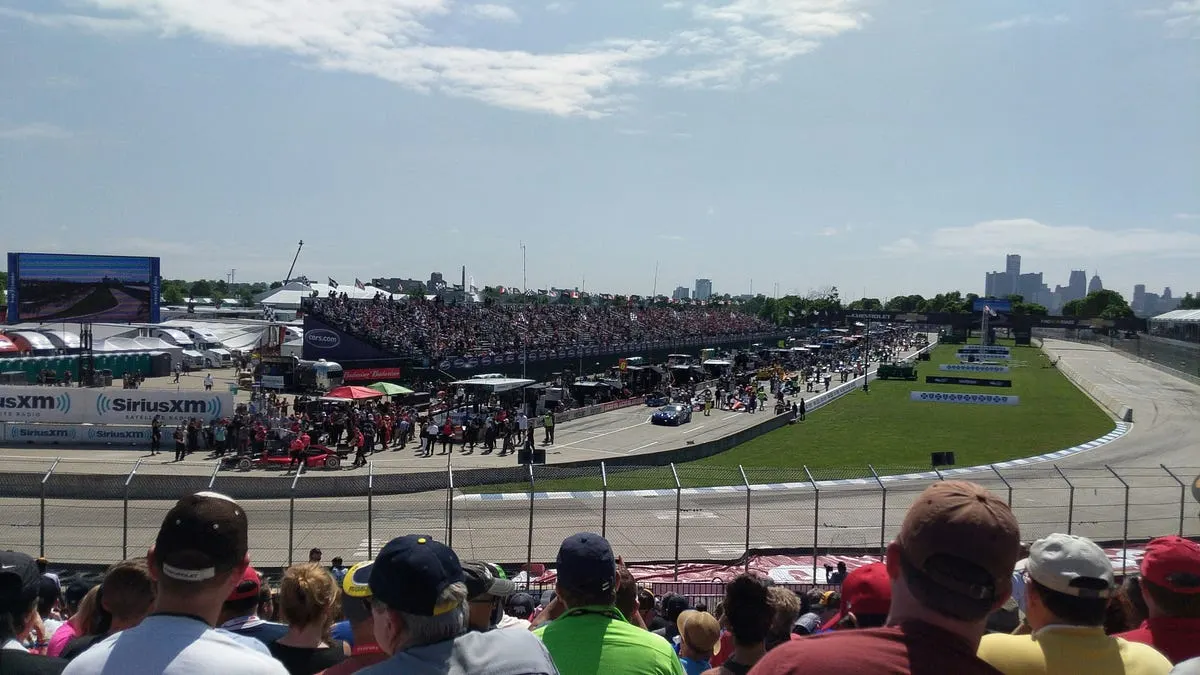
Photo by Ayden Sutton on Unsplash
As a lifelong track and field enthusiast turned sports photographer, I’ve spent countless hours at the edge of tracks, trying to capture those split-second moments that define athletic excellence. When I first got my hands on the Sony A9 III, it felt like I’d finally found the missing piece in my photographic puzzle.
A Personal Journey
I still remember my first attempt at photographing track events with my old DSLR. It was at my daughter’s high school meet, and despite my best efforts, I walked away with more blurry shots than keepers. The sprinters were too fast, the long jumpers too unpredictable, and my timing was always slightly off. Those early frustrations led me on a quest to find the perfect camera for track and field photography.
Why the Sony A9 III Stands Out
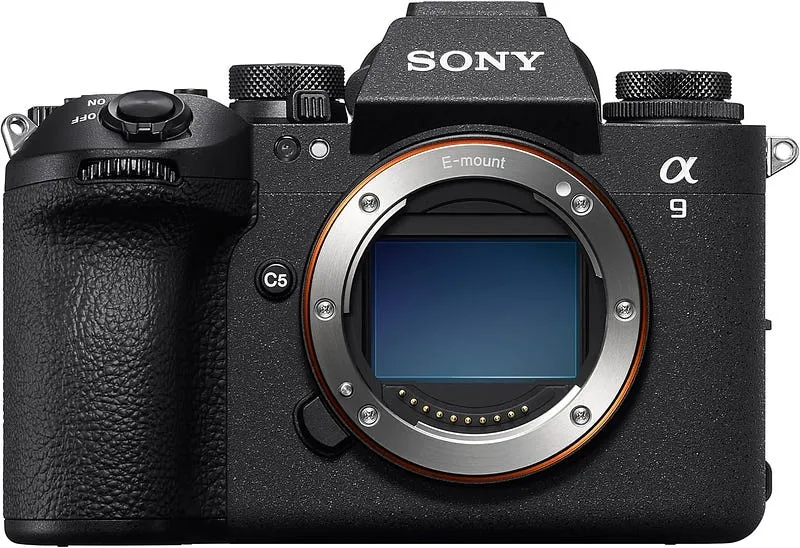
Blackout-Free Viewfinder: A Game-Changer
The A9 III’s completely blackout-free shooting experience transformed how I capture races. During the state championships last month, I could track runners through their entire 100-meter sprint without losing sight of them for even a millisecond. This feature alone has dramatically improved my hit rate for crucial moments like when athletes cross the finish line or make that perfect hurdle clearance.
Unmatched Speed
- 120 fps continuous shooting
- Zero viewfinder blackout
- Real-time tracking autofocus
- Minimal buffer limitations
These specifications aren’t just numbers — they translate directly into captured moments that would have been impossible before. At a recent meet, I caught every frame of a pole vaulter’s progression from approach to landing, giving me the luxury of selecting the exact moment of peak height.
Advanced Autofocus System
The camera’s AI-powered autofocus system has been nothing short of revolutionary for tracking athletes. It maintains focus on runners as they move between lanes, handles multiple subjects in relay races, and even keeps up with the rapid movements in throwing events. I’ve found it particularly effective when shooting:
- Sprint starts where quick transitions from crouched to upright positions occur
- Relay baton passes where multiple athletes converge
- High jump approaches where vertical and horizontal movements combine
- Javelin throws where tracking distance and speed is crucial
Real-World Performance
In my six months with the A9 III, I’ve shot over 30 track meets in varying conditions. The camera has proven its worth in:
Weather Resistance
Despite shooting through spring showers and summer heat, the camera has performed flawlessly. The weather sealing gave me confidence to keep shooting during a particularly wet regional meet where I captured some of my best shots of athletes competing in the rain.
Battery Life
Even with the intense burst shooting that track events demand, I typically get through a full day of competition on two batteries. This is crucial during all-day meets where charging opportunities are limited.
Storage Management
The high-speed card slots handle the massive data throughput from burst shooting without stuttering. I’ve never missed a shot waiting for the buffer to clear.
Areas for Improvement
No camera is perfect, and the A9 III does have some minor drawbacks:
- The price point is significant, making it a serious investment
- Menu system can be complex for newcomers
- Battery grip adds considerable bulk when attached
Final Thoughts
For serious track and field photographers, the Sony A9 III represents the current pinnacle of sports photography technology. Its combination of speed, accuracy, and reliability makes it an invaluable tool for capturing the intensity and grace of track and field athletics.
The moments I’ve captured with this camera — from the determination on a sprinter’s face at the blocks to the triumph of a personal best in the high jump — have helped me tell the stories of these athletes in ways I never could before. While the investment is substantial, for those dedicated to track and field photography, it’s an investment in capability that pays dividends with every meet.
Whether you’re photographing Olympic trials or local high school meets, the A9 III provides the tools needed to capture those split-second moments that make track and field such a compelling sport to photograph. It’s not just a camera; it’s a gateway to storytelling through sports photography.
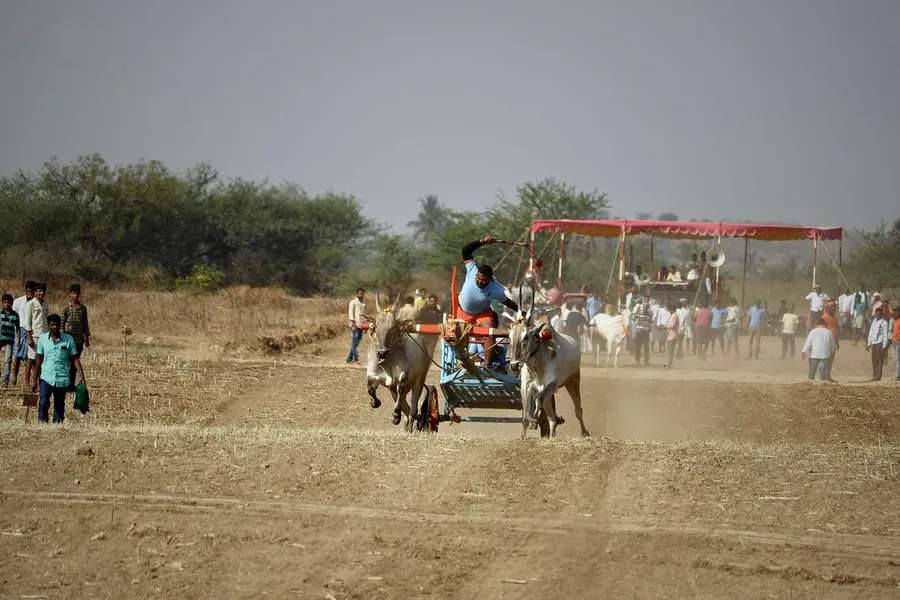
Photo by Manoj Kulkarni on Unsplash

Photo by Aranxa Esteve on Unsplash

Written by
Marien CartelProfessional and Certified Digital Photographer born in the USA, with 22 years of experience in the field of photography.
Related Guides
Best Camera for Automotive Photography
What I Actually Reach For When I’m Shooting Cars. Here is how the Canon EOS R5, Sony a7 IV and Nikon Z6 III compare, and the one I keep going back to.
Best Cameras for Virtual Production
After I Wasted a Full Shoot Day Finding Out — why the Sony FX6 and Sony FX9 made the list, and who each one really suits.
Best DSLR Cameras for Beginners: (Guide & Reviews)
My Hands-On Experience with the Best Beginner-Friendly Cameras — why the Canon EOS Rebel T7 and Nikon D3500 made the list, and who each one really suits.