Best Camera for Wedding Photography
As an Amazon Associate we earn from qualifying purchases. Some links in this guide are affiliate links — see our affiliate disclosure for details.
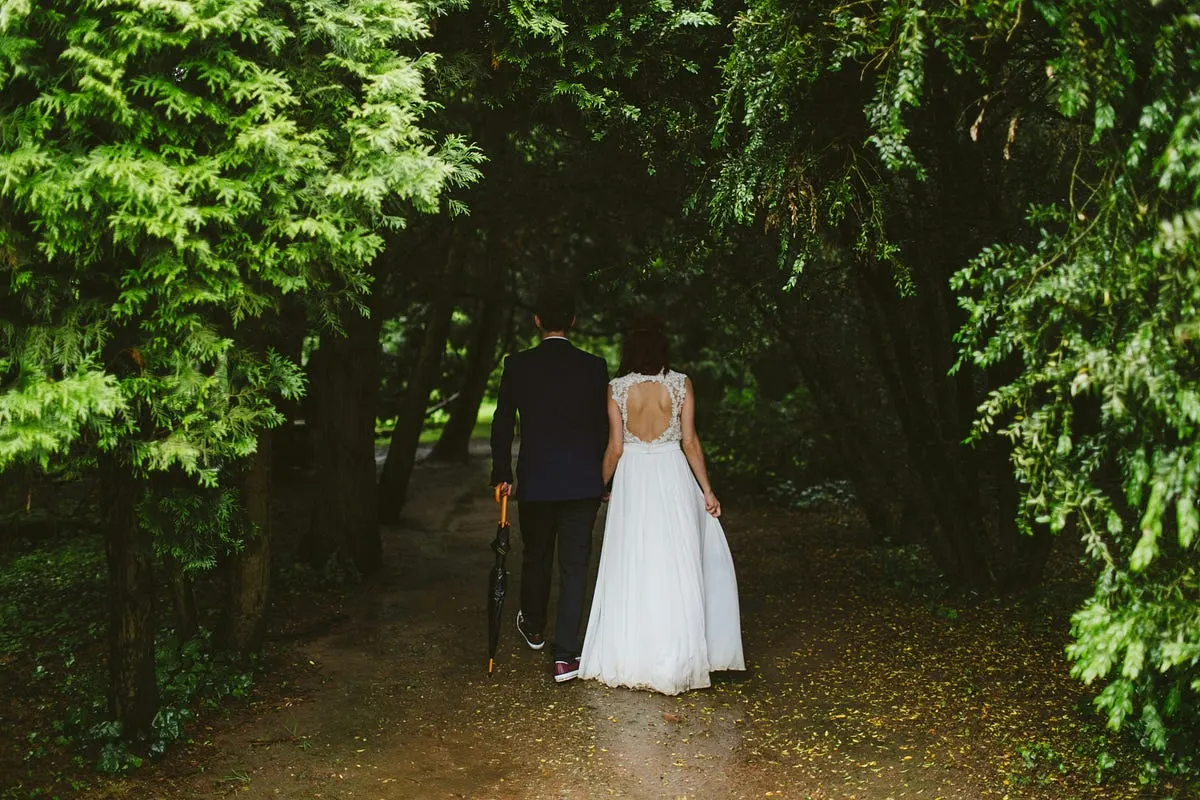
Photo by photo nic on Unsplash
For wedding photography on a low budget, consider a Canon EOS Rebel T8i (also known as EOS 850D), Nikon D5600, or a Sony Alpha a6100, as they offer good image quality, reliable autofocus, and a range of affordable lenses, making them great entry-level options for wedding photography.
Key points to consider:
Sensor size:
Most budget-friendly cameras will have an APS-C sensor, which provides a good balance between image quality and affordability.
Autofocus performance:
Look for a camera with fast and accurate autofocus, crucial for capturing fleeting moments at a wedding.
Lens compatibility:
Consider the range of affordable lenses available for your chosen camera system.
Specific camera recommendations:
Canon EOS Rebel T8i — View on Amazon
A popular choice for beginners with a good mix of features, including a 24.1-megapixel APS-C sensor, reliable autofocus, and an articulating touchscreen.
Nikon D5600 — View on Amazon
Another user-friendly DSLR with a 24.2-megapixel APS-C sensor, excellent image quality, and a vari-angle touchscreen.
Sony Alpha a6100 — View on Amazon
A good mirrorless option with a 24.2-megapixel APS-C sensor, fast autofocus, and compact size.
Important lens considerations:
- Wide-angle lens (around 35mm): Useful for capturing group shots and wide-angle perspectives.
- Standard lens (around 50mm): Great for portraits and natural-looking shots.
- Telephoto lens (around 70–200mm): Allows for capturing details from a distance, especially during ceremony moments.
As a wedding photographer, choosing the right camera is crucial to capturing those once-in-a-lifetime moments. Over the years, I have experimented with various models, each offering unique features that cater to different aspects of wedding photography. In this article, I will share my personal experiences and insights into the best cameras for wedding photography in 2024, along with recommendations based on my journey.
Top 4 Best Camera for Wedding Photography
- Canon EOS R5 — Get On Amazon
- Nikon Z6 II — Get On Amazon
- Fujifilm X-T4 — Get On Amazon
- Sony A7 IV — Get On Amazon
As an Amazon Associate, I earn from qualifying purchases at no additional cost to you. Thank you for your support!
The Importance of Camera Selection
When I first started in wedding photography, I quickly learned that not all cameras are created equal. The right camera can make a significant difference in low-light conditions, fast-paced events, and the overall quality of images captured. Here are some key factors to consider when selecting a camera for wedding photography:
- Sensor Size: Full-frame sensors are preferred for their ability to perform well in low light and produce high-quality images with minimal noise.
- Autofocus System: A reliable autofocus system is essential for capturing fleeting moments, especially during ceremonies and receptions.
- Burst Shooting Speed: Quick burst rates help capture action-packed moments, such as the couple’s first dance or bouquet toss.
- Video Capabilities: With the rise of videography in weddings, having a camera that can shoot high-quality video is increasingly important.
My Top Picks for Wedding Cameras
Based on my experience and the latest reviews, here are some of the best cameras for wedding photography in 2024:
1. Canon EOS R5
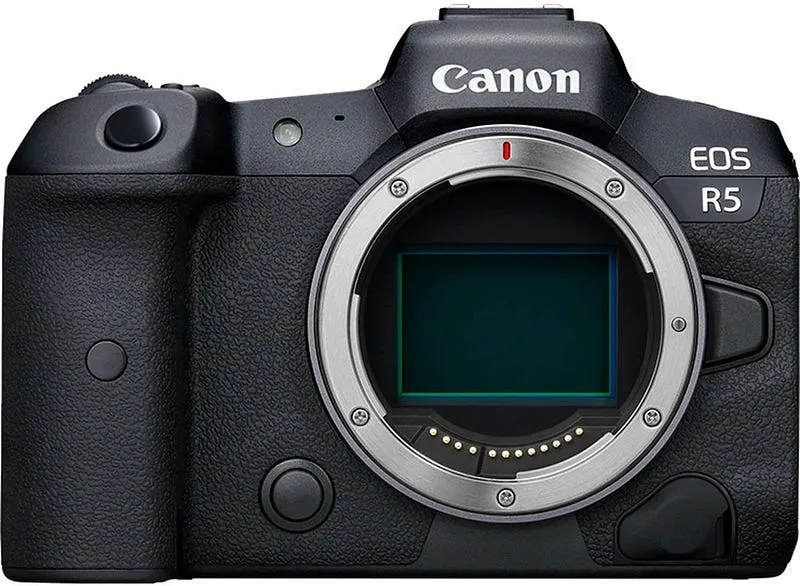
As a wedding photographer, the gear I use plays a crucial role in my ability to capture the essence of each event. After years of using various Canon DSLRs, I made the leap to mirrorless technology with the Canon EOS R5. My experience with this camera has been transformative, allowing me to elevate my photography to new heights. In this article, I will share my personal story with the EOS R5, its pros and cons, and how it has impacted my work.
Canon EOS R5 — Get On Amazon
My Experience with the Canon EOS R5
When I first got my hands on the Canon EOS R5, I was both excited and apprehensive. Transitioning from a DSLR to a mirrorless system felt daunting, but I was eager to explore the advanced features that had been widely praised in reviews. My initial outing with the R5 was during a wedding in a beautifully lit venue, which allowed me to test its capabilities in real-time.
The first thing that struck me was the autofocus system. The face and eye tracking were incredibly precise, allowing me to focus on capturing candid moments without worrying about missing critical shots. During the ceremony, as the couple exchanged vows, I was able to maintain sharp focus even as they moved slightly — something that had been challenging with my previous camera.
One memorable moment came during the reception when the couple shared their first dance. The dim lighting made it difficult for many cameras, but the R5 excelled. I shot at ISO 3200 and was amazed by how well it handled noise while preserving detail. The dynamic range allowed me to recover highlights and shadows in post-processing without losing image quality.
Pros of the Canon EOS R5
- Exceptional Autofocus: The R5’s autofocus system is one of its standout features. The face detection and tracking capabilities make it easy to capture sharp images of moving subjects, which is essential during weddings where moments unfold quickly.
- High Resolution: With a 45MP full-frame sensor, the R5 delivers stunning image quality. This high resolution allows for cropping without significant loss of detail, which is beneficial for framing shots perfectly.
- Low-Light Performance: The camera performs exceptionally well in low-light conditions, making it ideal for evening receptions or indoor ceremonies where lighting can be challenging.
- Versatile Video Capabilities: The ability to shoot 8K video is a bonus for photographers who also want to capture high-quality video footage of weddings.
- User-Friendly Interface: The customizable controls and intuitive menu system make it easy to adapt the camera settings on-the-fly during events.
Cons of the Canon EOS R5
- Price Point: At approximately $2,899, the R5 is a significant investment. While it offers excellent features, some may find it hard to justify this expense compared to other models.
- Battery Life: Although improved from earlier models, battery life can still be a concern during long wedding days. I often carry extra batteries to ensure I don’t miss any crucial moments.
- Overheating Issues: During extended video recording sessions (especially in 8K), the camera can overheat. While this hasn’t significantly impacted my photography work, it’s something to be aware of if you plan on shooting long video segments.
- Size and Weight: While lighter than many DSLRs, some photographers might find mirrorless cameras like the R5 bulkier than expected when paired with larger lenses.
Canon EOS R5 — Get On Amazon
Conclusion
My journey with the Canon EOS R5 has been nothing short of remarkable. It has not only enhanced my ability to capture beautiful images but also allowed me to embrace new creative possibilities in both photography and videography. Despite some drawbacks like price and battery life concerns, the advantages far outweigh them for my wedding photography needs.
As technology continues to evolve, I am excited about what future models will bring but for now, the Canon EOS R5 remains an invaluable tool in my photography arsenal — helping me document love stories with precision and artistry like never before.
Canon EOS R5 — Get On Amazon
2. Nikon Z6 II
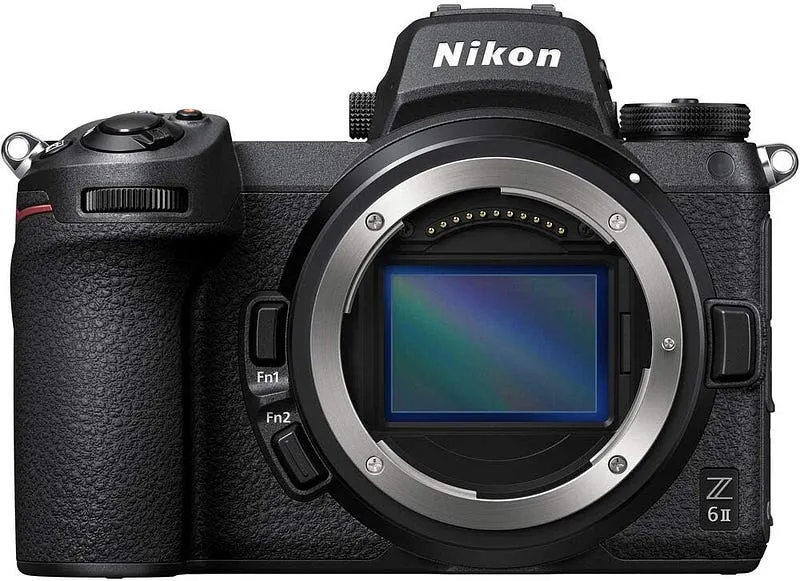
As a wedding photographer, I am always on the lookout for gear that enhances my ability to capture beautiful moments. After years of using DSLRs, I decided to transition to mirrorless technology, and the Nikon Z6 II quickly became a key part of my photography toolkit. In this article, I will share my personal journey with the Z6 II, highlighting its pros and cons based on my experiences.
Nikon Z6 II — Get On Amazon
My Journey with the Nikon Z6 II
When I first picked up the Nikon Z6 II, I was excited yet cautious. Having previously used DSLRs like the D850, I was curious to see how this new mirrorless system would perform in a wedding setting. My first significant test came during a summer wedding where lighting conditions varied dramatically — from bright outdoor ceremonies to dimly lit receptions.
One of the standout features that immediately impressed me was the autofocus system. The eye-detection autofocus worked flawlessly, allowing me to capture sharp images of the couple during their vows and candid moments throughout the day.
I remember shooting in low light during the reception; the Z6 II performed admirably at ISO 3200, producing clean images without excessive noise. This capability is crucial for wedding photography, where lighting can often be unpredictable.
Another memorable experience occurred when I was capturing the couple’s first dance. The camera’s burst shooting capability of up to 14 frames per second allowed me to document every emotion and movement without missing a beat. Each shot was in focus, showcasing the joy and excitement of that special moment.
Nikon Z6 II — Get On Amazon
Pros of the Nikon Z6 II
- Excellent Autofocus: The eye-detection feature is a game-changer for wedding photography. It ensures that subjects are in sharp focus, even in challenging lighting conditions.
- Dual Card Slots: Unlike its predecessor, the Z6 II has dual card slots, providing peace of mind for wedding photographers who need reliable backup options for their images.
- Outstanding Low-Light Performance: The camera excels in low-light situations, making it ideal for evening receptions or indoor ceremonies where lighting may be less than optimal.
- High Dynamic Range: The Z6 II captures a wide range of tones, allowing for greater flexibility in post-processing while preserving details in highlights and shadows.
- User-Friendly Design: The ergonomics of the camera are well thought out, making it comfortable to hold during long shoots — a crucial factor when photographing weddings that can last several hours.
Cons of the Nikon Z6 II
- Price Point: At approximately $1,996, it is an investment that may not be feasible for all photographers, particularly those just starting out.
- Battery Life: While improved from earlier models, battery life can still be a concern during long wedding days. I always carry extra batteries to ensure I remain operational throughout events.
- Weight and Size: Although lighter than many DSLRs, some users may find it bulkier than expected when paired with larger lenses, which can be tiring during extended shoots.
- Limited Native Lens Selection: While Nikon has been expanding its lens lineup for the Z series, some photographers may find fewer native options compared to established DSLR systems.
Conclusion
My experience with the Nikon Z6 II has been overwhelmingly positive. It has significantly improved my ability to capture stunning images at weddings, thanks to its advanced autofocus capabilities and excellent low-light performance. While there are some drawbacks — such as battery life and price — the benefits far outweigh them in my workflow.
As I continue my journey as a wedding photographer, I am grateful for the capabilities that the Nikon Z6 II provides. It has become an essential tool in my kit, helping me document love stories with precision and artistry that resonates with couples on their special day. If you’re considering a mirrorless upgrade or looking for a reliable camera for wedding photography, the Nikon Z6 II is worth serious consideration.
Nikon Z6 II — Get On Amazon
3-Fujifilm X-T4
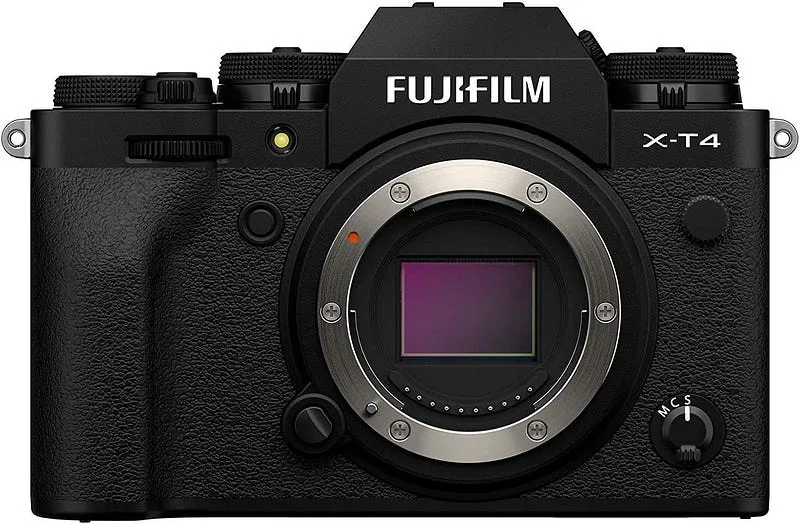
Fujifilm X-T4: My Personal Experience and Insights
As a wedding photographer, I am always on the lookout for a camera that balances performance, portability, and style. After experimenting with various models, I decided to incorporate the Fujifilm X-T4 into my gear lineup. This camera has not only impressed me with its capabilities but has also become a favorite for capturing the unique moments of weddings. In this article, I will share my personal story with the X-T4, along with its pros and cons based on my experiences.
Fujifilm X-T4 — Get On Amazon
My Journey with the Fujifilm X-T4
When I first got my hands on the Fujifilm X-T4, I was drawn to its retro design and compact size. My initial outing with this camera was during a spring wedding in a picturesque garden setting. I was eager to see how it would perform alongside my primary camera.
One of the first features I noticed was the in-body image stabilization (IBIS). This was particularly useful during the ceremony when I had to shoot handheld in varying light conditions. The stabilization allowed me to use slower shutter speeds without introducing blur, which is vital when capturing emotional moments like vows or reactions from family members.
The autofocus system was another highlight. The X-T4’s face and eye detection worked seamlessly, allowing me to capture sharp images of the couple during their first look and throughout the ceremony. There were moments when they moved quickly, but the camera kept up without missing a beat.
During the reception, the low-light performance truly shone. With ambient lighting creating a romantic atmosphere, I pushed the ISO up to 3200 without hesitation. The images retained excellent detail and minimal noise, which is crucial for capturing the energy of dancing guests and heartfelt speeches.
Fujifilm X-T4 — Get On Amazon
Pros of the Fujifilm X-T4
- In-Body Image Stabilization (IBIS): The IBIS significantly enhances shooting stability, allowing for sharper images at slower shutter speeds, especially beneficial in low-light conditions.
- Excellent Autofocus: The fast and accurate autofocus system, including face and eye detection, ensures that subjects remain sharp even during movement.
- High-Quality Video Capabilities: The ability to shoot 4K video at up to 60 fps makes it an excellent choice for photographers who also want to capture high-quality video footage of weddings.
- Compact and Lightweight Design: The X-T4 is easy to carry around during long wedding days without causing fatigue, making it ideal for event photography.
- Film Simulation Modes: Fujifilm’s renowned film simulations provide beautiful color profiles straight out of the camera, reducing post-processing time while still delivering stunning results.
Cons of the Fujifilm X-T4
- Battery Life: While improved from previous models, battery life can still be a concern during long wedding days. I always carry extra batteries to ensure I don’t miss any crucial moments.
- Size Compared to Other Mirrorless Cameras: Although compact for a mirrorless camera, some users may find it bulkier than expected when paired with larger lenses.
- Fully Articulating Screen: While many appreciate this feature for vlogging and selfies, I found it less durable than previous tilt screens and occasionally cumbersome when shooting from low angles.
- Limited Native Lens Selection: While Fujifilm offers an excellent range of lenses, those transitioning from full-frame systems may find fewer options available compared to other brands.
Fujifilm X-T4 — Get On Amazon
4. Sony A7 IV
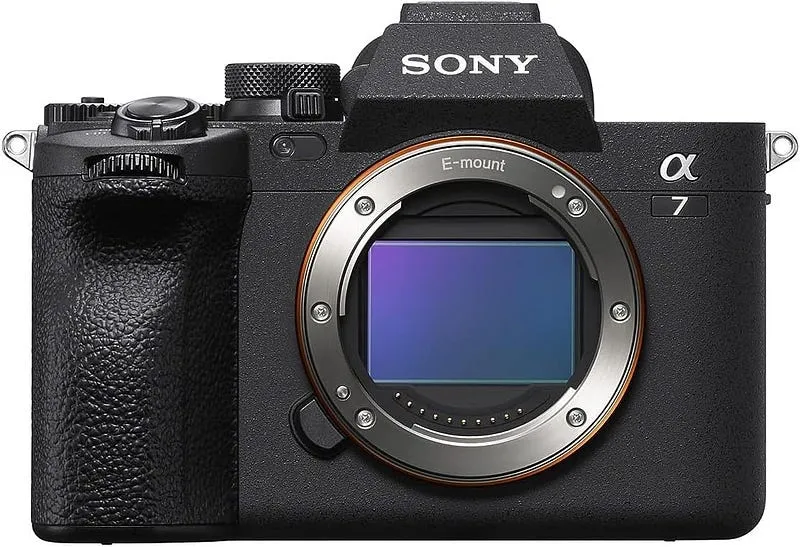
When I first started using the Sony A7 IV, I was immediately struck by its build quality and ergonomics. Coming from a different brand, I was curious about how this mirrorless system would perform during weddings. My first major test came during a vibrant outdoor wedding ceremony, where I had the opportunity to explore its capabilities in real-time.
Sony A7 IV — Get On Amazon
One of the most impressive features of the A7 IV is its autofocus system. The real-time eye autofocus (Eye AF) worked seamlessly, allowing me to maintain sharp focus on the couple as they exchanged vows. This feature was particularly beneficial during candid moments when they interacted with their guests. I vividly remember capturing a beautiful shot of the bride laughing with her friends; the focus was spot-on, which made post-processing much easier.
Low-light performance was another area where the A7 IV excelled. During the reception, which was dimly lit yet filled with lively dancing, I pushed the ISO up to 3200 without hesitation. The images retained impressive detail and minimal noise, allowing me to capture the energy of the night without compromising quality.
Pros of the Sony A7 IV
- Exceptional Autofocus: The Fast Hybrid AF system with 759 phase-detection points ensures quick and accurate focusing. The Eye AF feature is particularly useful for weddings, as it tracks subjects’ eyes in both stills and video.
- High Resolution: With a 33MP full-frame sensor, the A7 IV delivers stunning image quality. This resolution allows for cropping without significant loss of detail, which is essential when framing shots perfectly.
- Outstanding Low-Light Performance: The camera performs exceptionally well in low-light conditions, making it ideal for evening receptions or indoor ceremonies where lighting may be challenging.
- Versatile Video Capabilities: The ability to shoot 4K video at up to 60 fps with excellent dynamic range makes it a great choice for photographers who also want to capture high-quality video content.
- User-Friendly Design: The improved ergonomics and customizable controls make it comfortable to use during long events, reducing fatigue during extended shoots.
Sony A7 IV — Get On Amazon
Cons of the Sony A7 IV
- Price Point: At approximately $2,498, it is a significant investment that may not be feasible for all photographers, especially those just starting out.
- Battery Life: While decent, battery life can be a concern during long wedding days. I always carry extra batteries to ensure I don’t miss any critical moments.
- Weight and Size: Although lighter than many DSLRs, some users might find it bulkier than expected when paired with larger lenses, which can be tiring during extended shoots.
- Learning Curve: Transitioning from other brands may require time to adapt to Sony’s menu system and settings, which can be overwhelming for new users.
Conclusion
My experience with the Sony A7 IV has been overwhelmingly positive. It has significantly improved my ability to capture stunning images at weddings thanks to its advanced autofocus capabilities and excellent low-light performance. While there are some drawbacks — such as price and battery life concerns — the benefits far outweigh them in my workflow.
As I continue my journey as a wedding photographer, I am grateful for what the Sony A7 IV brings to my kit. It has become an essential tool that helps me document love stories with precision and artistry that resonates deeply with couples on their special day. If you’re considering a mirrorless upgrade or looking for a reliable camera for wedding photography, the Sony A7 IV is definitely worth considering.
Sony A7 IV — Get On Amazon
Tips from My Experience
- Always Have a Backup Camera: Weddings can be unpredictable; having a second camera ensures you won’t miss any critical moments if something goes wrong.
- Invest in Quality Lenses: A good lens can significantly enhance image quality. I often use prime lenses like the 50mm f/1.8 for portraits and a versatile zoom lens like the 24–70mm f/2.8 for general coverage.
- Practice in Varied Lighting Conditions: Familiarize yourself with your camera’s performance in different lighting scenarios before the big day.
Conclusion
Selecting the right camera for wedding photography is not just about specifications; it’s about finding a tool that complements your style and workflow. The Canon EOS R5 remains my top choice due to its outstanding performance across various conditions, but options like the Nikon Z6 II and Sony A7 IV also offer incredible capabilities that can elevate your wedding photography game.
As you embark on your journey as a wedding photographer or consider upgrading your gear, remember that practice and experience are just as vital as the equipment you choose. Happy shooting!

Written by
Marien CartelProfessional and Certified Digital Photographer born in the USA, with 22 years of experience in the field of photography.
Related Guides
Best Camera for Automotive Photography
What I Actually Reach For When I’m Shooting Cars. Here is how the Canon EOS R5, Sony a7 IV and Nikon Z6 III compare, and the one I keep going back to.
Best Cameras for Virtual Production
After I Wasted a Full Shoot Day Finding Out — why the Sony FX6 and Sony FX9 made the list, and who each one really suits.
Best DSLR Cameras for Beginners: (Guide & Reviews)
My Hands-On Experience with the Best Beginner-Friendly Cameras — why the Canon EOS Rebel T7 and Nikon D3500 made the list, and who each one really suits.