Best Camera Under $1500
As an Amazon Associate we earn from qualifying purchases. Some links in this guide are affiliate links — see our affiliate disclosure for details.
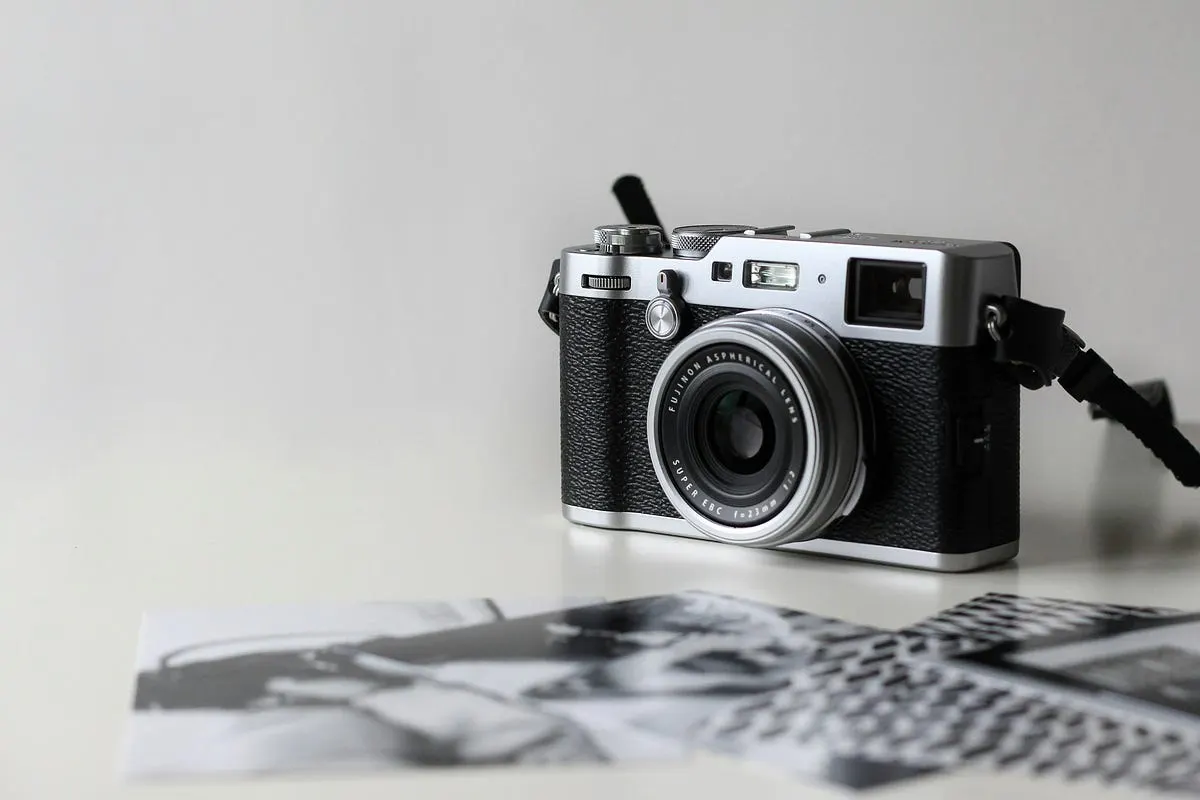
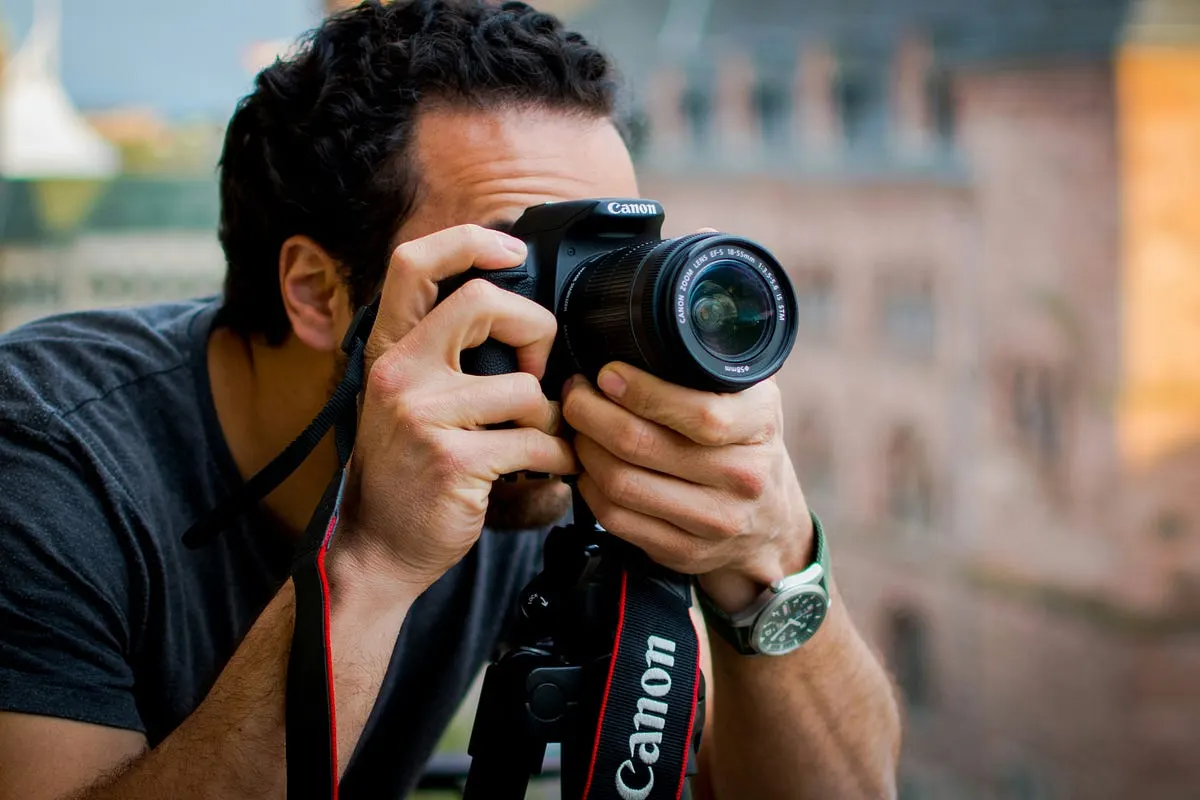
Photo by NordWood Themes on Unsplash
Choosing the best camera under $1500 can be an overwhelming task, especially with the myriad of options available today. As someone who has navigated this journey, I want to share my personal experience and insights, along with a detailed overview of some of the best cameras in this price range.
Best Camera Under $1500
- Canon EOS R8 — View on Amazon
- Nikon Z5 — View on Amazon
- Fujifilm X-S20 — View on Amazon
- Sony Alpha a6400 — View on Amazon
- Nikon D7500 — View on Amazon
My Photography Journey
My photography journey began with a simple point-and-shoot camera, which quickly evolved into a passion for capturing moments through a lens. After several years of using entry-level DSLRs, I felt it was time to upgrade to something that would not only enhance my photography skills but also provide versatility for different shooting scenarios. With a budget of $1500, I set out to find a camera that could meet my needs as both a hobbyist and an aspiring content creator.
Key Considerations When Choosing a Camera
When selecting a camera, I focused on several key features:
- Image Quality: A camera with a good sensor is crucial for capturing high-quality images.
- Video Capabilities: As I ventured into video content creation, having 4K recording options became essential.
- Portability: A lightweight and compact design is ideal for travel and outdoor photography.
- User-Friendly Interface: An intuitive interface helps in quickly adjusting settings without missing the moment.
Top Cameras Under $1500
Based on extensive research and personal experience, here are some of the best cameras under $1500 that cater to various photography styles:
1- Canon EOS R8
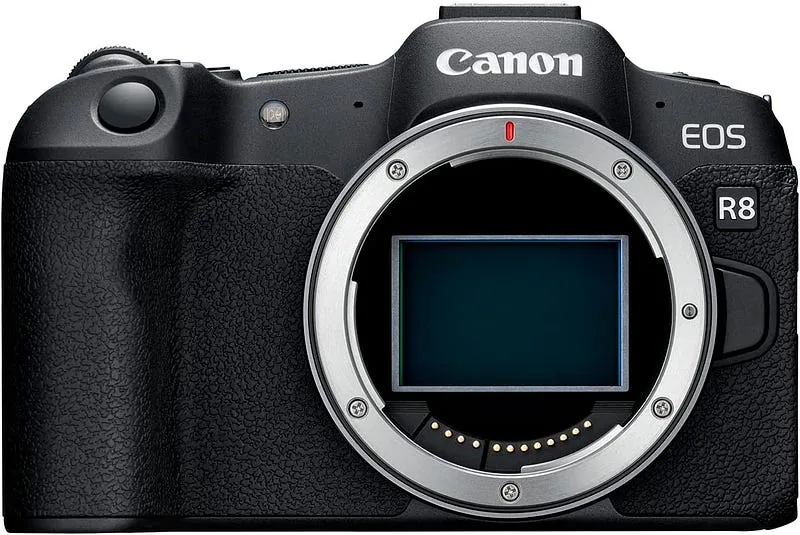
As a passionate photographer, my journey has always been about capturing moments that tell stories. After years of using an APS-C DSLR, I decided it was time to upgrade to a full-frame mirrorless camera that would enhance my creative capabilities. Enter the Canon EOS R8 — a camera that promised to deliver exceptional performance without breaking the bank. Here’s my personal experience with this remarkable device, along with its pros and cons.
Canon EOS R8 — View on Amazon
First Impressions
When I first held the Canon EOS R8, I was struck by its lightweight design. Weighing only 414 grams, it felt incredibly manageable, especially for long days of shooting. The compact size meant I could easily carry it around without feeling burdened, which was a significant advantage during my travels.
Key Features and Performance
The 24.2MP full-frame sensor and DIGIC X processor were game-changers for me. The image quality was stunning, with vibrant colors and impressive detail even in challenging lighting conditions. My first major test came during a night shoot in a dimly lit urban environment.
I pushed the ISO settings up to 16,000, and to my surprise, the images retained excellent clarity and minimal noise. This capability opened up new avenues for my night photography, allowing me to capture scenes that would have been impossible with my previous camera.
Autofocus and Usability
One of the standout features of the EOS R8 is its autofocus system, which operates effectively even in low-light conditions down to -6.5 EV. During a particularly challenging shoot at the Sacré-Cœur in Paris, I was able to capture sharp images of people moving through the streets at night. The autofocus tracked subjects seamlessly, providing me with confidence that I wouldn’t miss those fleeting moments.
The vari-angle touchscreen was another feature I found invaluable. It allowed me to shoot from various angles without straining or repositioning myself awkwardly. This flexibility was especially useful when capturing creative shots from low or high perspectives.
Canon EOS R8 — View on Amazon
Pros of the Canon EOS R8
- Lightweight and Compact: Its small size makes it easy to carry for extended periods.
- Excellent Image Quality: The full-frame sensor delivers stunning images with great detail and color accuracy.
- Impressive Low-Light Performance: High ISO capabilities allow for shooting in challenging lighting conditions without significant noise.
- Fast Autofocus: The autofocus system is reliable and effective, even in low-light scenarios.
- User-Friendly Interface: The touchscreen and menu system are intuitive, making it easy for both beginners and experienced photographers.
Cons of the Canon EOS R8
While my experience with the EOS R8 has been largely positive, there are some drawbacks worth mentioning:
- Single Card Slot: The lack of dual card slots can be a concern for those who shoot professionally or during important events where backup is critical.
- Battery Life: I found myself needing extra batteries on longer shoots as the battery life could be better compared to some competitors.
- No In-Body Image Stabilization (IBIS): While the camera performs well in low light, having IBIS would have further enhanced handheld shooting capabilities.
- Ergonomics for Larger Hands: For someone with bigger hands, the camera may feel slightly small and less comfortable over prolonged use.
Conclusion: A Camera for Every Occasion
Overall, my experience with the Canon EOS R8 has been transformative. It has liberated me from the constraints of my previous APS-C camera and opened up new creative possibilities. Whether I’m shooting landscapes at dawn or capturing vibrant city life at night, this camera has proven to be a reliable companion.
The Canon EOS R8 is not just a tool; it’s an extension of my artistic vision. It empowers me to explore different styles of photography — from portraits to street scenes — without feeling limited by equipment constraints.
While it may not be perfect for every professional need due to its single card slot and battery life issues, it is undoubtedly an excellent choice for enthusiasts looking for a capable full-frame camera under $1500.As I continue to explore photography with the EOS R8, I look forward to pushing its limits further and discovering more about what this incredible camera can do.
Canon EOS R8 — View on Amazon
2- Nikon Z5
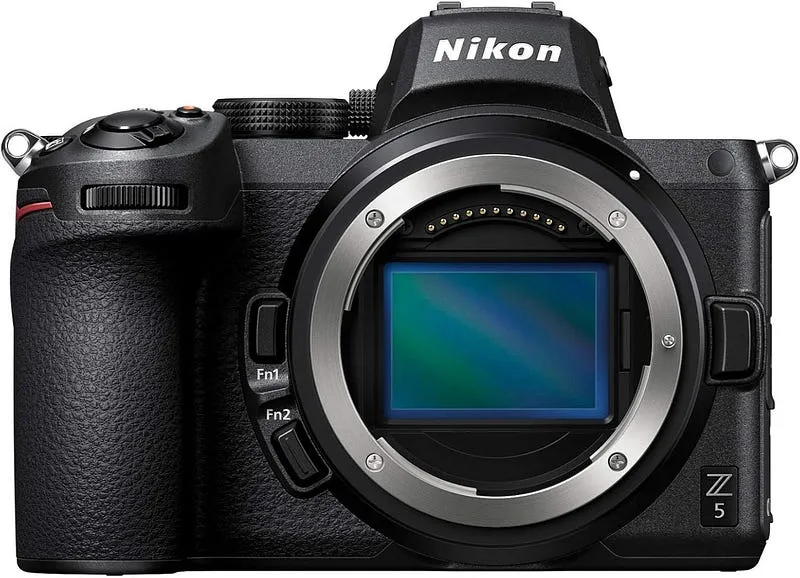
As a photographer who has always been drawn to capturing the beauty of the world around me, I found myself at a crossroads after several years of using crop-sensor DSLRs. I wanted to elevate my photography and explore the full-frame realm without spending a fortune. That’s when I discovered the Nikon Z5 — a camera that promised to deliver exceptional image quality and performance at an accessible price point. Here’s my personal experience with the Z5, including its pros and cons.
Nikon Z5 — View on Amazon
First Impressions
When I first unboxed the Nikon Z5, I was immediately impressed by its build quality. Weighing in at 675 grams, it felt substantial yet manageable. This was a welcome change from my previous lightweight DSLR, which sometimes felt unstable during handheld shots. The ergonomic design provided a comfortable grip, allowing me to shoot for extended periods without discomfort.
Key Features and Performance
The 24.3MP full-frame sensor was a significant upgrade for me. During my first outing with the Z5, I ventured into a local park at sunrise, eager to capture the soft morning light filtering through the trees. The dynamic range was impressive; I could see details in both shadows and highlights without needing extensive post-processing. This capability was something I had struggled with in my previous camera, where recovering details often resulted in excessive noise.
One of the standout features for me was the dual SD card slots. This was a crucial factor in my decision to purchase the Z5, as it provided peace of mind during important shoots, such as weddings or family events where every moment counts.
Nikon Z5 — View on Amazon
Autofocus and Usability
The 273-point hybrid autofocus system performed admirably in various lighting conditions. While shooting portraits of my friends during an outdoor gathering, I found that the eye-detection feature worked flawlessly, ensuring that their expressions were always sharp and in focus. This level of accuracy significantly reduced my post-editing time, allowing me to focus on creativity rather than corrections.
The tilting touchscreen was another feature I quickly grew fond of. It made composing shots from unusual angles much easier, particularly during macro photography sessions where getting low to the ground is essential.
Pros of the Nikon Z5
- Excellent Image Quality: The full-frame sensor delivers stunning images with great detail and dynamic range.
- Dual SD Card Slots: Provides security for important shoots by allowing backup storage.
- Ergonomic Design: Comfortable grip and well-placed controls make it easy to handle.
- Reliable Autofocus: The hybrid AF system is effective for both stills and video, with good eye-detection capabilities.
- Good Low-Light Performance: Handles noise well up to ISO 3200, making it suitable for various lighting conditions.
Cons of the Nikon Z5
Despite its many strengths, there are some drawbacks I’ve encountered:
- Video Limitations: The 4K video comes with a 1.7x crop factor, which can be restrictive for wide-angle shots. Additionally, features like 1080p at 120fps are missing.
- Battery Life: While decent, I found that prolonged use — especially when using live view — could drain the battery faster than expected.
- Autofocus Performance: While generally reliable, there were instances where it struggled in high-contrast situations or when tracking fast-moving subjects.
- Weight Considerations: Although I appreciate its sturdiness, some may find it slightly heavier compared to more compact mirrorless options.
Conclusion: A Reliable Companion for Photographers
Overall, my experience with the Nikon Z5 has been overwhelmingly positive. It has allowed me to explore new creative avenues while providing reliable performance across various shooting scenarios. Whether I’m capturing landscapes at dawn or portraits during family gatherings, this camera has proven to be a trustworthy companion.
The Nikon Z5 strikes an excellent balance between performance and affordability for those looking to step into full-frame photography without breaking the bank. While it may not be perfect — especially regarding video capabilities — it offers enough features and quality that make it an outstanding choice for enthusiasts and semi-professionals alike.
As I continue my photographic journey with the Z5, I’m excited about what new adventures await and how this camera will help me capture them beautifully.
Nikon Z5 — View on Amazon
3- Fujifilm X-S20
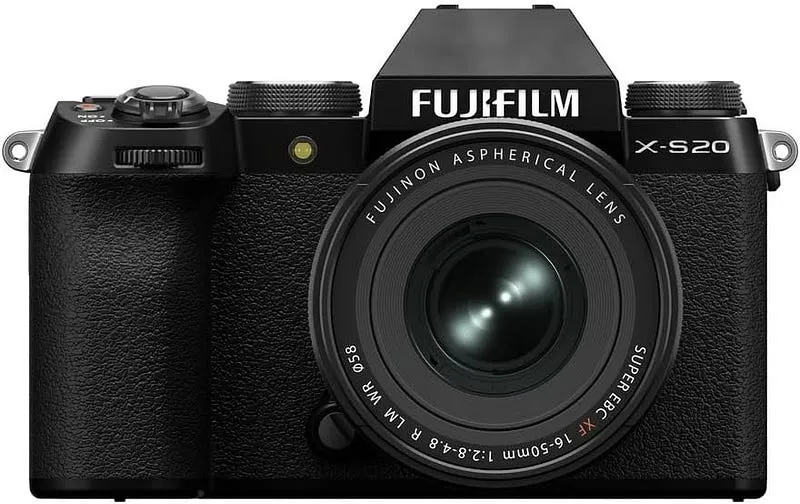
As a photography enthusiast, my journey has been filled with exploration and experimentation, always seeking the perfect camera that can keep up with my creative vision. After years of using various models, I stumbled upon the Fujifilm X-S20, a camera that promised to be a versatile tool for both photography and videography. Here’s my personal experience with the X-S20, detailing its strengths and weaknesses.
Fujifilm X-S20 — View on Amazon
First Impressions
When I first held the Fujifilm X-S20, I was struck by its compact design and lightweight build — only 17 ounces with the battery and memory card included. This made it incredibly portable, perfect for my street photography adventures. The camera felt solid in my hands, and the ergonomics were impressive, with a comfortable grip that allowed for extended shooting sessions without fatigue.
Key Features and Performance
The 26.1MP back-illuminated X-Trans sensor was a significant draw for me. During my first outing, I took the X-S20 to a local flower market at sunrise. The colors were vibrant, and the dynamic range was impressive; I could capture intricate details in both highlights and shadows. The image quality exceeded my expectations, providing rich colors that felt true to life.
One of the standout features of the X-S20 is its in-body image stabilization (IBIS), which offers up to seven stops of stabilization. This feature became particularly useful during handheld shooting in low-light conditions, allowing me to capture sharp images without a tripod. I remember photographing a bustling street scene at dusk; the stabilization helped me maintain clarity despite slight camera movement.
Fujifilm X-S20 — View on Amazon
Autofocus and Usability
The autofocus system on the X-S20 is another highlight. With modes for tracking various subjects — like animals and vehicles — it proved effective during a recent pet photography session. The eye-detection feature worked well for capturing my dog in action, ensuring that his face remained sharp even as he darted around.
The three customizable dials on top of the camera allowed for quick adjustments to settings like ISO and exposure compensation. This intuitive control scheme made it easy for me to adapt to changing lighting conditions without fumbling through menus.
Pros of the Fujifilm X-S20
- Compact and Lightweight: Its small size makes it ideal for travel and street photography.
- Excellent Image Quality: The X-Trans sensor produces vibrant colors and impressive dynamic range.
- Strong IBIS Performance: The seven stops of stabilization enhance handheld shooting capabilities.
- Versatile Autofocus System: Effective tracking modes make it suitable for various subjects.
- User-Friendly Controls: Customizable dials simplify adjustments on-the-fly.
Fujifilm X-S20 — View on Amazon
Cons of the Fujifilm X-S20
While my experience with the X-S20 has been largely positive, there are some drawbacks worth noting:
- Video Limitations: Although it offers impressive video features like 6.2K recording, I found the micro HDMI port flimsy, which could be problematic during shoots.
- Lower Resolution EVF: The electronic viewfinder is smaller compared to some competitors, which might not appeal to those who prefer larger displays.
- Battery Life: While improved over previous models, I still found myself needing extra batteries during longer shoots, especially when recording video.
- Limited Tracking Performance: While generally effective, there were instances where tracking fast-moving subjects lagged behind slightly.
Conclusion: A Versatile Companion for Creatives
Overall, my experience with the Fujifilm X-S20 has been transformative. It has empowered me to explore new creative avenues while providing reliable performance across various shooting scenarios. Whether I’m capturing vibrant street scenes or experimenting with video content creation, this camera has proven to be an invaluable companion.
The Fujifilm X-S20 excels as an all-rounder for photographers and videographers alike. Its combination of portability, image quality, and user-friendly features makes it an excellent choice for enthusiasts looking to expand their skills without breaking the bank.
As I continue my photographic journey with the X-S20, I’m excited about what new adventures await and how this camera will help me capture them beautifully.
Fujifilm X-S20 — View on Amazon
4-Sony Alpha a6400
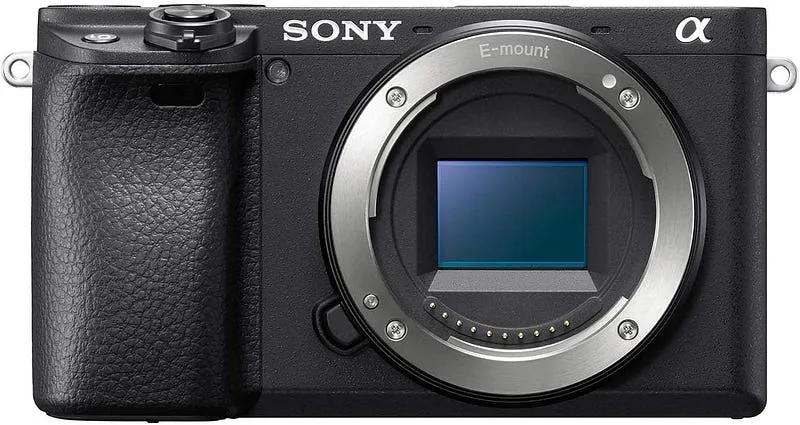
As a photographer, my quest has always been to find a camera that not only captures stunning images but also adapts to my dynamic lifestyle. After using various cameras, I finally decided to invest in the Sony Alpha a6400. This choice was driven by its reputation for exceptional autofocus and versatility, making it an ideal companion for everything from street photography to vlogging. Here’s my personal experience with the a6400, including its pros and cons.
Sony Alpha a6400 — View on Amazon
First Impressions
When I first picked up the Sony a6400, I was impressed by its compact and lightweight design. Weighing just 14.3 ounces, it felt perfect for carrying around during my urban explorations. The body had a solid feel, and I appreciated the weather-sealing, which gave me confidence while shooting in unpredictable conditions. The 3-inch tilting touchscreen was another feature that caught my eye; it promised flexibility for composing shots from various angles.
Key Features and Performance
The 24.2MP APS-C sensor was a significant upgrade from my previous camera, and I was eager to test its capabilities. During my first outing with the a6400 at a local festival, I was blown away by the image quality. The colors were vibrant, and the details were sharp, even in challenging lighting conditions. The camera’s ability to handle high ISO settings (up to 32,000) allowed me to capture stunning shots as the sun set without introducing too much noise.
One of the standout features of the a6400 is its autofocus system, boasting an impressive 425 phase-detection and 425 contrast-detection points. This technology made a noticeable difference when photographing fast-moving subjects — like dancers at the festival. The Real-Time Eye AF feature tracked their eyes seamlessly, ensuring that every shot was sharp and focused on their expressions.
Sony Alpha a6400 — View on Amazon
Autofocus and Usability
The autofocus performance truly set the a6400 apart from other cameras I had used. It reacted almost instantaneously — Sony claims it achieves focus in just 0.02 seconds — and I found this to be incredibly accurate during my shoots. However, while it excelled with slower-moving subjects, I noticed some challenges when tracking erratic movements; it occasionally lost focus momentarily but quickly reacquired it.
The customizable controls were another highlight for me. The ability to assign functions to various buttons made navigating through settings easier during fast-paced shooting situations. However, I did find the menu system somewhat overwhelming at first; with so many options available, it took time to familiarize myself with everything.
Pros of the Sony Alpha a6400
- Lightning-Fast Autofocus: The autofocus system is one of the best in its class, making it ideal for capturing action shots.
- Excellent Image Quality: The 24.2MP sensor produces vibrant colors and sharp details across various lighting conditions.
- Compact and Lightweight Design: Perfect for travel and street photography without compromising on performance.
- Versatile Video Capabilities: Offers 4K video recording with full pixel readout, making it suitable for vlogging and creative projects.
- Customizable Controls: Allows users to tailor settings for quick access during shoots.
Cons of the Sony Alpha a6400
Despite its many strengths, there are some drawbacks I’ve experienced:
- Limited Touchscreen Functionality: While the touchscreen is useful for composing shots, its limited interaction with menus can be frustrating.
- No In-Body Image Stabilization (IBIS): This can be a drawback for handheld shooting at slower shutter speeds; relying on lens stabilization is necessary.
- Battery Life: Although decent, I found myself needing extra batteries during longer shoots, especially when recording video.
- Clunky Flip Screen: The flip-up screen can obstruct the viewfinder when shooting at certain angles, which can be inconvenient.
Conclusion: A Dynamic Companion for Creatives
Overall, my experience with the Sony Alpha a6400 has been overwhelmingly positive. It has empowered me to explore new creative avenues while providing reliable performance across various shooting scenarios. Whether I’m capturing lively street scenes or creating engaging video content, this camera has proven to be an invaluable asset.
The Sony a6400 stands out as an exceptional choice for photographers and videographers alike who are looking for speed and versatility in a compact package. While it may have some limitations — such as battery life and touchscreen functionality — it excels in areas that matter most to me: autofocus performance and image quality.
As I continue my photographic journey with the a6400, I’m excited about what new adventures await and how this camera will help me capture them beautifully.
Sony Alpha a6400 — View on Amazon
5 -Nikon D7500
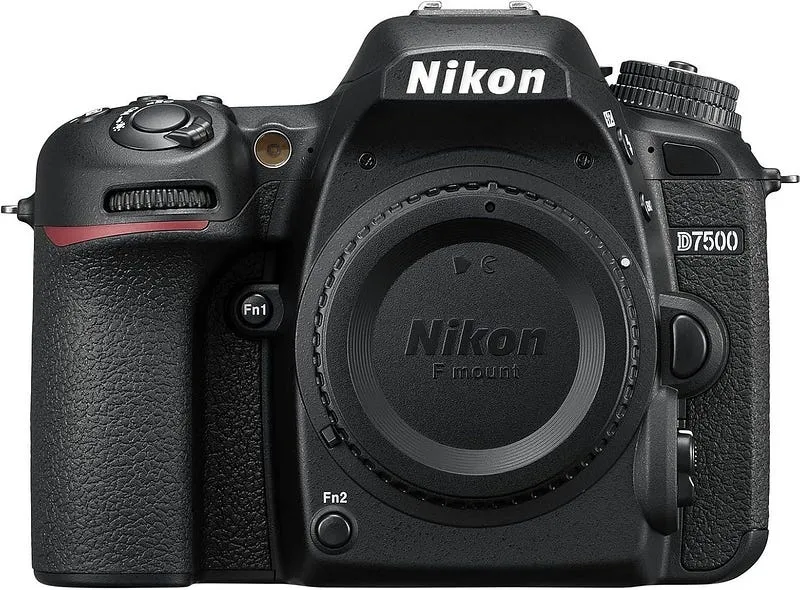
As a passionate photographer, my journey has been one of exploration and growth, always seeking the right tools to help me capture the world around me. After years of using entry-level cameras, I decided it was time to invest in something more robust and versatile. That’s when I discovered the Nikon D7500.
This camera promised to deliver excellent performance for both stills and video, making it an ideal companion for my diverse photography needs. Here’s my personal experience with the D7500, along with its pros and cons.
Nikon D7500 — View on Amazon
First Impressions
Upon unboxing the Nikon D7500, I was immediately impressed by its build quality. Weighing 720 grams, it felt solid yet comfortable in my hands. The ergonomic design featured a deep grip that made it easy to hold during long shooting sessions. The weather-sealed body gave me confidence to take it out in various conditions — rain or shine — without worrying about damaging my gear.
Key Features and Performance
The 20.9MP APS-C sensor was a significant upgrade from my previous camera, and I was eager to test its capabilities. My first major outing with the D7500 was a weekend trip to a national park during fall. The vibrant colors of the changing leaves were breathtaking, and the image quality did not disappoint. The dynamic range allowed me to capture stunning detail in both shadows and highlights, which was particularly noticeable in my landscape shots.
One of the standout features of the D7500 is its 8 frames per second (fps) burst shooting capability. This feature came in handy during a wildlife photography session where I was trying to capture fast-moving animals. The camera’s buffer allowed me to shoot up to 50 raw frames, which meant I could focus on timing my shots without worrying about missing those fleeting moments.
Nikon D7500 — View on Amazon
Autofocus and Usability
The 51-point autofocus system proved to be incredibly reliable. During a local sports event, I tested its capabilities while photographing athletes in motion. The autofocus tracked subjects quickly and accurately, even in challenging lighting conditions. I appreciated how it could focus down to -3 EV, which is impressive for low-light situations.
The tilting touchscreen was another feature that enhanced my shooting experience. It allowed me to compose shots from various angles without straining or contorting my body into awkward positions. However, I found that while the touchscreen is useful for live view shooting, it lacks some responsiveness when navigating through menus.
Pros of the Nikon D7500
- Excellent Image Quality: The 20.9MP sensor produces vibrant images with great detail and dynamic range.
- Fast Burst Shooting: 8fps burst mode is perfect for capturing action shots.
- Reliable Autofocus: The 51-point AF system is quick and accurate, even in low light.
- Weather-Sealed Body: Durable design allows for shooting in various conditions without worry.
- User-Friendly Controls: Ergonomic layout makes it easy to handle and adjust settings on-the-fly.
Cons of the Nikon D7500
Despite its many strengths, there are some drawbacks I’ve encountered:
- Single SD Card Slot: Having only one card slot can be a concern for professionals who require backup storage during important shoots.
- Live View Autofocus Speed: While effective through the viewfinder, live view autofocus can be slower than expected.
- Battery Life: Although decent, I found myself needing extra batteries during longer shoots, especially when using live view extensively.
- Low Rear Screen Resolution: The screen resolution is lower compared to some newer models, which can affect clarity when reviewing images.
Conclusion: A Versatile Companion for Enthusiasts
Overall, my experience with the Nikon D7500 has been overwhelmingly positive. It has allowed me to explore new creative avenues while providing reliable performance across various shooting scenarios. Whether I’m capturing landscapes during golden hour or action shots at sporting events, this camera has proven to be an invaluable tool.
The Nikon D7500 stands out as an excellent choice for photographers looking for a well-rounded DSLR that balances performance and price. While it may have some limitations — such as a single card slot and slower live view autofocus — it excels in areas that matter most: image quality, autofocus performance, and user-friendly design.
As I continue my photographic journey with the D7500, I’m excited about what new adventures await and how this camera will help me capture them beautifully.
Nikon D7500 — View on Amazon
Conclusion
Choosing the best camera under $1500 ultimately depends on your specific needs and preferences as a photographer or videographer. My personal experience has shown that investing in a quality camera can significantly enhance your creative output and enjoyment of photography. Whether you opt for the Canon EOS R8, Nikon Z5, Fujifilm X-S20, Sony Alpha a6400, or Nikon D7500, you’re sure to find a model that fits your style and elevates your work.
As you embark on your own journey to find the perfect camera, consider what features matter most to you and how you plan to use your new gear. Happy shooting!

Written by
Marien CartelProfessional and Certified Digital Photographer born in the USA, with 22 years of experience in the field of photography.
Related Guides
Best Camera for Automotive Photography
What I Actually Reach For When I’m Shooting Cars. Here is how the Canon EOS R5, Sony a7 IV and Nikon Z6 III compare, and the one I keep going back to.
Best Cameras for Virtual Production
After I Wasted a Full Shoot Day Finding Out — why the Sony FX6 and Sony FX9 made the list, and who each one really suits.
Best DSLR Cameras for Beginners: (Guide & Reviews)
My Hands-On Experience with the Best Beginner-Friendly Cameras — why the Canon EOS Rebel T7 and Nikon D3500 made the list, and who each one really suits.