Best Canon RF Lenses for Video

As an Amazon Associate we earn from qualifying purchases. Some links in this guide are affiliate links — see our affiliate disclosure for details.
Photo by Kashish Lamba on Unsplash
I remember when I first transitioned from a trusty DSLR to the Canon EOS R system. The promise of mirrorless was tantalizing — smaller bodies, better video features, and those sweet RF lenses. But initially, I was overwhelmed. Which lens to choose? My old EF glass, while adaptable, didn’t feel quite right. I craved that native RF sharpness and responsiveness.
- Canon RF 24–70mm f/2.8L IS USM — View on Amazon
- Canon RF 15–35mm f/2.8L IS USM — View on Amazon
- Canon RF 70–200mm f/2.8L IS USM — View on Amazon
- Canon RF 50mm f/1.8 STM — View on Amazon
My first foray was a bit of a disaster. I bought a cheap, third-party wide-angle lens, thinking it would be perfect for vlogging. Turns out, it was soft around the edges and had terrible chromatic aberration. Lesson learned: invest in quality.
That’s when I started researching, reading reviews, and eventually, testing a few RF lenses. And boy, did things change! Here are my top picks, based on my experience and what I’ve found to be essential for video:
The Canon RF Lens Lineup: My Top Picks for Video
Canon RF 24–70mm f/2.8L IS USM
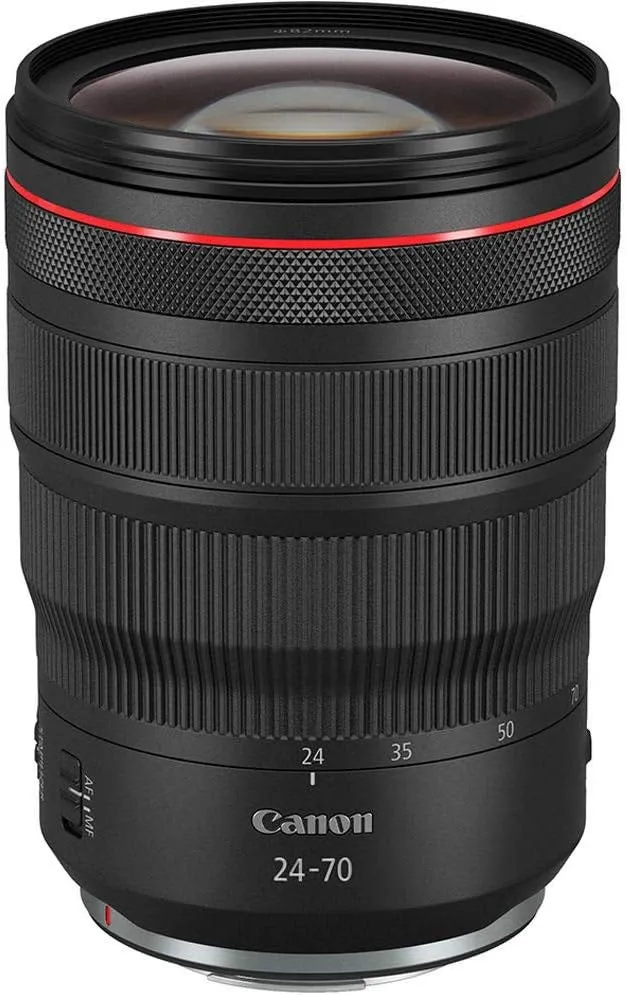
This is my workhorse. If I could only have one lens, this would be it. The versatility is unmatched.
Why it’s great:
- The f/2.8 aperture gives you beautiful shallow depth of field, perfect for cinematic looks.
- The zoom range is incredibly flexible, allowing you to go from wide shots to tighter portraits with ease.
- Image stabilization is a lifesaver for handheld shooting.
- It is incredibly sharp across the zoom range.
My Story: I used this lens to film a short documentary about local artisans. The ability to quickly adapt from wide shots of their workshops to close-ups of their intricate work was essential. The smooth zoom and consistent sharpness made the footage look professional.
Considerations: It’s a big, heavy lens, and pricey.
Canon RF 15–35mm f/2.8L IS USM
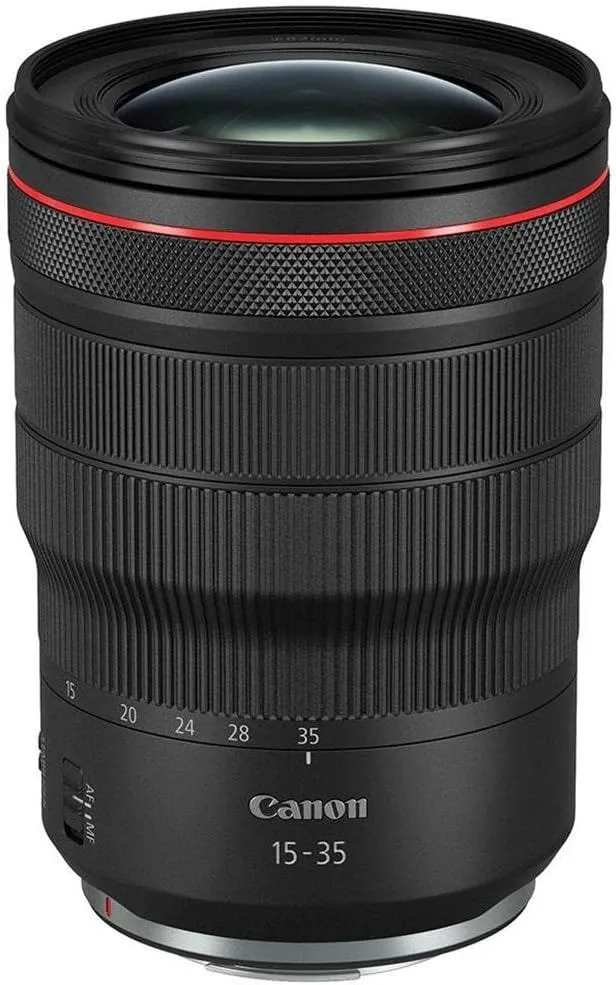
- For those sweeping landscapes, architectural shots, or when you need to capture a wide scene, this lens is a must-have.
Why it’s great:
- The ultra-wide angle provides a dramatic perspective.
- f/2.8 aperture is still present, for low light and shallow depth of field.
- Image stabilization is very helpful.
- Great for Vlogging.
My Story: I used this lens while filming a travel vlog in the mountains. The vast landscapes looked stunning, and the lens allowed me to capture the scale of the scenery. It also made interior shots of small rooms look much larger.
Considerations: Distortion can be an issue at the extreme wide end, but it’s easily corrected in post.
Canon RF 70–200mm f/2.8L IS USM
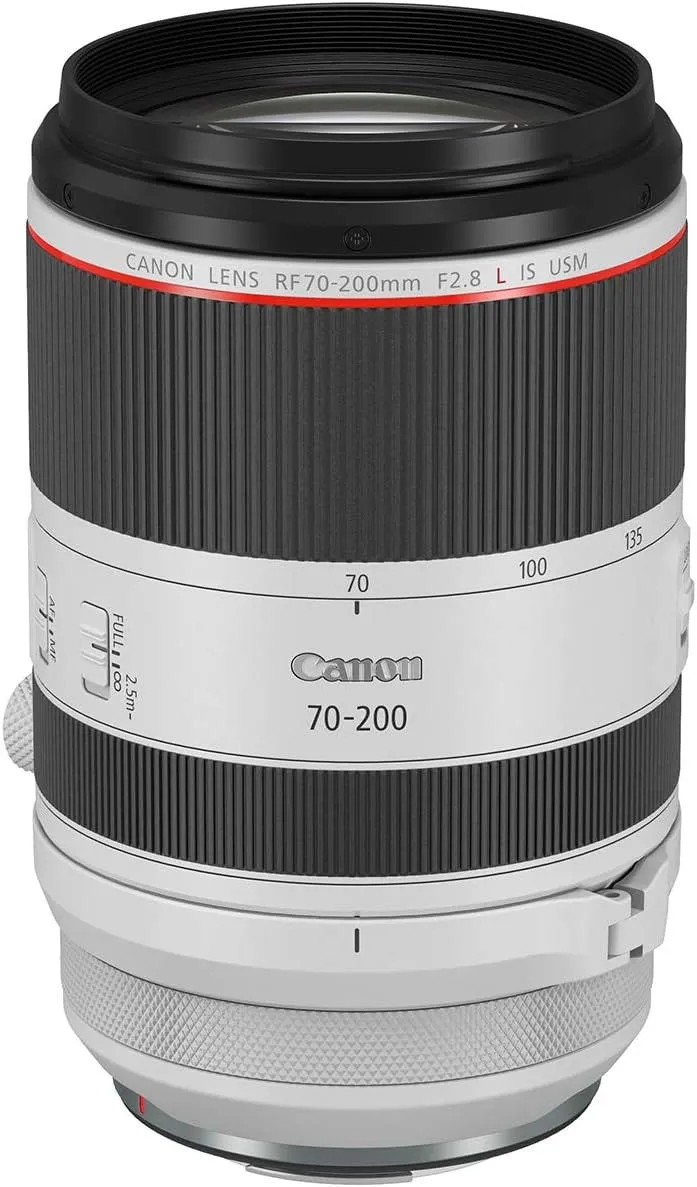
This telephoto lens is a game-changer for creating cinematic sequences with compressed perspectives and beautiful background separation.
Why it’s great:
- The reach is incredible, allowing you to isolate your subject and create a sense of intimacy.
- The f/2.8 aperture creates a stunning bokeh effect.
- Image stabilization is amazing.
- Very sharp, even at 200mm.
My Story: I used this lens to film a short sports documentary. The ability to capture close-ups of athletes from a distance was crucial. The shallow depth of field made the subjects pop against the blurred background.
Considerations: It’s another large and heavy lens, and the price tag is substantial.
Canon RF 50mm f/1.8 STM
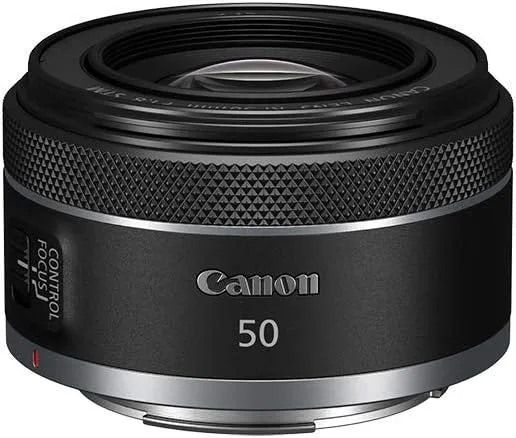
- This “nifty fifty” is a staple for any videographer’s kit. It’s affordable, compact, and delivers beautiful results.
Why it’s great:
- The wide f/1.8 aperture is fantastic for low-light shooting and creating shallow depth of field.
- It’s incredibly sharp for its price.
- Compact and light weight.
- Affordable.
My Story: When I started shooting interviews, this lens became my go-to. It provided a natural, flattering perspective and created a beautiful bokeh effect that made the subjects stand out.
Considerations: No image stabilization.
Canon RF 35mm f/1.8 Macro IS STM
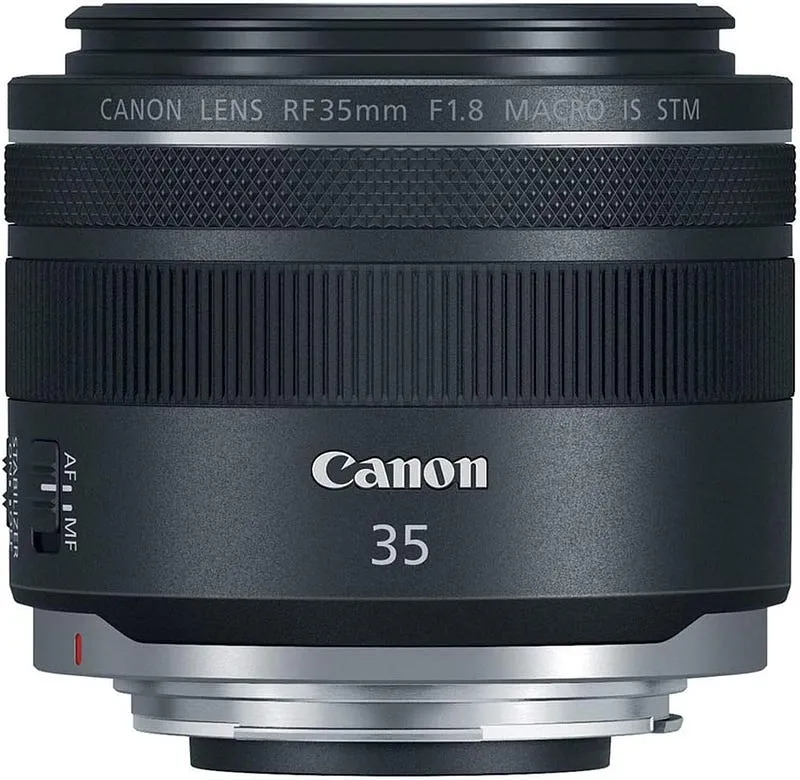
This lens is a surprisingly versatile option. Its wide aperture, macro capabilities, and image stabilization make it great for a variety of video applications.
Why it’s great:
- The f/1.8 aperture is excellent for low light.
- The macro feature allows for stunning close-up shots.
- Image stabilization.
- Compact and light weight.
My Story: Shooting close-up b-roll of food preparation for a resturant video was made easy by this lens. the macro abilities allowed me to get very close, and the image stabilization smoothed out my handheld shots.
Considerations: While versatile, it is not as sharp as the L series lenses.
Tips for Choosing the Right RF Lens for Video
- Consider your shooting style: Do you primarily shoot vlogs, documentaries, or cinematic narratives?
- Think about your budget: RF lenses can be expensive, so prioritize the lenses that are most essential for your work.
- Don’t be afraid to rent: Renting lenses is a great way to try them out before you commit to buying.
- Invest in quality: While third-party lenses can be tempting, the image quality and build quality of genuine Canon RF lenses are worth the investment.
As an Amazon Associate, I earn from qualifying purchases at no additional cost to you. Thank you for your support!
The Canon RF system has completely transformed my video workflow. The sharpness, responsiveness, and versatility of these lenses have allowed me to create content that I’m truly proud of. I hope this blog post has helped you navigate the world of RF lenses and find the perfect tools for your own creative journey. Happy shooting!

Written by
Marien CartelProfessional and Certified Digital Photographer born in the USA, with 22 years of experience in the field of photography.
Related Guides

Best Lens for Panasonic LUMIX S5: (2026 Guide & Reviews)
Unlocking the Cinematic Soul of the L-Mount System. What the Sigma 24–70mm f/2.8 DG DN gets right, what it does not, and who should buy it.

Best Lens for Wide Shots
The Ultimate Guide to the Best Lens for Wide Shots: Field-Tested Review & Personal Experience

Best Lenses for Interior Photography
Best Lenses for Interior Photography. Here is how the Canon R6 Mark II and Canon EOS R6 Mark II compare, and the one I keep going back to.