Best Fujifilm Cameras for Travel Adventures
As an Amazon Associate we earn from qualifying purchases. Some links in this guide are affiliate links — see our affiliate disclosure for details.
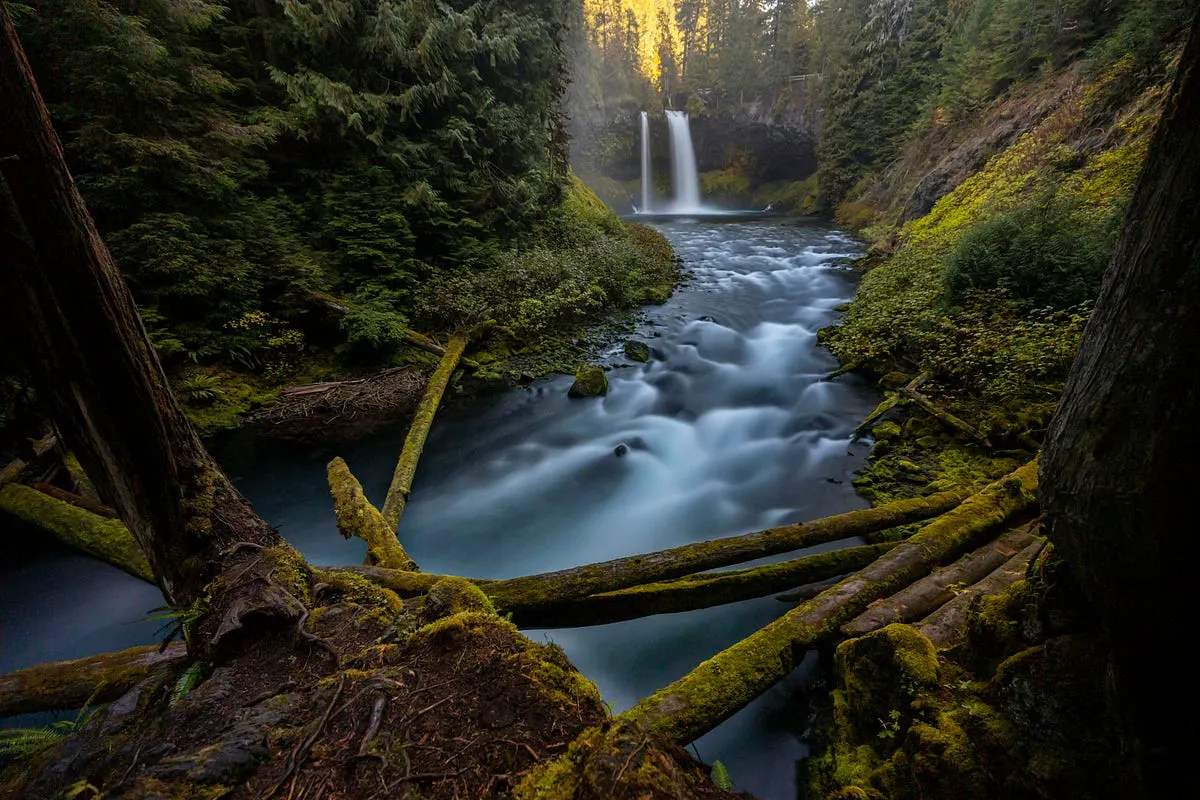
Photo by Leo_Visions on Unsplash
Remember that trip where you almost threw your camera bag into the ocean? Yeah, me too. It was a sweltering hike in the Greek Islands, my old DSLR felt like a brick strapped to my neck, and I was juggling lenses while sweat stung my eyes. I missed the perfect shot of a sun-drenched chapel because I was too busy wrestling with gear. That was the moment I knew: travel photography shouldn’t feel like a pack-mule competition. Enter Fujifilm.
Switching to Fujifilm wasn’t just about lighter gear; it was a revelation in joy. Suddenly, capturing the soul of a place became intuitive, fun, and fast. The film simulations meant less time editing in a hostel bunk and more time savoring gyros. If you’re dreaming of wanderlust-fueled adventures without the backache, here’s my take on the best Fujifilm cameras for travel, forged through cobblestones, mountain trails, and bustling markets:
Why Fujifilm for Travel?
- Size & Weight: This is king (or queen!). Fuji’s APS-C sensors pack stunning quality into bodies often smaller than a DSLR lens cap.
- Image Quality: That famous Fuji color science. JPEGs straight out of camera (especially with Film Sims like Classic Chrome or Astia) are often perfect for travel blogs or social media.
- Tactile Controls: Dedicated dials for shutter speed, aperture (on lenses), and ISO make adjusting settings intuitive and fast — perfect for fleeting moments.
- Durability: Many models boast robust, weather-resistant builds. Dust and a light rain? Bring it on.
- The Joy Factor: Using a Fuji just feels good. It makes you want to shoot, which is the whole point!
My Top Fujifilm Travel Picks:
The Icon: Fujifilm X100V
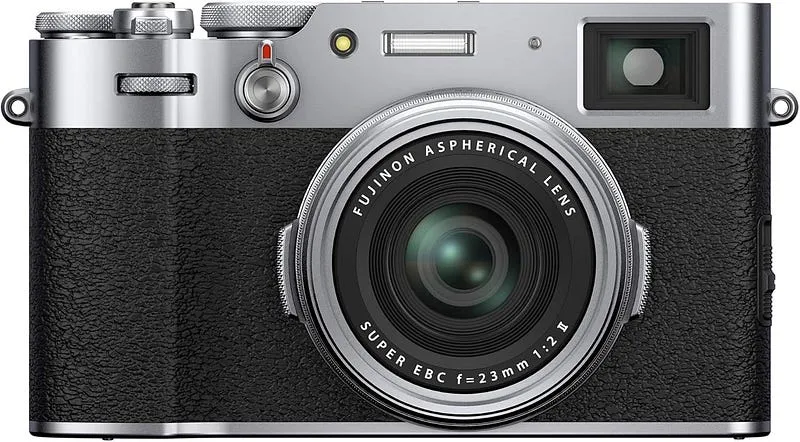
I took the X100V to Kyoto. Wandering ancient temples and narrow alleys, its silent leaf shutter was a godsend. No loud “clunk” to disturb the serene gardens. Its compact size meant it was always in my hand, ready. That beautiful OVF let me see the world naturally while framing the shot.
I captured fleeting moments — a geisha disappearing around a corner, steam rising from a street food stall — effortlessly. It forced me to see compositionally within 35mm, making me a better photographer.
Perfect for: Minimalists, street photographers, lovers of discrete shooting and classic design.
Consider: The fixed lens is a commitment. If you crave zoom or interchangeable lenses, look elsewhere.
The Versatile Powerhouse: Fujifilm X-T30 II (or the newer X-T50)
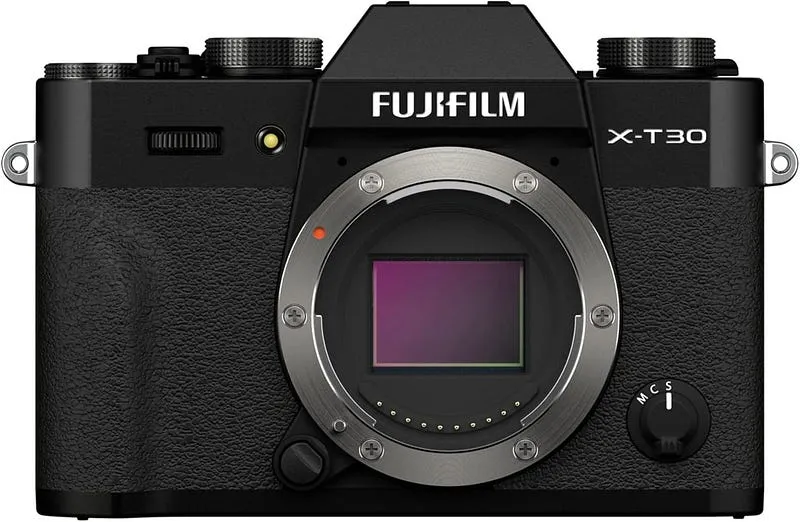
This was my workhorse backpacking through Vietnam. Paired with the tiny, superb Fujinon XF 27mm f/2.8 pancake lens, it vanished into a small sling bag. For days exploring Hanoi’s chaotic Old Quarter or cruising Ha Long Bay, it was perfect. When I needed more reach for landscapes or details, I’d swap to the XF 18–55mm f/2.8–4 kit lens (surprisingly excellent!) or the lightweight XF 55–200mm.The autofocus was snappy enough for bustling markets and motorbike street scenes.
Perfect for: Travelers who want maximum flexibility (interchangeable lenses) in a compact, powerful, and affordable body.
Consider: Less robust build/grip than X-T4/X-T5; no in-body stabilization (IBIS) on the X-T30 II (X-T50 adds IBIS!).
The Vlogger/Hybrid Creator: Fujifilm X-S10 (or X-S20)
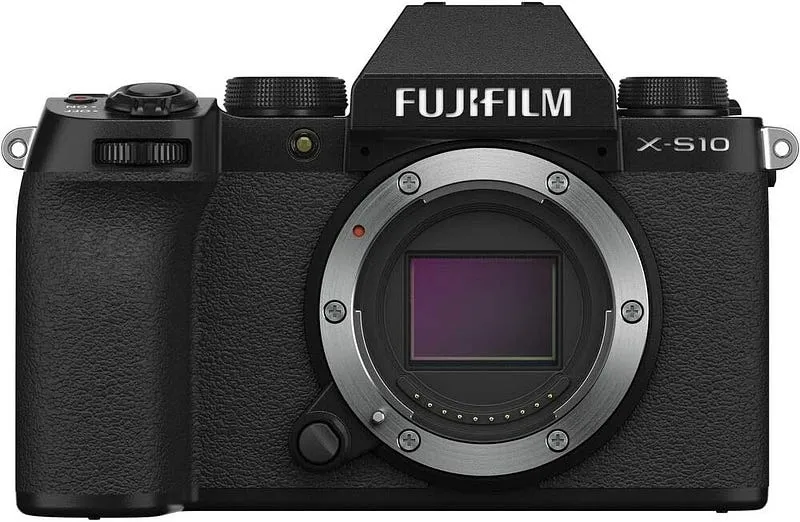
My partner used the X-S10 on our Portugal trip, primarily for video. The IBIS was magic for handheld walking tours of Porto’s steep hills and shaky boat trips along the coast. The flip-out screen made vlogging and self-framing easy. For stills, the grip made it comfortable with slightly larger lenses like the XF 16–80mm f/4 (a fantastic travel zoom).
It captured stunning, stable footage of Fado singers in dimly lit taverns where other cameras would have struggled.
Perfect for: Travelers who prioritize video, vlogging, or need excellent stabilization for low light or handheld shooting. Also great for those who prefer a DSLR-like grip and controls.
Consider: Slightly less “retro Fuji” aesthetic; IBIS adds a tiny bit of bulk.
The Sleek Minimalist (If you can find one!): Fujifilm X-E4
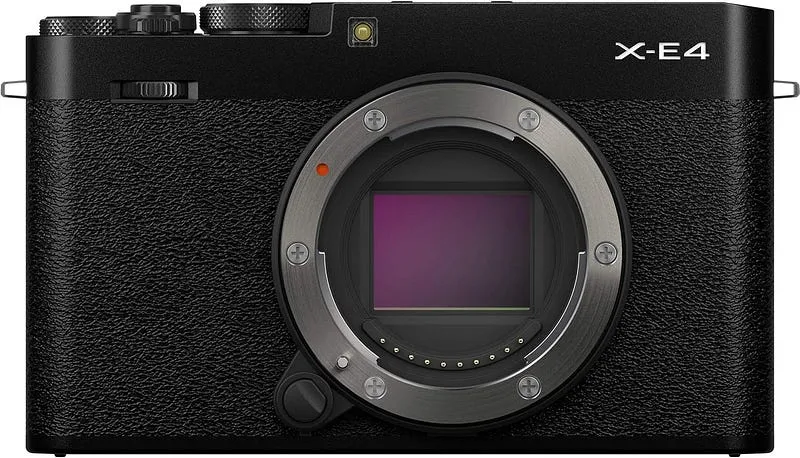
While I haven’t traveled extensively with it (it’s elusive!), I borrowed one for a weekend city break. Paired with the 27mm pancake, it was the most pocketable interchangeable lens camera I’ve ever used. It felt like shooting with a beautiful film camera but with modern guts. Perfect for blending in and capturing candid moments.
Perfect for: Style-conscious travelers wanting interchangeable lenses in the smallest possible Fuji rangefinder body. Prioritizes aesthetics and portability.
Consider: Very minimal grip (add-on needed for some), harder to find since discontinuation, simpler controls might not suit everyone.
What I Learned on the Road (The Hard Way):
- One Great Lens > Three Okay Ones: Seriously. My 23mm (35mm eq.) and 27mm (40mm eq.) saw 90% of my shots. A compact zoom (like the 18–55mm) is a safe, versatile choice if you must have zoom.
- Embrace the JPEGs: Fuji’s Film Simulations are incredible. Shoot RAW+JPEG, but lean on those JPEGs for sharing on the go. Classic Chrome and Classic Neg are my travel bibles.
- Size Really Matters: The camera you want to carry is the camera you will use. Lugging a beast guarantees missed shots.
- Batteries! Pack at least two spares. Fujis are efficient, but travel days are long.
- It’s About the Experience: The best camera is the one that gets out of your way and lets you live the adventure while capturing it authentically. Fujifilm cameras excel at this.
Finding Your Fuji Soulmate:
The “best” Fuji for travel depends entirely on your style:
- Purest Experience, Fixed Lens: X100V/X100VI
- Maximum Flexibility & Power (Small): X-T30 II / X-T50
- Vlogging, Video, Stabilization: X-S10 / X-S20
- Ultra-Small Interchangeable (Retro Style): X-E4 (if you can find it!)
My Gear Today: My X100V is my constant “throw in the bag” companion for city trips and casual adventures. For trips where I know I’ll want more flexibility (wildlife, specific landscapes), my X-T5 (a larger sibling to the X-T30) comes along, usually paired with the 16–80mm f/4 or the compact primes.
Ditching the heavy DSLR wasn’t just about saving my shoulders; it rekindled the pure joy of capturing the world as I move through it. Fujifilm cameras feel like partners in exploration, not burdens. So, grab your Fuji, pack light, embrace the journey, and let those beautiful film simulations paint your travel memories. Happy wandering and shooting!
What’s your Fujifilm travel story? Share your favorite camera and lens combo in the comments below!





Written by
Marien CartelProfessional and Certified Digital Photographer born in the USA, with 22 years of experience in the field of photography.
Related Guides
Best Camera for Automotive Photography
What I Actually Reach For When I’m Shooting Cars. Here is how the Canon EOS R5, Sony a7 IV and Nikon Z6 III compare, and the one I keep going back to.
Best Cameras for Virtual Production
After I Wasted a Full Shoot Day Finding Out — why the Sony FX6 and Sony FX9 made the list, and who each one really suits.
Best DSLR Cameras for Beginners: (Guide & Reviews)
My Hands-On Experience with the Best Beginner-Friendly Cameras — why the Canon EOS Rebel T7 and Nikon D3500 made the list, and who each one really suits.