Best Lens for Portraits Canon
As an Amazon Associate we earn from qualifying purchases. Some links in this guide are affiliate links — see our affiliate disclosure for details.
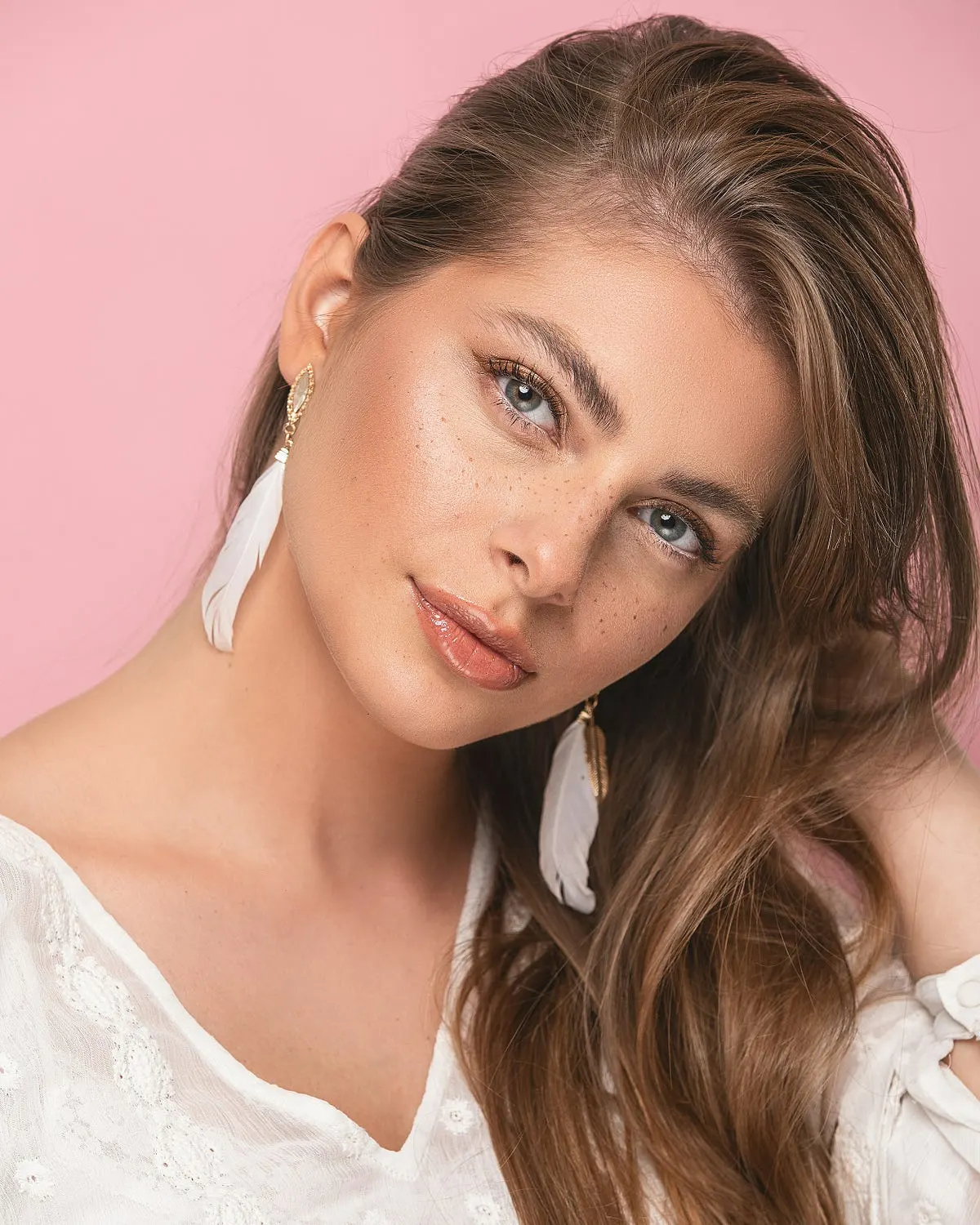
Photo by behrouz sasani on Unsplash
For years, I dabbled in photography, capturing landscapes that stretched to the horizon and fleeting moments of street life. But it wasn’t until I tried my hand at portraiture that I truly felt the magic of a lens. There’s something incredibly intimate about capturing a person’s essence, their emotions, their story, all within the frame. And the lens you choose plays a pivotal role in how that story is told.
My initial foray into portraiture was with the kit lens that came with my trusty Canon Rebel. It was… fine. It got the job done, but the images often felt a little flat, the background not quite melting away in that dreamy blur I so admired in professional portraits. That’s when the lens rabbit hole truly began.
- Canon EF 50mm f/1.8 STM — View on Amazon
- Canon EF 85mm f/1.8 USM — View on Amazon
- Canon EF 70–200mm f/2.8L IS III USM — View on Amazon
- Canon EF 50mm f/1.4 USM — View on Amazon
- Canon EF 135mm f/2L USM — View on Amazon
- Canon RF 50mm f/1.2L USM — View on Amazon
The Nifty Fifty: Canon EF 50mm f/1.8 STM — A Revelation
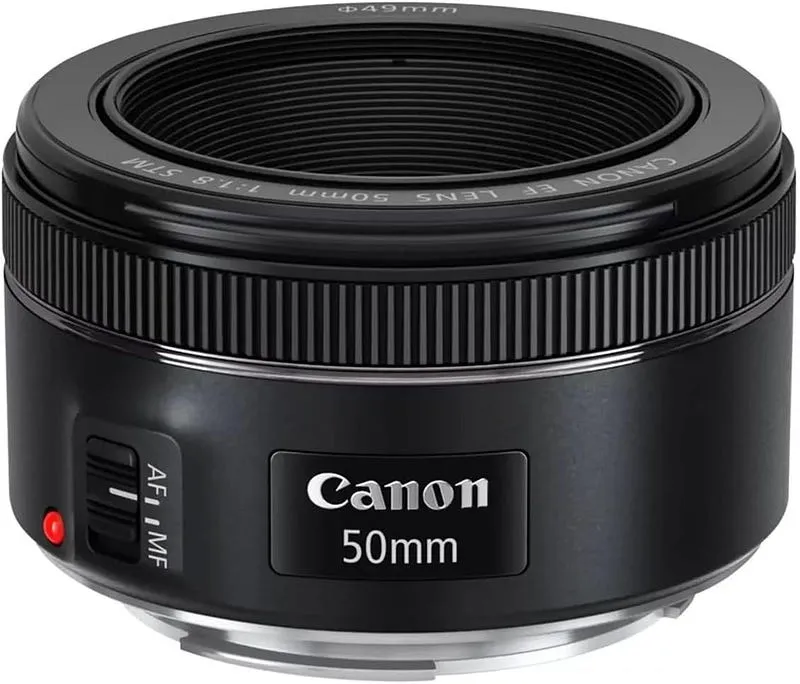
My first dedicated portrait lens was the Canon EF 50mm f/1.8 STM, affectionately known as the “nifty fifty.” For its incredibly affordable price, this little lens is an absolute powerhouse. Stepping up from the kit lens, the difference was immediately noticeable. The wider aperture of f/1.8 allowed for a much shallower depth of field, beautifully isolating my subjects and creating that lovely bokeh — the soft, out-of-focus background that makes your subject pop.
I remember photographing my niece, a whirlwind of energy and giggles. With the 50mm, I could capture her bright eyes sparkling with mischief, her hair a soft halo against the blurred garden behind her. The lens was lightweight and easy to handle, making it perfect for chasing after a toddler! It truly opened my eyes to the creative possibilities of prime lenses.
Why the Canon EF 50mm f/1.8 STM is great for portraits:
- Wide Aperture (f/1.8): Creates beautiful bokeh and excels in low light.
- Sharp Image Quality: Delivers surprisingly sharp results for its price.
- Compact and Lightweight: Easy to carry around for extended shoots.
- Affordable: An excellent entry-level portrait lens.
- Natural Perspective: The 50mm focal length on a full-frame camera closely mimics human vision, resulting in natural-looking portraits. On a crop-sensor camera (like many Canon Rebels), it acts more like an 80mm lens, which is also a flattering focal length for portraits.
The nifty fifty taught me the importance of a wide aperture and the impact of shallow depth of field. It was a game-changer for my portrait photography and a lens I still occasionally reach for its sheer simplicity and beautiful results.

Photo by Tiko Giorgadze on Unsplash
Stepping Up the Game: Canon EF 85mm f/1.8 USM — The Portrait Specialist
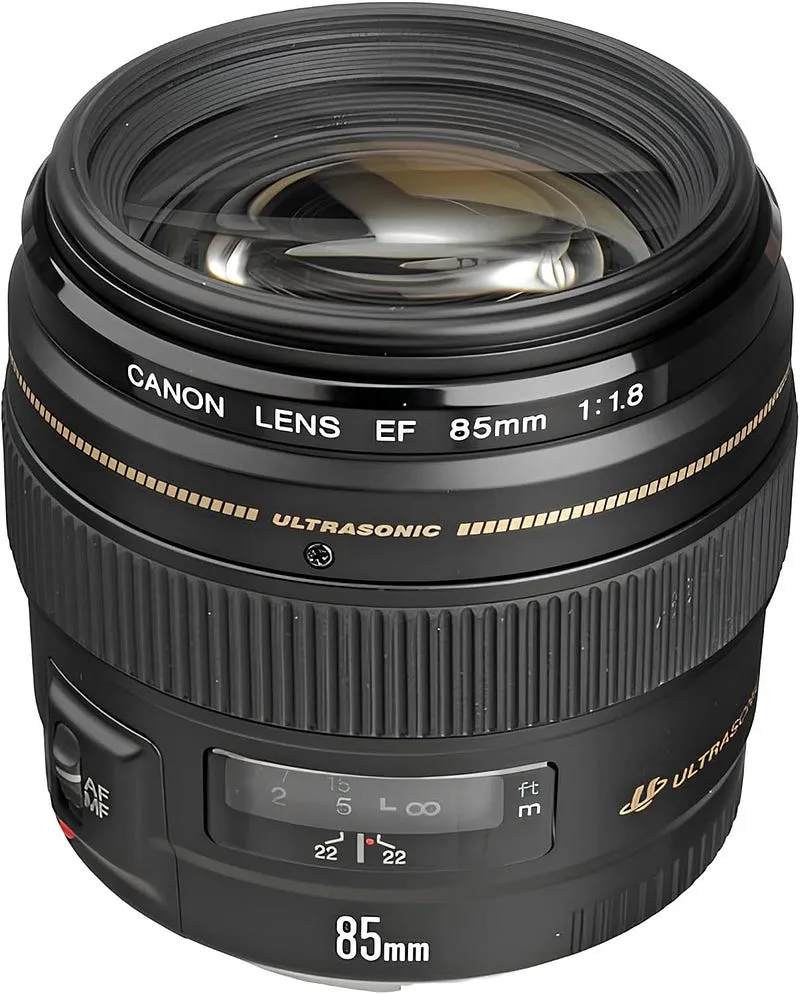
As my passion for portraiture grew, I yearned for even more background separation and that classic, flattering compression that longer focal lengths offer. The Canon EF 85mm f/1.8 USM kept popping up in my research as a fantastic and relatively affordable portrait specialist.
Saving up for it felt like an eternity, but the moment I attached it to my camera, I knew it was worth the wait. The 85mm focal length, especially on my full-frame Canon, was magical. It created a beautiful distance between me and my subject, allowing them to feel more relaxed and natural. The compression of the lens gently softened features, resulting in incredibly flattering portraits. And the f/1.8 aperture? Oh, the bokeh was simply divine — creamy and smooth, making my subjects truly stand out.
One of my most cherished memories with this lens was photographing a dear friend for her maternity shoot. The 85mm beautifully captured her radiant glow, the soft light wrapping around her, with the background melting away into a dreamy blur. The images felt intimate and timeless, and she still treasures them to this day.
Why the Canon EF 85mm f/1.8 USM is a fantastic portrait lens:
- Ideal Portrait Focal Length: The 85mm focal length is widely considered perfect for portraits, offering flattering compression and subject isolation.
- Wide Aperture (f/1.8): Provides excellent bokeh and low-light performance.
- Fast Autofocus (USM): The Ultrasonic Motor ensures quick and accurate focusing, crucial for capturing fleeting expressions.
- Sharp Image Quality: Delivers sharp and detailed images.
- Relatively Affordable: Offers professional-level results without breaking the bank.
The 85mm f/1.8 taught me the power of focal length in shaping a portrait. The compression and the ability to create stunning background blur elevated my portraiture to a new level. It became my go-to lens for capturing individuals and their stories.
The Luxury of Zoom: Canon EF 70–200mm f/2.8L IS III USM — Versatility and Excellence
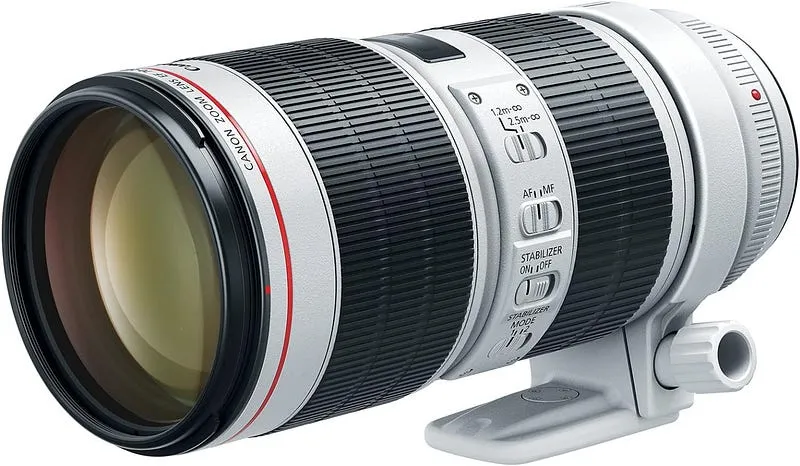
Eventually, my work started involving more dynamic portrait sessions — outdoor shoots with varying distances, events where I needed flexibility, and even some headshot work. That’s when I began to consider the legendary Canon EF 70–200mm f/2.8L IS III USM. This lens is an investment, no doubt, but the sheer versatility and exceptional image quality make it a dream for many professional and serious amateur photographers.
The constant f/2.8 aperture throughout the zoom range is a game-changer, allowing for consistent depth of field and excellent low-light performance at any focal length within the range. The image stabilization (IS) is invaluable for handheld shooting, especially at the longer end of the zoom. And the build quality? It’s built like a tank, ready to withstand the rigors of professional use.
While the 85mm excels at that intimate, close-up portrait, the 70–200mm offers incredible flexibility. You can shoot wider at 70mm for environmental portraits, capturing your subject within their surroundings, or zoom in to 200mm for incredibly compressed and intimate headshots with breathtaking bokeh.
I remember photographing a wedding reception in a dimly lit hall. The 70–200mm allowed me to capture candid portraits of guests, isolating them beautifully from the busy background, even from a distance. The fast autofocus ensured I never missed a key moment.
Why the Canon EF 70–200mm f/2.8L IS III USM is a top-tier portrait lens:
- Versatile Zoom Range (70–200mm): Offers flexibility for various portrait styles, from environmental to tight headshots.
- Constant Wide Aperture (f/2.8): Provides consistent shallow depth of field and excellent low-light performance throughout the zoom range.
- Image Stabilization (IS): Reduces camera shake for sharper handheld shots.
- Exceptional Image Quality: Delivers incredibly sharp, detailed, and contrasty images.
- Fast and Accurate Autofocus (USM): Ensures you capture sharp images of moving subjects.
- Professional-Grade Build Quality: Durable and weather-sealed for demanding shooting conditions.
The 70–200mm f/2.8L opened up new possibilities for my portraiture, offering unparalleled versatility and consistently stunning results in various shooting scenarios. While it’s a significant investment, the quality and flexibility it provides are truly remarkable.
Other Notable Canon Portrait Lenses to Consider:
While the 50mm f/1.8, 85mm f/1.8, and 70–200mm f/2.8L are some of my personal favorites and widely recommended, Canon offers a fantastic range of lenses for portraiture. Here are a few other noteworthy options:
- Canon EF 50mm f/1.4 USM: A step up from the f/1.8, offering even better bokeh and slightly improved sharpness.
- Canon EF 135mm f/2L USM: A legendary portrait lens known for its incredible sharpness, beautiful bokeh, and excellent compression.
- Canon RF 50mm f/1.2L USM & Canon RF 85mm f/1.2L USM: For Canon’s mirrorless RF system, these lenses represent the pinnacle of portraiture, offering stunning image quality and incredibly wide apertures for ultimate bokeh.
- Canon EF-S 35mm f/1.8 IS STM: A great option for crop-sensor cameras, offering a field of view similar to a 56mm lens on a full-frame, which is a versatile focal length for portraits.

Photo by Garin Chadwick on Unsplash

Photo by Michael Dam on Unsplash

Written by
Marien CartelProfessional and Certified Digital Photographer born in the USA, with 22 years of experience in the field of photography.
Related Guides

Best Lens for Panasonic LUMIX S5: (2026 Guide & Reviews)
Unlocking the Cinematic Soul of the L-Mount System. What the Sigma 24–70mm f/2.8 DG DN gets right, what it does not, and who should buy it.

Best Lens for Wide Shots
The Ultimate Guide to the Best Lens for Wide Shots: Field-Tested Review & Personal Experience

Best Lenses for Interior Photography
Best Lenses for Interior Photography. Here is how the Canon R6 Mark II and Canon EOS R6 Mark II compare, and the one I keep going back to.