Best Lenses for Beginners Canon
As an Amazon Associate we earn from qualifying purchases. Some links in this guide are affiliate links — see our affiliate disclosure for details.
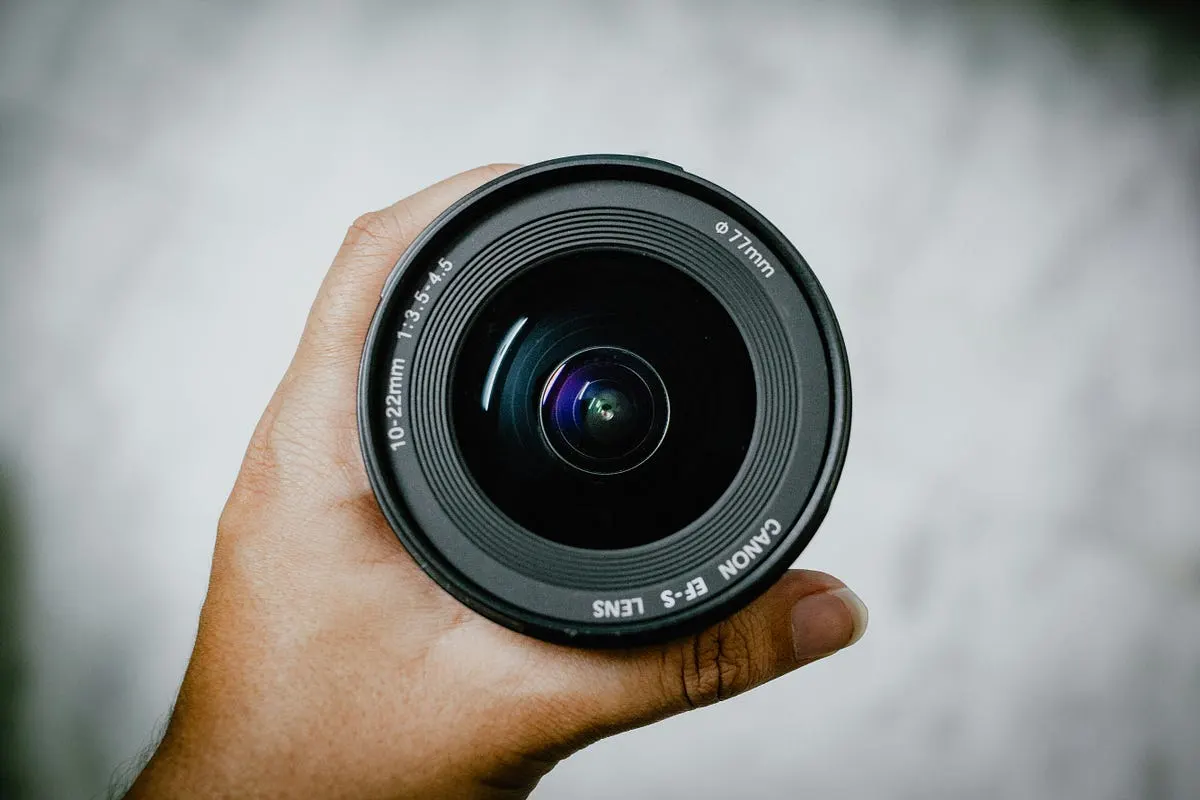
Photo by Vikas Shankarathota on Unsplash
If you’re anything like me, you unboxed your first Canon camera with a mix of overwhelming excitement and sheer terror. That shiny new DSLR or mirrorless body felt like a key to a new world. And then there was its faithful companion: the kit lens. For me, it was the trusty (and let’s be honest, slightly boring) Canon EF-S 18–55mm f/3.5–5.6.
- Canon EF 50mm f/1.8 STM — View on Amazon
- Canon EF-S 24mm f/2.8 STM — View on Amazon
- Canon EF-S 55–250mm f/4–5.6 IS STM — View on Amazon
I took that lens everywhere. It captured birthdays, blurry pet photos, and countless sunset shots that never quite looked like they did in real life. For a year, I was content. But then, a nagging feeling started to grow. My photos looked… fine. But they didn’t look like the stunning, professional images I saw online. They lacked that magical blurry background, they struggled in low light, and they just felt ordinary.
I was ready to quit, blaming my camera and my own lack of talent. Then, a photographer friend asked to see my gear. He chuckled, not unkindly, and said the words that changed everything: “You’ve outgrown your kit lens. It’s not you, it’s your glass.”
That was the day my real photography journey began. If you’re feeling that same frustration, let me save you some time and heartache. Here are the lenses that truly unlocked my potential as a beginner, complete with the story of how each one changed my game.
1. The “Magic Pill” Lens: Canon EF 50mm f/1.8 STM (The Nifty Fifty)
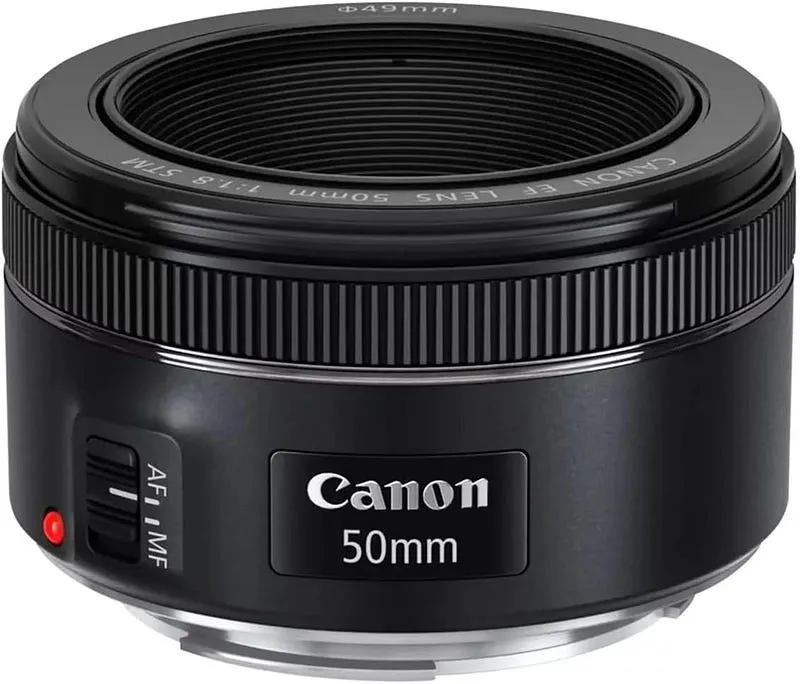
This is, without a doubt, the #1 recommended lens for every Canon beginner for a reason.
I bought this lens for around $125, making it one of the cheapest gear investments I’ve ever made. I slapped it on my camera and went to a family dinner. The results blew my mind. For the first time, I could take photos in my dimly lit house without using the harsh, ugly pop-up flash. My nephew’s face was sharp and clear, while the messy kitchen behind him melted away into a beautiful, buttery blur (that blur is called bokeh, by the way).
Why It’s Great for Beginners:
- Superb Low-Light Performance: The large f/1.8 aperture lets in a ton of light.
- Beautiful Bokeh: Creates professional-looking separation between your subject and background.
- Sharpness: It’s dramatically sharper than any kit lens.
- Lightweight & Affordable: It’s a steal for the quality it delivers.
- The Catch: It’s a prime lens, meaning it doesn’t zoom. You have to “zoom with your feet.” This feels limiting at first but actually teaches you invaluable lessons about composition and moving to find the best shot.
- Get This If: You want to shoot portraits, indoor family events, or details and want that professional “pop” for very little money.
For Mirrorless (EOS R/RP) Users: Get the RF 50mm f/1.8 STM. It’s the exact same incredible value, just designed for the newer mirrorless mount.
Canon EF 50mm f/1.8 STM — View on Amazon
2. The Versatile Upgrade: Canon EF-S 24mm f/2.8 STM Pancake Lens
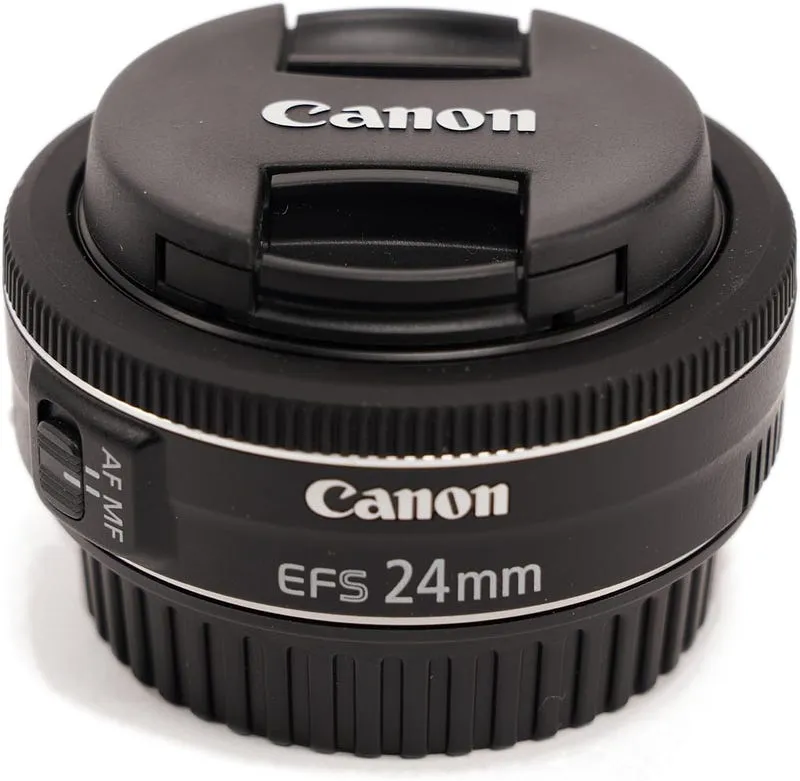
This little pancake lens is so flat it barely adds any size or weight to your camera. It became my favorite walk-around lens.
After the 50mm, I loved the sharpness of prime lenses but found the 50mm too tight on my crop-sensor camera for everyday shooting. The 24mm was the perfect solution. It’s a natural field of view, great for street photography, environmental portraits, travel, and food photos. It lived on my camera because it was so small I could just throw my camera in my bag and go.
Why It’s Great for Beginners:
- Tiny and Discreet: People hardly notice you’re taking photos.
- Wider Angle: Perfect for capturing more of the scene.
- Fast Enough: f/2.8 is still great for lower light than a kit lens.
- Crisp Images: Razor-sharp and full of character.
- The Catch: Again, no zoom. It’s designed for crop-sensor cameras only (like the Rebel series, 70D, 80D, 90D).
- Get This If: You want a lightweight, everyday lens for travel, blogging, vlogging, and street photography.
For Mirrorless Users: Look at the RF 35mm f/1.8 Macro STM. It’s a bit more expensive but offers a similar versatile field of view, has image stabilization, and can even focus super close for macro shots!
Canon EF-S 24mm f/2.8 STM — View on Amazon
3. The Zoom That Doesn’t Quit: Canon EF-S 55–250mm f/4–5.6 IS STM
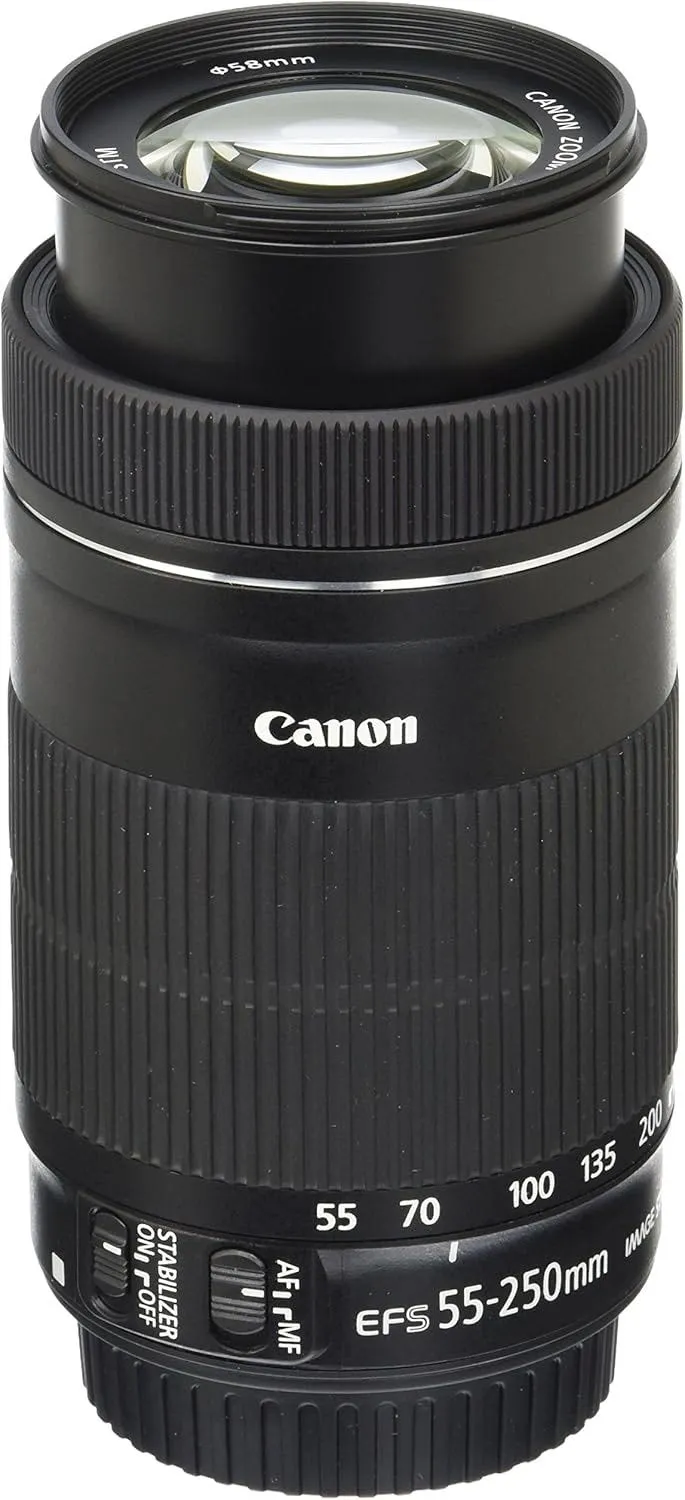
This lens showed me a whole new world I couldn’t see with my own eyes.
- My Story: I was at a zoo, frustrated that I could barely see the animals, let alone photograph them, with my 18–55mm. I rented the 55–250mm and was instantly hooked. I could capture the details of a tiger’s face from 50 yards away, my kid scoring a goal on the soccer field, and birds in my backyard. The Image Stabilization (IS) meant I could shoot at long distances without a tripod.
- Why It’s Great for Beginners:
- Massive Reach: It opens up genres like wildlife, sports, and event photography.
- Excellent Value: It’s an incredibly affordable telephoto zoom.
- Great Quality: The STM motor is quiet and fast, and the optics are surprisingly good.
- The Catch: It’s not great in low light due to the variable aperture, and it’s useless for close-up, wide shots.
- Get This If: You have kids in sports, love traveling to see wildlife, or just want to compress backgrounds and bring distant subjects closer.
For Mirrorless Users: The RF 100–400mm f/5.6–8 IS USM is a fantastic (though more expensive) modern equivalent with even more reach.
Canon EF-S 55–250mm f/4–5.6 IS STM — View on Amazon
The Bottom Line & My Advice
My journey taught me one crucial lesson: Lenses are more important than the camera body. A great lens on a beginner camera will almost always take a better photo than a kit lens on a pro camera.
Don’t make my mistake and get discouraged. Start with the iconic nifty fifty (50mm f/1.8). It will teach you more about photography than any other piece of gear and will inspire you like nothing else. From there, think about what you love to shoot and let that guide your next purchase.
Your kit lens has its place — it’s a great tool for learning what focal lengths you like. But when you’re ready to truly create, not just take, pictures, it’s time to invest in your first piece of real glass.
What was the first lens that changed photography for you? Share your stories in the comments below!
Gear Mentioned Summary:
- For DSLR (APS-C) Beginners: Canon EF 50mm f/1.8 STM, Canon EF-S 24mm f/2.8 STM, Canon EF-S 55–250mm f/4–5.6 IS STM
- For Mirrorless (RF Mount) Beginners: Canon RF 50mm f/1.8 STM, Canon RF 35mm f/1.8 Macro IS STM, Canon RF 100–400mm f/5.6–8 IS USM
Disclaimer: This blog is based on my personal experience and opinions. Some links above may be affiliate links, which help support the blog at no extra cost to you.

Photo by Didi Paul on Unsplash

Photo by Ramin Talebi on Unsplash

Photo by Mink Mingle on Unsplash
Written by
Marien CartelProfessional and Certified Digital Photographer born in the USA, with 22 years of experience in the field of photography.
Related Guides
Best Lens for Panasonic LUMIX S5: (2026 Guide & Reviews)
Unlocking the Cinematic Soul of the L-Mount System. What the Sigma 24–70mm f/2.8 DG DN gets right, what it does not, and who should buy it.

Best Lens for Wide Shots
The Ultimate Guide to the Best Lens for Wide Shots: Field-Tested Review & Personal Experience

Best Lenses for Interior Photography
Best Lenses for Interior Photography. Here is how the Canon R6 Mark II and Canon EOS R6 Mark II compare, and the one I keep going back to.