Best Lenses for Canon EOS C50
As an Amazon Associate we earn from qualifying purchases. Some links in this guide are affiliate links — see our affiliate disclosure for details.
The first major project I ever shot with my Canon EOS C50 was a disaster. Not because of the camera — which performed beautifully — but because of the lens I stubbornly insisted on using. I was filming a short documentary about a local ceramicist, and my adapted photography zoom lens hunted for focus every time her hands moved from the wheel to her tools.
The focus breathing was distractingly bad, and the clickless aperture ring I loved for photos was a nightmare for video. I left that day with a sinking feeling and a card full of barely-usable footage. It was a harsh, expensive lesson: a cinema camera deserves cinema lenses.
- Canon CN-E 18–80mm T4.4 L
- Sigma 18–35mm f/1.8 DC HSM Art
- Canon CN-E Prime 35mm T1.5
- Meike 50mm T2.1 Full Frame Cine Lens
- Canon 24–70mm f/2.8 L II
- Canon RF 15–35mm f/2.8 L IS USM
- Canon RF 50mm f/1.2 L USM
Affiliate note: This post has affiliate links. If you buy through them, I might earn a small commission (at no extra cost). That helps me keep sharing my honest photography experiences, much love if you support!
Why the C50 is Picky
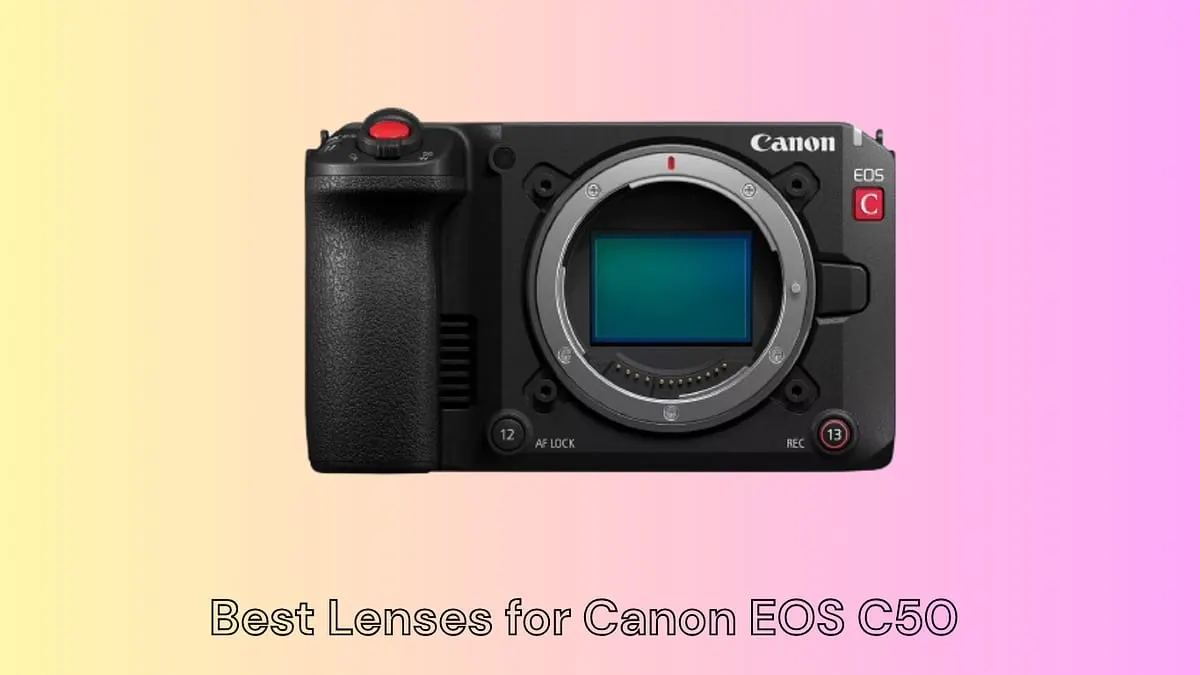
The C50 isn’t just a mirrorless camera in a boxy body. It’s a proper cinema camera with a Super 35mm sensor, Canon’s gorgeous color science, and features like dual native ISO (800/3200) that beg to be used in challenging light. To leverage all of that, you need glass that offers consistent exposure, smooth manual control, and minimal focus breathing. My journey led me to three champions.
1. The Workhorse & My Foundation: Canon CN-E 18–80mm T4.4 L
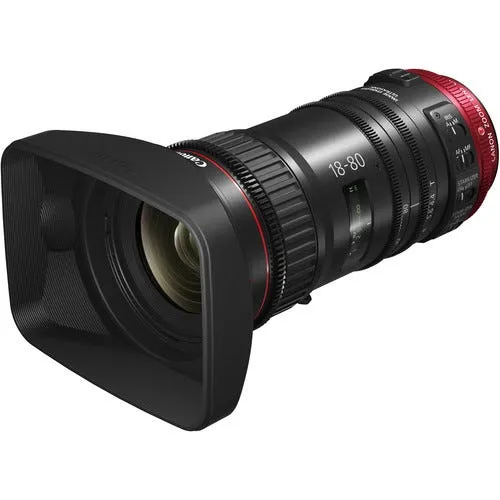
This was the corrective lens to my early failure. The Canon Cine-Servo 18–80mm is almost the spiritual partner to the C50. It’s a parfocal zoom, meaning it doesn’t lose focus when you zoom — a revelation after my photography lens fiasco.
My Story: I used this lens for a week-long project following a chef opening a new restaurant. From tight, wide-aperture shots of herb garnishes (at 80mm) to wide shots of the bustling kitchen (at 18mm), it never left my camera.
The constant T4.4 aperture meant my exposure stayed consistent all day as the light changed. The integrated servo grip allowed for buttery-smooth zoom shots during plating sequences, something impossible with a manual zoom ring. It’s not the fastest lens, but with the C50’s clean 3200 ISO, I never felt limited. This lens doesn’t add “character”; it adds reliability, which is the most valuable character trait on a paid shoot.
Pros:
- Built for the Craft: Parfocal, constant T-stop, geared rings for follow focus. It makes you work like a cinematographer.
- Integrated Servo Zoom: A game-changer for solo shooters. Smooth, slow zooms are possible with one hand.
- Optical Stabilization: Invaluable for handheld or bumpy slider shots.
- Sharp & Neutral: Provides a clean, professional look that’s a perfect starting point for grading.
Cons:
- Price: It’s a significant investment, often costing more than the C50 body itself.
- Weight & Size: It balances well on the camera but adds considerable bulk to your kit.
- T4.4 Aperture: Not the fastest. You’ll need light or higher ISO in low-light situations.
- “Character-Lite”: It’s almost too perfect sometimes, lacking the distinct flair of older glass.
2. The Low-Light Magician: Sigma 18–35mm f/1.8 DC HSM ART
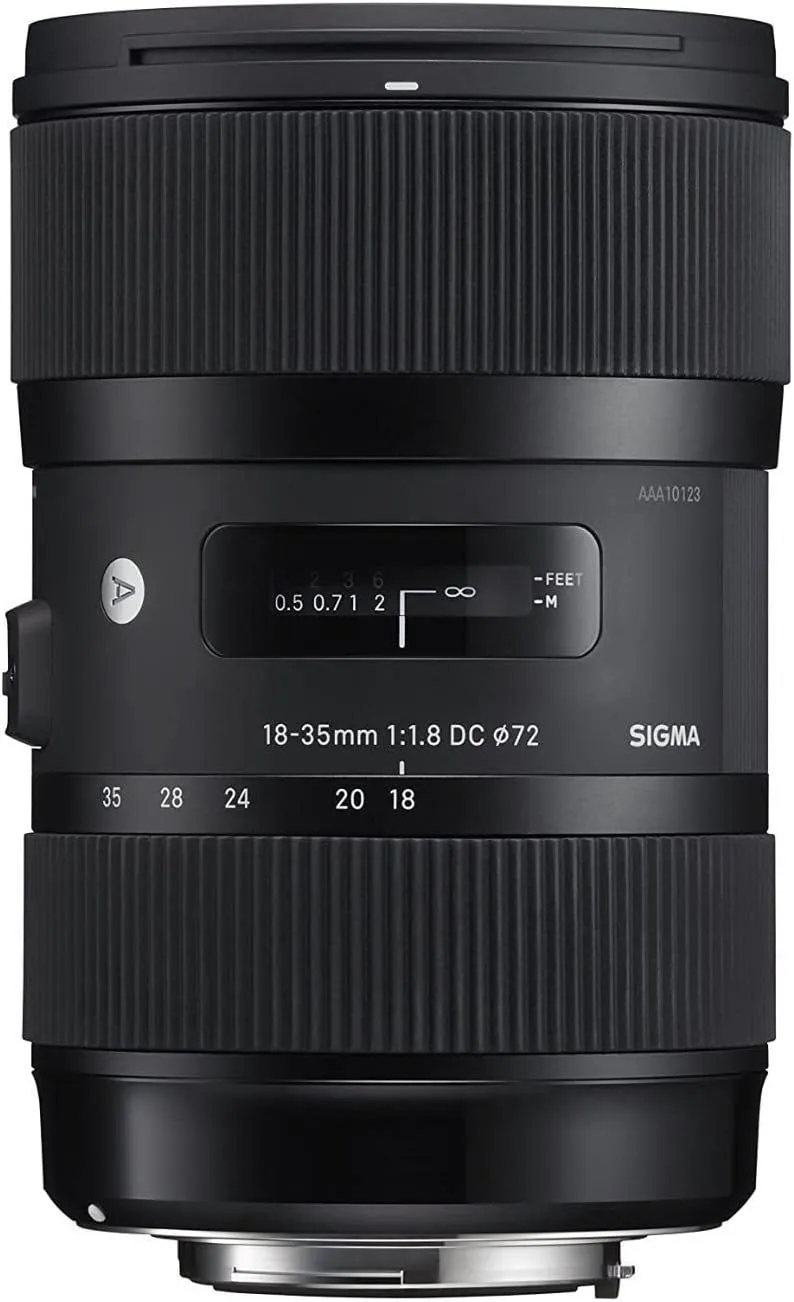
Sometimes, you need speed. For run-and-gun events, weddings, or moody narrative work, the Sigma 18–35mm is a miracle worker. Adapted via the Canon Control Ring Mount Adapter, it retains autofocus (which, while not cinema-grade, is useful for solo shooting) and communicates flawlessly.
My Story: I was hired to film a surprise proposal in a dimly lit, candle-filled speakeasy. No extra lights were allowed. I slapped the Sigma on my C50, opened up to f/1.8, set the ISO to 3200, and the camera saw more than my own eyes could.
The moment was captured in stunning, clean detail. The depth of field was razor-thin, directing all attention to the couple’s emotional expressions. This lens-and-camera combo saved the shoot and delivered some of the most cinematic images I’ve ever captured.
Pros:
- Blazing Fast Aperture: f/1.8 across the zoom range is incredible for low light and shallow depth-of-field.
- Extreme Sharpness: Razor-sharp even wide open, which is rare.
- Great Value: Delivers premium image quality for a fraction of a true cinema lens price.
- Compact & Light: Easy to pack as a backup or specialty lens.
Cons:
- Stills Lens Quirks: Focus breathing, short focus throw, and non-declicked aperture (without mods).
- Adaptation Required: Requires the EF-to-RF adapter, adding a point of failure.
- No Stabilization: All camera shake is yours to manage.
- Plastic Build: Doesn’t feel as rugged as cinema-built lenses for run-and-gun doc work.
3. The Budget Character Actor: Tokina 11–16mm f/2.8 AT-X116 Pro DX II
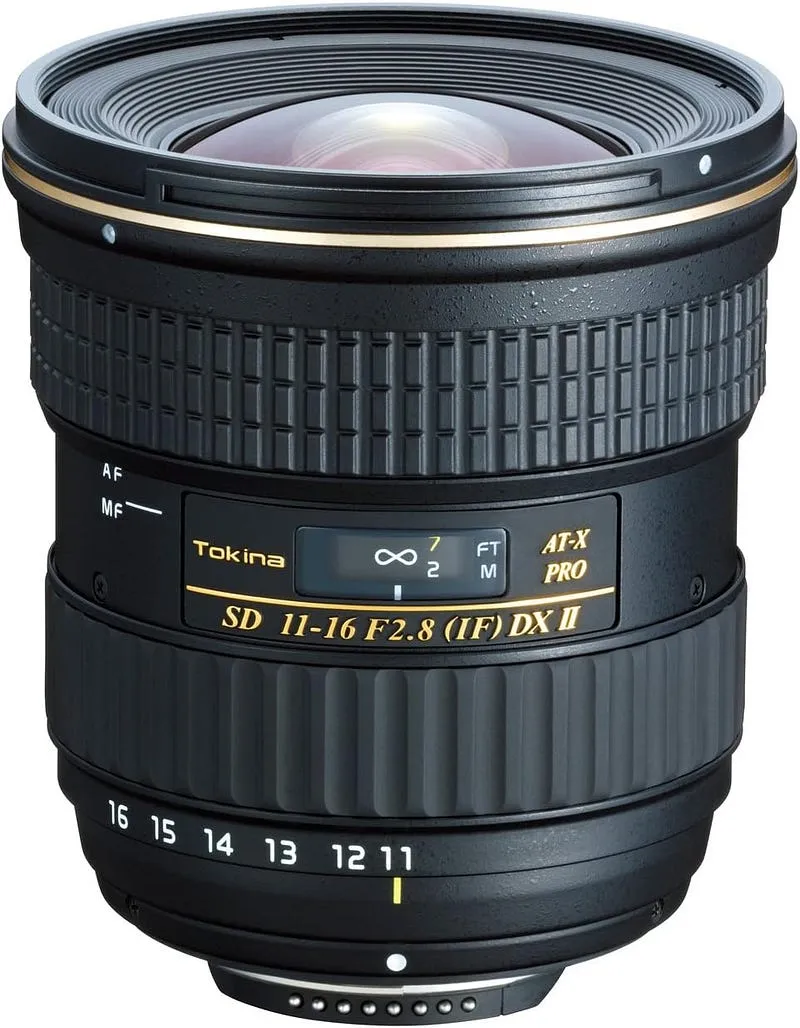
Wait, a vintage crop-sensor lens? Absolutely. This is my secret weapon for dynamic, wide-angle storytelling. Found for a song on the used market, it requires a simple EF-RF adapter.
My Story: For a documentary about urban skateboarders, I needed a lens that could exaggerate perspective, make small spaces feel epic, and keep everything in sharp focus during complex moves. The Tokina 11–16mm delivered that gritty, immersive, “in-the-action” feel. At 11mm, it creates a dramatic, engaging wide shot without the typical distortion of cheaper ultra-wides. It’s not a lens for every scene, but for establishing shots, tight interiors, or creative POVs, it adds a unique texture that primes can’t match.
The Adapter is Your Best Friend
A crucial part of my kit is the Canon Mount Adapter EF-EOS R. It’s not just a spacer; it’s a key. It unlocks the entire world of legendary, affordable EF and EF-S glass. For the C50 shooter, it’s non-negotiable. It turns the Sigma 18–35mm and lenses like the Canon 24–105mm f/4 into powerful options.
My Final Takeaway: Build for Your Stories
My kit now looks like this:
- Canon CN-E 18–80mm T4.4: My default. For interviews, corporate work, and any project where reliability is king.
- Sigma 18–35mm f/1.8: For low-light events, creative narrative bokeh, and when I need a lightweight run-and-gun setup.
- Tokina 11–16mm f/2.8: For when I need to create scale, energy, or a distinctive wide-angle look.
The journey from that failed ceramics shoot to a confident toolkit taught me that lenses aren’t just optics; they’re storytelling partners. The C50 is a capable and forgiving canvas, but the lenses are the brushes. Choose the ones that fit the stories you most want to paint.
What’s in your C50 kit bag? Share your own lens adventures and hard-won lessons in the comments below!
Written by
Marien CartelProfessional and Certified Digital Photographer born in the USA, with 22 years of experience in the field of photography.
Related Guides
Best Lens for Panasonic LUMIX S5: (2026 Guide & Reviews)
Unlocking the Cinematic Soul of the L-Mount System. What the Sigma 24–70mm f/2.8 DG DN gets right, what it does not, and who should buy it.

Best Lens for Wide Shots
The Ultimate Guide to the Best Lens for Wide Shots: Field-Tested Review & Personal Experience

Best Lenses for Interior Photography
Best Lenses for Interior Photography. Here is how the Canon R6 Mark II and Canon EOS R6 Mark II compare, and the one I keep going back to.