Best Lenses for Event Photography Canon
As an Amazon Associate we earn from qualifying purchases. Some links in this guide are affiliate links — see our affiliate disclosure for details.
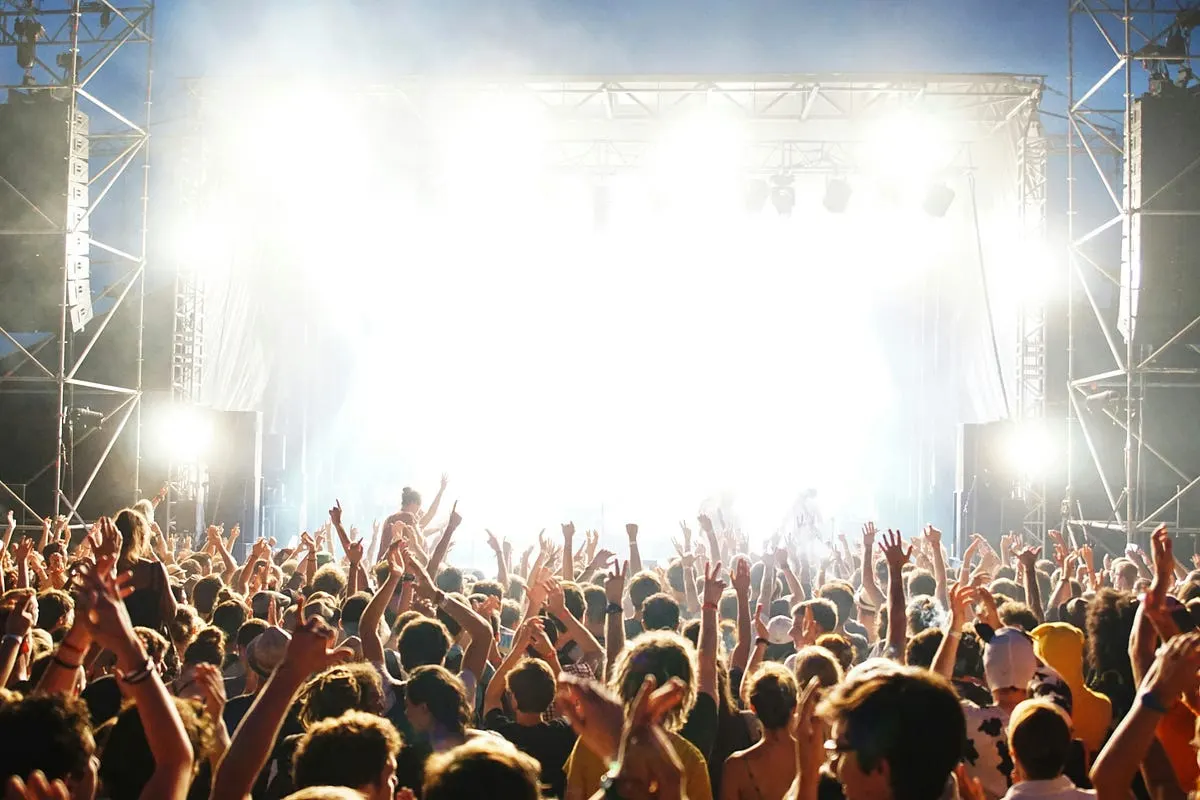
As an event photographer, I’ve learned that the right lens can make or break your shots. Over the years, I’ve experimented with various Canon lenses, from budget-friendly primes to high-end zooms, and today, I want to share my experiences to help you choose the best glass for your event photography needs.
Whether you’re shooting weddings, corporate gatherings, or birthday parties, having the right lenses ensures you capture every moment with clarity, depth, and emotion. Here are my top picks, along with personal stories of how they’ve saved (or sometimes failed) my shoots.
1. Canon EF 24–70mm f/2.8L II USM — The Ultimate Workhorse
Best for: Versatility, low light, and sharpness
My Experience:
I remember shooting a high-energy wedding reception where the lighting was dim, and the dance floor was packed. Switching between wide-angle group shots and tight portraits was a nightmare until I started using the 24–70mm f/2.8L II.
This lens is a beast — sharp across the frame, fast autofocus, and a flexible zoom range. I could capture the couple’s first dance at 70mm f/2.8 and quickly zoom out to 24mm for crowd reactions without changing lenses.
Pros:
✔️ Razor-sharp even at f/2.8
✔️ Perfect for portraits and group shots
✔️ Reliable in low light
Cons:
❌ Heavy (but worth it)
❌ No image stabilization (not a dealbreaker with good technique)
Verdict: If you can only afford one lens, this should be it.
2. Canon EF 70–200mm f/2.8L IS III USM — The King of Reach & Compression
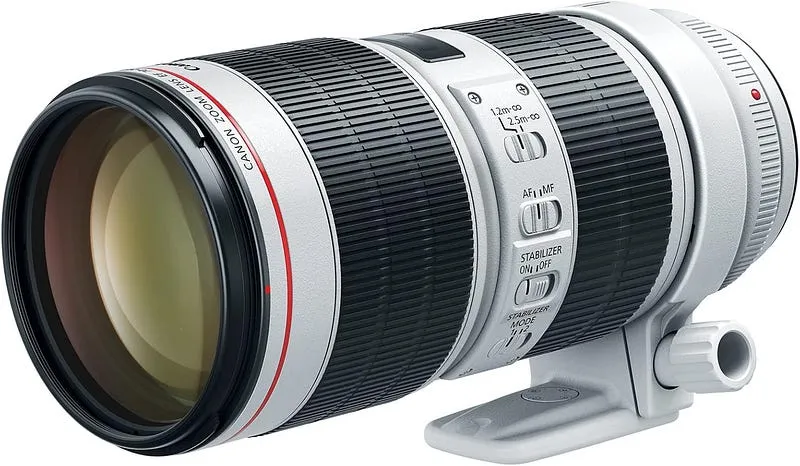
Best for: Ceremonies, speeches, and candid moments
My Experience:
At a corporate gala, I was positioned at the back of the room while the CEO gave a keynote speech. The 70–200mm f/2.8L IS III allowed me to capture tight, intimate shots without intruding. The image stabilization was a lifesaver when shooting handheld in low light.
I also love using this lens for wedding ceremonies, especially in churches where you can’t get too close. The creamy bokeh at 200mm f/2.8 makes subjects pop beautifully.
Pros:
✔️ Superb compression and bokeh
✔️ Excellent IS for handheld shots
✔️ Tack-sharp even at f/2.8
Cons:
❌ Bulky — not ideal for all-day handheld use
❌ Requires space to zoom
Verdict: A must-have for ceremonies and staged events.
3. Canon EF 50mm f/1.2L USM — The Magical Portrait Lens
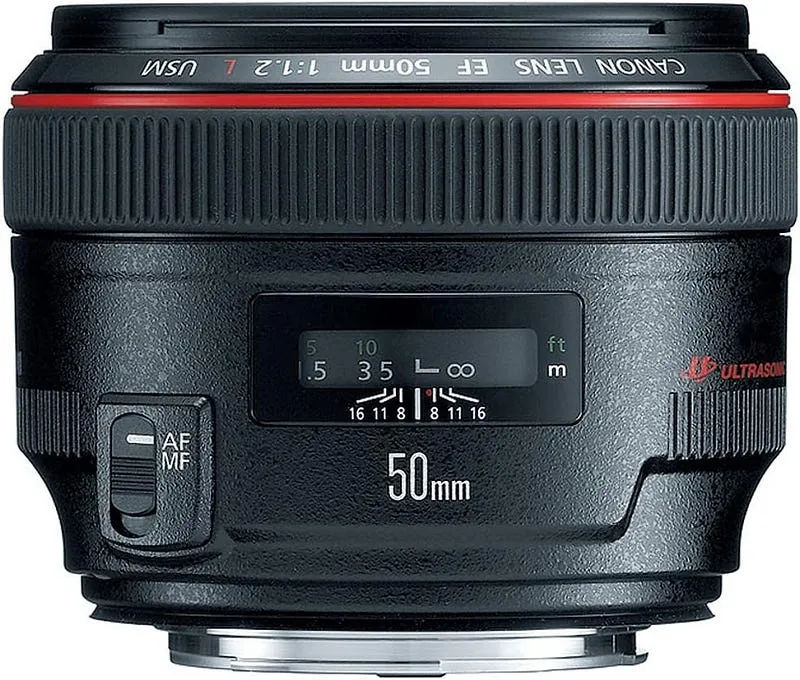
Best for: Dreamy portraits and low-light heroics
My Experience:
During a dimly lit cocktail hour, I switched to the 50mm f/1.2L and was blown away by its ability to pull light out of nowhere. The ultra-shallow depth of field created stunning portraits with a 3D pop effect.
However, the autofocus can be finicky at f/1.2. Once, I missed a crucial kiss shot because the focus shifted slightly. Lesson learned: stop down to f/1.4 or f/1.8 for reliability.
Pros:
✔️ Gorgeous bokeh and “dreamy” look
✔️ Excellent in extreme low light
✔️ Lightweight compared to zooms
Cons:
❌ Soft wide open (needs careful focusing)
❌ Not ideal for fast-moving subjects
Verdict: Perfect for artistic portraits but requires practice.
4. Canon EF 16–35mm f/2.8L III USM — The Wide-Angle Champion
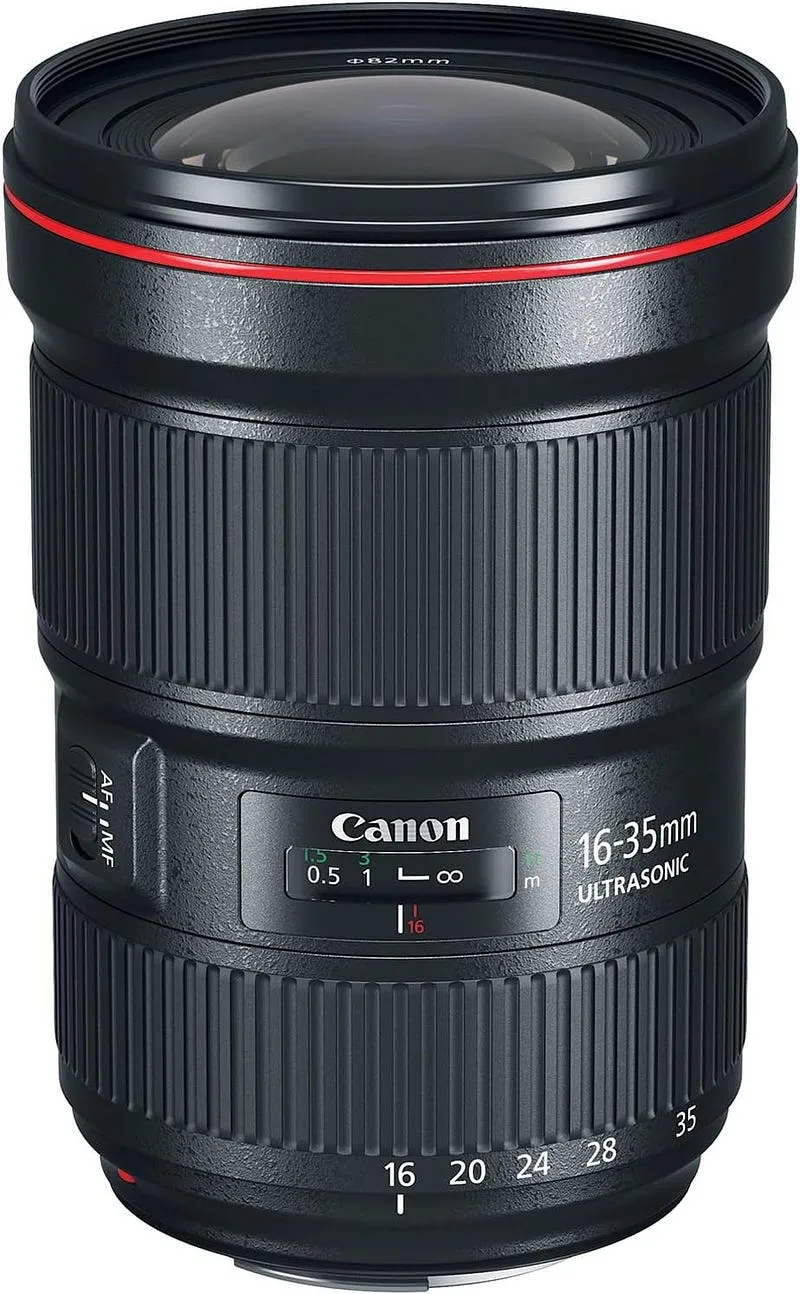
Best for: Grand ballrooms, architecture, and dramatic shots
My Experience:
At a luxury wedding in a cathedral, the 16–35mm f/2.8L III helped me capture the grandeur of the venue. Wide-angle shots of the aisle, dancing crowds, and towering ceilings looked breathtaking.
But beware of distortion at 16mm — I once accidentally made the bride’s dress look wider than it was (she wasn’t thrilled). Now, I keep it at 24mm+ for flattering compositions.
Pros:
✔️ Stunning wide-angle perspectives
✔️ Great for environmental portraits
✔️ Sharp even at f/2.8
Cons:
❌ Distortion at the widest end
❌ Not ideal for close-up portraits
Verdict: Essential for venue shots but use carefully.
5. Canon EF 85mm f/1.4L IS USM — The Flawless Portrait Lens
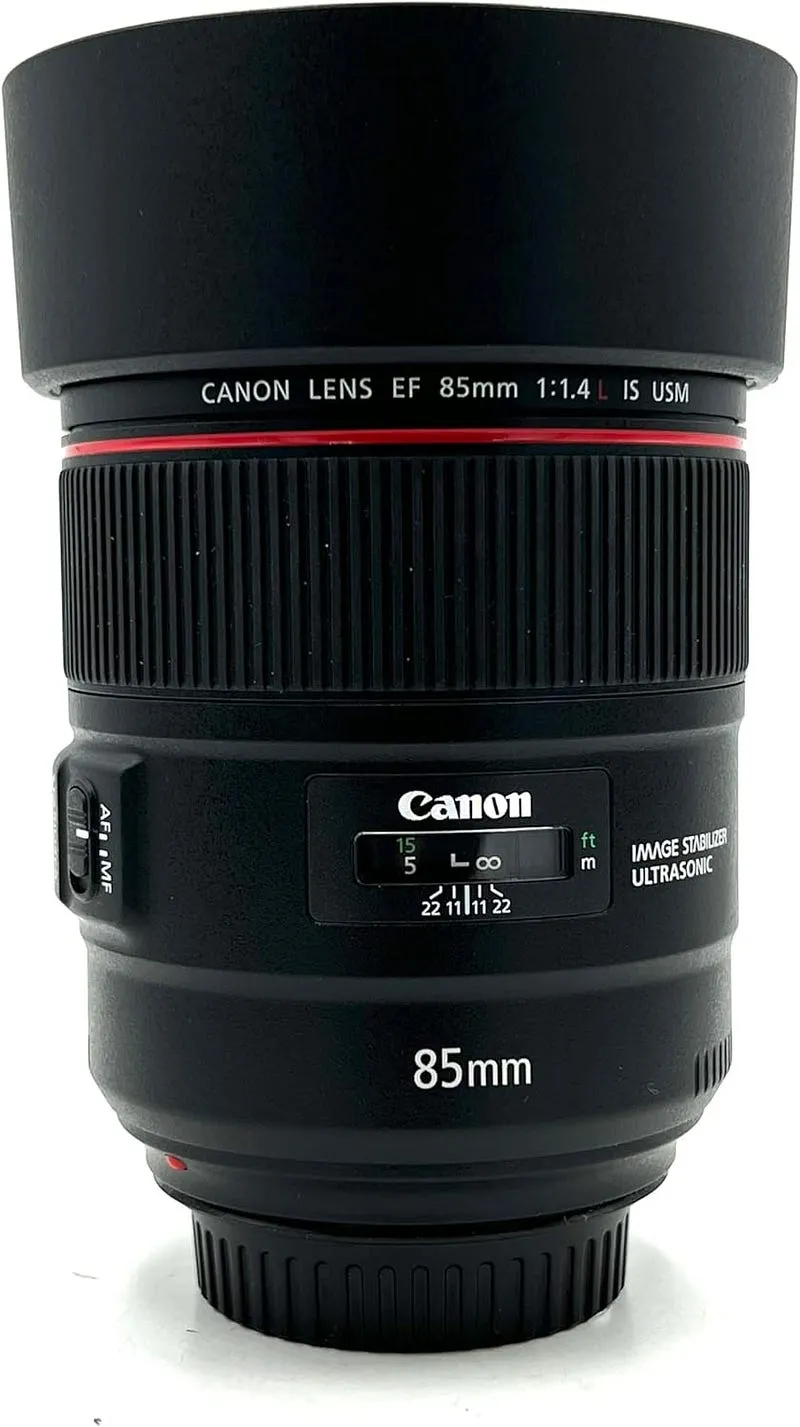
Best for: Bride & groom portraits, headshots
My Experience:
The 85mm f/1.4L IS is my secret weapon for wedding portraits. The combination of flattering compression, creamy bokeh, and image stabilization makes it unbeatable.
At an outdoor wedding, the sun was setting, and I had no time for flash. This lens delivered stunningly sharp, well-exposed shots even in fading light.
Pros:
✔️ Perfect portrait focal length
✔️ IS for handheld shooting
✔️ Beautiful skin tones and contrast
Cons:
❌ Slightly expensive
❌ Limited use outside portraits
Verdict: If you shoot weddings, this lens is worth every penny.
Bonus: Affordable Alternative — Canon EF 24–105mm f/4L IS II
Best for: Travel, hybrid shooting, and budget-conscious photographers
My Experience:
When I started event photography, I couldn’t afford the 24–70mm f/2.8, so I used the 24–105mm f/4L IS II. The extra reach and IS helped, but f/4 was limiting in dark venues. Still, for well-lit corporate events, it’s a solid all-rounder.
Verdict: Great for beginners but upgrade when possible.
Final Thoughts: My Event Photography Kit Today
After years of trial and error, my go-to setup is:
- Canon 24–70mm f/2.8L II (90% of my shots)
- Canon 70–200mm f/2.8L IS III (ceremonies & speeches)
- Canon 50mm f/1.2L or 85mm f/1.4L (portraits)
If I had to pick just two? 24–70mm + 70–200mm.
What’s Your Favorite Event Photography Lens?
I’d love to hear your experiences! Drop a comment below with your go-to Canon lens for events.
Happy shooting!
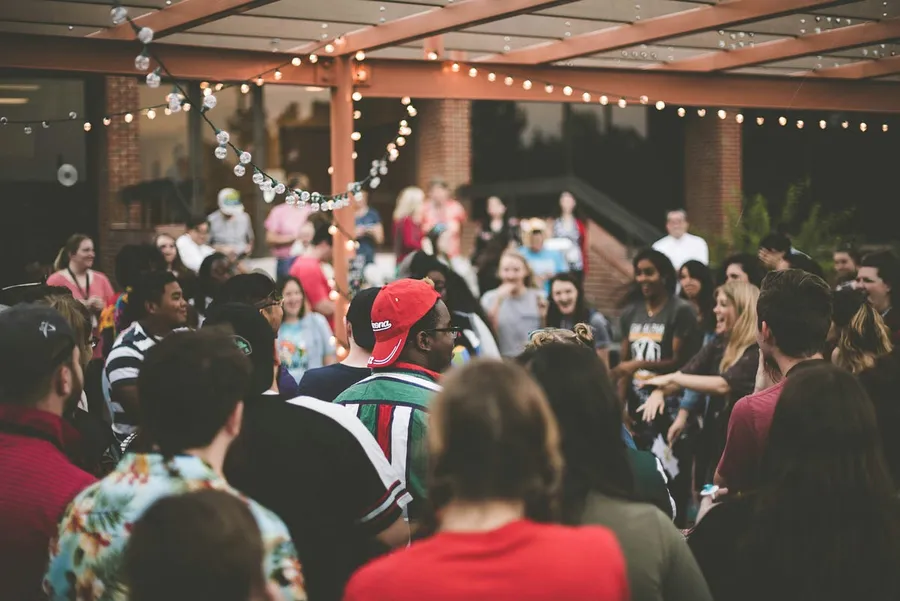
Photo by Samantha Gades on Unsplash
Photo by Hoyoun Lee on Unsplash
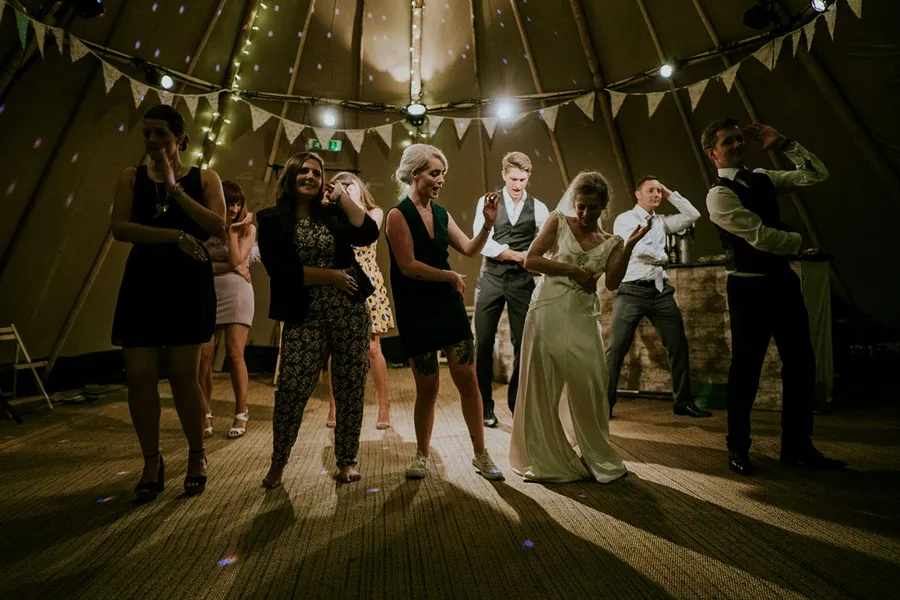
Photo by Mitchell Orr on Unsplash
Written by
Marien CartelProfessional and Certified Digital Photographer born in the USA, with 22 years of experience in the field of photography.
Related Guides
Best Lens for Panasonic LUMIX S5: (2026 Guide & Reviews)
Unlocking the Cinematic Soul of the L-Mount System. What the Sigma 24–70mm f/2.8 DG DN gets right, what it does not, and who should buy it.
Best Lens for Wide Shots
The Ultimate Guide to the Best Lens for Wide Shots: Field-Tested Review & Personal Experience
Best Lenses for Interior Photography
Best Lenses for Interior Photography. Here is how the Canon R6 Mark II and Canon EOS R6 Mark II compare, and the one I keep going back to.