Best Lenses for Low Light Photography

As an Amazon Associate we earn from qualifying purchases. Some links in this guide are affiliate links — see our affiliate disclosure for details.
Low-light photography can be both challenging and rewarding. Whether you’re shooting a dimly lit concert, a cozy candlelit dinner, or the Milky Way under a starry sky, having the right lens makes all the difference. After years of trial and error, I’ve discovered some incredible lenses that excel in low-light conditions — and I’d love to share my experiences with you.
My First Low-Light Struggle
A few years ago, I was invited to photograph a friend’s intimate wedding reception in a rustic barn. The venue had soft, warm lighting — beautiful to the eye but a nightmare for my camera. I was using a kit lens (an f/3.5–5.6 zoom) and quickly realized my mistake. My shots were either grainy from high ISO or blurry from slow shutter speeds.
That night, I learned a hard lesson: aperture matters. A fast lens (one with a wide maximum aperture like f/1.4 or f/1.8) lets in more light, allowing for sharper, cleaner images in dark environments.
Since then, I’ve tested multiple lenses in low-light scenarios, and here are my top recommendations.
What Makes a Lens Great for Low Light?
Before we dive into the list, let’s quickly define what we’re looking for:
- Wide Maximum Aperture: This is the f-number (e.g., f/1.4,f/1.8,f/2.8). The smaller the number, the more light the lens lets in. An f/1.4 lens lets in four times more light than an f/2.8 lens!
- Image Stabilization (IS/VR/VC/OIS): This technology, built into the lens or camera body, counteracts camera shake. It allows you to shoot handheld at much slower shutter speeds without getting motion blur — a lifesaver for static scenes.
- Excellent Autofocus: In the dark, cameras struggle to focus. A lens with a fast, accurate autofocus motor can be the difference between a sharp shot and a missed moment.
Best Low-Light Lenses for Different Needs
1. Prime Lenses (Best for Sharpness & Background Blur)
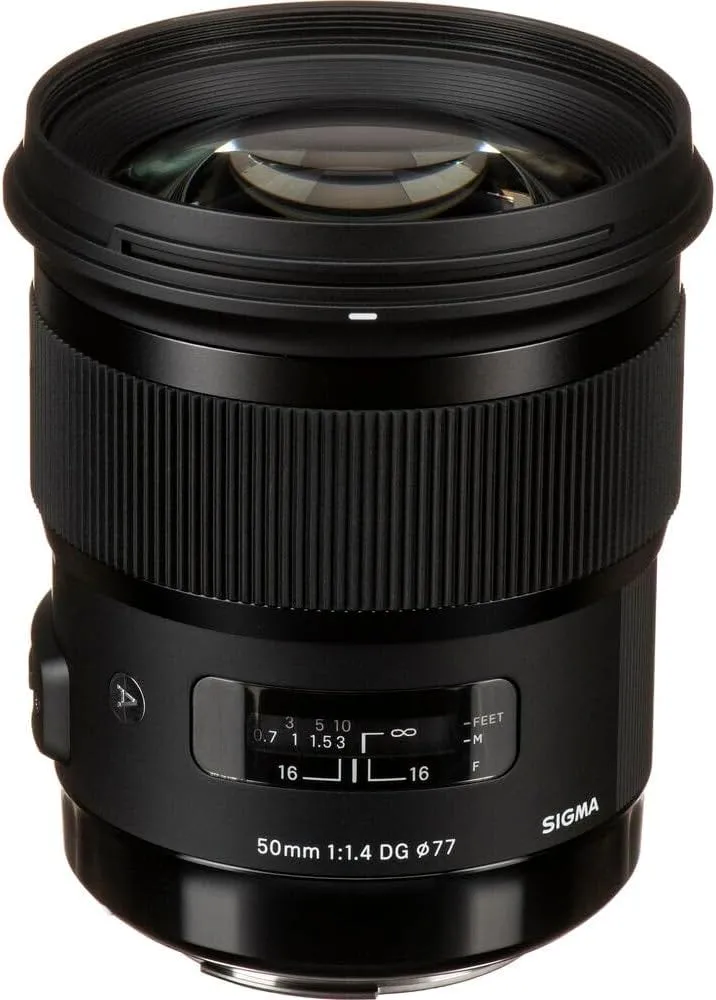
a) 50mm f/1.4 or f/1.8 (Budget-Friendly & Versatile)
- Why I Love It: My first upgrade was a 50mm f/1.8 — affordable and game-changing. The wide aperture made indoor portraits and dimly lit street photography so much easier.
- Best For: Portraits, events, everyday low-light shooting.
Top Picks:
- Canon EF 50mm f/1.8 STM (Great for beginners)
- Sigma 50mm f/1.4 DG HSM Art (Sharper, pro-level option)
b) 35mm f/1.4 (Wider & More Flexible)
- Why I Love It: When I shot a jazz concert in a tight venue, my 35mm f/1.4 saved me. The wider angle allowed for more context in the frame while still performing amazingly in low light.
- Best For: Concerts, street photography, environmental portraits.
Top Picks:
- Sony FE 35mm f/1.4 GM (For mirrorless shooters)
- Sigma 35mm f/1.4 DG HSM Art (DSLR favorite)
2. Fast Zoom Lenses (Best for Flexibility)
24–70mm f/2.8 (The All-Rounder)
- Why I Love It: At a destination wedding in a poorly lit chapel, my 24–70mm f/2.8 was a lifesaver. It’s not as fast as a prime, but the flexibility of zoom + decent low-light performance was perfect.
- Best For: Weddings, events, travel photography.
Top Picks:
- Tamron SP 24–70mm f/2.8 Di VC USD G2 (Great value)
- Nikon NIKKOR Z 24–70mm f/2.8 S (For mirrorless)
3. Ultra-Wide for Astrophotography
14mm f/1.8 or 20mm f/1.4 (For Starry Skies)
- Why I Love It: On a solo camping trip, I tried astrophotography for the first time. My 20mm f/1.4 captured the Milky Way with stunning clarity — something my old kit lens could never do.
- Best For: Nightscapes, Milky Way, Northern Lights.
Top Picks:
- Rokinon 14mm f/2.8 (Budget astro lens)
- Sigma 20mm f/1.4 DG HSM Art (My personal favorite)
Final Thoughts
Investing in a fast lens transformed my low-light photography. If you’re just starting, a 50mm f/1.8 is the most affordable entry point. For professionals, a 35mm f/1.4 or 24–70mm f/2.8 offers versatility. And if you love astrophotography, don’t skip an ultra-wide like the 20mm f/1.4.
What’s your go-to low-light lens? Share your experiences in the comments!
Happy shooting in the dark!
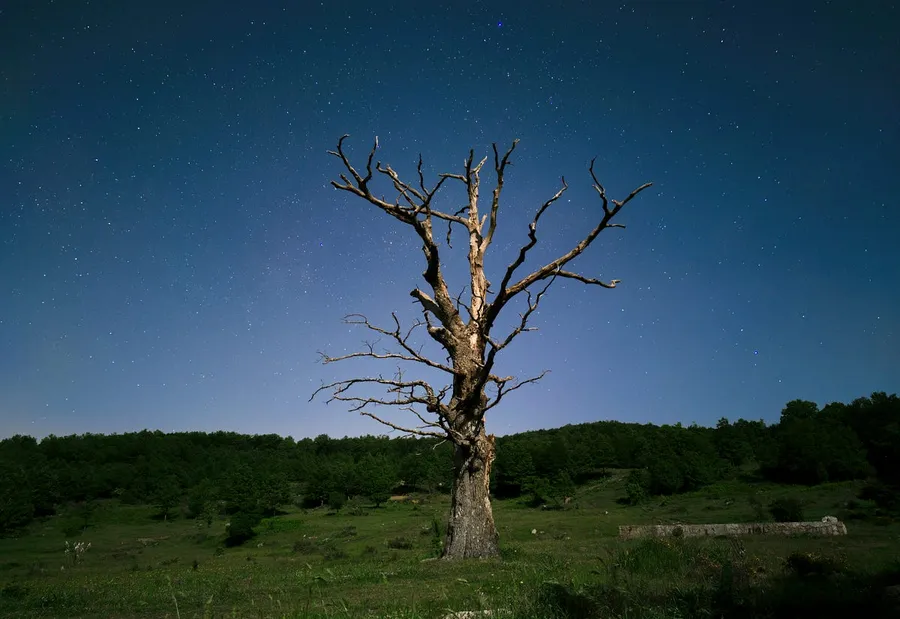
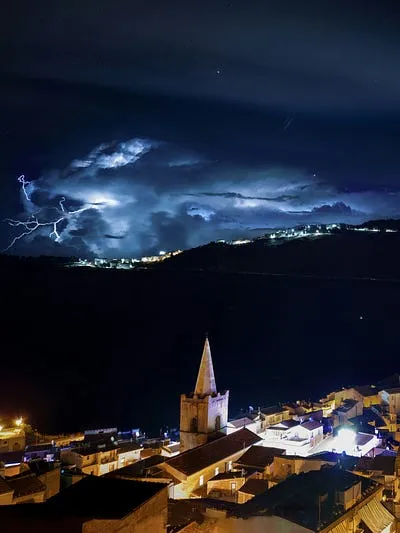
Photo by Giuseppe Famiani on Unsplash

Written by
Marien CartelProfessional and Certified Digital Photographer born in the USA, with 22 years of experience in the field of photography.
Related Guides
Best Lens for Panasonic LUMIX S5: (2026 Guide & Reviews)
Unlocking the Cinematic Soul of the L-Mount System. What the Sigma 24–70mm f/2.8 DG DN gets right, what it does not, and who should buy it.
Best Lens for Wide Shots
The Ultimate Guide to the Best Lens for Wide Shots: Field-Tested Review & Personal Experience

Best Lenses for Interior Photography
Best Lenses for Interior Photography. Here is how the Canon R6 Mark II and Canon EOS R6 Mark II compare, and the one I keep going back to.