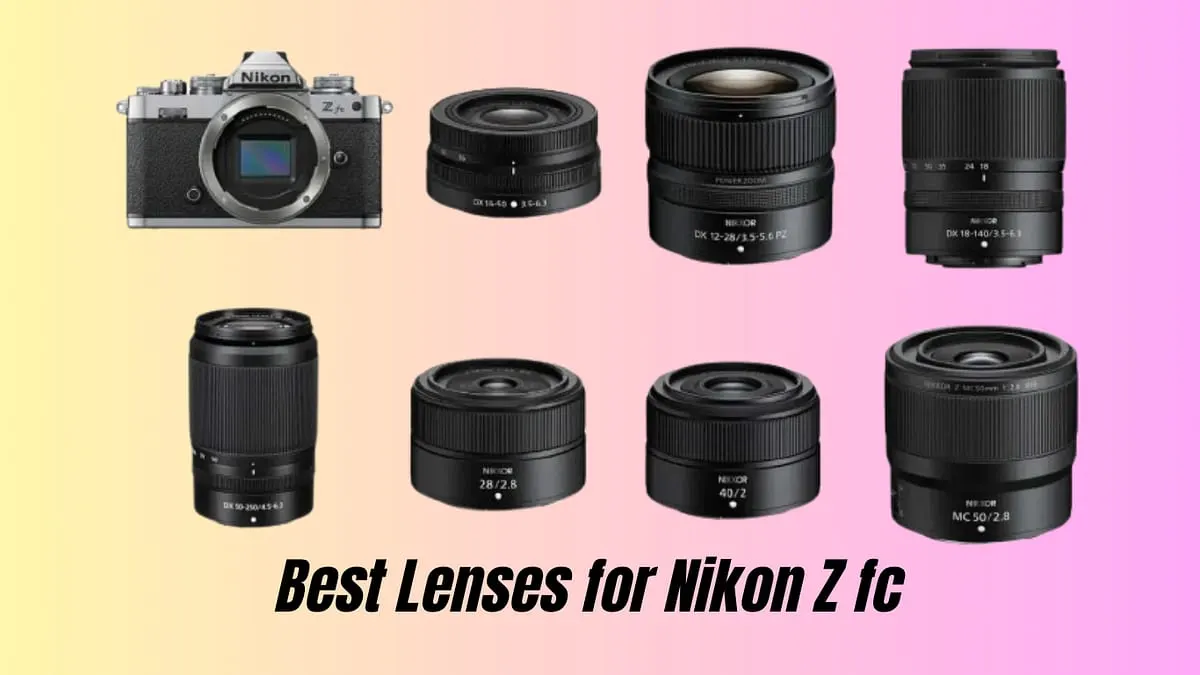
Best Lenses for Nikon Z fc
As an Amazon Associate we earn from qualifying purchases. Some links in this guide are affiliate links — see our affiliate disclosure for details.
When I first got my hands on the Nikon Z fc, I was instantly drawn to its retro design — it reminded me of classic film cameras but packed with modern mirrorless technology. However, to truly unlock its potential, I needed the right lenses. After months of testing, here are my top picks, along with my personal experiences.
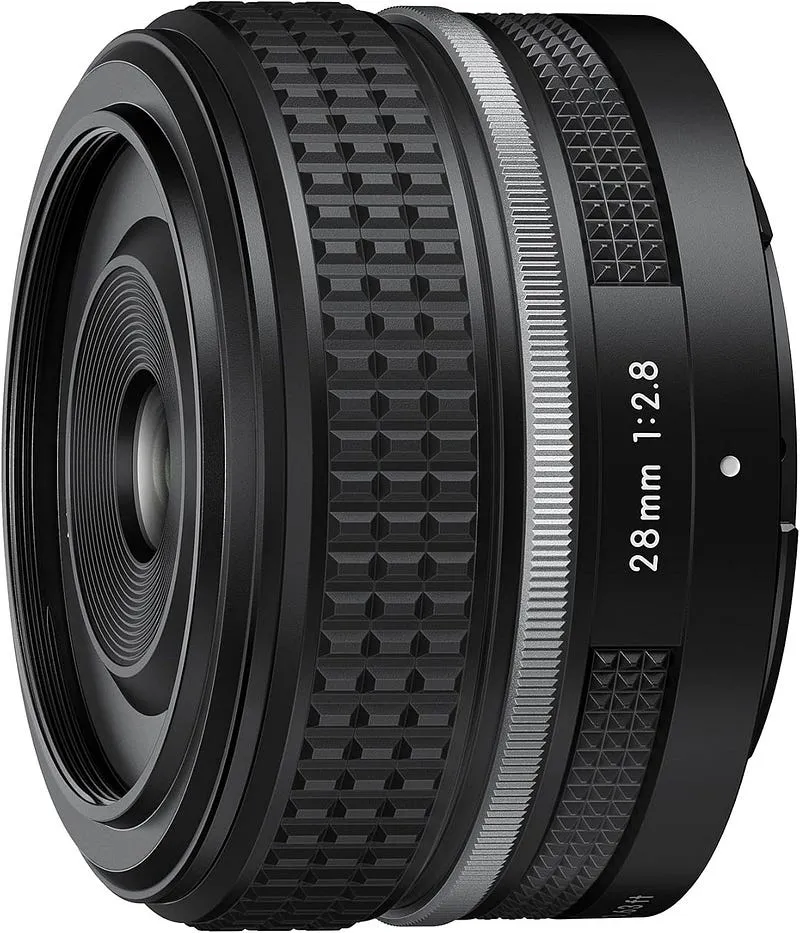
1. Nikon Z 28mm f/2.8 (SE) — The Perfect Match
Why I Love It:
This lens was practically made for the Z fc. Its sleek, vintage design complements the camera’s aesthetics, and the 28mm focal length (42mm full-frame equivalent) is perfect for everyday shooting — street photography, travel, and casual portraits.
My Experience:
I took this lens on a weekend trip to the city, and it was a joy to use. The compact size made it easy to carry, and the images had a natural, slightly wide perspective that worked great for urban scenes. The autofocus is quick and silent, making it ideal for both photos and videos.
Best For: Everyday carry, street photography, vlogging.
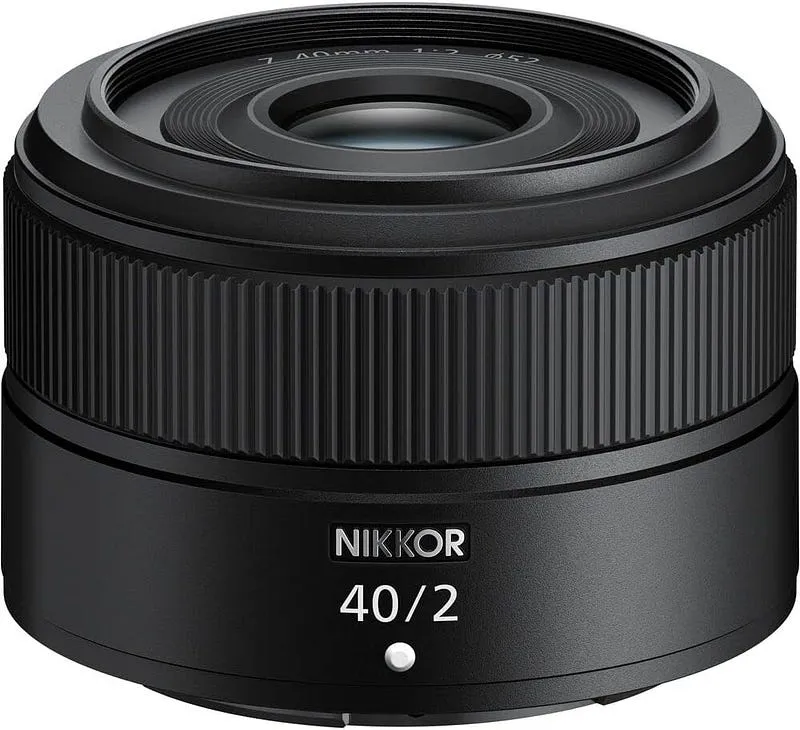
2. Nikon Z 40mm f/2 — Affordable & Versatile
Why I Love It:
If you want a fast prime without breaking the bank, this is it. The 40mm (60mm equivalent) is a sweet spot for portraits and general use, and the f/2 aperture delivers nice bokeh.
My Experience:
I used this lens for a casual portrait session with friends, and the results were stunning. The background separation was smooth, and the sharpness was impressive for the price. It’s also lightweight, making it a great alternative to bulkier lenses.
Best For: Portraits, low-light shooting, travel.
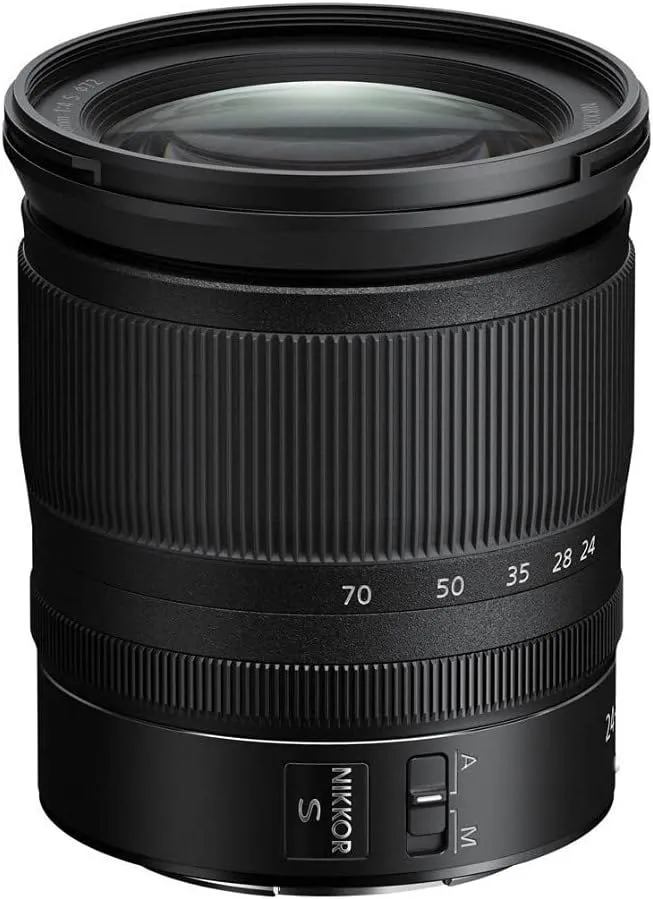
3. Nikon Z 24–70mm f/4 S — The All-Rounder
Why I Love It:
If you need one lens to do it all, this is a fantastic choice. The 24–70mm range covers wide-angle to short telephoto, and the f/4 aperture keeps it compact.
My Experience:
I took this lens on a hiking trip, and it handled everything — from sweeping landscapes to close-up details. The image stabilization paired with the Z fc’s IBIS made handheld shots incredibly steady.
Best For: Travel, landscapes, everyday versatility.
4. Viltrox 23mm f/1.4 (APS-C) — Budget-Friendly & Fast
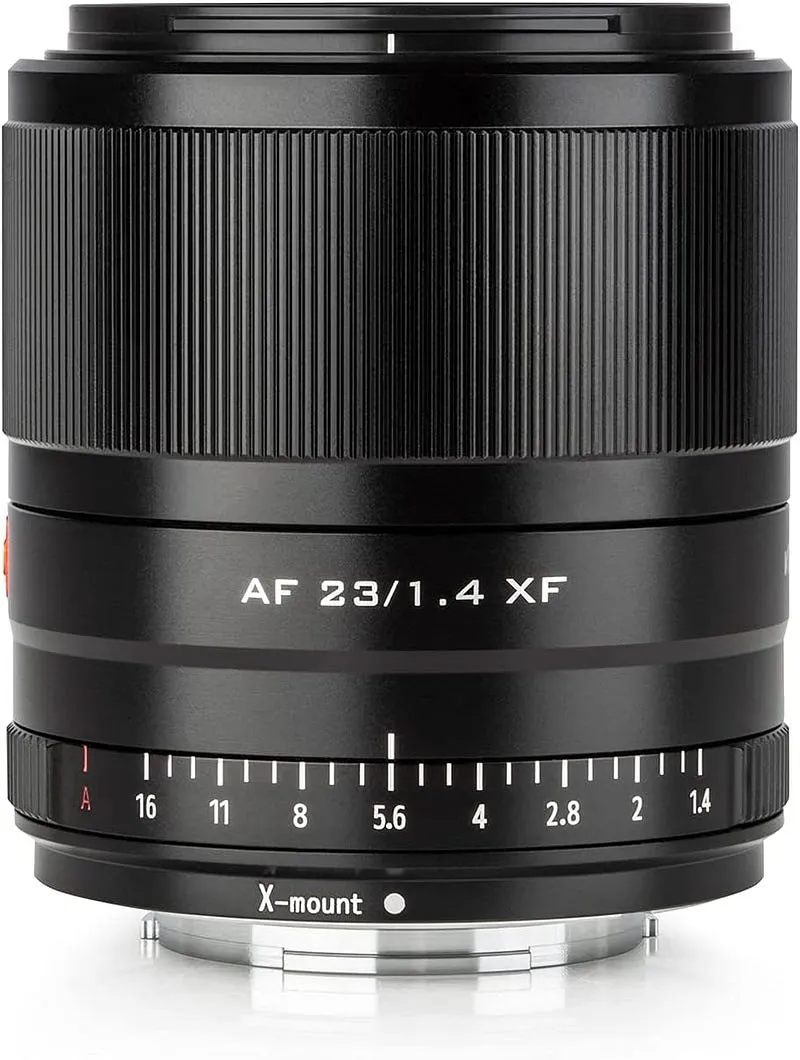
Why I Love It:
Third-party lenses can be a great value, and the Viltrox 23mm (35mm equivalent) offers a fast f/1.4 aperture for low-light shooting.
My Experience:
I tested this lens at a dimly lit café, and the results were impressive. The bokeh was creamy, and the colors were vibrant. It’s not as refined as Nikon’s native glass, but for the price, it’s a steal.
Best For: Low-light, budget-conscious shooters, creative photography.
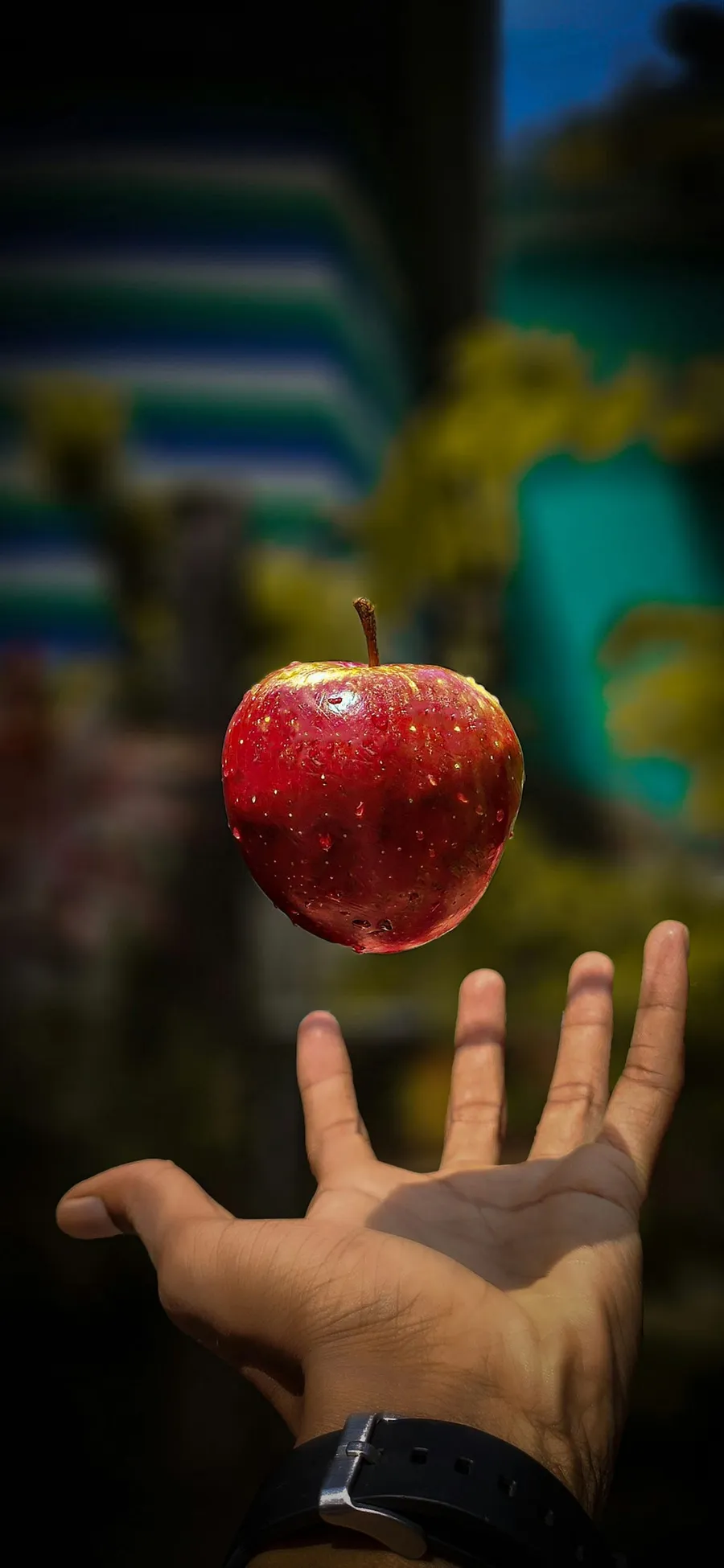
Photo by Bithinraj Mb on Unsplash

Photo by Nadjib BR on Unsplash
5. Nikon Z 50mm f/1.8 S — The Portrait King
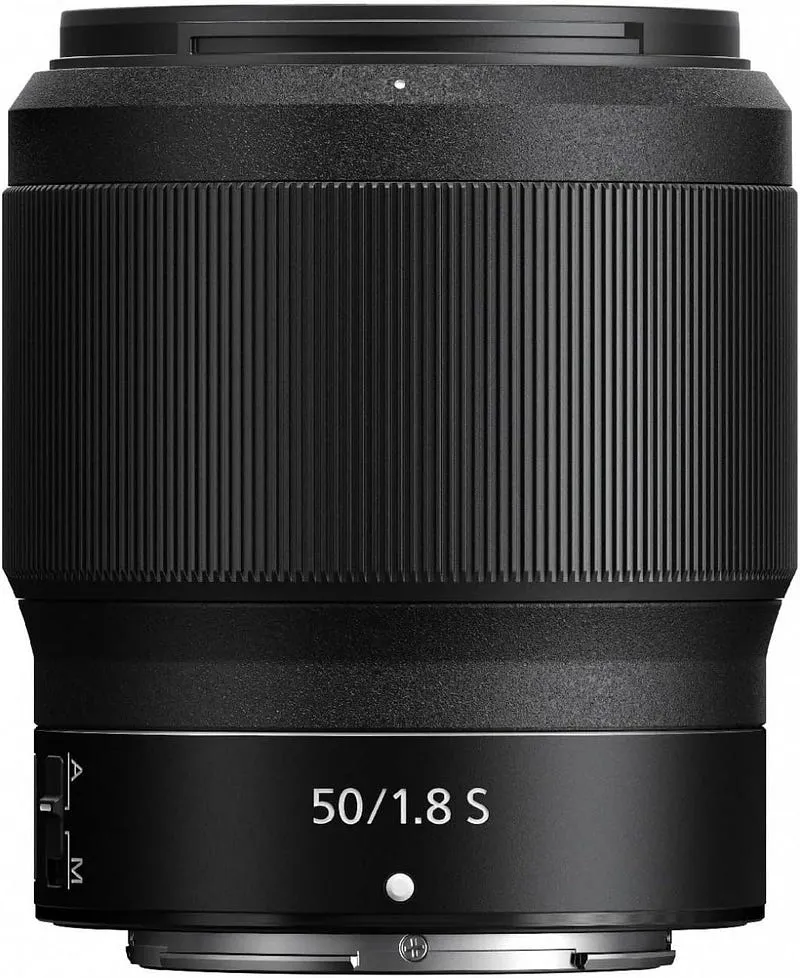
Why I Love It:
This lens is razor-sharp with beautiful bokeh, making it perfect for portraits.
My Experience:
I shot a friend’s engagement session with this lens, and the images had a professional, three-dimensional pop. The autofocus was flawless, even in tricky lighting.
Best For: Portraits, weddings, artistic photography.


Photo by Khashayar Kouchpeydeh on Unsplash
Final Thoughts
The Nikon Z fc is a fantastic camera, but pairing it with the right lenses makes all the difference. For everyday use, the 28mm f/2.8 is my go-to. If I need versatility, the 24–70mm f/4 is unbeatable. And for portraits, the 50mm f/1.8 never disappoints.
What’s your favorite lens for the Z fc? Let me know in the comments!

Written by
Marien CartelProfessional and Certified Digital Photographer born in the USA, with 22 years of experience in the field of photography.
Related Guides
Best Lens for Panasonic LUMIX S5: (2026 Guide & Reviews)
Unlocking the Cinematic Soul of the L-Mount System. What the Sigma 24–70mm f/2.8 DG DN gets right, what it does not, and who should buy it.

Best Lens for Wide Shots
The Ultimate Guide to the Best Lens for Wide Shots: Field-Tested Review & Personal Experience
Best Lenses for Interior Photography
Best Lenses for Interior Photography. Here is how the Canon R6 Mark II and Canon EOS R6 Mark II compare, and the one I keep going back to.