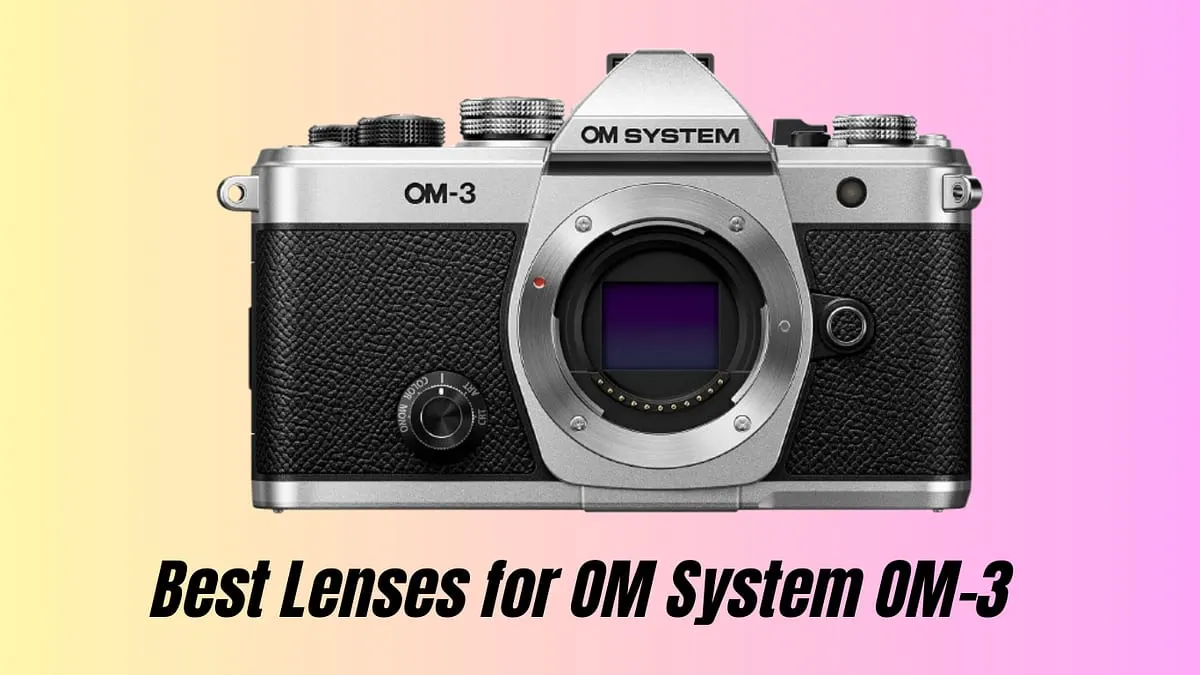
Best Lenses for OM System OM-3
As an Amazon Associate we earn from qualifying purchases. Some links in this guide are affiliate links — see our affiliate disclosure for details.
For the OM System OM-3, the best lenses are generally considered to be the M.Zuiko 17mm f/1.8 II and M.Zuiko 25mm f/1.8 II prime lenses, both newly released alongside the camera, as they offer excellent image quality, compact size, weather-sealing, and are well-suited for a variety of photography styles including street, landscape, and portraits, thanks to their fast apertures and versatile focal lengths;.
Key points about these lenses:
- Compact and lightweight: Ideal for the OM-3’s focus on portability.
- Weather-sealed: Matches the camera’s weather resistance capabilities.
- Fast aperture: Allows for shallow depth of field and low-light shooting.
Other good lens options depending on your needs:
- M.Zuiko 12–45mm f/4 Pro: A versatile standard zoom lens with excellent image quality and weather-sealing, often included in a kit with the OM-3.
- M.Zuiko 40–150mm f/4 Pro: A compact telephoto zoom lens for wildlife or portrait photography.
- M.Zuiko 100–400mm f/5–6.3 IS II: For extreme telephoto reach when needed.
As a photographer who recently transitioned to the OM System OM-3, I’ve been on a quest to find the perfect lenses that complement its capabilities. The OM-3, with its stunning retro design and advanced features like a stacked sensor and quad-pixel autofocus, has been a game-changer for my photography. In this blog post, I’ll share my personal story of discovering some of the best lenses for this incredible camera.
The OM System OM-3 is positioned as a second-tier model in Olympus/OM System’s Micro Four Thirds lineup, sitting between the flagship OM-1 II and the enthusiast-level OM-525. It boasts impressive features such as:
- A 20.4 megapixel BackSide Illuminated (BSI) sensor.
- TruePic X processor.
- Cinema 4K video recording at 60p.
- A robust weather-resistant body.
However, what truly sets it apart is its ability to pair seamlessly with various lenses from both Olympus and now under the OM System brand.
When it comes to travel photography, versatility is key. Here are some of my go-to lenses:
1. M.Zuiko Digital ED 12–45mm f/4 PRO
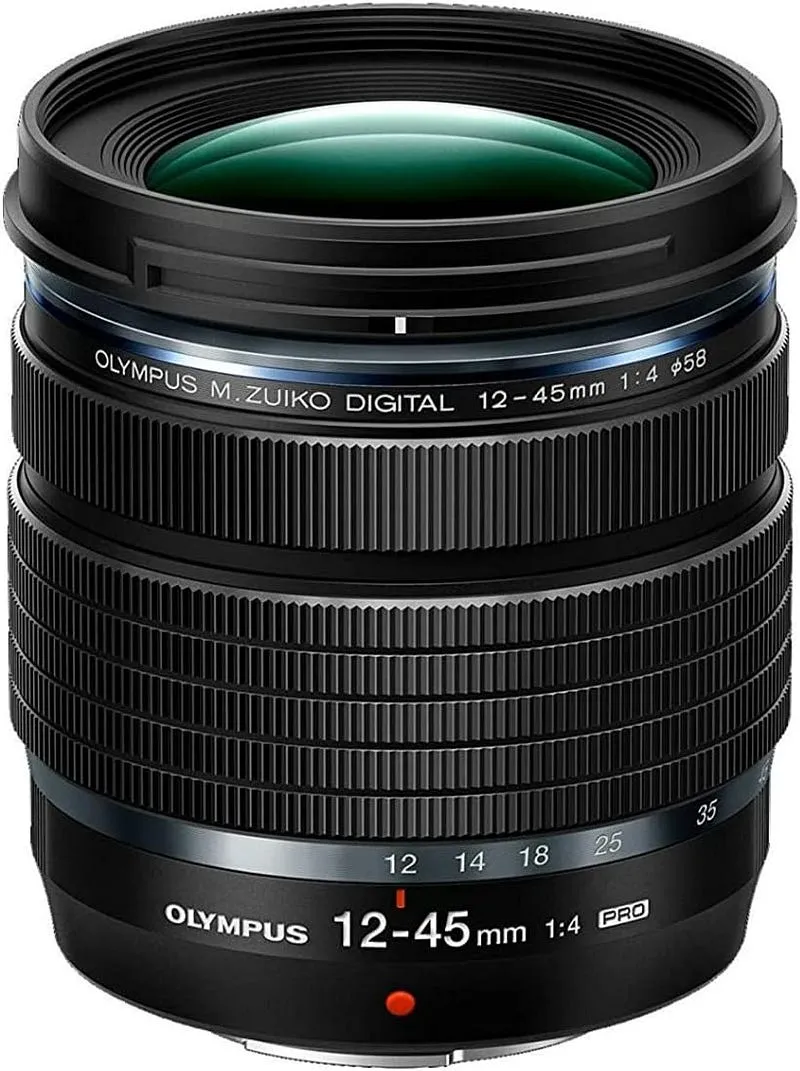
- This lens offers an excellent focal length range that covers most everyday shooting needs.
- Its compact size makes it ideal for travel without compromising on image quality.
2. M.Zuiko Digital ED 9–18mm f/4–5.6
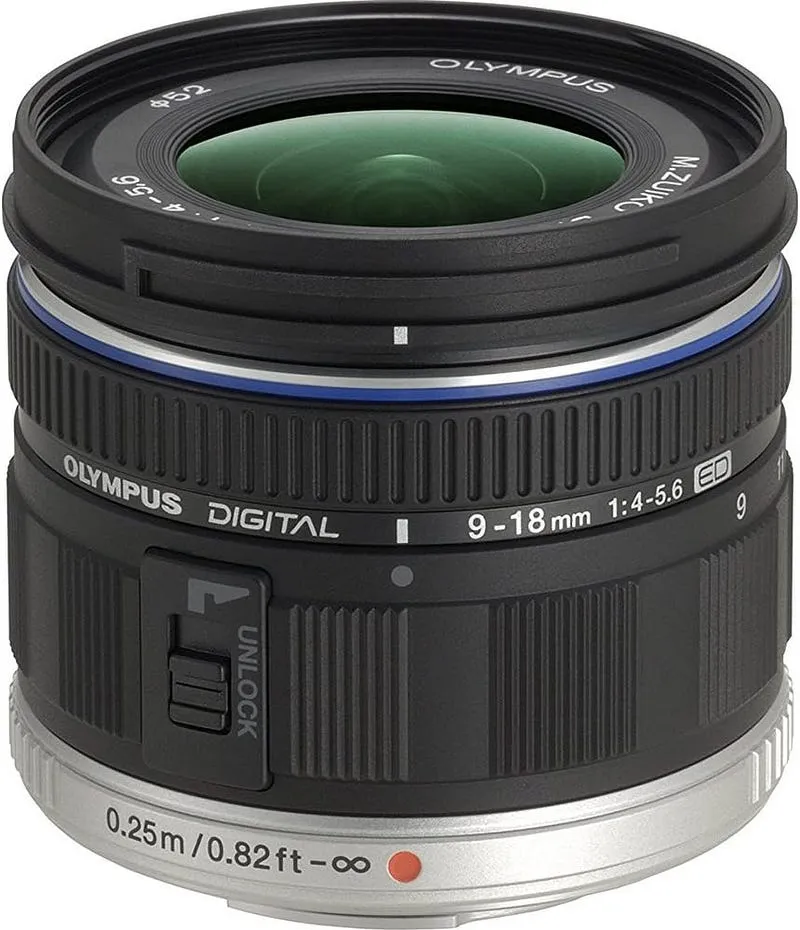
- Although not as wide as newer ultra-wide options, this lens remains unique due to its lightweight design and retracting mechanism3.
- Perfect for capturing expansive landscapes or interior shots during travel.
M.Zuiko Digital ED 8–25mm f/4 Pro
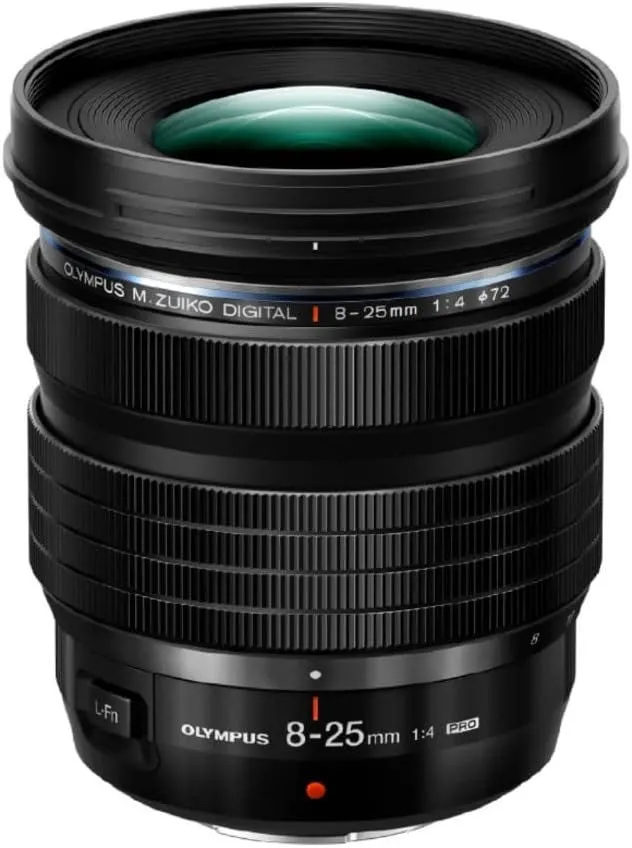
This lens stands out by offering an impressive focal range that can replace two separate zooms — ultra-wide up to standard zoom lengths3. While not small in size compared to other options like prime lenses or shorter zooms, it provides exceptional optical quality that makes it well worth considering.
Conclusion: Choosing Your Perfect Lens
The journey of finding your ideal lens set can be both exciting and overwhelming due to numerous choices available within Micro Four Thirds ecosystem — both from Olympus legacy products now under Om Systems branding along side Panasonic offerings which also fit these cameras albeit sometimes compatibility issues arise.

Photo by Philipp Torres on Unsplash

Photo by Pietro De Grandi on Unsplash

Photo by Paul Kapischka on Unsplash

Written by
Marien CartelProfessional and Certified Digital Photographer born in the USA, with 22 years of experience in the field of photography.
Related Guides
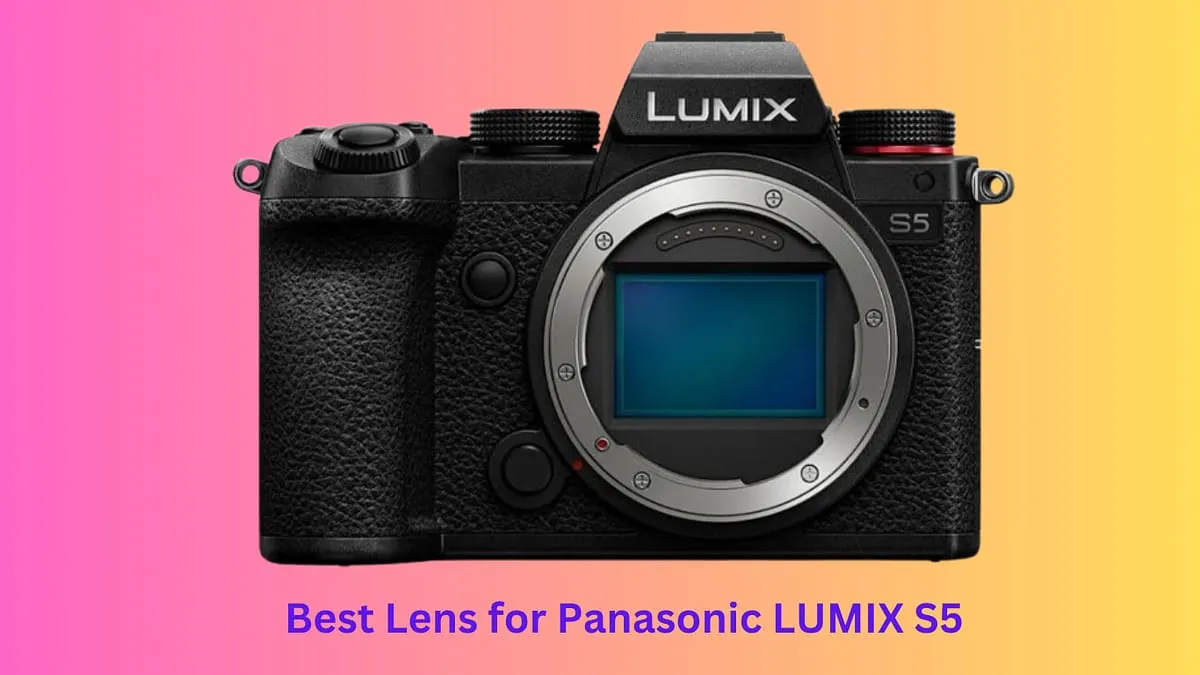
Best Lens for Panasonic LUMIX S5: (2026 Guide & Reviews)
Unlocking the Cinematic Soul of the L-Mount System. What the Sigma 24–70mm f/2.8 DG DN gets right, what it does not, and who should buy it.

Best Lens for Wide Shots
The Ultimate Guide to the Best Lens for Wide Shots: Field-Tested Review & Personal Experience

Best Lenses for Interior Photography
Best Lenses for Interior Photography. Here is how the Canon R6 Mark II and Canon EOS R6 Mark II compare, and the one I keep going back to.