Best Lenses For Sony A7IV
As an Amazon Associate we earn from qualifying purchases. Some links in this guide are affiliate links — see our affiliate disclosure for details.
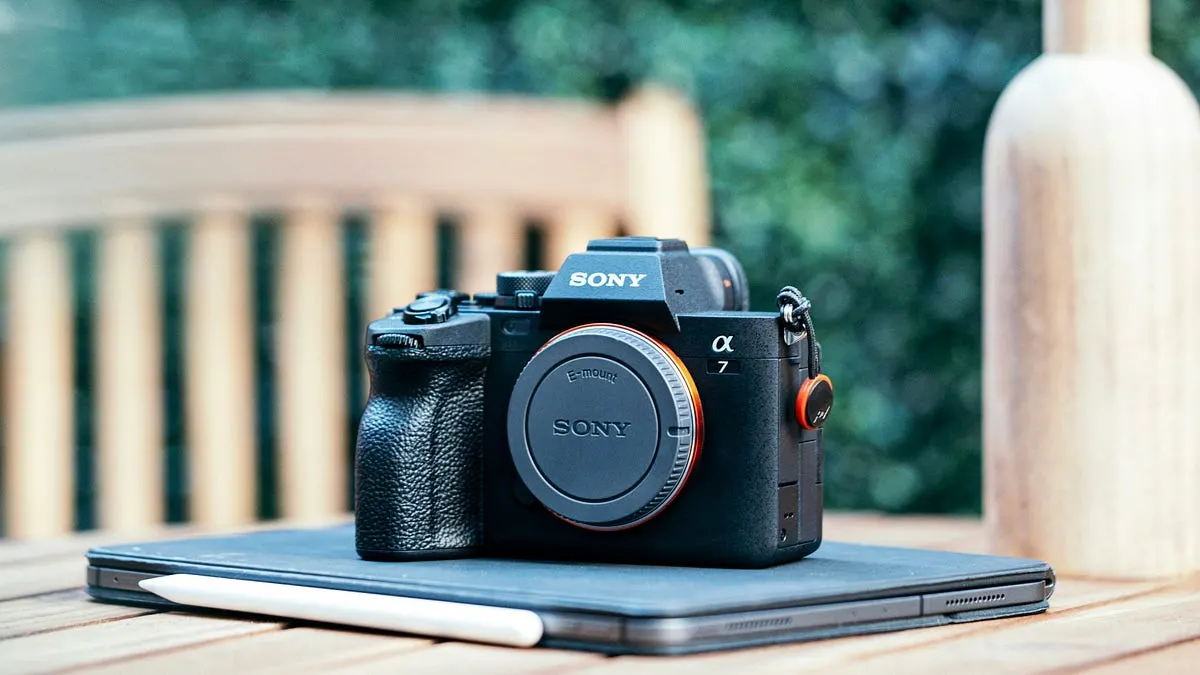
Photo by Jaime Marrero on Unsplash
The Sony A7IV. A powerhouse of a camera, a true hybrid beast. When I finally upgraded, after years of dreaming, from my trusty (but aging) A6000, it felt like stepping into a new world. The full-frame sensor, the incredible autofocus, the video capabilities — it was all exhilarating. But then came the inevitable question: which lenses?
My photographic journey started with capturing family moments, then branched into travel, and more recently, I’ve been experimenting with portraiture and some light video work for my small online business. So, I needed lenses that were versatile, sharp, and could keep up with my evolving needs.
- Sony FE 24–70mm f/2.8 GM II — View on Amazon
- Sony FE 85mm f/1.4 GM — View on Amazon
- Sony FE 16–35mm f/4 PZ — View on Amazon
- Sony FE 50mm f/1.8 — View on Amazon
The Quest Begins: My Initial Confusion
Initially, I was overwhelmed. The sheer number of Sony E-mount lenses is staggering! I spent hours scrolling through forums, watching YouTube reviews, and reading spec sheets. I remember one particularly long night, surrounded by printouts of lens comparisons, a half-eaten bag of chips, and a growing sense of frustration. It felt like trying to choose a favorite star in the night sky.
My Personal Picks (and Why):
After much deliberation and some real-world testing (read: borrowing from friends and renting), here are the lenses that have become my go-to companions for my Sony A7IV:
Sony FE 24–70mm f/2.8 GM II
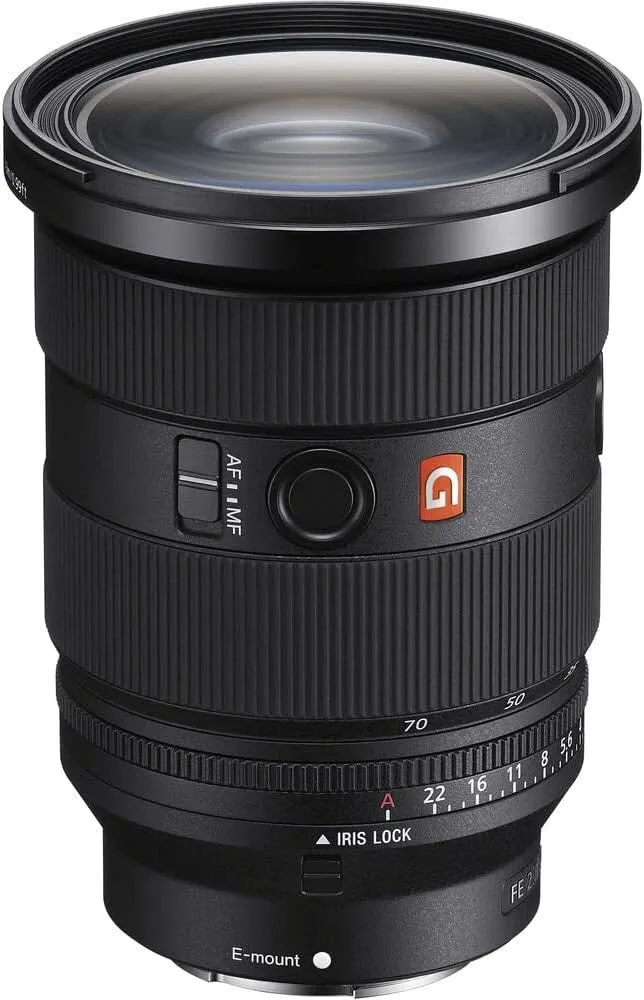
This was a significant investment, but it’s been worth every penny. For general-purpose shooting, travel, and even some portrait work, it’s incredibly versatile. The sharpness is breathtaking, the autofocus is lightning-fast, and the f/2.8 aperture allows for beautiful bokeh.
I took this lens on a trip to the mountains. The dynamic range and clarity it captured were astounding. I shot landscapes, candid street scenes, and even some impromptu portraits of fellow hikers. The consistency and quality of the images solidified its place as my “workhorse” lens. f/2.8 provides excellent low light performance, and shallow depth of field.
Sony FE 85mm f/1.4 GM
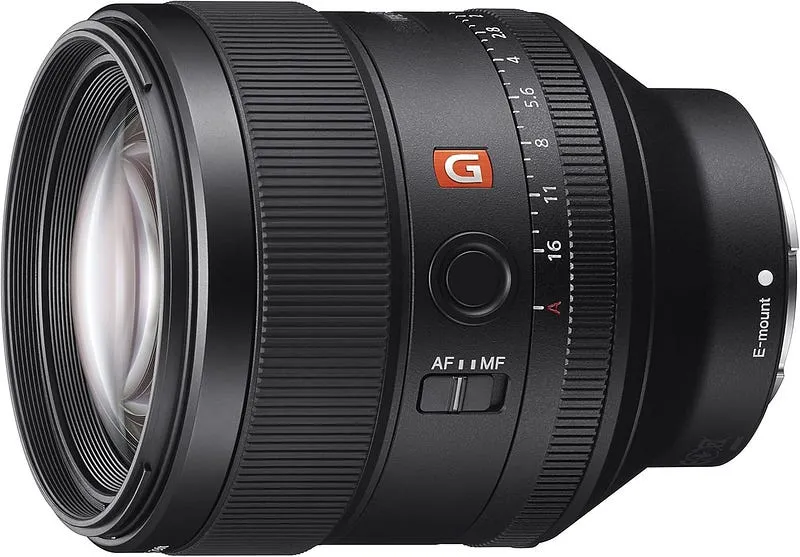
For portraiture, this lens is a dream. The subject isolation is incredible, and the bokeh is creamy and smooth. It’s a bit of a specialist lens, but when you need that shallow depth of field and beautiful rendering, it delivers.
I started to do portraits of my friends. The beautiful separation between subject and background that this lens provided was so much more than I had ever experienced before. It brought a professional polish to my images that I loved. The large aperture of f/1.4 allows for incredible subject separation.
Sony FE 16–35mm f/4 PZ:
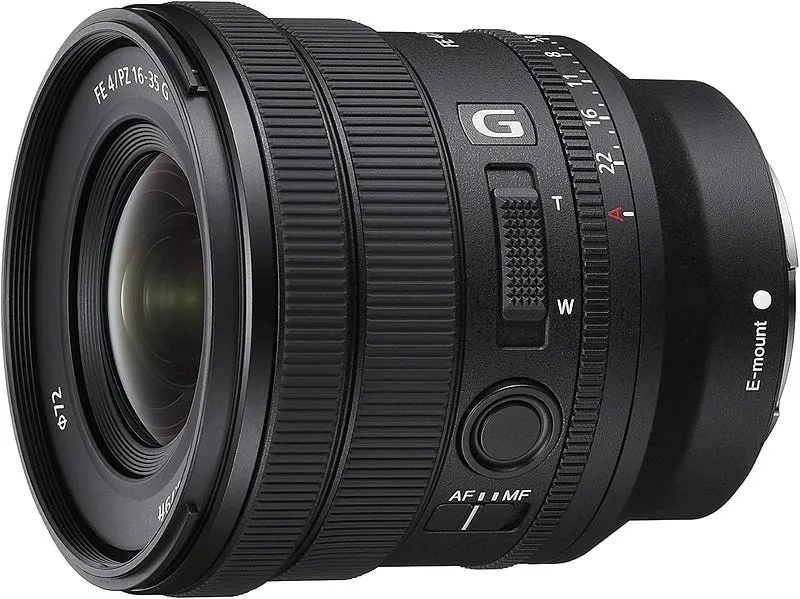
This lens is fantastic for video work and landscapes. The power zoom feature is smooth and precise, making it ideal for video transitions. The wide-angle perspective allows for capturing expansive scenes.
When I started to make more video content for my online buisness, the power zoom feature quickly became indispensable. It allowed me to create smooth, professional-looking video transitions without needing expensive gimbals. It is also very light, which is great for long periods of handheld shooting.
Sony FE 50mm f/1.8:
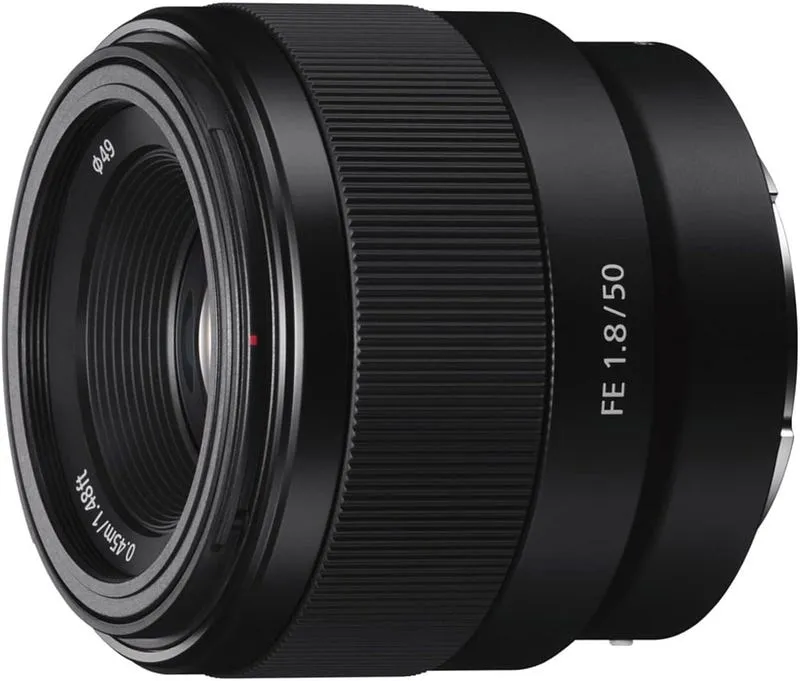
This “nifty fifty” is a budget-friendly gem. It’s sharp, compact, and perfect for everyday shooting. While not as feature-packed as the GM lenses, it delivers excellent image quality for the price.
When I wanted a simple, unobtrusive lens for street photography, this was perfect. It taught me to appreciate the simplicity of a prime lens and helped me refine my composition skills.
The f/1.8 aperture allows for great low light performance, and shallow depth of field.
Key Considerations:
- Budget: Lens prices vary significantly. Start by prioritizing the lenses that align with your primary shooting needs and budget.
- Use case: Consider what you will be shooting most often. Are you a landscape photographer, a portrait artist, or a videographer?
- Size and weight: If you plan on traveling frequently, consider the size and weight of your lenses.
My Advice:
- Rent before you buy. If possible, rent lenses to test them out before committing to a purchase.
- Read and watch many reviews.
- Consider your long term goals.
The Sony A7IV is a remarkable camera that deserves equally remarkable lenses. By carefully selecting your lenses, you can unlock its full potential and elevate your photography and videography to new heights.

Photo by Bundo Kim on Unsplash

Photo by Anoir Chafik on Unsplash
Written by
Marien CartelProfessional and Certified Digital Photographer born in the USA, with 22 years of experience in the field of photography.
Related Guides
Best Lens for Panasonic LUMIX S5: (2026 Guide & Reviews)
Unlocking the Cinematic Soul of the L-Mount System. What the Sigma 24–70mm f/2.8 DG DN gets right, what it does not, and who should buy it.

Best Lens for Wide Shots
The Ultimate Guide to the Best Lens for Wide Shots: Field-Tested Review & Personal Experience
Best Lenses for Interior Photography
Best Lenses for Interior Photography. Here is how the Canon R6 Mark II and Canon EOS R6 Mark II compare, and the one I keep going back to.