Best Lenses for Sony E-Mount
As an Amazon Associate we earn from qualifying purchases. Some links in this guide are affiliate links — see our affiliate disclosure for details.
When I first made the leap into the Sony E-mount system, it was for the promise of versatility, optical excellence, and the vibrant lens ecosystem. Whether you’re an aspiring photographer or shooting professionally, choosing the best lenses is crucial to getting the most from your Sony E-mount camera. Here, I’ll share the top lens picks for different shooting styles — supplemented with hands-on impressions and practical advice.
What Makes Sony E-Mount Special?
Sony’s E-mount, used across their Alpha mirrorless cameras, is celebrated for its adaptability. From nimble APS-C setups to flagship full-frame bodies, E-mount lenses cover the needs of hobbyists, content creators, and pro photographers alike.
Best Full-Frame Sony E-Mount Lenses
Standard Zoom: Sony FE 24–70mm F2.8 GM II
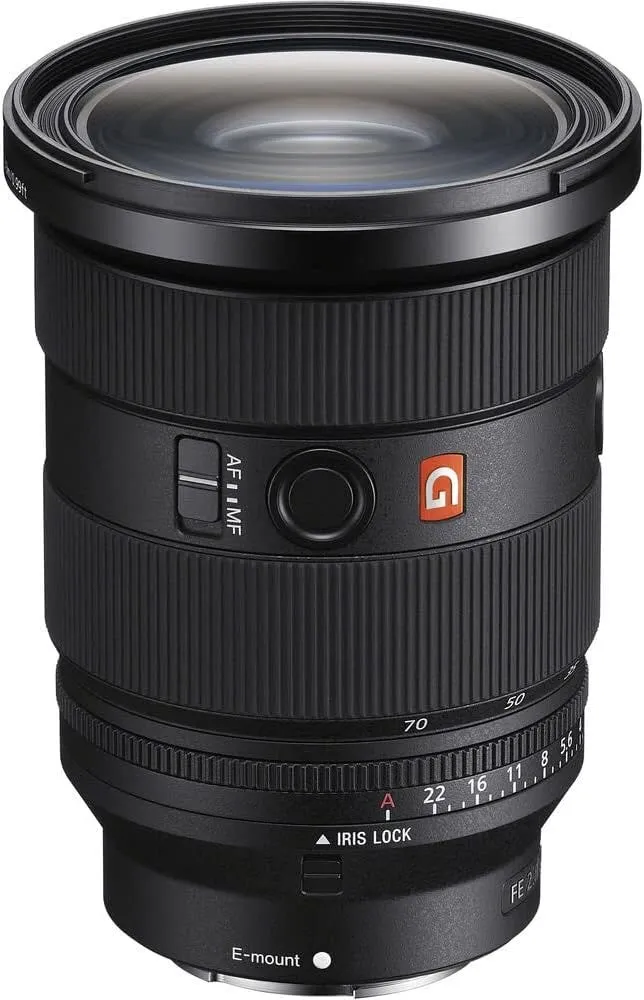
- Why it stands out: Praised as the “do-it-all” zoom, it’s tack-sharp across the frame with speedy autofocus and vivid color rendering. Its robust build handles travel and tough shoots easily.
- Personal note: This was my first premium Sony lens purchase. From street shots at golden hour to family gatherings, its fast aperture delivered brilliant separation and creamy bokeh. Its balance of performance and portability always had it living on my camera.
Portrait Prime: Sony FE 85mm F1.8 / F1.4 GM
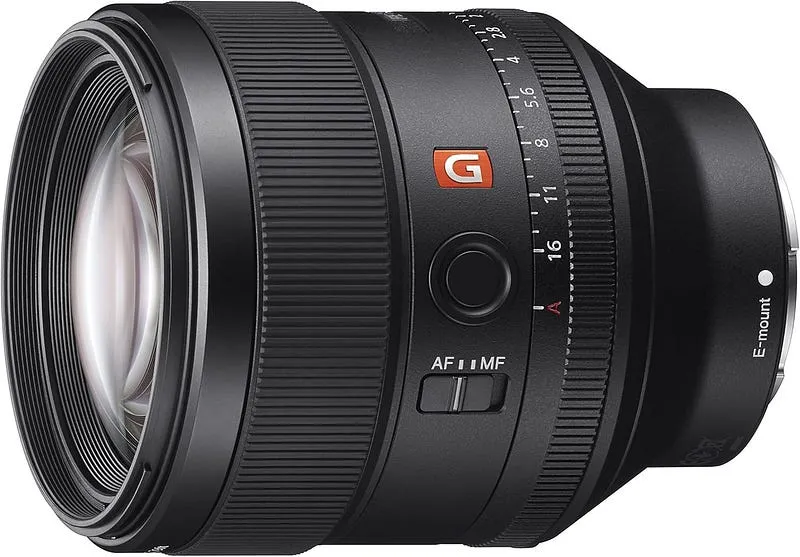
- Why it stands out: The 85mm prime produces superbly sharp portraits with lovely subject isolation. The F1.8 version offers great value; the F1.4 GM brings flagship optics for those wanting maximum quality.
- Personal note: I shot a series of portraits during a festival. The rendering — even wide open — floored my clients, with rich lifelike tones and beautifully blurred backgrounds.
Wide-Angle: Sony FE 16–35mm F2.8 GM II
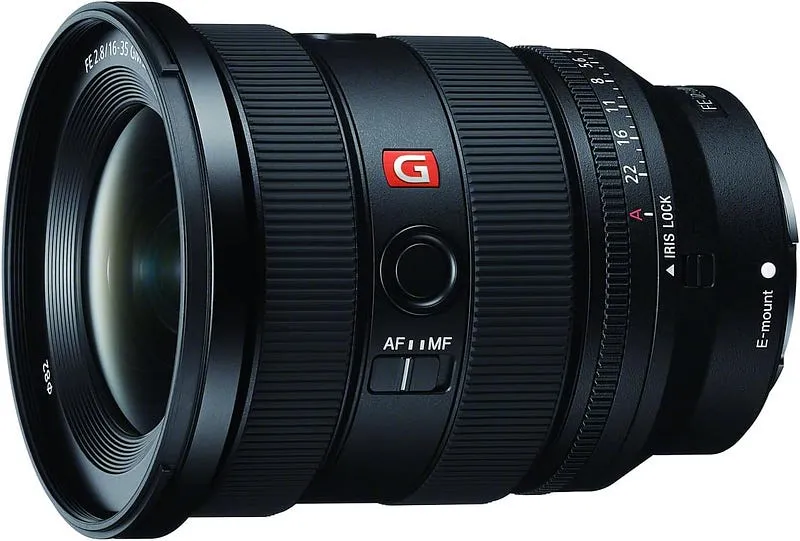
- Why it stands out: Compact and lightweight for a pro-grade wide zoom, yet razor-sharp. Perfect for landscapes and architecture.
- Personal note: During a hiking trip, this lens captured dramatic vistas and tight interiors equally well. Its autofocus was accurate while shooting fast-moving scenes.
Best APS-C Sony E-Mount Lenses
All-Rounder: Sigma 30mm F1.4 DC DN Contemporary
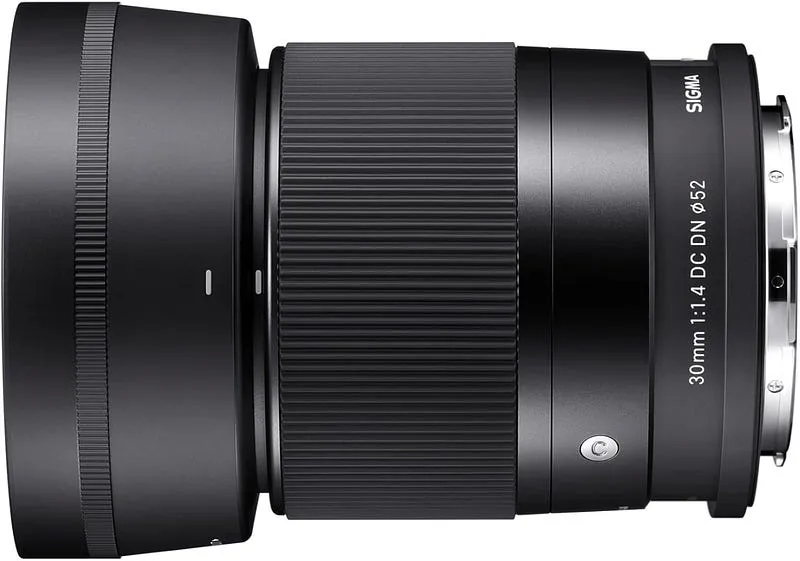
- Why it stands out: This Sigma lens shines for its fast F1.4 aperture, compact size, and crisp image quality — all at a very reasonable price.
- Personal note: My go-to for street, family, and food photography. The shallow depth of field and punchy colors make everyday moments look stunning.
Compact Telephoto: Sony E 70–350mm F4.5–6.3 G OSS
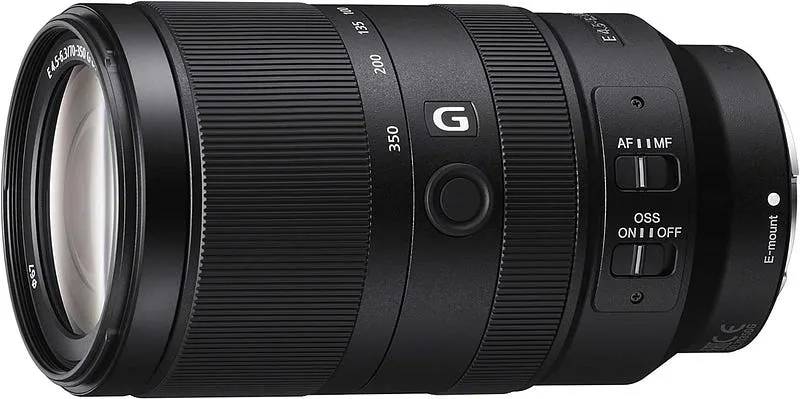
- Why it stands out: Offers an enormous reach in a lightweight form, perfect for travel and wildlife shooters using APS-C bodies.
- Personal note: On safari trips and city parks, it brought distant subjects in so close I felt part of the action, while the built-in stabilization kept shots sharp handheld.
Budget Pick: Sony E 55–210mm F4.5–6.3 OSS
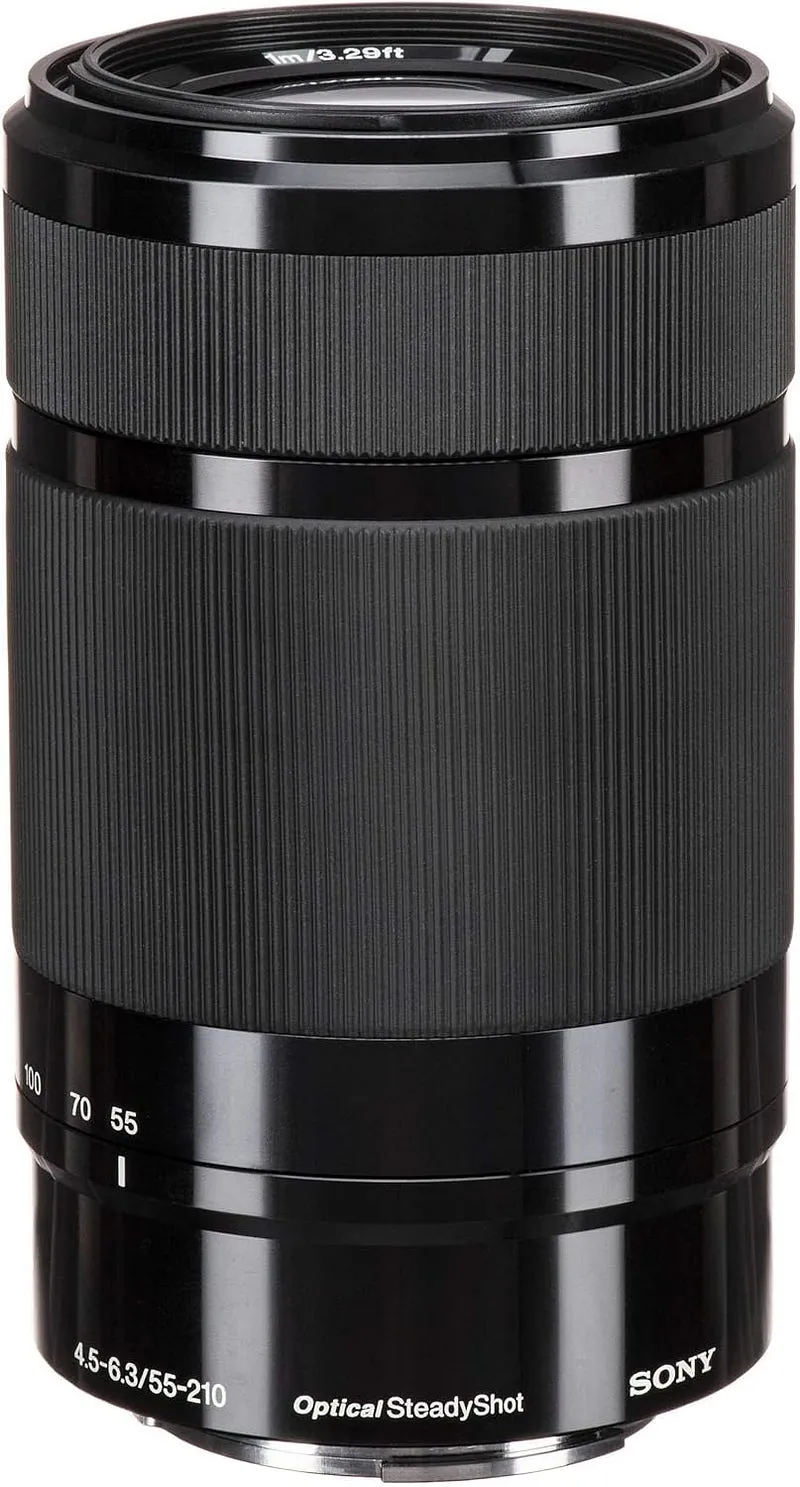
- Why it stands out: Affordable way to explore telephoto shooting, with decent sharpness and optical stabilization.
- Personal note: My first telephoto lens. It was surprisingly light, and as my skills grew, it kept pace until I eventually upgraded.
Best Third-Party Options
Sony’s E-mount is open to excellent third-party lenses from Sigma, Tamron, and Samyang.
- Sigma 85mm F1.4 DG DN Art: Razor-sharp for portraits, more affordable than Sony’s GM alternative.
- Tamron 28–75mm F2.8 Di III RXD: Popular as a lighter, wallet-friendly alternative to Sony’s 24–70mm.
- Samyang AF 35mm F1.4 FE II: Delivers creative bokeh and is ideal for environmental portraits and events.
Lessons From Experience: How to Choose
1. Define Your Needs
- Portraits? Go prime (85mm or 50mm F1.4/F1.8).
- Landscapes/architecture? Wide zooms like the 16–35mm.
- Everyday and travel? The 24–70mm is unbeatable for versatility.
2. Full-Frame or APS-C?
- Make sure the lens matches your sensor type — APS-C lenses can be used on full-frame, but with a crop.
3. Embrace Third-Party Gems
- Don’t skip Sigma, Tamron, or Samyang — many are as good as Sony’s own offerings, at attractive prices.
Conclusion
My journey with the Sony E-mount system has taken me from lightweight kit lenses to fast primes and pro-level zooms. Each lens choice shaped my shooting style and image quality. Whether you’re after the absolute best optics or something with unbeatable value, the E-mount ecosystem has you covered. Try different lenses as your needs evolve — you’re truly spoiled for choice.




Written by
Marien CartelProfessional and Certified Digital Photographer born in the USA, with 22 years of experience in the field of photography.
Related Guides
Best Lens for Panasonic LUMIX S5: (2026 Guide & Reviews)
Unlocking the Cinematic Soul of the L-Mount System. What the Sigma 24–70mm f/2.8 DG DN gets right, what it does not, and who should buy it.

Best Lens for Wide Shots
The Ultimate Guide to the Best Lens for Wide Shots: Field-Tested Review & Personal Experience

Best Lenses for Interior Photography
Best Lenses for Interior Photography. Here is how the Canon R6 Mark II and Canon EOS R6 Mark II compare, and the one I keep going back to.