Best Lenses for Studio Photography
As an Amazon Associate we earn from qualifying purchases. Some links in this guide are affiliate links — see our affiliate disclosure for details.
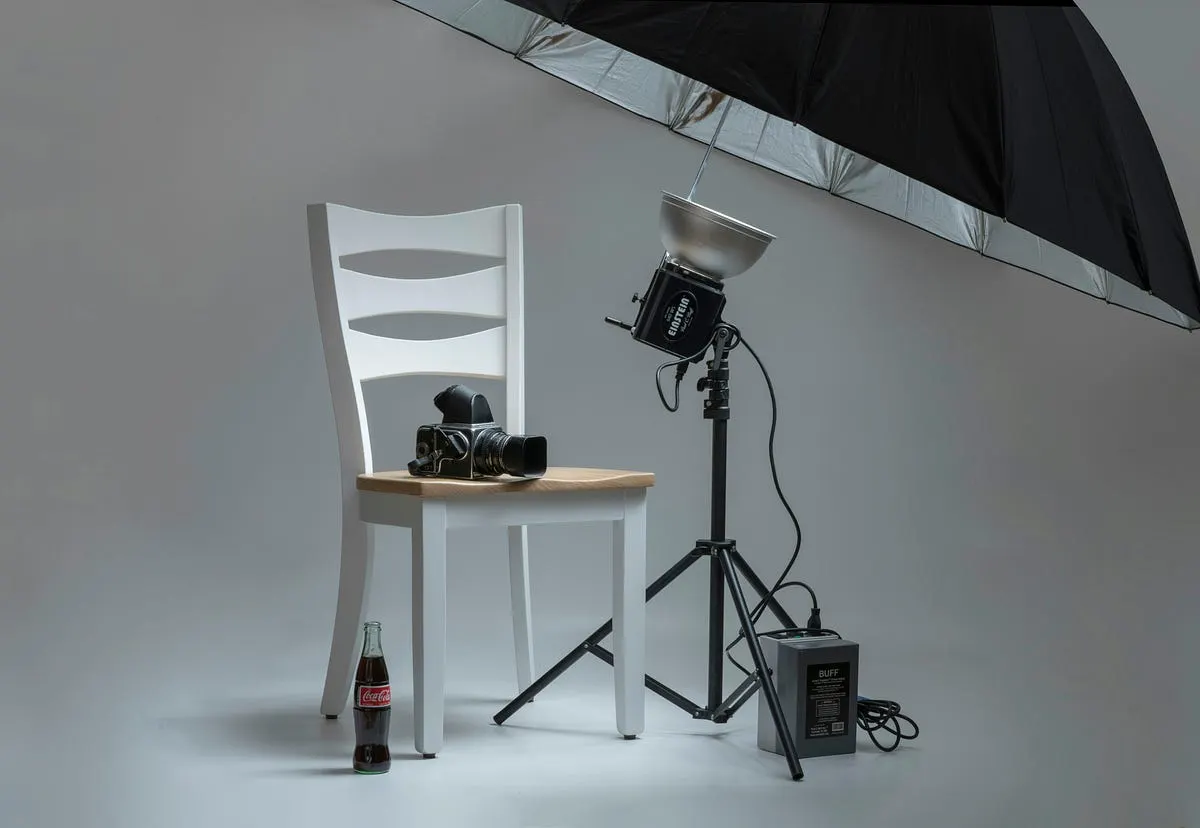
Photo by Randy Fath on Unsplash
There’s a unique kind of magic in a photography studio. The blank canvas of a seamless backdrop, the total control of every light, the quiet hum of a strobe recycling… it’s a place where ideas are born and meticulously crafted. But when I first set up my humble home studio, I made a classic rookie mistake.
I thought gear was the answer. I saved up for the biggest softboxes, the most powerful strobes, and of course, the camera body with the highest megapixel count. I walked into my first real studio shoot feeling like a king, ready to create a masterpiece.
And then I mounted my lens: a superzoom. An 18–200mm f/3.5–6.3, to be exact. The “do-everything” travel lens that had never left my camera.
The results were… soul-crushingly mediocre.
The images were soft. Not a beautiful, ethereal softness, but a frustrating lack of sharpness. At 200mm, the variable aperture had me struggling for light, forcing my ISO up and introducing noise. The distortion was noticeable, and the overall look was just… cheap. It felt like I’d built a Formula 1 car and then put bicycle tires on it.
That day, I learned the hardest and most valuable lesson of my photography career: In the studio, the lens isn’t just important — it’s everything.
The camera body captures the light, but the lens crafts it.
So, What Is The Best Lens for Studio Photography?
After my disastrous shoot, I went down a rabbit hole of research, testing, and eventually, redemption. I discovered that while there’s no single “best” lens, there is a perfect lens for the job. For most studio work — portraits, products, and still life — you’re looking for a lens with three key qualities:
- Prime Sharpness: You need exceptional sharpness and clarity to capture every detail your high-resolution sensor is capable of.
- Fixed, Wide Aperture: An aperture of f/2.8 or wider (e.g., f/1.8, f/1.4) gives you a bright viewfinder for focusing and allows you to create beautiful shallow depth-of-field when you want it, even if you’ll often be shooting at f/8 or f/11 for maximum sharpness.
- A Flattering Focal Length: This is crucial for avoiding distortion and creating a natural perspective on your subject.
Based on this, here are the champions of the studio:
1. The Workhorse: The 24–70mm f/2.8
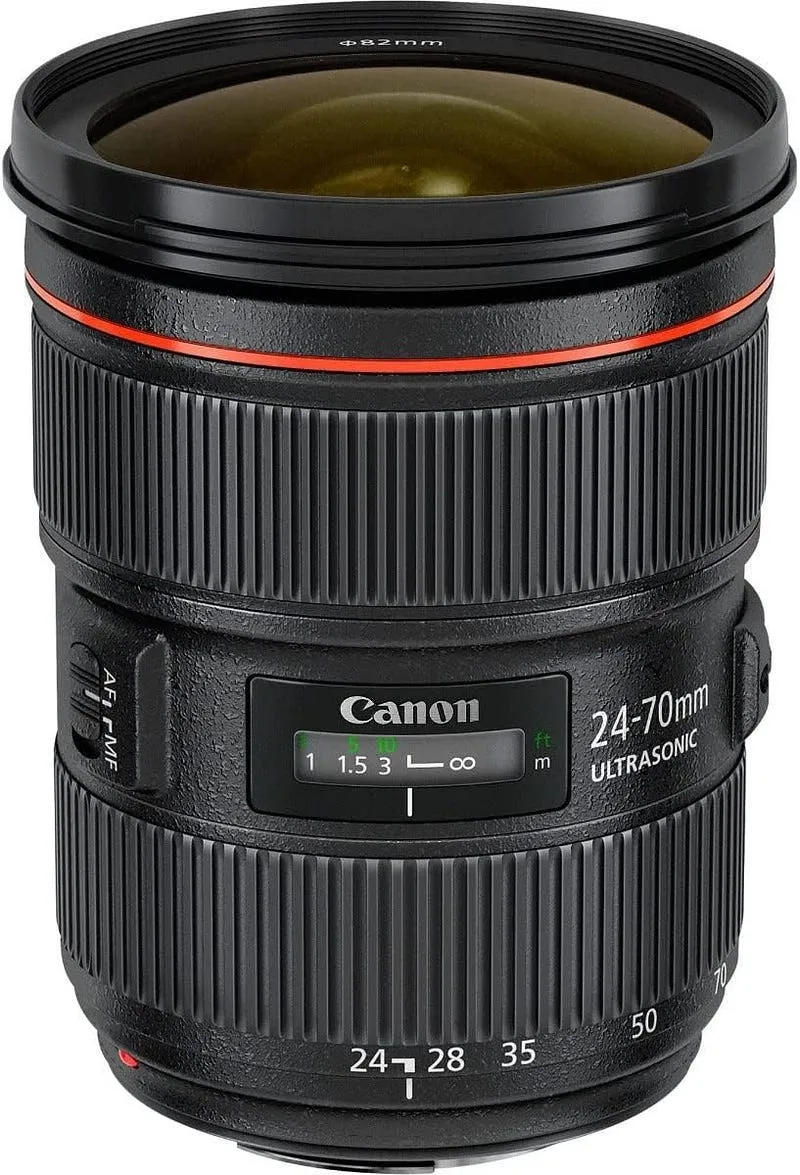
This is the lens that now lives on my camera about 80% of the time. It’s the ultimate versatile tool.
- Why it’s great: The zoom range is incredibly flexible. At 70mm, it’s a perfect short telephoto for classic headshots and three-quarter-length portraits. Zoom out to 35mm or 24mm, and you can capture full-body shots or environmental portraits without having to back yourself into a wall. The constant f/2.8 aperture is bright and reliable. It’s the Swiss Army knife you can trust for almost any studio scenario.
2. The Portrait Perfectionist: The 85mm f/1.4 (or f/1.8)
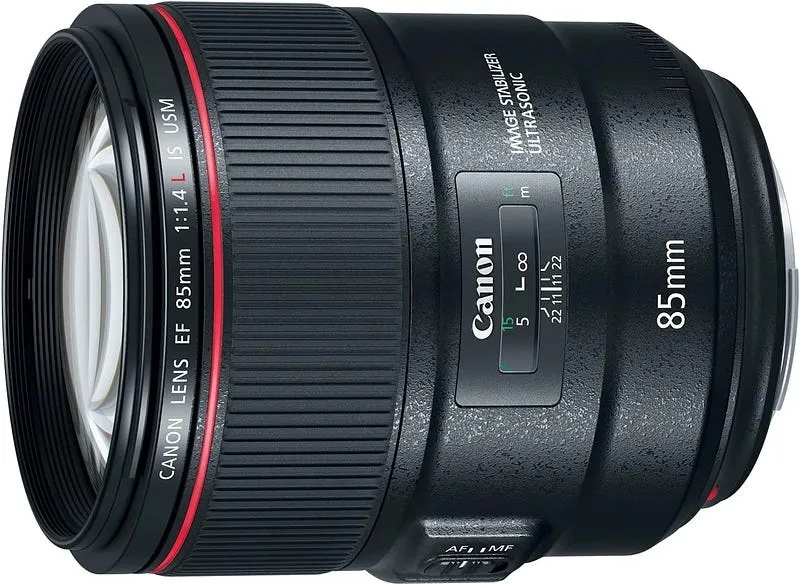
This was the first prime lens I bought after “The Great Superzoom Disaster,” and it felt like someone had wiped Vaseline off my camera. The moment I saw the first files, I actually laughed out loud. The sharpness was breathtaking.
- Why it’s great: The 85mm focal length is famously flattering for portraits. It compresses facial features beautifully and creates incredibly smooth, creamy bokeh (even if you stop it down for studio work, the optical quality remains). It forces you to move your feet and connect with your subject, and the image quality is almost always superior to a zoom.
3. The Classic & The Detail Hunter: The 50mm f/1.8
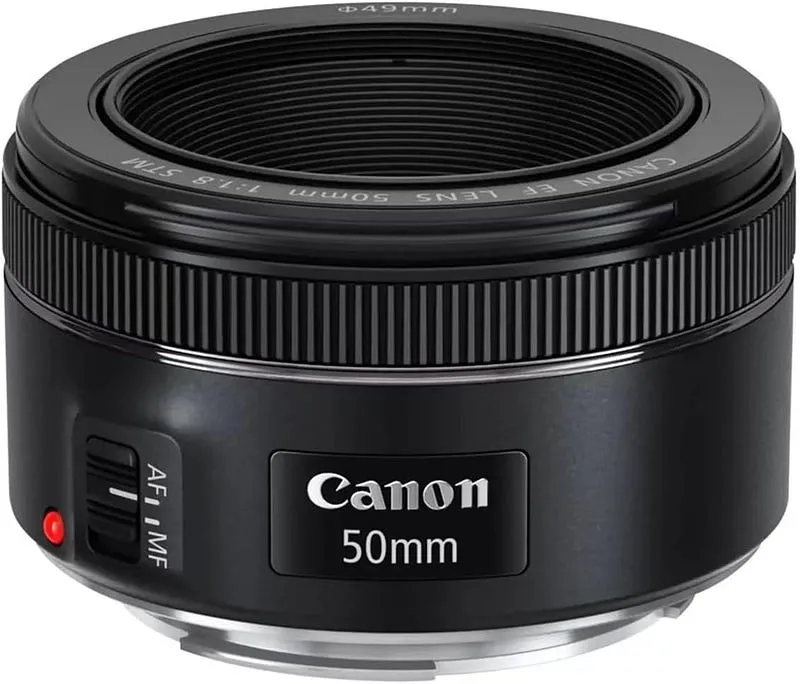
The “nifty fifty.” Don’t let its affordable price tag fool you. This lens is a optical gem. g
- Why it’s great: It closely matches the perspective of the human eye, giving your images a natural, authentic feel. It’s small, light, and incredibly sharp, especially when stopped down to f/4 or f/5.6. It’s fantastic for product photography, full-body portraits in tighter studios, and as a general-purpose creative tool.
4. The Ultimate Flexibility: The 70–200mm f/2.8
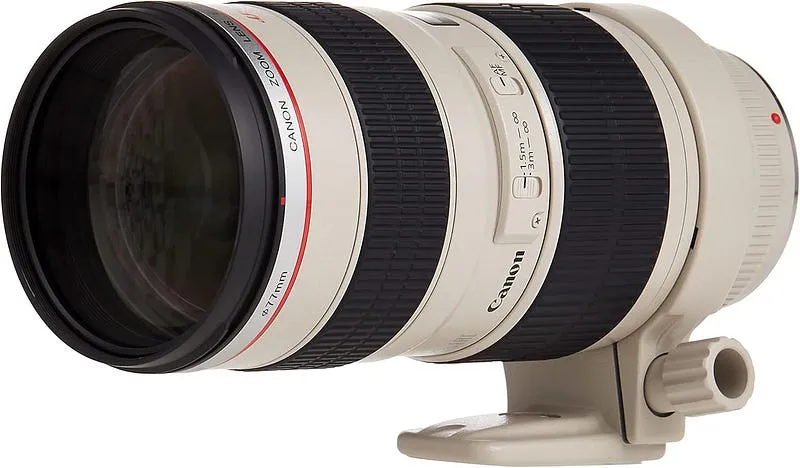
This is a luxury, but my goodness, is it a beautiful one. If you have the space, this lens is a portrait powerhouse.
- Why it’s great: The compression at the longer end (135mm-200mm) is sublime, perfectly smoothing skin and isolating your subject from the background. It allows you to shoot from a comfortable distance without crowding your model, which can help them feel more at ease. It’s also incredibly sharp across its entire range.
My Personal Journey: From Zoom to Bloom
My move from the superzoom to the 85mm f/1.8 was a quantum leap. It transformed my work and, more importantly, my confidence. Clients started commenting on the “professional quality” and “amazing detail” of the images. They weren’t complimenting my lights or my camera; they were seeing the result of superior glass.
I later added the 24–70mm f/2.8 for its sheer versatility, and it became my go-to. The 85mm is still my secret weapon for pure, jaw-dropping portraiture, but the zoom handles the vast majority of my commercial and editorial work.
The Final Frame
If you’re investing in a studio setup, prioritize your lens. A great lens on a modest camera body will outperform a mediocre lens on a top-tier body every single time.
Start with a 50mm f/1.8. It’s the single best value in photography and will teach you more about composition and light than any other piece of gear. From there, grow based on your needs:
- Portrait Photographer? Save for an 85mm prime.
- A Generalist? The 24–70mm f/2.8 zoom is your ultimate goal.
Your lens is your voice. Make sure it’s saying something beautiful.
What’s your studio lens story? What’s your favorite piece of glass? Let me know in the comments below!
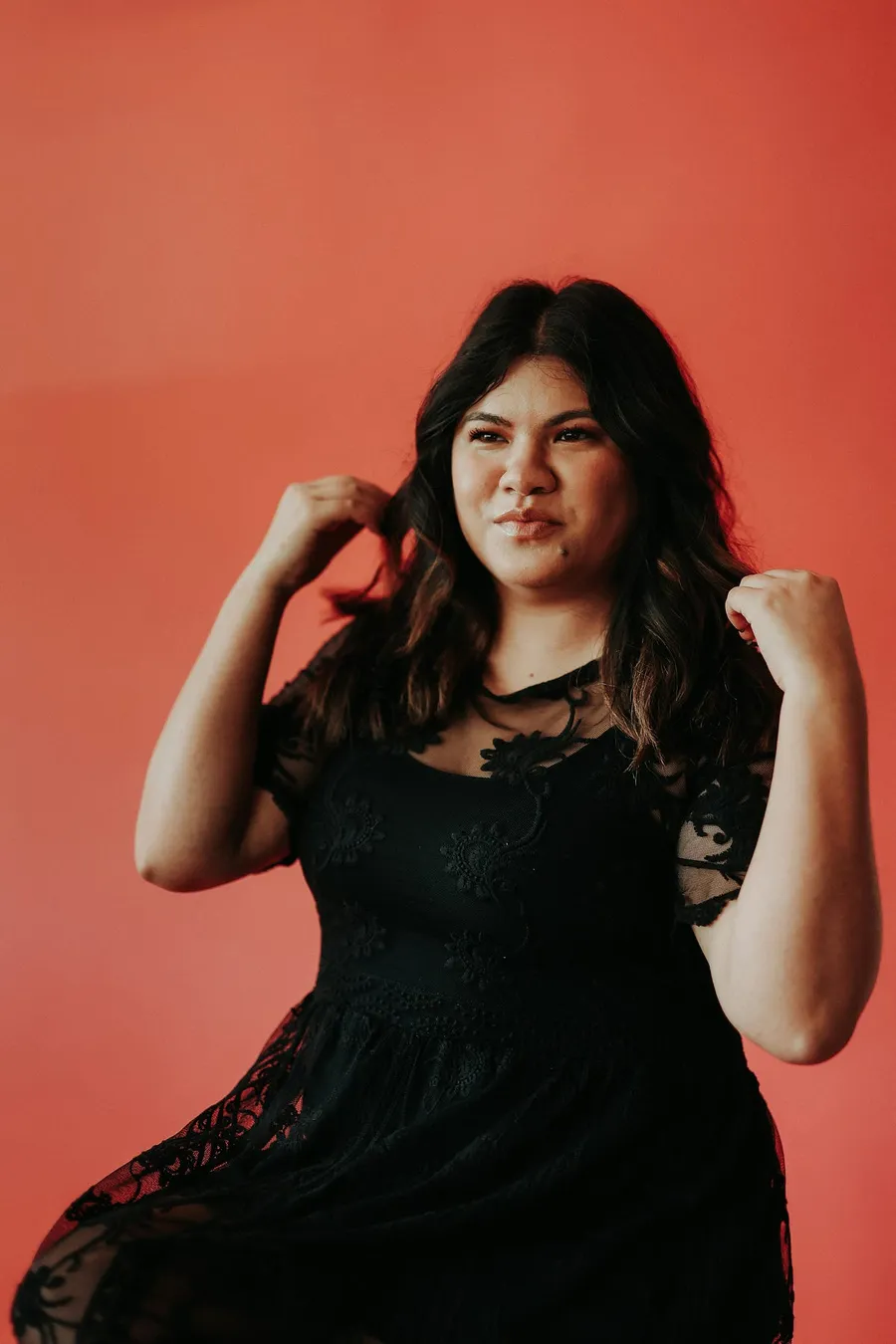
Photo by Adrian Ordonez on Unsplash
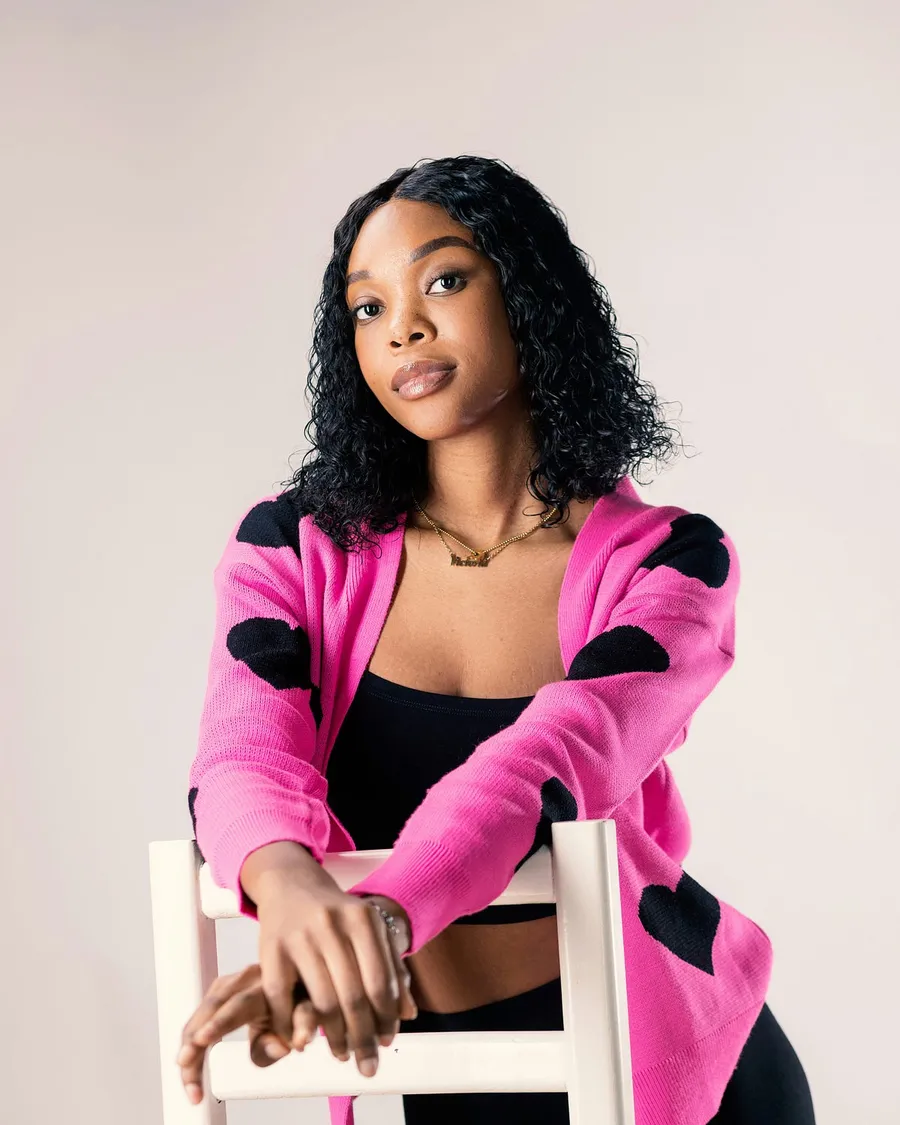
Photo by Shalom Ejiofor on Unsplash

Photo by Shalom Ejiofor on Unsplash
Written by
Marien CartelProfessional and Certified Digital Photographer born in the USA, with 22 years of experience in the field of photography.
Related Guides
Best Lens for Panasonic LUMIX S5: (2026 Guide & Reviews)
Unlocking the Cinematic Soul of the L-Mount System. What the Sigma 24–70mm f/2.8 DG DN gets right, what it does not, and who should buy it.

Best Lens for Wide Shots
The Ultimate Guide to the Best Lens for Wide Shots: Field-Tested Review & Personal Experience
Best Lenses for Interior Photography
Best Lenses for Interior Photography. Here is how the Canon R6 Mark II and Canon EOS R6 Mark II compare, and the one I keep going back to.