Best Nikon lenses for Beginners
As an Amazon Associate we earn from qualifying purchases. Some links in this guide are affiliate links — see our affiliate disclosure for details.
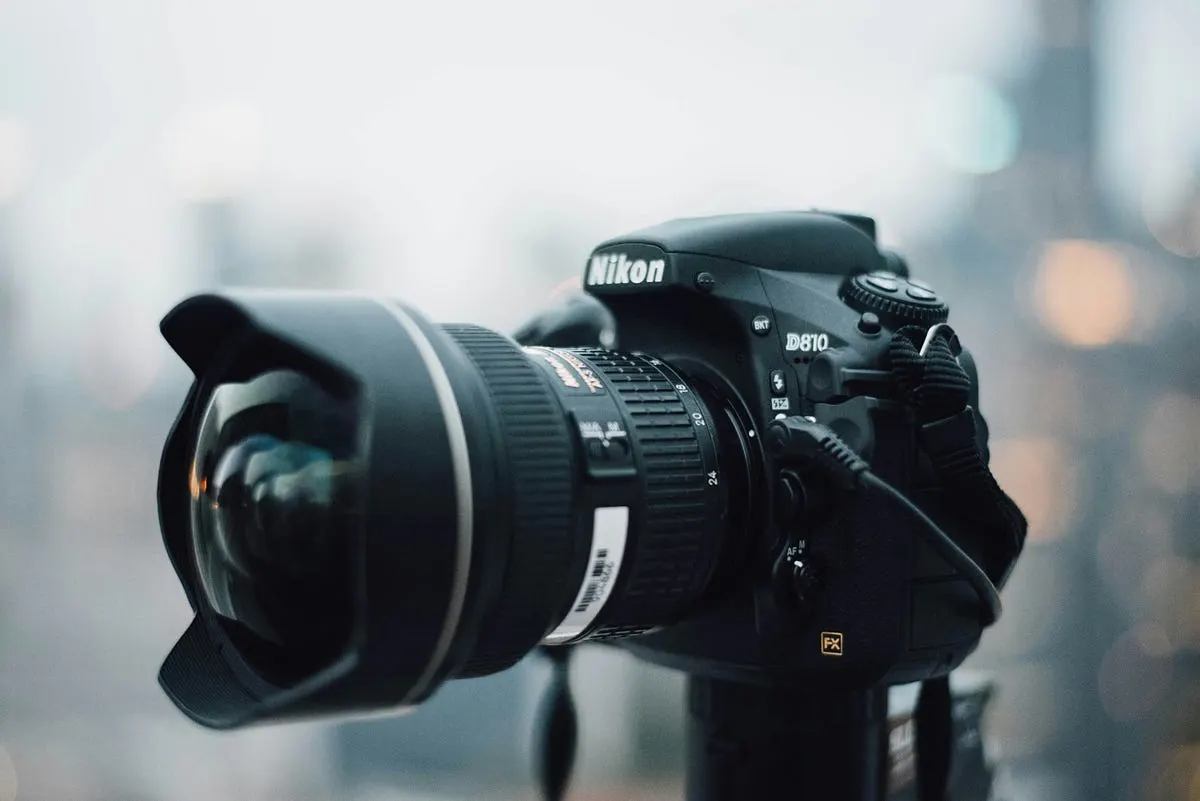
Photo by CHUTTERSNAP on Unsplash
When I first dipped my toes into the world of digital photography, I was overwhelmed by the sheer number of choices available. Like many beginners, I started with a kit lens — an 18–135mm f/3.5–5.6 that came bundled with my first DSLR.
Coming from a Sony Cybershot point-and-shoot, everything seemed like a massive upgrade. For the first six months, I was thrilled with the results, especially in daylight.
But as I delved deeper into photography, I began to notice its limitations. Low-light conditions were frustrating, and indoor photography without a flash felt nearly impossible.
- Best Nikon lens overall: AF-S Nikkor 24–70mm f/2.8E ED VR — Buy now
- Best Nikon lens for landscapes: AF-S Nikkor 14–24mm f/2.8G ED — Buy now
- Best Nikon superzoom: Nikon 28–300mm f/3.5–5.6G VR — Buy now
- Best Nikon portrait lens: AF-S Nikkor 85mm f/1.8G — Buy now
- Best Nikon 50mm lens: AF-S Nikkor 50mm f/1.8G — Buy now
- Best wide-angle prime lens: AF-S Nikkor 20mm f/1.8G ED — Buy now
- Best Nikon lens for wildlife: AF-S 500mm f/5.6E PF ED VR — Buy now
- Best Nikon lens for sports: AF-S 180–400mm f/4E TC1.4 FL ED VR — Buy now
Best APS-C DX lenses for Nikon:
- Best cheap Nikon zoom: AF-S DX 16–85mm f/3.5–5.6G ED VR (APS-C) — Buy now
- Best standard zoom: Nikon AF-S DX Nikkor 16–80mm F2.8–4E ED VR (APS-C) — Buy now
- Best Nikon tele zoom: AF-P DX 70–300mm f/4.5–6.3 G ED VR (APS-C) — Buy now
- Best Nikon wide-angle zoom: AF-P DX 10–20mm f/4.5–5.6G VR (APS-C) — Buy now
- Best Nikon street lens: AF-S DX Nikkor 35mm f/1.8G (APS-C) — Buy now
Eventually, I sold the 18–135mm lens (at a loss, of course) and upgraded to the Nikon 18–200mm VR. The image stabilization was a game-changer, and I was happy for a while. But soon, I started encountering new issues — subpar image quality at certain focal lengths and the same f/3.5–5.6 aperture limitation that plagued my previous lens. It was then that I realized I needed something better.
After hours of research and reading, I decided to take the plunge and invest in a prime lens — the Nikon 50mm f/1.4. This little lens completely transformed my photography. Not only did it allow me to shoot in low light with ease, but it also taught me the importance of composition and movement. Without the ability to zoom, I had to think more carefully about my shots, and my skills improved dramatically as a result.
If you’re just starting out with Nikon photography, I highly recommend considering a prime lens as your first purchase. While kit lenses are a good starting point, they often leave you wanting more. A solid all-purpose prime lens, on the other hand, will help you grow as a photographer and deliver stunning results. Below, I’ve shared my personal recommendations for the best Nikon lenses for beginners, categorized by camera type.
Lenses for Full-Frame Nikon Z Mirrorless Cameras (FX)
- Nikon Z 40mm f/2 — Lightweight, affordable, and versatile, this is the perfect first lens for Nikon Z shooters. At $300, it’s a great way to explore prime lenses without breaking the bank.
- Nikon Z 50mm f/1.8 S — A sharp, fast prime lens that’s ideal for portraits and landscapes. It’s one of the best lenses Nikon has ever made.
- Nikon Z 24–70mm f/4 S — A fantastic kit lens that’s sharp and versatile. It’s often available at a discount when bundled with a camera.
- Nikon Z 24–120mm f/4 S — A more expensive option, but it’s Nikon’s best do-it-all lens for full-frame mirrorless cameras.
Lenses for Crop-Sensor Nikon Z Mirrorless Cameras (DX)
- Nikon Z 28mm f/2.8 — A compact and affordable prime lens that’s perfect for everyday photography.
- Nikon Z 18–140mm f/3.5–6.3 VR — A great zoom lens for beginners, offering a wide range of focal lengths.
- Nikon Z 16–50mm f/3.5–6.3 VR — The standard kit lens for Nikon Z DX cameras. It’s small, sharp, and easy to use.
Lenses for Full-Frame Nikon DSLRs (FX)
- Nikkor 50mm f/1.8G — A budget Nikon prime lens with excellent sharpness and low-light performance.
- Nikkor 24–120mm f/4G VR — A versatile zoom lens that’s perfect for a wide range of photography styles.
Lenses for Crop-Sensor Nikon DSLRs (DX)
- Nikkor 35mm f/1.8G DX — A fast, affordable prime lens that’s perfect for beginners.
- Nikkor 16–80mm f/2.8–4E DX VR — A versatile zoom lens with excellent sharpness and low-light capabilities.
Compact Pancake Lens for Travel:
My Advice for Beginners
If you can only afford one lens, I strongly recommend starting with a prime lens. For Nikon Z mirrorless cameras, the 28mm f/2.8 or 40mm f/2 are excellent choices. For DSLRs, the 35mm f/1.8G DX (for crop-sensor cameras) or the 50mm f/1.8G (for full-frame cameras) are both fantastic options.
If you’ve only used zoom lenses so far, I encourage you to give prime lenses a try. They’ll push you to think more creatively and improve your photography skills. While zoom lenses are convenient, they often can’t match the image quality and low-light performance of primes.
Final Thoughts
Choosing your first Nikon lens can feel overwhelming, but it’s also an exciting step in your photography journey. My personal experience taught me that investing in a quality prime lens early on can make a world of difference. Whether you’re shooting with a mirrorless camera or a DSLR, the lenses I’ve recommended above will give you a solid foundation to grow as a photographer.
Which lens did you choose? Share your first Nikon lens in the comments!

Photo by Bill Eccles on Unsplash

Photo by Steven Van Elk on Unsplash

Photo by Roman Holoschchuk on Unsplash

Photo by Boris Smokrovic on Unsplash

Written by
Marien CartelProfessional and Certified Digital Photographer born in the USA, with 22 years of experience in the field of photography.
Related Guides
Best Lens for Panasonic LUMIX S5: (2026 Guide & Reviews)
Unlocking the Cinematic Soul of the L-Mount System. What the Sigma 24–70mm f/2.8 DG DN gets right, what it does not, and who should buy it.

Best Lens for Wide Shots
The Ultimate Guide to the Best Lens for Wide Shots: Field-Tested Review & Personal Experience

Best Lenses for Interior Photography
Best Lenses for Interior Photography. Here is how the Canon R6 Mark II and Canon EOS R6 Mark II compare, and the one I keep going back to.