Best Nikon Portrait Lenses
As an Amazon Associate we earn from qualifying purchases. Some links in this guide are affiliate links — see our affiliate disclosure for details.
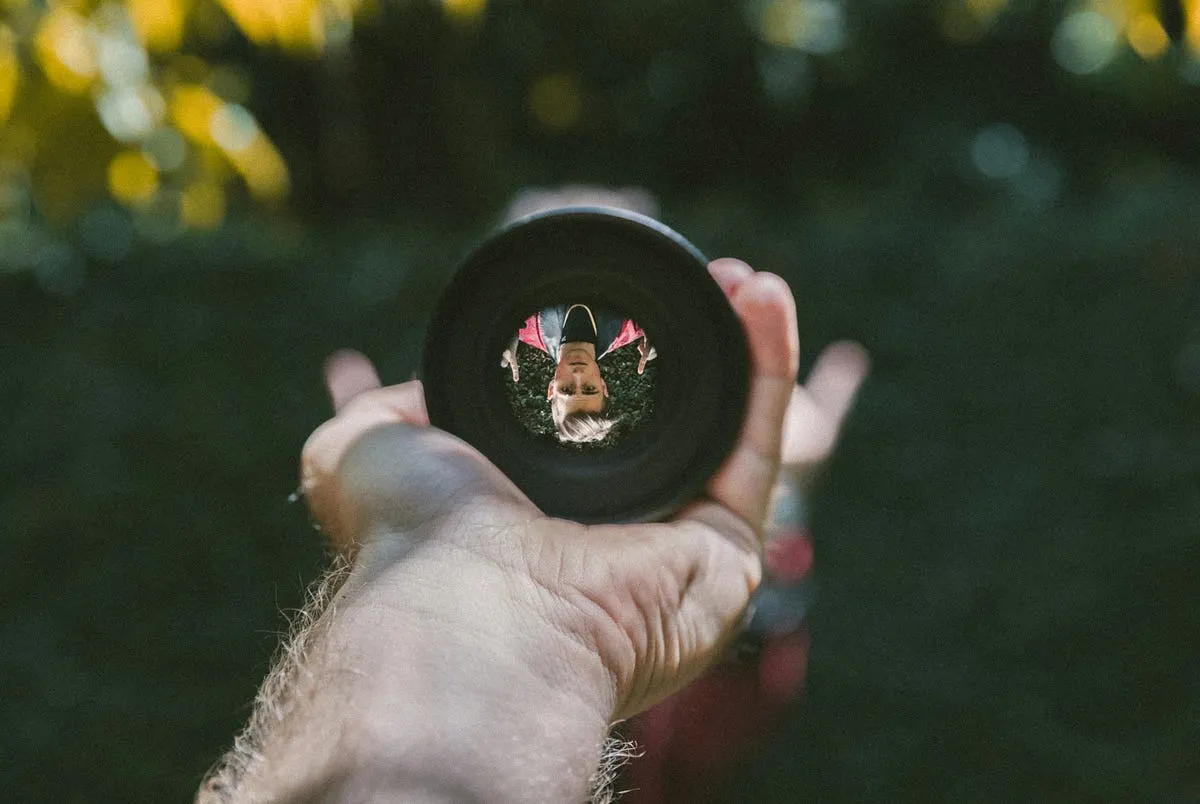
Photo by Jakob Owens on Unsplash
Like many photographers, my path to finding the right portrait lenses was filled with trial and error. I remember when I first started taking portrait photography seriously, I fell into the trap of believing there was a “perfect” lens I simply had to own. This misconception led me to buy and sell more lenses than I care to admit.
What I Learned About Portrait Lenses
Through my own experiences, I’ve discovered there’s no one-size-fits-all solution when it comes to portrait photography. The lighting conditions in my small hometown studio, the various outdoor locations I’ve shot at, and the different styles I’ve developed all demand different tools.
When I first started, I invested in lenses that online forums claimed were “must-haves,” only to find some didn’t suit my personal style or the intimate portrait sessions I prefer. Now I know you can be a well-rounded portrait photographer with just a couple of carefully chosen lenses in your kit.
What Makes a Good Portrait Lens?
After years of experimenting, here’s what I’ve found most important when investing in portrait glass:
Focal length: I’ve learned that focal length dramatically affects how flattering my subjects look. Through plenty of awkward early shoots, I discovered that while longer focal lengths create nice compression, there are limits. In my experience, anything wider than 35mm distorts features unflatteringly (I once made a bride look disproportionate by getting too close with a wide lens — never again!). The sweet spot is between 85mm and 200mm, where I can accentuate features without flattening them.
I also learned to consider working distance. Using my 200mm in my first tiny apartment studio was practically impossible — I kept bumping into walls trying to back up enough!
Sharpness: My clients expect tack-sharp images, even when I’m shooting at wide apertures. This has become non-negotiable for me.
Bokeh: After comparing countless images, I’ve grown to appreciate creamy, soft bokeh that doesn’t distract from my subjects.
My Top Nikon Portrait Lenses
The Nikkor 85mm f/1.4G — My Go-To Portrait Lens
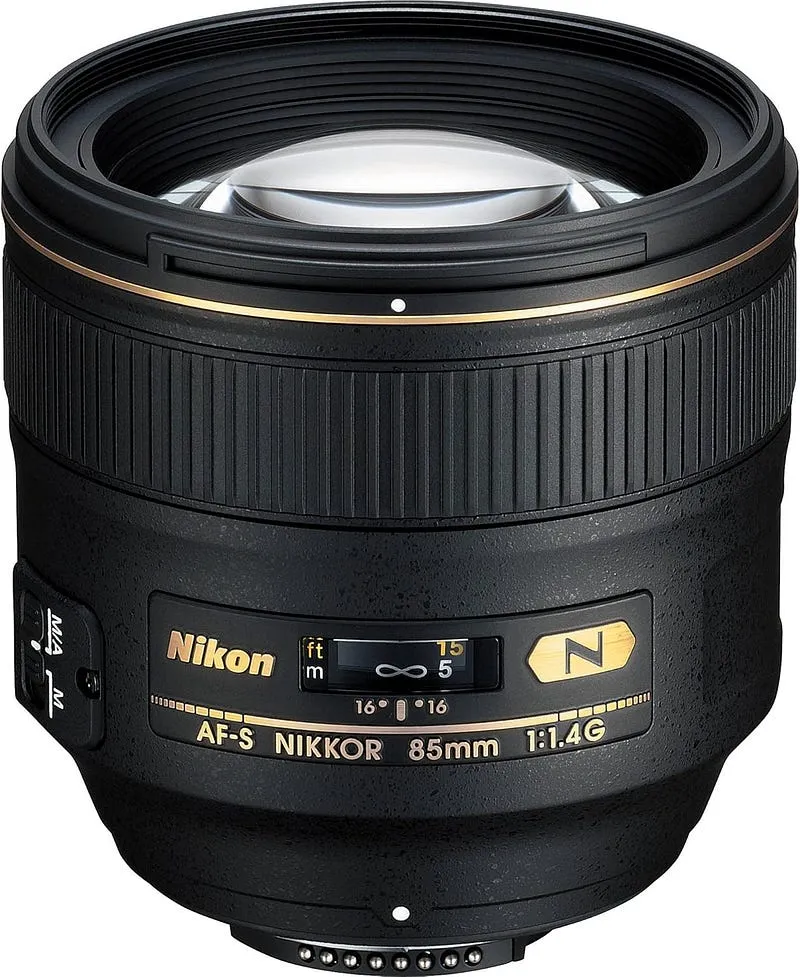
The Nikkor 85mm f/1.4G is my desert island lens. I purchased it three years ago after saving for months, and it has transformed my portrait work. I remember the first time I used it for an engagement session at a local park — when I opened the files later that evening, I was stunned by the sharpness and the dreamy bokeh that seemed to melt the background away.
This lens produces gorgeous contrast straight out of camera, which has saved me countless editing hours. The bokeh is simply incredible — I’ve yet to find any lens that produces a more flattering background blur. My clients often comment on how the photos have a “magical quality” they can’t quite describe.
The 85mm focal length has proven perfect for the head-and-shoulders and three-quarter length portraits that make up most of my portfolio. The only limitation I’ve found is when shooting tight headshots, as it can’t focus quite close enough.
The Nikkor 70–200mm f/2.8G VR II — My Location Secret Weapon
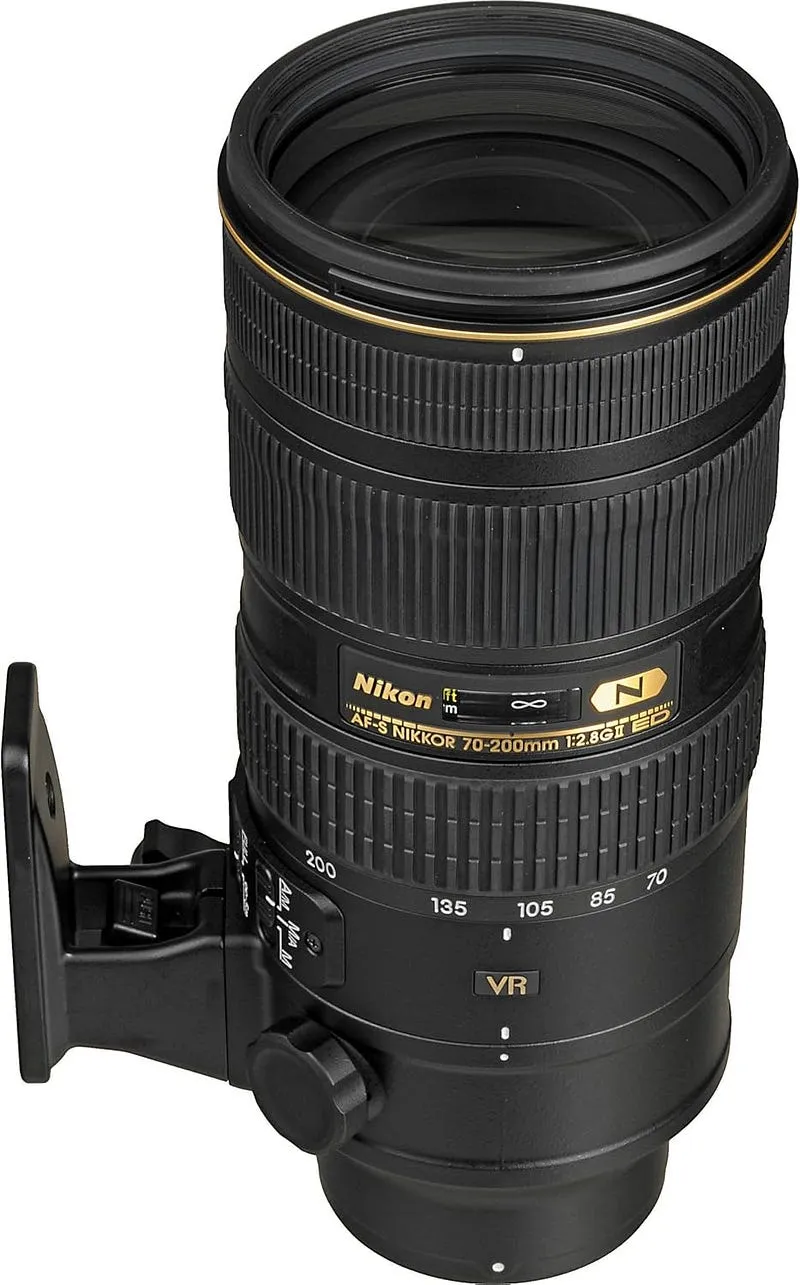
I saved for two years to add the Nikkor 70–200mm f/2.8G VR II to my kit, and it’s been worth every penny for location work. Last summer, I shot a family session at a public park with distracting elements everywhere. By zooming to 200mm, I was able to completely blur away playground equipment and other families that would have ruined the background.
The autofocus on this lens is lightning-fast and precise — a godsend when photographing active children. During one particularly chaotic family session with three kids under five, this lens nailed focus consistently despite constant movement.
Its VR system has saved countless shots in challenging lighting. At a recent sunset engagement session, I was able to hand-hold at 1/20s at 200mm and still get usable images as the light faded — something I wouldn’t have thought possible.
While the bokeh isn’t quite as dreamy as my 85mm, it’s still beautiful, and only noticeable when I’m pixel-peeping side by side comparisons.
The Micro Nikkor 105mm f/2.8G — My Headshot Specialist
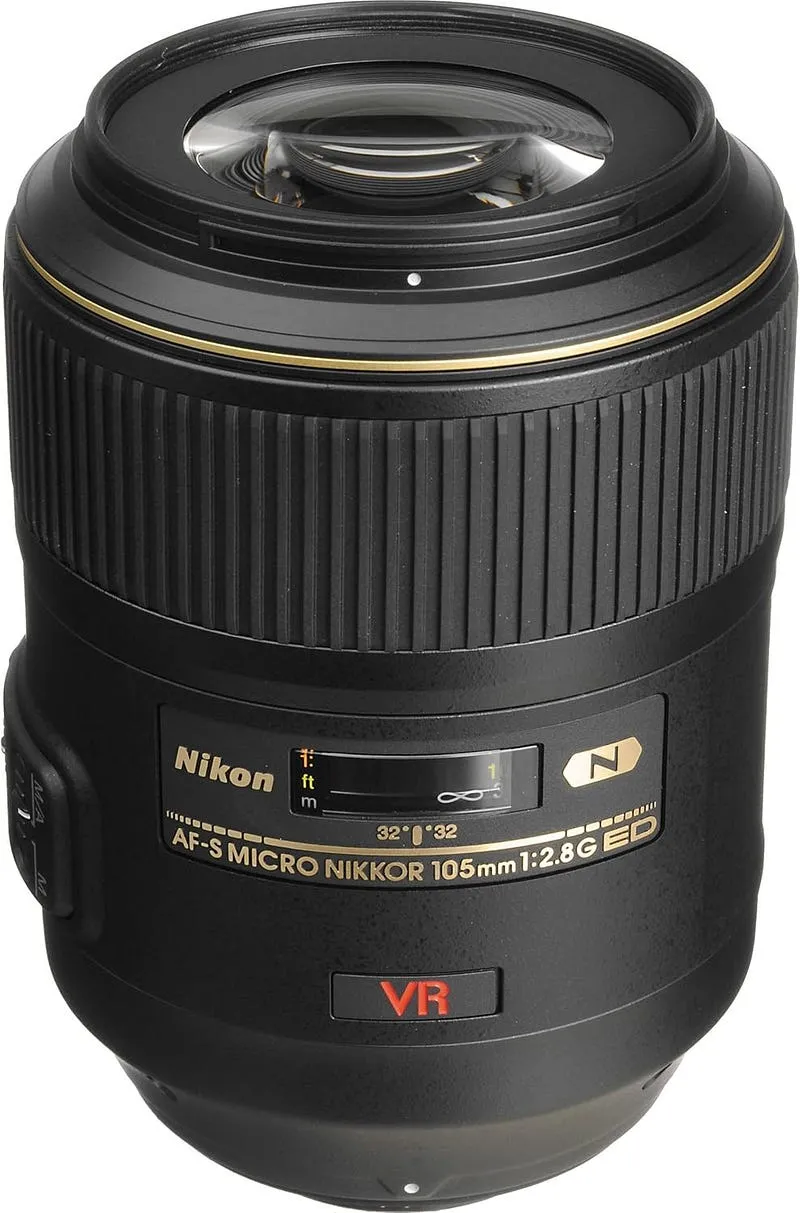
I stumbled upon the versatility of the Micro Nikkor 105mm f/2.8G by accident. I originally purchased it for product photography for my website, but during a headshot session when my 85mm was being repaired, I discovered it’s exceptional for portraits too.
The macro capability means I can get true headshots where a client’s face fills the frame. During an actor’s headshot session, I was able to capture detailed close-ups of just his eyes — something impossible with my standard lenses. Those shots ended up being his favorite images from the session.
This is possibly the sharpest lens I’ve ever used. It resolves incredible detail, which can be both a blessing and a challenge (I’ve had to refine my retouching skills for clients who are concerned about skin texture).
Many photographers overlook this lens for portraits because of its f/2.8 maximum aperture, but I’ve found that at 105mm, you still get beautiful subject separation. In fact, when shooting tight headshots, f/2.8 is often perfect — any wider and the eyes would be in focus but the nose would be soft.
The Nikon 35mm f/1.4G — My Tight Space Solution
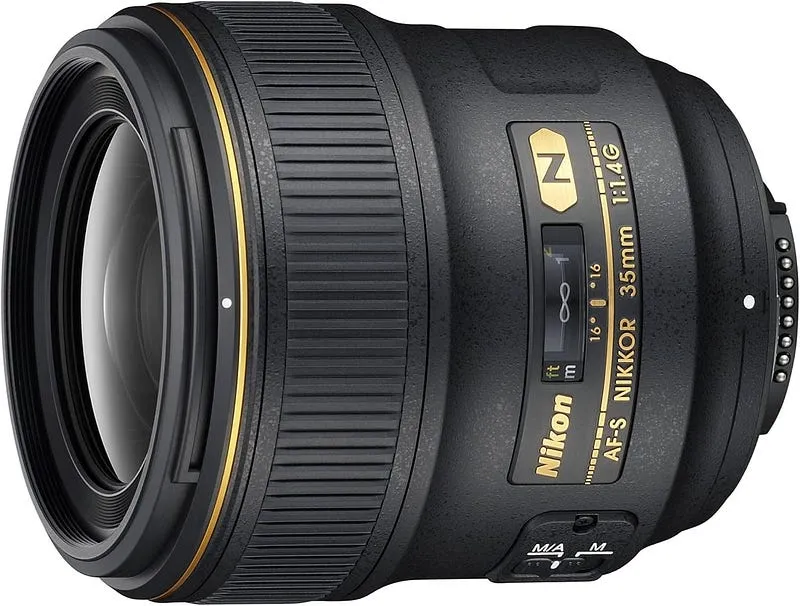
Living in a small apartment in the city meant my first “studio” was barely 10 feet across. The Nikon 35mm f/1.4G was essential during those early days. I remember having a client come for indoor portraits during a snowstorm — there was no rescheduling and no going outside. My 85mm couldn’t capture a full-body shot in that space, but the 35mm saved the session.
I’m always careful with this focal length, keeping my subjects toward the center of the frame and maintaining some distance to avoid unflattering distortion. It’s been invaluable for environmental portraits, engagement sessions, and family groups where I want to include more context.
Despite being a wider lens, it produces surprisingly beautiful bokeh that has a character all its own.
The Nikon 85mm f/1.8G — My Budget-Friendly Breakthrough
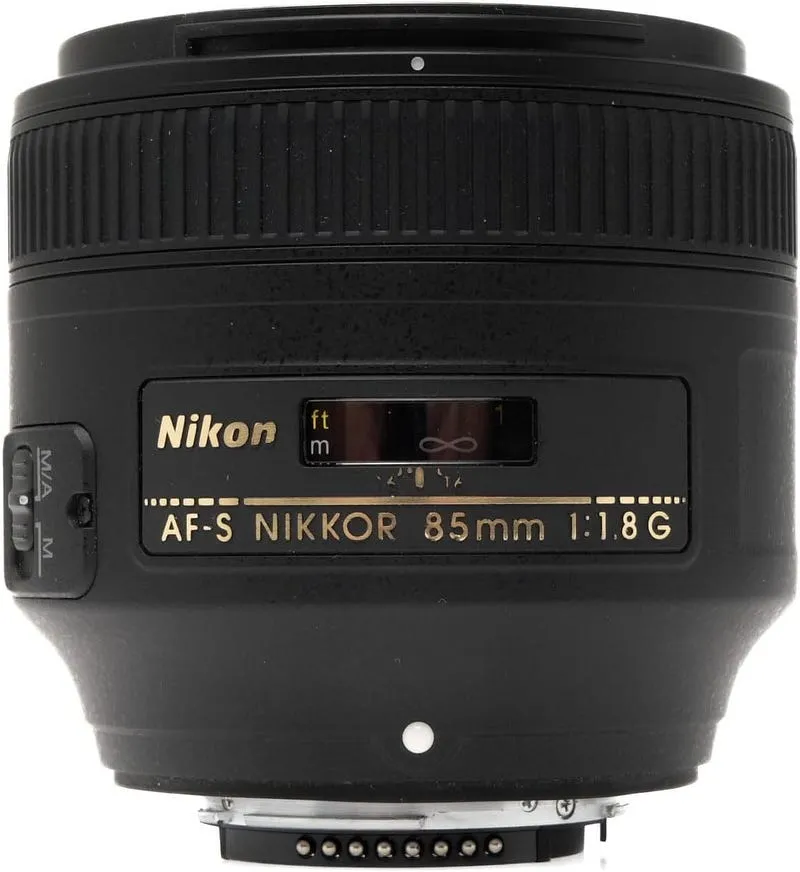
Before I could afford the f/1.4 version, the Nikon 85mm f/1.8G was my workhorse for two years. For photographers starting out, this lens delivers incredible value. I shot three weddings and countless portrait sessions with this lens, producing images that clients loved and that built my portfolio.
It delivers about 90% of what the f/1.4 does at a fraction of the price. It’s sharper than most people give it credit for, and the bokeh, while not quite as creamy as its more expensive sibling, is still beautiful. Even now that I have the f/1.4 version, I keep this as a backup and still use it for weddings where its lighter weight and faster focusing are advantages during long shooting days.
Conclusion
My journey with portrait lenses has taught me that there’s no single “best” lens — only what works best for my style and shooting environment. The technical aspects matter: sharpness, detail, nice bokeh. But what truly matters is finding lenses that help you bring your unique vision to life.
I started with just the 85mm f/1.8G and gradually built my collection based on real needs I encountered in my work, not based on what online forums told me I “had to have.” My advice to fellow photographers is to try different lenses if possible, rent before buying, and ultimately trust your own creative instincts. In the end, it’s your vision that defines your photography, not the glass in your bag.

Photo by Jonathan Borba on Unsplash

Photo by Michael Anfang on Unsplash
Written by
Marien CartelProfessional and Certified Digital Photographer born in the USA, with 22 years of experience in the field of photography.
Related Guides
Best Lens for Panasonic LUMIX S5: (2026 Guide & Reviews)
Unlocking the Cinematic Soul of the L-Mount System. What the Sigma 24–70mm f/2.8 DG DN gets right, what it does not, and who should buy it.

Best Lens for Wide Shots
The Ultimate Guide to the Best Lens for Wide Shots: Field-Tested Review & Personal Experience
Best Lenses for Interior Photography
Best Lenses for Interior Photography. Here is how the Canon R6 Mark II and Canon EOS R6 Mark II compare, and the one I keep going back to.