Best Nikon Telephoto Lenses

As an Amazon Associate we earn from qualifying purchases. Some links in this guide are affiliate links — see our affiliate disclosure for details.
There’s a moment in every photographer’s life when the standard kit lens just doesn’t cut it anymore. For me, that moment was on a windswept cliff, watching a pair of eagles circle their nest far across the bay. They were specks. My 50mm lens rendered them as barely noticeable dots in a vast landscape. I felt a profound sense of frustration. I was missing the story.
That was the day I decided to invest in my first telephoto lens. It opened up a new world, and over the years, I have built a collection of memories and a collection of lenses. If you’re standing on that same cliff, figuratively or literally, let me guide you through the best Nikon telephoto lenses based on my own trials, errors, and triumphs.
- Nikon 70–300mm f/4.5–5.6G ED VR Check Price
- Nikon 200–500mm f/5.6E ED VR Check Price
- Nikon 500mm f/5.6E PF ED VR Check Price
- Nikon 400mm f/2.8E FL ED VR Check Price
The Gateway Drug: The Nikon 70–300mm f/4.5–5.6G ED VR
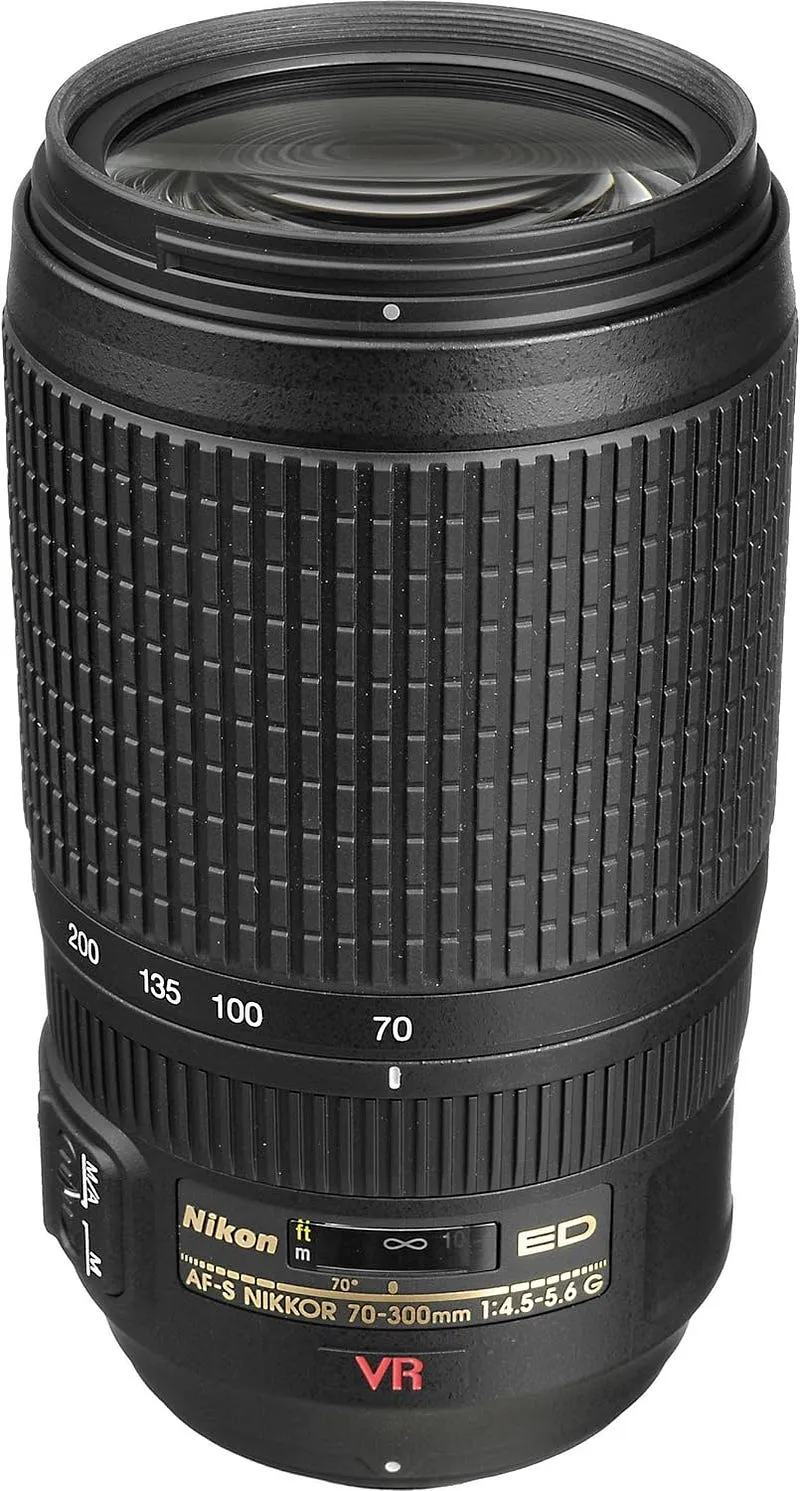
This was my first foray into telephoto territory. I bought it used, my hands trembling with excitement. I took it to a local park, and the very first shot I got was of a squirrel, its eyes sharp and its whiskers perfectly defined from 30 feet away. I was hooked. It was light, relatively affordable, and the Vibration Reduction (VR) meant my shaky hands weren’t a death sentence for sharp photos.
Pros:
- Excellent Value: For the price, especially used, it’s a phenomenal introduction to telephoto photography.
- Lightweight and Portable: You can carry this all day on a hike without feeling like you’re hauling gym equipment.
- Effective VR: Nikon’s vibration reduction is a game-changer, allowing for sharp handheld shots at slower shutter speeds.
- Versatile Zoom Range: 70–300mm on a DX (crop) sensor body is equivalent to 105–450mm, which is fantastic for wildlife and sports.
Cons:
- Variable Aperture: The lens gets “slower” (f/5.6) as you zoom in, which means less light hits the sensor. This can be a challenge in low-light conditions like forests or at dusk.
- Softness at 300mm: While good in the center, the corners can get a bit soft when wide open at the maximum focal length.
- Build Quality: It’s mostly plastic. It feels competent but not professional.
Verdict: The perfect starter lens. If you’re dipping your toes into wildlife, airshows, or your kid’s soccer games from the stands, this is your best bet.


The “Do-It-All” Wonder: The Nikon 200–500mm f/5.6E ED VR
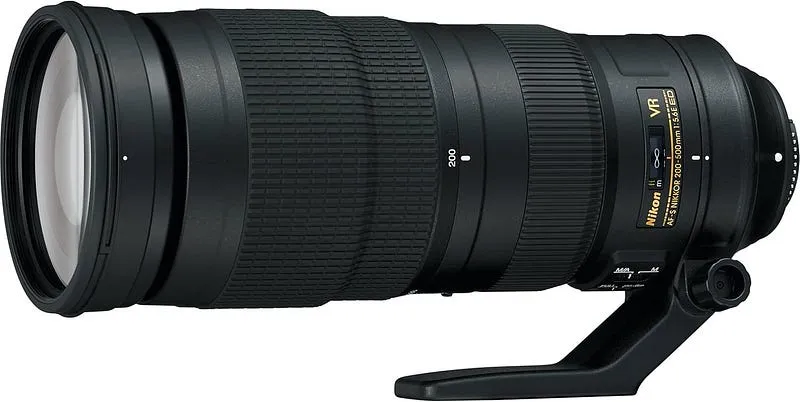
After outgrowing the 70–300mm, I craved more reach and a constant aperture. Enter the 200–500mm f/5.6. The first time I mounted this beast, I felt like a wildlife photography superhero. On a trip to Yellowstone it was my constant companion.
I will never forget the time I captured a wolf pack moving through the snow at dawn. The light was low, the subject was distant, but the lens locked on. The resulting image, sharp and full of atmosphere, is one of my all-time favorites.
Pros:
- Incredible Reach: 500mm is a serious focal length that brings distant subjects breathtakingly close.
- Constant f/5.6 Aperture: Unlike the 70–300mm, it stays at f/5.6 throughout the entire zoom range. This is a huge advantage for consistent exposure and autofocus performance.
- Surprisingly Sharp: For its price and range, the sharpness is outstanding. It rivals lenses that cost two or three times as much.
- Solid Build Quality: It feels like a professional tool, with robust construction and smooth zoom/focus rings.
Cons:
- Heavy and Bulky: This is not a casual walk-around lens. You need a good strap or, better yet, a monopod for extended use.
- Slowish Autofocus: While accurate, the autofocus isn’t the fastest in Nikon’s lineup. It can struggle a bit with very fast, erratic subjects like birds in flight.
- Focus Breathing: There’s some focus breathing when shooting close subjects, which isn’t a big deal for photography but is worth noting for videographers.
Verdict: The undisputed king of value for serious wildlife and bird photographers. It’s the lens that gives you 90% of the performance of the exotics for a fraction of the price.
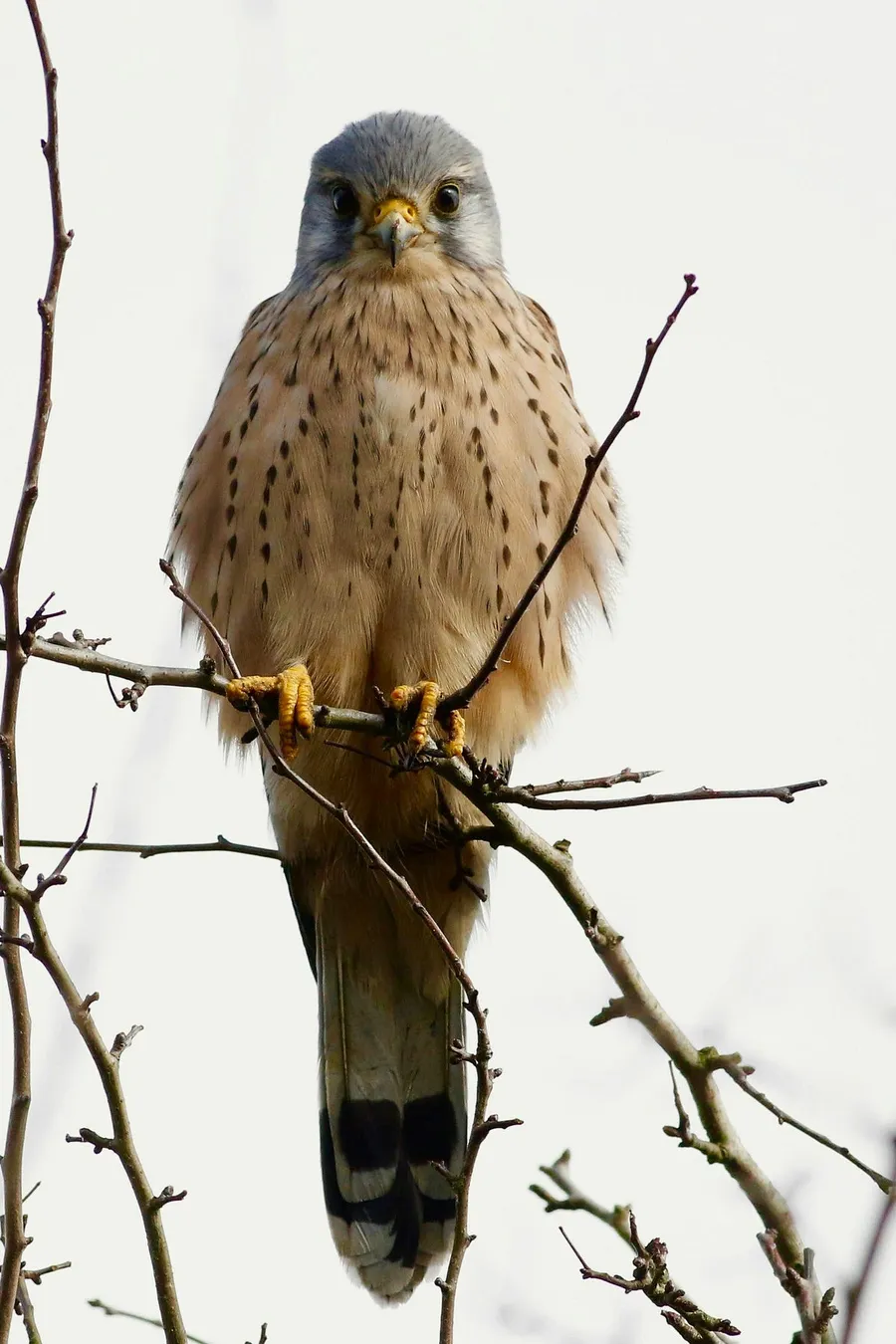

The Prime Perfection: The Nikon 500mm f/5.6E PF ED VR
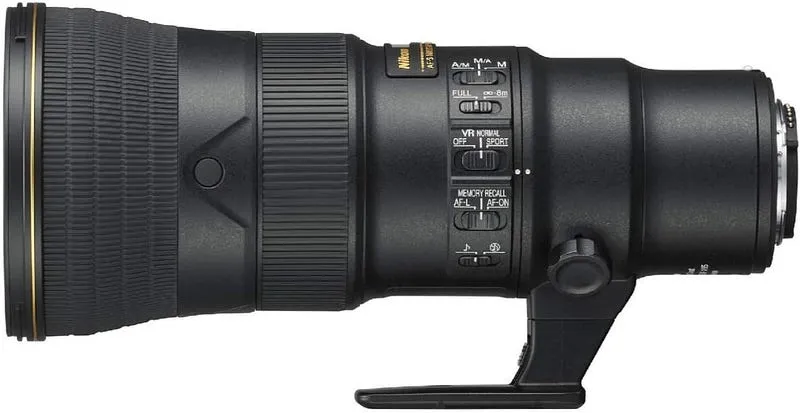
My Story: I resisted this lens for a long time. “My 200–500mm is fine,” I told myself. Then, I rented the 500mm PF for a birding trip. The difference was not subtle; it was revolutionary. The weight — or lack thereof — was the first shock. Handholding a 500mm prime all day was now a reality.
The autofocus was lightning-fast and deadly accurate. I spent a morning photographing terns in flight, and the keeper rate was astronomically higher than with any zoom I’d ever used. It’s a luxury, but one that fundamentally changes your shooting experience.
Pros:
- Unbelievably Light and Compact: Thanks to Nikon’s Phase Fresnel (PF) glass element, it’s a fraction of the size and weight of a traditional 500mm prime.
- Blazing Fast Autofocus: It acquires and tracks focus with a speed and confidence that zooms simply can’t match.
- Optical Brilliance: It is bitingly sharp, even wide open at f/5.6. The image quality is simply sublime.
- Handholdable: This is its killer feature. The freedom of movement it offers is a game-changer.
Cons:
- Very Expensive: It sits in a premium price bracket.
- Fixed Focal Length: You are stuck at 500mm. If an animal comes closer than your minimum focus distance, you can’t zoom out; you have to back up or switch lenses.
- Potential for PF Flare: In certain high-contrast situations, the PF element can cause unusual circular flare patterns, which need to be cleaned up in post-processing.
Verdict: The ultimate lens for the mobile wildlife photographer who demands the best balance of reach, weight, and optical performance. It’s an investment in both your kit and your creativity.


The Legendary Exotic: The Nikon 400mm f/2.8E FL ED VR
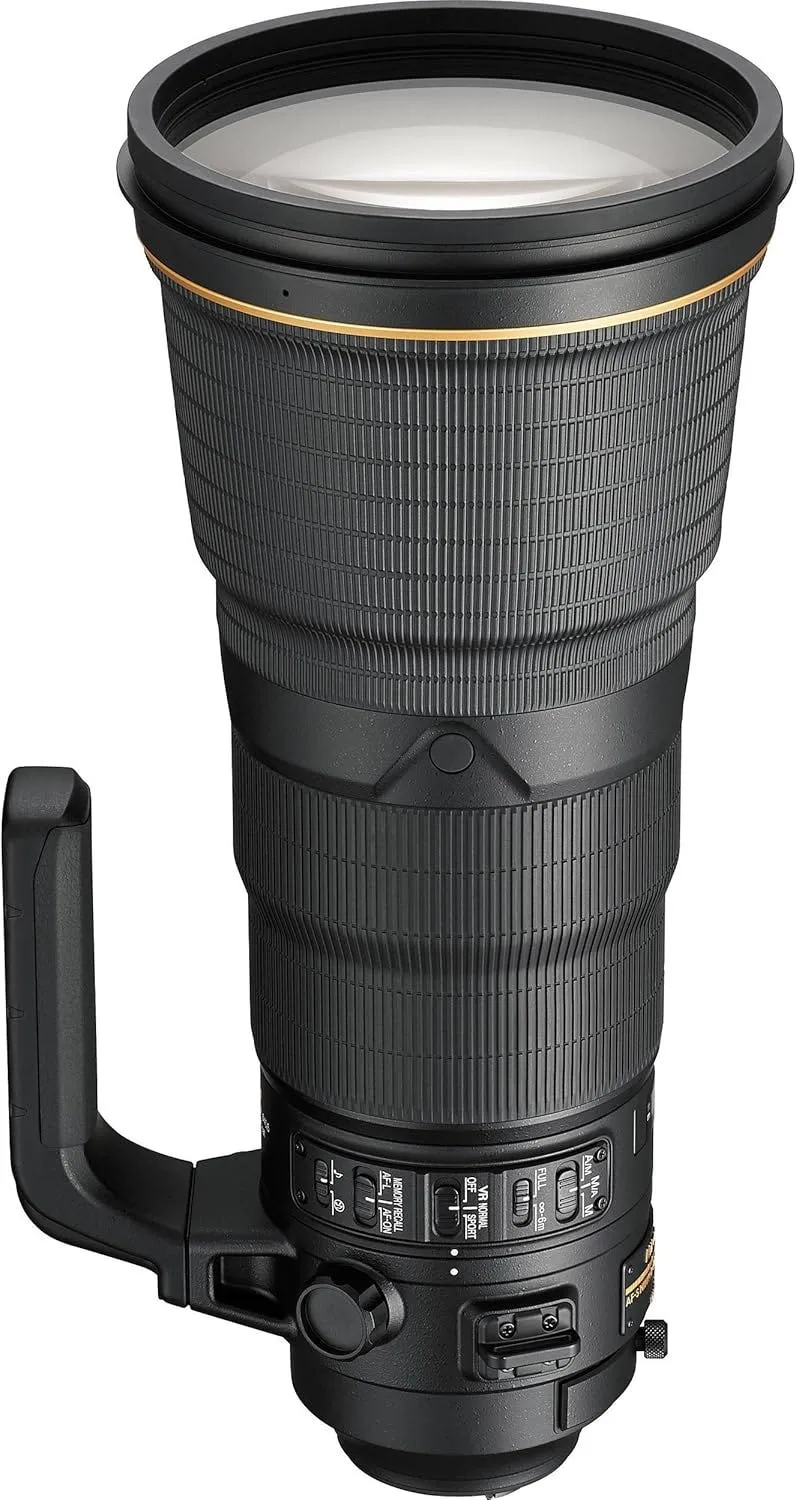
I do not own this lens. I had the privilege of borrowing it from a friend, a professional sports photographer, for a weekend. Using it felt like wielding Excalibur. I took it to a dimly lit arena for a hockey game. Where other lenses would have struggled with the low light and fast action, the 400mm f/2.8 was in its element.
The ability to shoot at f/2.8 at 400mm isolates your subject with a beautiful, creamy bokeh that separates them from the background chaos. The autofocus felt instantaneous. It’s a tool that does the thinking for you, allowing you to purely focus on composition and timing.
Pros:
- f/2.8 Aperture: This is the holy grail. It lets in a massive amount of light, enabling fast shutter speeds in terrible lighting and creating incredible subject isolation.
- Flawless Optics and AF: The image quality is as good as it gets. Autofocus is virtually instantaneous and tenacious.
- Professional Build: Built to withstand the elements and the rigors of daily professional use.
- With Teleconverters: It works brilliantly with Nikon’s 1.4x and 1.7x teleconverters, effectively becoming a 560mm f/4 or 680mm f/4.8 without a huge loss in quality.
Cons:
- Extremely Expensive: This is a “mortgage payment” level lens.
- Extremely Heavy: It requires serious physical strength and the best tripod or gimbal head you can buy.
- Specialist Tool: Its use case is narrow (pro sports, wildlife in low light). For most, it’s overkill.
Verdict: The uncompromising choice for professionals who make a living capturing split-second action in challenging light. It’s a masterpiece of optical engineering.
Final Thoughts from My Bag to Yours
My journey from the 70–300mm to dreaming of a 500mm PF has taught me one crucial lesson: the “best” lens is the one that gets you the shot without breaking your back, your bank, or your creative spirit.
- Start with your budget and your subject. Don’t buy a 200–500mm if you only shoot your kid’s baseball games once a year.
- Rent before you buy. This is how I discovered my love for the 500mm PF. It’s the best way to know if a lens fits your style.
- Weight matters. The heaviest lens in the world is useless if it’s sitting at home because you didn’t want to carry it.
No matter which path you choose, stepping into the world of telephoto photography is like getting a new set of eyes. It allows you to explore intimate details from a distance, to compress landscapes into beautiful abstractions, and to tell stories that would otherwise remain hidden. Now, get out there and find your story.
What about you? What’s your favorite Nikon telephoto lens and the story behind it? Share your experiences in the comments below!

Written by
Marien CartelProfessional and Certified Digital Photographer born in the USA, with 22 years of experience in the field of photography.
Related Guides
Best Lens for Panasonic LUMIX S5: (2026 Guide & Reviews)
Unlocking the Cinematic Soul of the L-Mount System. What the Sigma 24–70mm f/2.8 DG DN gets right, what it does not, and who should buy it.

Best Lens for Wide Shots
The Ultimate Guide to the Best Lens for Wide Shots: Field-Tested Review & Personal Experience

Best Lenses for Interior Photography
Best Lenses for Interior Photography. Here is how the Canon R6 Mark II and Canon EOS R6 Mark II compare, and the one I keep going back to.