Best Sony Macro Lenses
As an Amazon Associate we earn from qualifying purchases. Some links in this guide are affiliate links — see our affiliate disclosure for details.
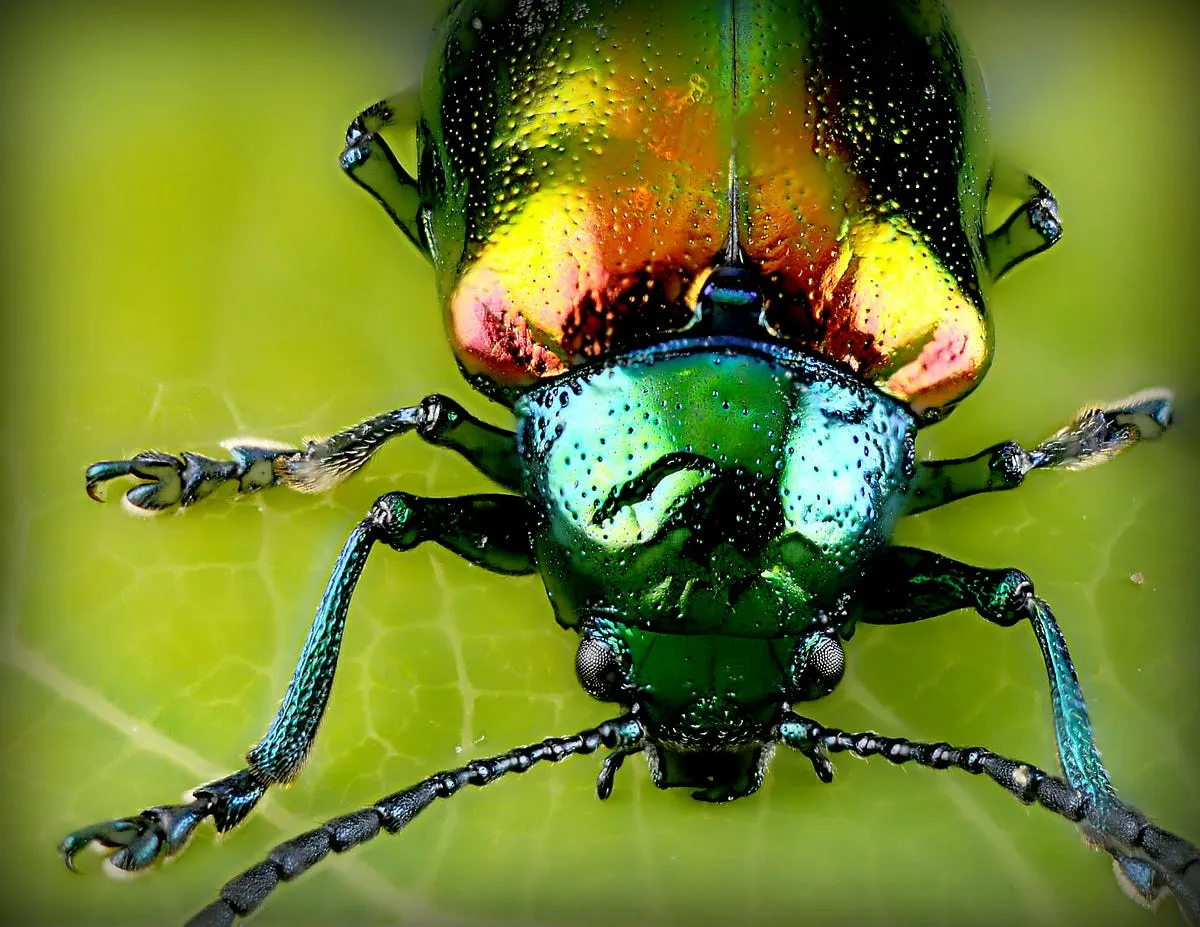
Photo by Alan Emery on Unsplash
There’s a universe hidden in plain sight, a world of intricate details, textures, and life that often goes unnoticed. I’m talking about the realm of macro photography — the art of making tiny things larger than life. For me, diving into this world wasn’t just about buying a new piece of gear; it was an awakening, a complete shift in how I perceived the beauty around me, even in my own backyard. And Sony, with its incredible lineup of cameras and lenses, has been my trusted companion on this journey.
- Sony FE 90mm f/2.8 Macro G OSS — View on Amazon
- Sony FE 50mm f/2.8 Macro — View on Amazon
- Laowa 100mm f/2.8 2X Ultra Macro APO — View on Amazon
My Accidental Encounter with the Microscopic
It all started on a lazy Sunday afternoon. I’d recently upgraded to a Sony Alpha camera a7 III, primarily for portraits and travel. I was idly wandering through my small garden, camera in hand, feeling a bit uninspired. Then, a flash of iridescent blue caught my eye on a seemingly ordinary marigold. It was a tiny damselfly, no bigger than my pinky nail.
Curiosity piqued, I tried to get a close shot with my standard kit lens. The result? A blurry, distant spec. Frustration mounted. I knew there had to be a way to capture the delicate patterns on its wings, the almost alien-like structure of its eyes. That evening, I fell down the rabbit hole of macro photography research, and by the next week, I had my first dedicated macro lens.
The first time I focused correctly and saw the damselfly fill my viewfinder, its compound eyes like tiny jewels, I was utterly mesmerized. It was like discovering a secret portal. Suddenly, every dewdrop, every insect, every flower petal held a universe of photographic potential. This newfound passion led me to explore Sony’s macro lens offerings more deeply, and I want to share what I’ve learned and loved.
Why Sony for Macro?
Sony’s mirrorless cameras offer several advantages for macro enthusiasts:
- Focus Peaking & Magnification: Live view with focus peaking and magnification is a godsend for nailing critical focus in macro, where depth of field is razor-thin.
- Excellent Sensors: The detail and dynamic range from Sony sensors mean you can capture incredible image quality.
- In-Body Image Stabilization (IBIS): Many Sony bodies have IBIS, which helps immensely when shooting handheld at high magnifications, though for serious macro, a tripod is still king.
- Growing Native Lens Selection: Sony has been consistently expanding its E-mount lens lineup, including some stellar macro options.
My Top Sony Macro Lens Recommendations:
Choosing a macro lens depends on your specific needs, subject matter, and budget. Here are my top picks, lenses I’ve either used extensively or have come highly recommended by fellow Sony macro shooters:
1. Sony FE 90mm f/2.8 Macro G OSS (The Gold Standard)
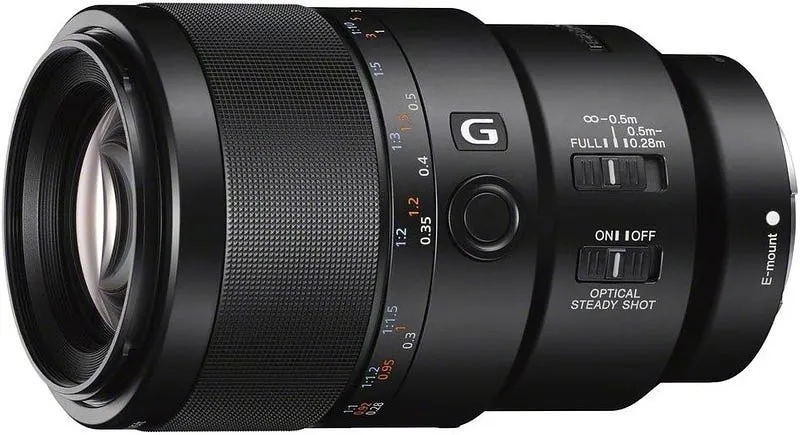
**Key Specs:**90mm focal length, f/2.8 aperture, 1:1 magnification ratio, Optical SteadyShot (OSS).
My Experience & Why It Shines:
This was the lens that truly opened up the macro world for me after my initial foray. The 90mm focal length provides a comfortable working distance, meaning you don’t have to get too close to your subject, which is crucial for skittish insects. The sharpness is absolutely breathtaking, edge to edge.
The f/2.8 aperture, while often stopped down in macro for more depth of field, also makes this a surprisingly capable portrait lens. The Optical SteadyShot is a huge help for handheld shots, especially when you’re starting out or if a tripod isn’t practical. The clutch mechanism for switching between auto and manual focus is intuitive and a joy to use.
Pros: Exceptional sharpness, beautiful bokeh, excellent build quality, great working distance, OSS, dedicated focus hold button.
Cons: Can be pricey, relatively large and heavy compared to non-macro primes.
Ideal For: Serious macro enthusiasts, insect photography, floral details, product photography, and even portraits.
2. Sony FE 50mm f/2.8 Macro (The Compact Achiever)
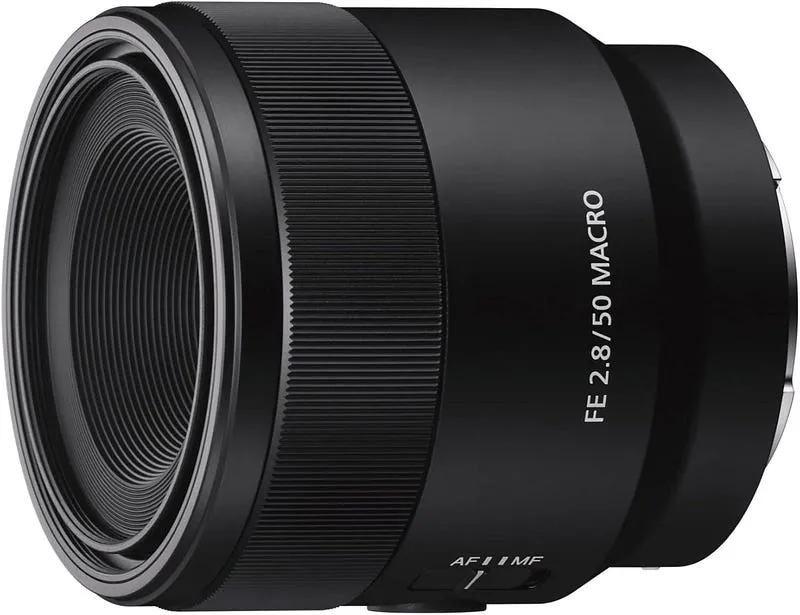
Key Specs: 50mm focal length, f/2.8 aperture, 1:1 magnification ratio.
My Take & Why It’s a Great Option: If the 90mm G is out of budget or you prioritize a smaller, lighter setup, the 50mm f/2.8 Macro is a fantastic choice. It still delivers true 1:1 magnification and very good sharpness.
The main difference is the working distance — at 50mm, you’ll need to be significantly closer to your subject to achieve maximum magnification. This can be a challenge for live insects but is perfectly fine for static subjects like flowers, food, or small products.
I often recommend this lens to beginners who want to dip their toes into macro without a massive investment. It also doubles as a decent standard prime lens.
Pros: Affordable, compact and lightweight, good sharpness, 1:1 magnification.
Cons: Shorter working distance (can cast shadows or scare subjects), autofocus can be a bit slower than the 90mm G, no OSS (rely on camera IBIS if available).
Ideal For: Beginners in macro, floral photography, food photography, situations where a compact setup is key.
3. Laowa 100mm f/2.8 2X Ultra Macro APO (The Magnification Maverick — Manual Focus)
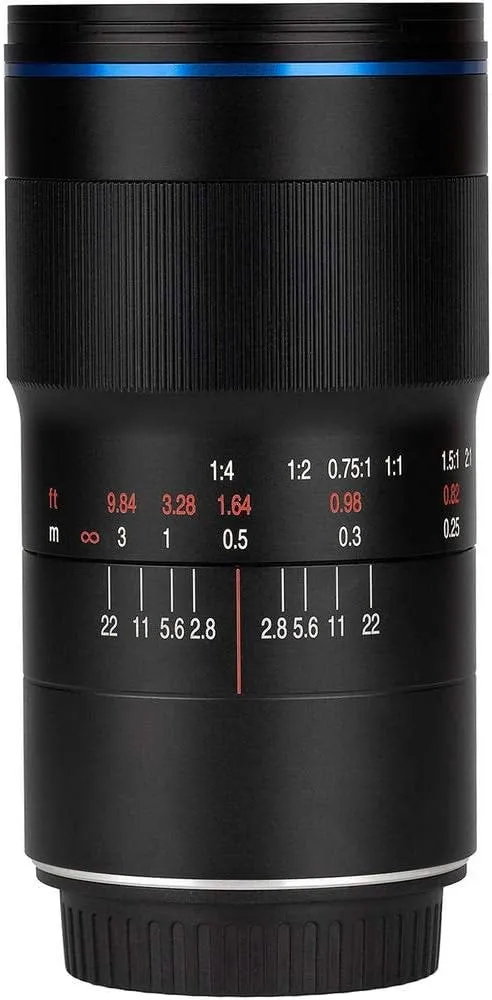
Key Specs: 100mm focal length, f/2.8 aperture, 2:1 magnification ratio, Apochromatic (APO) design. (Available for Sony E-mount)
Why It’s Special (A Note on Third-Party): While this isn’t a Sony native lens, Laowa has made a name for itself with unique, high-quality manual focus macro lenses. The standout feature here is the 2X magnification.
This means you can capture subjects at twice their life-size on the sensor, revealing even more incredible detail than a standard 1:1 macro lens. This is a fully manual lens (manual focus, manual aperture control). For some, this is a deal-breaker.
For dedicated macro photographers who often prefer precise manual control anyway, it’s a non-issue. The APO design helps control chromatic aberration, which is crucial at such high magnifications.
Pros: Incredible 2:1 magnification, excellent sharpness, APO design minimizes color fringing, solid build.
Cons: Manual focus only, no electronic communication with the camera (no EXIF data for aperture, no OSS from the lens).
Ideal For: Advanced macro photographers seeking extreme magnification, focus stacking, studio work, and anyone comfortable with manual focus.
Factors to Consider When Choosing Your Lens:
- Focal Length: Longer focal lengths (90mm, 100mm, 180mm) give you more working distance. Shorter focal lengths (50mm, 60mm) require you to be closer.
- Magnification Ratio: True macro lenses offer at least 1:1 magnification (life-size). Some go even further (like the Laowa 2X).
- Image Stabilization (OSS/IBIS): Very helpful for handheld macro, but a tripod is often preferred for maximum sharpness.
- Autofocus vs. Manual Focus: AF can be handy, but for precise macro work, many photographers prefer manual focus. Sony’s focus peaking makes MF much easier.
- Budget: Macro lenses can range from a few hundred to over a thousand dollars.
Beyond the Lens: Quick Tips for Macro Beginners
- Light is Everything: Good lighting is crucial. Use natural light, a ring light, a macro flash, or even a small LED panel.
- Stability is Key: A sturdy tripod and a remote shutter release (or self-timer) will minimize camera shake.
- Embrace Shallow Depth of Field: At macro distances, DoF is incredibly thin. Use it creatively or learn focus stacking (taking multiple shots at different focus points and merging them in post-production).
- Patience, Patience, Patience: Especially with live subjects. Wait for the right moment.
What are your favorite macro lenses or subjects? Share your thoughts in the comments below!

Photo by Rosie Kerr on Unsplash
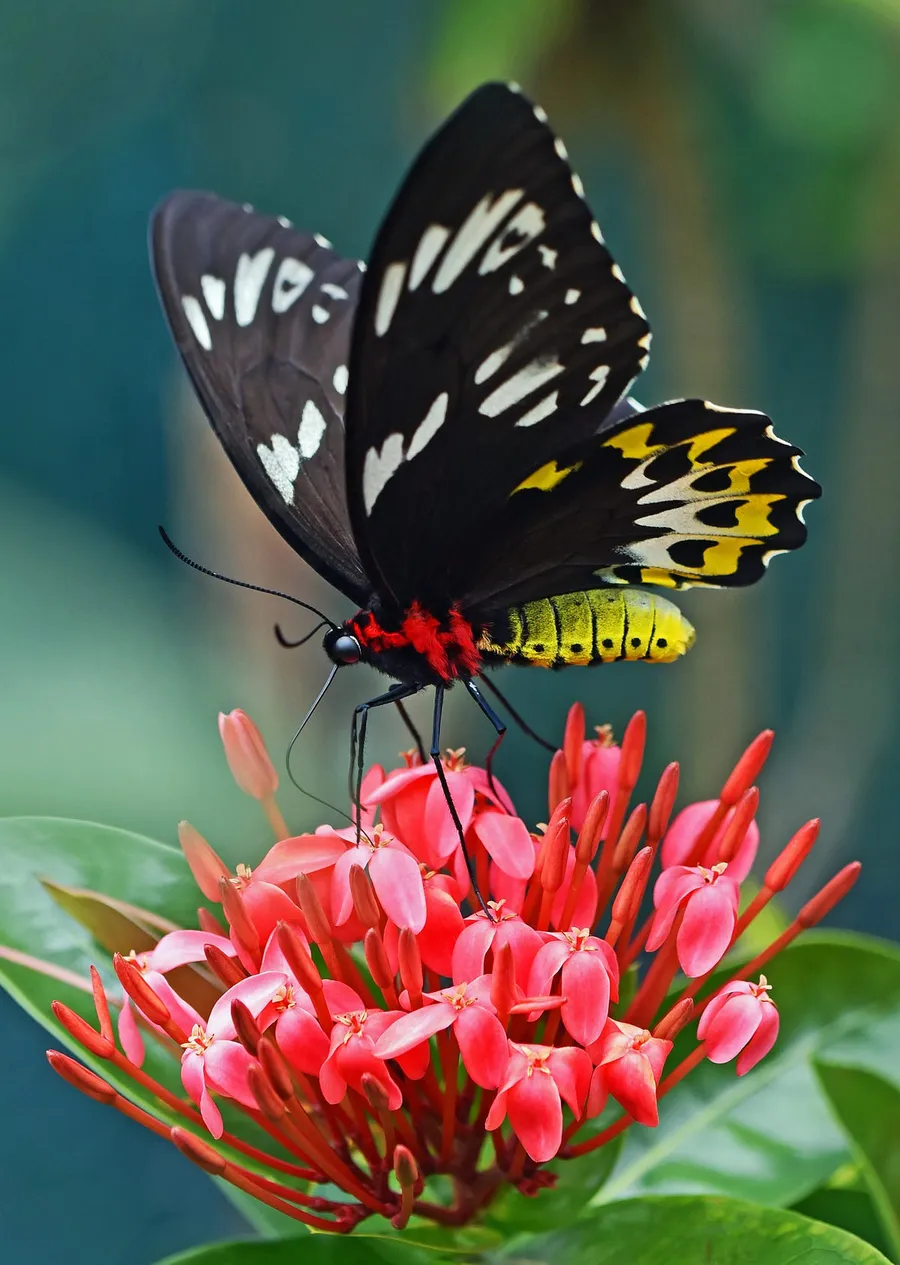
Photo by David Clode on Unsplash
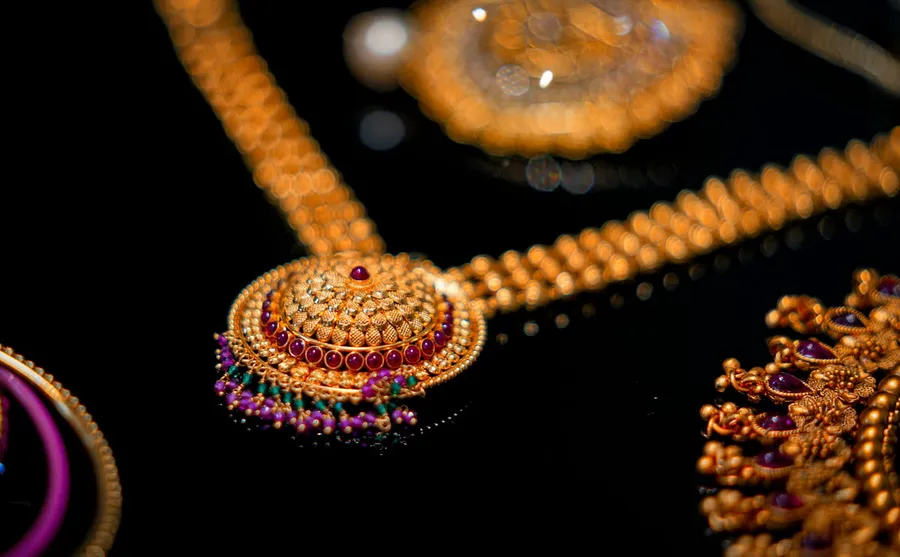
Photo by Vaibhav Nagare on Unsplash
Written by
Marien CartelProfessional and Certified Digital Photographer born in the USA, with 22 years of experience in the field of photography.
Related Guides
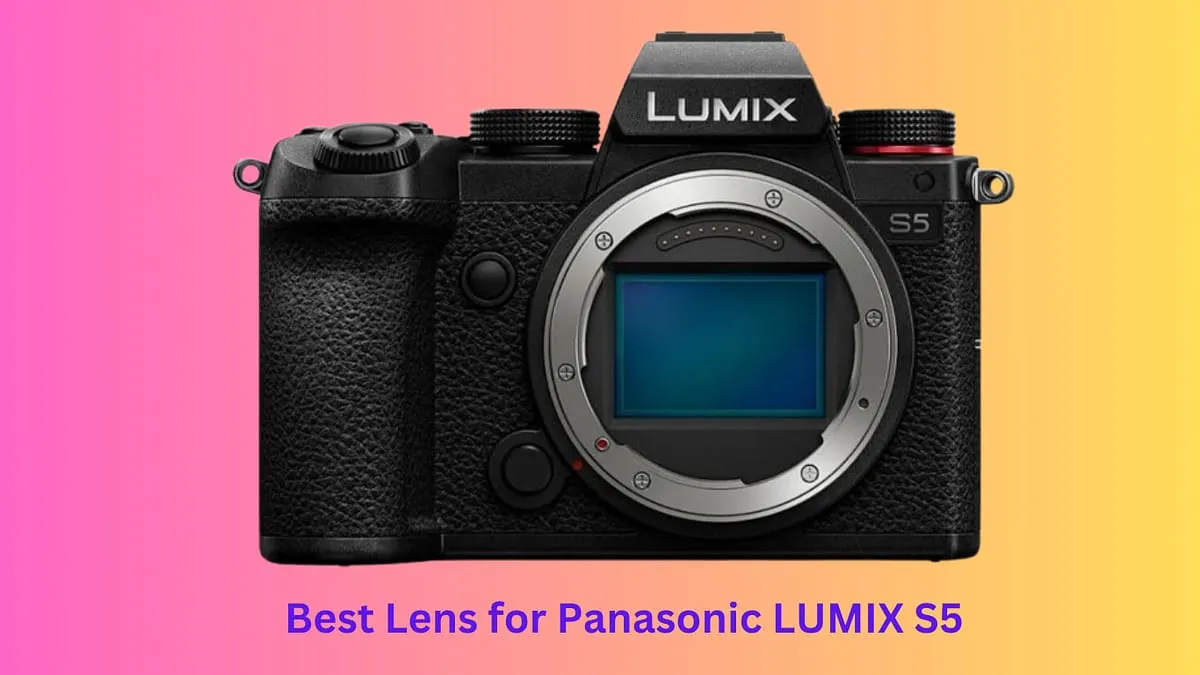
Best Lens for Panasonic LUMIX S5: (2026 Guide & Reviews)
Unlocking the Cinematic Soul of the L-Mount System. What the Sigma 24–70mm f/2.8 DG DN gets right, what it does not, and who should buy it.

Best Lens for Wide Shots
The Ultimate Guide to the Best Lens for Wide Shots: Field-Tested Review & Personal Experience

Best Lenses for Interior Photography
Best Lenses for Interior Photography. Here is how the Canon R6 Mark II and Canon EOS R6 Mark II compare, and the one I keep going back to.