Photography for Beginners Camera
As an Amazon Associate we earn from qualifying purchases. Some links in this guide are affiliate links — see our affiliate disclosure for details.
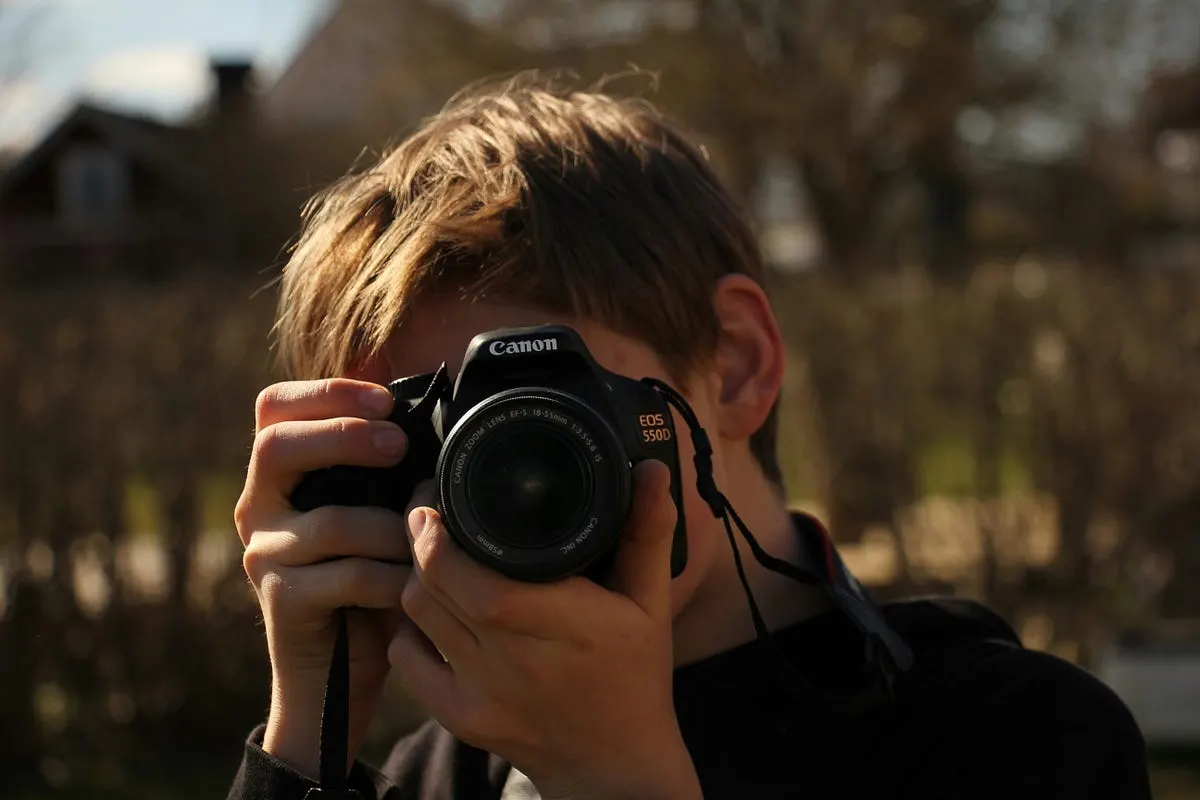
Photo by John Kinnander on Unsplash
When I picked up my first serious camera over two decades ago, the digital landscape looked completely different. There were no mirrorless giants with eye-tracking autofocus, no instant phone-to-screen transfers, and sensor technology that would make today’s entry-level models look like sci-fi props.
Back then, as a wide-eyed photographer just starting out in the United States, I thought the secret to great images was hidden inside the most expensive body I could stretch my budget to buy. I quickly learned the hard way that a hefty price tag doesn’t automatically translate to compelling storytelling.
Today, as a professional and certified digital photographer with 22 years behind the lens, I get asked one question more than any other by aspiring creators: “Sharon, what camera should I buy as a beginner?”
If you are stepping into this incredible world for the first time, take a deep breath. You don’t need a second mortgage to capture breathtaking imagery. You just need the right tool that matches how you learn, what you love to shoot, and where you want your creative journey to take you.
1. Mirrorless vs. DSLR: The Great Modern Divide
The very first choice you will face is the underlying technology of the camera body.
- DSLRs (Digital Single-Lens Reflex): These use a mirror system to reflect light up into an optical viewfinder. While traditional, major manufacturers have largely shifted their research and development away from DSLRs. However, the used market is currently flooded with incredible, professional-grade DSLR bargains.
- Mirrorless Cameras: These eliminate the mirror box entirely, routing light straight from the lens onto an electronic sensor. This allows for lighter bodies, lightning-fast electronic shutters, and an electronic viewfinder (EVF) that shows you your exposure before you press the shutter button.
My Professional Recommendation: Go mirrorless. It is the undisputed standard of modern photography. Learning on a mirrorless system shortens the learning curve dramatically because what you see in your viewfinder is precisely what your final image will look like.
Top Choices for Beginners
- Features a 24.2MP APS-C sensor.
- Includes an easy-to-use guided interface and fully articulating touchscreen.
- Excellent smart autofocus tracking for people and pets.
- Great hybrid choice for both casual photos and vlogging/video.
- Features a flip-out screen and microphone input.
- Note: Lacks a built-in electronic viewfinder.
- Built with a 20.9MP APS-C sensor.
- Features a sturdy, comfortable grip and sharp electronic viewfinder.
- Traditional layout that is great for learning manual photography controls.
Affiliate note: This post has affiliate links. If you buy through them, I might earn a small commission (at no extra cost).
2. Sensor Sizes Explained Simply
Micro Four Thirds (Smallest of the interchangeable lens options): Best suited for travel, street photography, and hiking.
- Pros: Ultra-portable, lightweight, and affordable lenses.
- Cons: Struggles in extreme low light and makes it harder to achieve blurry backgrounds.
APS-C / Crop Sensor (Medium): Best suited for everyday enthusiasts, portraits, and general learning.
- Pros: Excellent sweet spot of price, performance, and portability.
- Cons: A slight crop factor alters your lens focal length.
Full Frame (Largest, equivalent to traditional 35mm film): Best suited for professional commercial work, landscapes, and ultimate low-light performance.
- Pros: Incredible dynamic range and stunning depth of field.
- Cons: Heavier bodies and significantly higher cost.
3. The Golden Rule: Invest in Glass, Not Just the Body
If you take only one piece of advice away from my 22 years in this industry, let it be this: Your lenses matter more than your camera body.
A brilliant camera body with a mediocre kit lens will yield mediocre results. Conversely, a modest, older camera body paired with an exceptional prime lens (a lens with a fixed focal length that doesn’t zoom) will produce jaw-dropping, professional-grade imagery.
When you purchase your first interchangeable-lens camera, consider bypassing the standard zoom lens bundle if your budget allows. Instead, look into:
- A 35mm or 50mm Prime Lens: These “normal” focal lengths closely mimic human vision, forcing you to move your feet to frame your shots. They also feature wide maximum apertures (like f/1.8), allowing you to shoot in dim indoor lighting and achieve that dreamy, blurry background (bokeh) that makes subjects pop.
4. Key Features to Look For
When sorting through spec sheets, ignore the marketing noise and keep your eyes peeled for these three essential features:
- Ergonomics and Feel: A camera can have a billion megapixels, but if it feels awkward in your hands, you won’t want to carry it. Go to a local camera shop if possible, hold a few models, and see how the dials and grips feel in your palms.
- Autofocus Reliability: Modern autofocus systems with face and eye detection are revolutionary. Even as a seasoned professional, I rely on these systems to keep my focus tack-sharp so I can focus purely on composition and emotion.
- Battery Life: Mirrorless cameras chew through batteries faster than old DSLRs because their screens and viewfinders are electronic. Always budget for at least one extra spare battery.
Final Thoughts from Behind the Lens
Photography isn’t about owning the gear with the most buttons or the highest price tag. It is about patience, light, timing, and perspective. The best camera in the world is quite simply the one you actually have with you, and the one that inspires you to step outside every single day to look at the world a little differently.
Take your time, do your research, and remember that every master photographer started exactly where you are standing right now. Happy shooting!
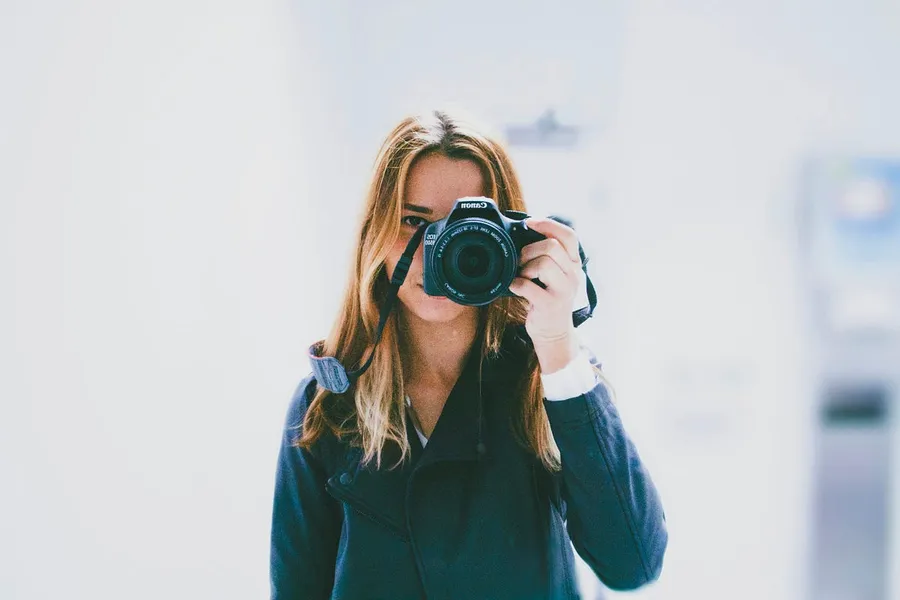
Photo by Stacey Koenitz on Unsplash
Written by
Marien CartelProfessional and Certified Digital Photographer born in the USA, with 22 years of experience in the field of photography.
Related Guides
Best Camera for Automotive Photography
What I Actually Reach For When I’m Shooting Cars. Here is how the Canon EOS R5, Sony a7 IV and Nikon Z6 III compare, and the one I keep going back to.
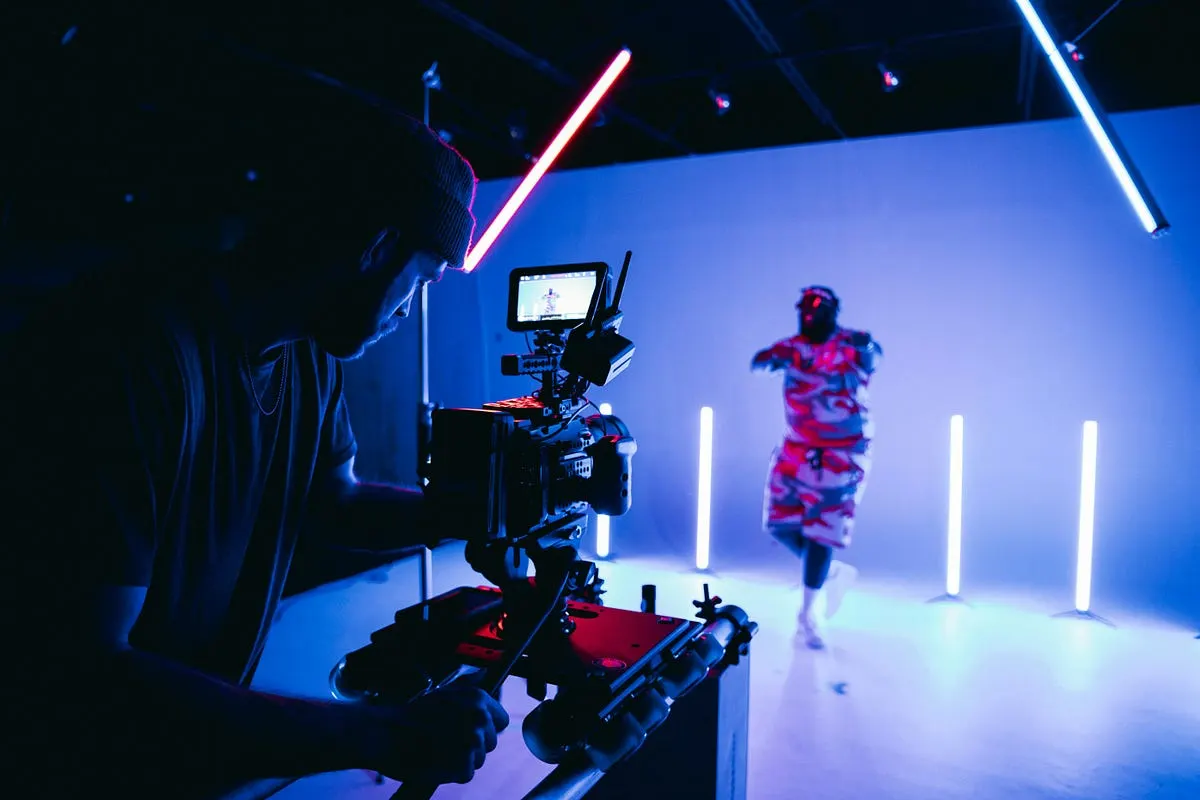
Best Cameras for Virtual Production
After I Wasted a Full Shoot Day Finding Out — why the Sony FX6 and Sony FX9 made the list, and who each one really suits.
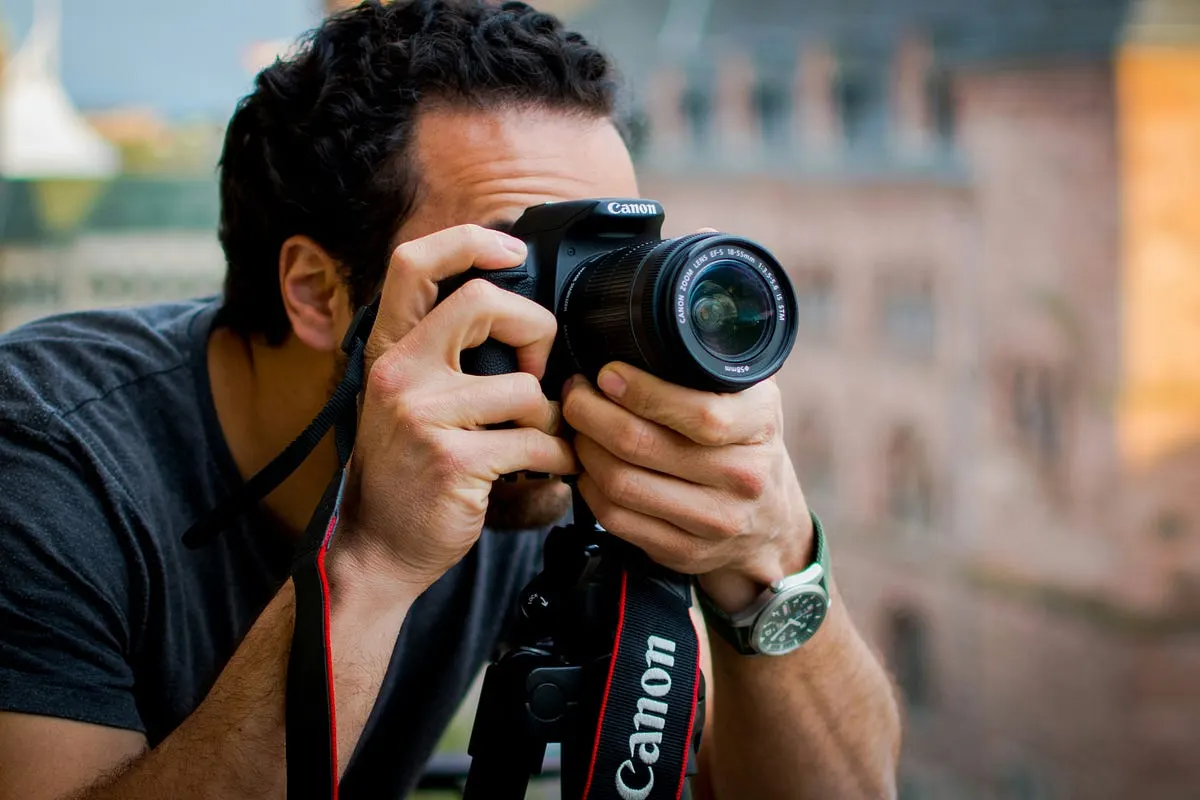
Best DSLR Cameras for Beginners: (Guide & Reviews)
My Hands-On Experience with the Best Beginner-Friendly Cameras — why the Canon EOS Rebel T7 and Nikon D3500 made the list, and who each one really suits.